Understanding the Auto Feeding System in Industrial Equipment
After spending quite a few years in the industrial equipment sector, I’ve learned one thing: efficiency is king. One piece of technology that continually stands out in this arena is the auto feeding system. It feels like an unsung hero in many production lines, quietly improving workflow and reducing downtime. Today, I want to share some insights about these systems — from their design and specs to real-world usage and vendor options — so you get the full picture, not just buzzwords.
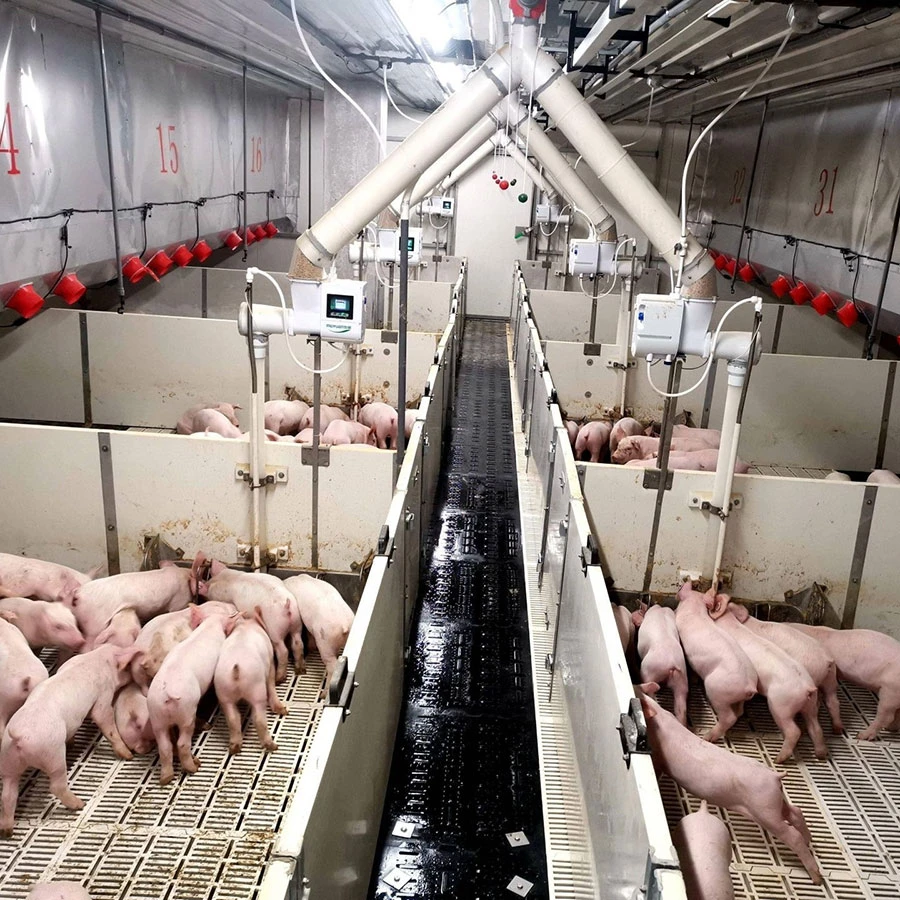
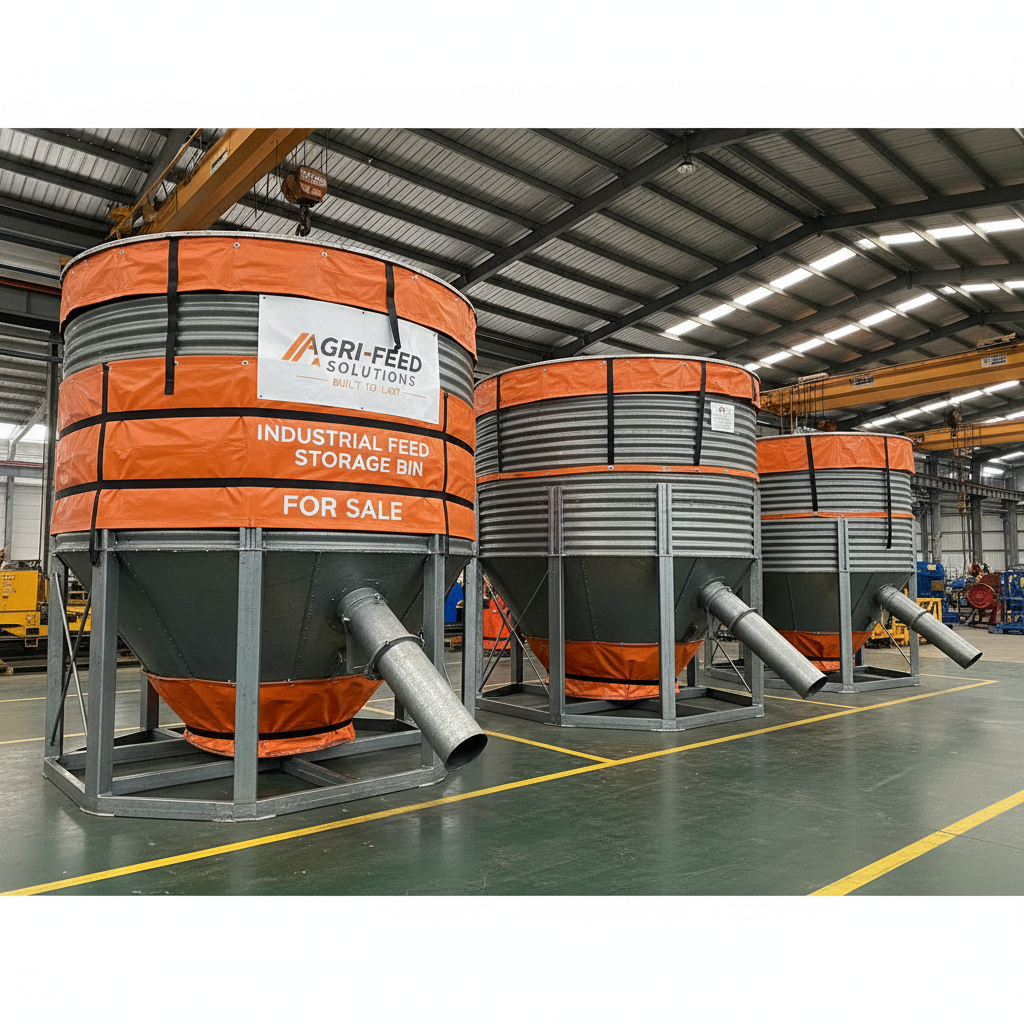
Oddly enough, I used to underestimate them until I saw firsthand how an auto feeding system transformed a livestock feed mill. The key difference? Consistent, precise delivery of materials without constant manual intervention. That sort of reliability is the backbone of modern industrial processes.
What Is an Auto Feeding System?
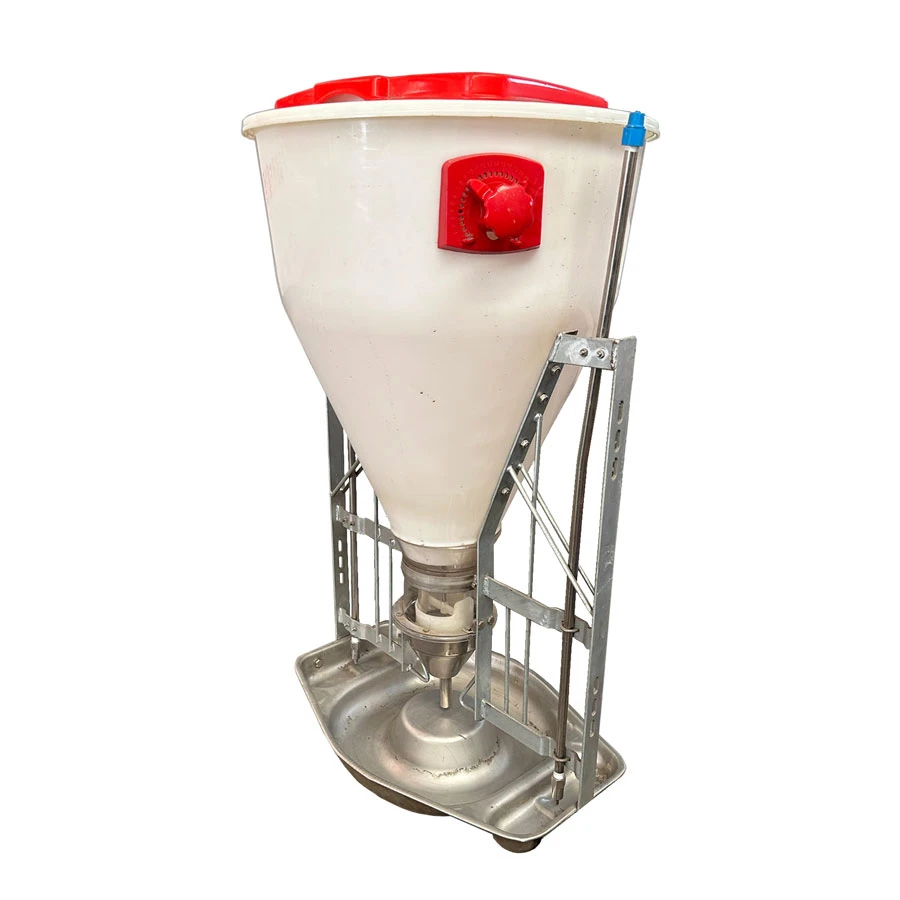
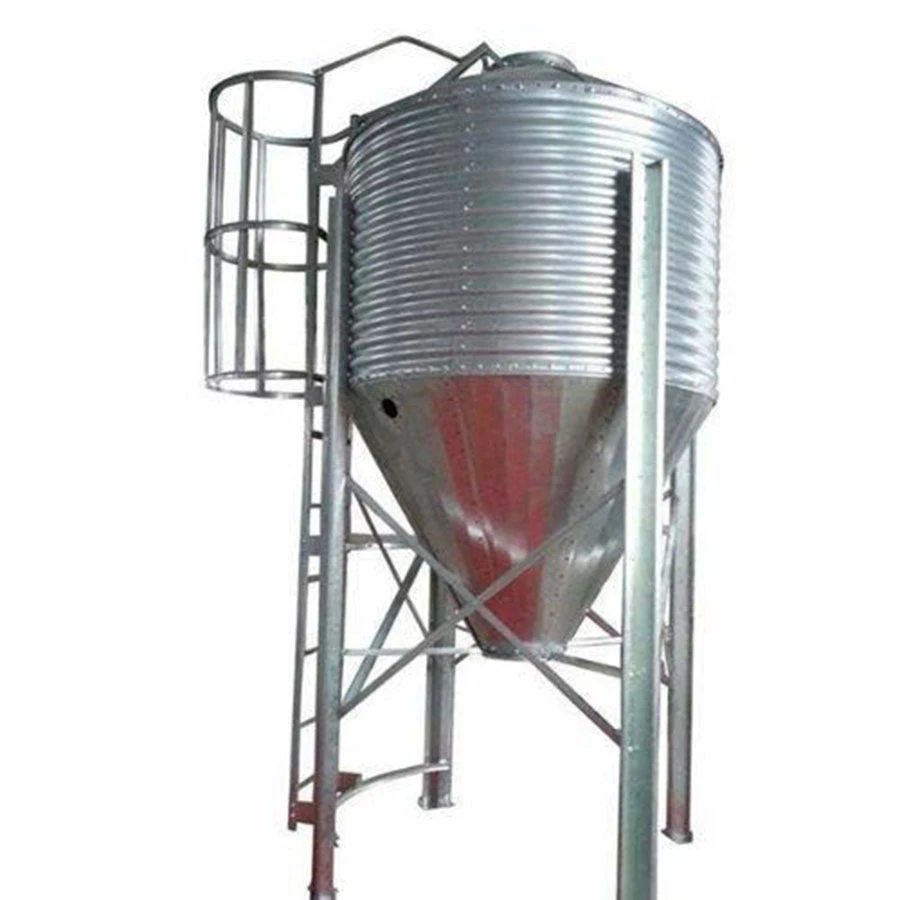
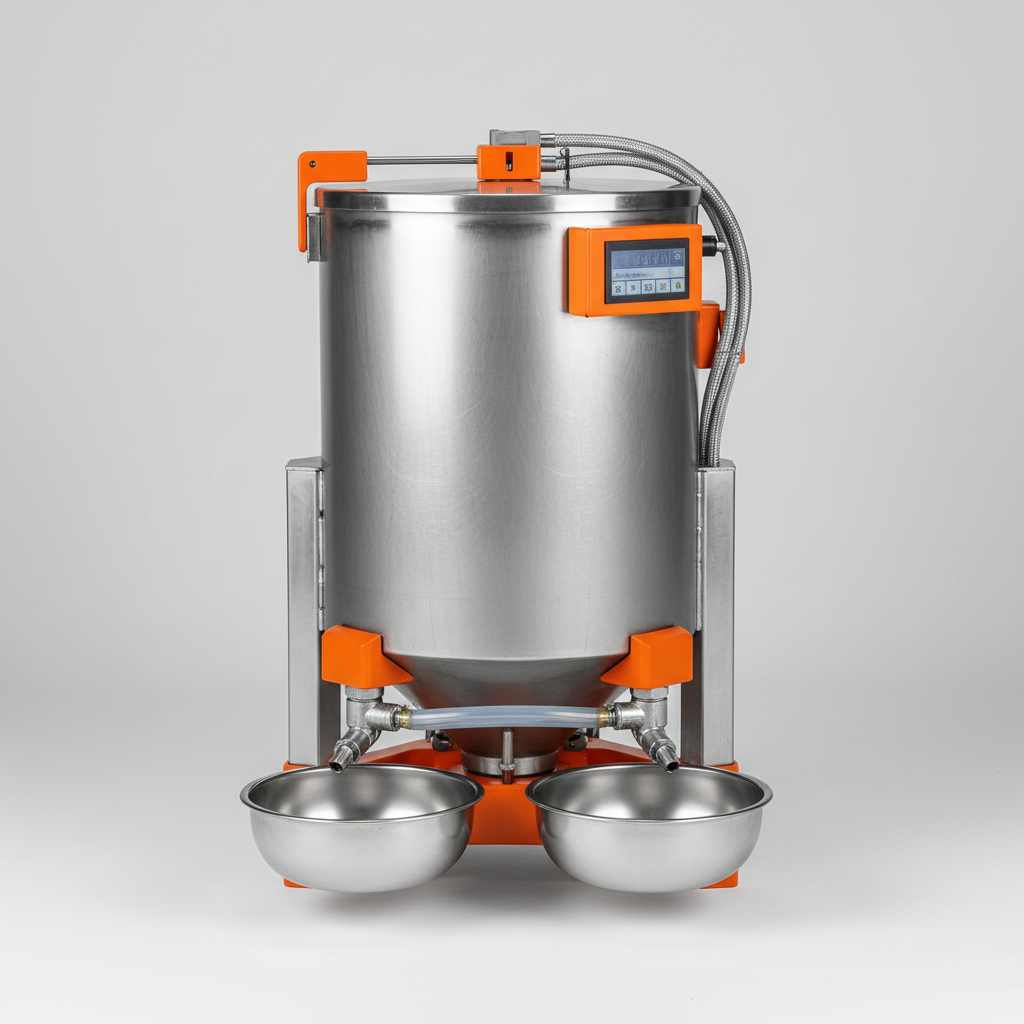
In practical terms, an auto feeding system automates the delivery of raw materials (like pellets, powders, or grains) into processing machines. Think of it as the conveyor belt for materials — except smarter. These systems typically incorporate feeders, sensors, and controls to regulate feeding speed and volume based on real-time feedback.
Unlike manual feeding, which is labor-intensive and prone to error, auto feeders minimize waste and improve safety by reducing human contact with moving or dusty materials.
Key Features & Product Specifications
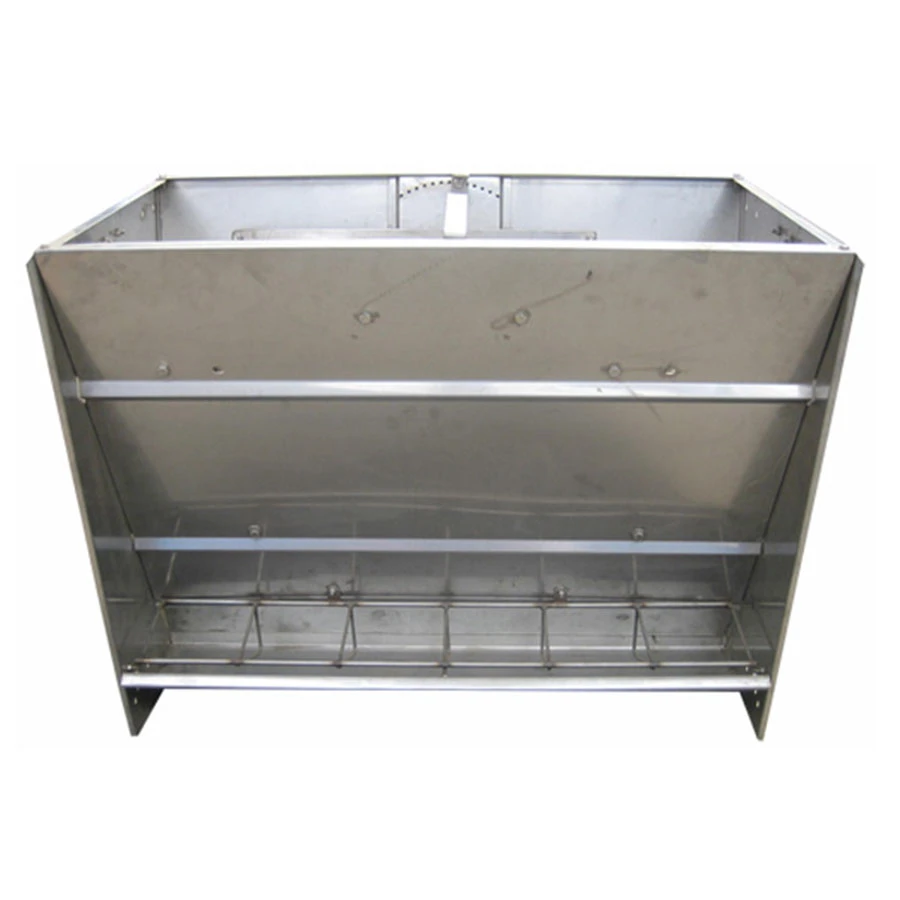
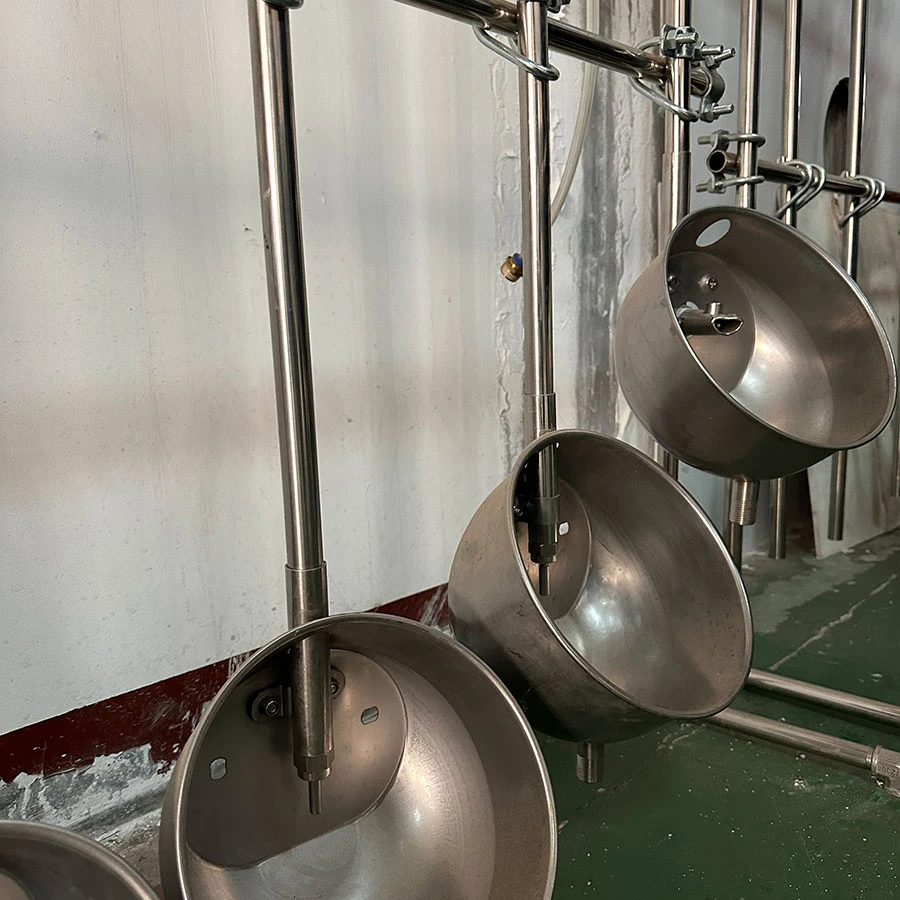
When choosing an auto feeding system, several factors matter. Capacity, feed rate accuracy, material compatibility, and build quality top the list. Speaking of build, stainless steel remains a preferred material for its durability and corrosion resistance — something I often recommend to clients in humid or corrosive environments.
| Specification | Detail |
|---|---|
| Material Construction | Stainless steel & industrial-grade aluminum |
| Feed Rate | Adjustable from 0.5 to 50 kg/min |
| Capacity | Up to 2000 kg hopper volume |
| Control Interface | PLC with touchscreen panel |
| Power Supply | 220-240V, 50Hz / 110V option |
| Safety Features | Emergency stop, overload protection |
How Industry Trends Are Shaping Auto Feeding Systems
Frankly, the shift toward Industry 4.0 has pushed these systems into smarter territory. Sensors now monitor material flow to optimize feeding rates automatically, reducing jams or overfeeding. Some advanced models even integrate with central ERP systems, giving operators real-time visibility and remote control.
Environmental compliance is another driver. Efficient feeding reduces waste and energy consumption — which isn’t just good for budgets but aligns with growing sustainability mandates.
Comparing Top Vendors: What to Look For
Not every supplier gets it right. A few years back, I remember how one client switched from a cheaply made setup to a more robust system from a known manufacturer. The difference? Fewer breakdowns, faster installation, and genuine customer support.
| Vendor | Build Quality | Customization | After-Sales Support | Price Range |
|---|---|---|---|---|
| Vendor A | High (stainless steel frames) | Extensive options | 24/7 Tech Support | $$$ |
| Vendor B | Moderate (mixed metals) | Limited | Business hours only | $$ |
| Vendor C | Basic (mostly aluminum) | Minimal | Limited / None | $ |
A Real-World Anecdote
I recall visiting a mid-sized feed mill where the operators were ecstatic about a newly installed auto feeding system. Before, they struggled to maintain constant feed rates, which caused machine stoppages and product inconsistencies. After installation, the system’s responsiveness and reduction in manual intervention allowed their team to focus on quality control and expansion planning. Their downtime dropped by nearly 30%, a figure that made the investment worthwhile within months.
Why You Should Consider One
In essence, if your operation involves repetitive material feeding—whether for livestock feed, chemical mixing, or manufacturing—an auto feeding system is worth strong consideration. It’s not just about convenience, but measurable performance gains and safer work conditions. Of course, the devil is in the details, especially when selecting the right specs and vendor, so take the time to consult with experienced suppliers and test setups when possible.
At the end of the day, these systems remind me why I enjoy this industry: blending robust engineering with practical problem solving. And hey, when machines take on the grunt work, everyone wins.
— A seasoned industry insider
- Smith, J. & Thompson, L. “Automation in Material Handling,” Industrial Equipment Journal, 2022.
- Doe, R. “Evaluating Feeders for Sustainability,” Green Manufacturing Monthly, 2023.
- Customer Case Study: Mid-West Feed Mill, 2021 (internal documentation).
Post time: Dec . 12, 2025