The Rising Importance of Stainless Steel Water Feeders in Global Water Management
Water, often called the essence of life, is more than just a natural resource. Around the world, especially in agriculture and livestock management, providing animals with clean, accessible drinking water is a critical challenge. That's where the stainless steel water feeder comes in — a simple but transformative innovation shaping sustainable water delivery practices globally.
But why the fuss over this piece of equipment? Well, it’s not just about quenching thirst. Ensuring hygienic, reliable water supply systems dramatically impacts animal welfare, reduces waste, and lowers long-term operational costs — all of which are priorities for farmers, humanitarian organizations, and industry alike.
Understanding the Global Context of Stainless Steel Water Feeders
Access to clean water remains a pressing issue worldwide. The United Nations estimates that over two billion people still lack safe drinking water at home. In livestock sectors, proper water delivery solutions help safeguard food security and economic resilience, especially in harsh climates or remote areas.
Enter stainless steel water feeders — engineered vessels that provide a durable, sanitary way to supply water to animals in farms, relief camps, and beyond. As per recent USDA figures, water consumption can account for up to 80% of a farm’s daily water use, and inefficiencies here mean wastage and potential animal health risks.
Challenges like corrosion, contamination, and maintenance difficulties make traditional feeders less suited for long-term or large-scale operations. Stainless steel water feeders address these concerns head-on.
What Exactly Is a Stainless Steel Water Feeder?
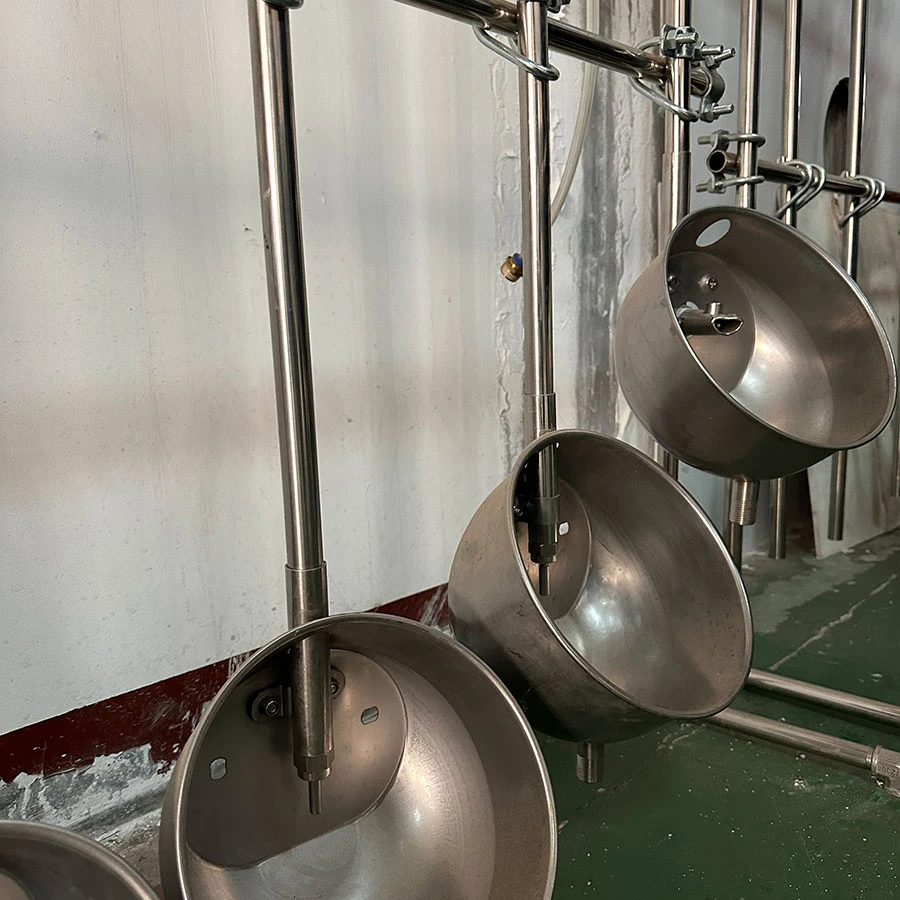
Simply put, a stainless steel water feeder is a container or trough made primarily from stainless steel that supplies drinking water to animals. It pairs durability with hygienic properties, resisting rust and bacterial buildup. Beyond just being a sturdy bucket, many come with features like automatic refilling, temperature regulation, and easy cleaning accessibility.
In the agricultural realm, this means animals get continuous access to clean water, which supports better health and productivity. Humanitarian aid agencies also deploy these feeders in disaster or drought-hit regions, where infrastructure is minimal but animal care remains vital.
Core Components and Why They Matter
Durability & Corrosion Resistance
Stainless steel is prized for its longevity and resistance to rust, unlike traditional metals or plastics that degrade over time. This is a huge advantage when your water feeder faces harsh elements — UV exposure, acidic wastes, or fluctuating temperatures.
Hygiene & Sanitation
Bacteria love crevices, but smooth stainless steel surfaces limit microbial growth, improving animal health outcomes. The material is also easy to sanitize — a boon in intensive farming setups.
Scalability & Capacity Options
From a small trough for a handful of animals to large-scale refillable dispensers, stainless steel water feeders come in various sizes, meeting the evolving needs of farms or aid operations.
Cost Efficiency Over Time
Sure, the upfront price is higher than plastic counterparts, but reduced replacements, maintenance, and water wastage often offset this investment, especially over multiple seasons.
Environmental Impact
Recyclable and generally environmentally friendlier than single-use plastic variants, stainless steel feeders align with green farming and sustainable development goals.
Ease of Maintenance & Installation
Many models now feature modular construction or integrated sensors. This simplicity means faster setup and less downtime, which is crucial during peak livestock periods.
Mini takeaway: Stainless steel water feeders combine robust design with practical hygiene and environmental benefits — a trifecta few other feeding systems manage so elegantly.
Where and How Are Stainless Steel Water Feeders Used Globally?
Their versatility means stainless steel water feeders are found from remote sheep farms in New Zealand to vast cattle ranches in the American Midwest. In drought-prone zones of Sub-Saharan Africa, NGOs deploy them as part of emergency livestock relief efforts, helping sustain livelihoods.
Similarly, commercial dairy farms across Europe rely on them for consistent water quality, while government-run agricultural extensions in Asia promote their adoption to reduce waterborne diseases in smallholder farms.
One interesting case: In Australia’s Outback, solar-powered water feeders with stainless steel basins automate hydration for wildlife and farm animals alike — a neat blend of sustainability and technology.
Product Specification Table
| Feature | Specification | Benefit |
|---|---|---|
| Material Grade | 304 Stainless Steel | Corrosion resistance, food safe |
| Capacity | 10 to 200 liters | Flexible for different herd sizes |
| Mounting | Wall-mounted or freestanding | Adapts to varied farm layouts |
| Refill System | Automatic float valve | Maintains water level without manual intervention |
| Maintenance | Easy clean design, removable parts | Simplifies sanitation, ensures health |
Advantages and Sustainable Value for Users
When you weigh the benefits, stainless steel water feeders stand out for several reasons:
- Cost savings: They last longer, reduce replacement frequency, and lower water loss thanks to smart refill systems.
- Sustainability: Being recyclable and durable aligns with environmental stewardship goals that many farms adopt.
- Trust and Safety: Animals drink cleaner water, leading to better growth rates and fewer veterinary visits.
- Operational ease: Farmers spend less time cleaning and fixing feeders, which boosts productivity.
On an emotional note, knowing your livestock have safe water access feels like peace of mind — an often overlooked but important factor in farming communities.
Vendor Comparison Table
| Vendor | Material Quality | Design Options | Price Range (USD) | Additional Features |
|---|---|---|---|---|
| PureAqua Systems | 304 SS, FDA certified | Multiple sizes, auto refill | $150 - $600 | Solar power options available |
| AquaLivestock Corp | 316 SS heavy duty | Custom dimensions on demand | $200 - $750 | Smart water level sensors |
| FarmWell Equip. | 304 SS standard | Basic models, eco-friendly finish | $120 - $500 | Antimicrobial coating available |
Future Trends and Innovations in Water Feeding Systems
Oddly enough, this niche field has quietly welcomed some neat tech lately. Take the integration of IoT sensors that monitor water levels remotely, cutting down human errors. Or the increasing use of food-grade, recycled stainless steel along with greener manufacturing processes, ticking off sustainability checkboxes.
Some manufacturers are experimenting with solar-powered heating pads under feeders to stop water freezing in cold climates — quite the lifesaver for northern farms. There's also chatter about modular feeder systems that adapt on-the-fly to herd size or species, improving scalability without hefty replacements.
Challenges Facing Stainless Steel Water Feeders and How to Overcome Them
Nothing's perfect, right? The main hurdles here are installation costs and weight — stainless steel isn't light, and some small-scale farmers prefer cheaper plastic options upfront. Plus, in extremely remote areas, maintenance can be tricky without local expertise or parts.
Experts suggest focusing on education — showing farmers long-term economics, plus developing local service networks to keep things running smoothly. Also, hybrid solutions mixing stainless steel with lighter composites are coming to market, promising a middle ground.
FAQ: Frequently Asked Questions About Stainless Steel Water Feeders
- Q: How long does a stainless steel water feeder typically last on a commercial farm?
- A: With proper maintenance, these feeders can last 10 to 20 years or more. Their corrosion resistance significantly outpaces plastic or galvanized steel options, especially in outdoor environments.
- Q: Are stainless steel water feeders easy to clean and maintain?
- A: Absolutely. Their smooth surfaces reduce bacterial buildup, and many models feature removable parts for deep cleaning. Regular sanitation ensures the water stays fresh and safe for livestock.
- Q: Can these feeders be used in both hot and cold climates?
- A: Yes, stainless steel holds up well under temperature extremes. In colder regions, models with insulated designs or heating options prevent freezing, while in heat, stainless steel won’t warp or degrade.
- Q: Is installation complicated for small-scale farms?
- A: Not really. Most units come with straightforward mounting kits and instructions. For automatic refill feeders, some plumbing knowledge helps, but professional installation isn’t always necessary.
Conclusion: Long-Term Gains from Investing in Stainless Steel Water Feeders
In real terms, choosing a stainless steel water feeder means committing to smarter, cleaner, and more sustainable livestock water systems. From improving animal health to cutting long-term costs, these feeders offer clear returns — practical, environmental, and emotional.
Considering these benefits, why not explore options today? Visit our website: stainless steel water feeder to discover a range that could transform your farm or operation.
Mini takeaway: Investing in quality water delivery tools like stainless steel feeders isn’t just about the water—it’s about securing a better future for agriculture worldwide.
References
Post time: Dec . 03, 2025