Understanding Slotted Floor for Poultry: Why It Matters Worldwide
When you first hear the term slotted floor for poultry, it might not exactly spark excitement — but trust me, it’s one of those behind-the-scenes innovations quietly transforming poultry farming worldwide. Essentially, these floors help manage waste efficiently, keeping birds cleaner and healthier, which in turn boosts productivity and welfare.
Globally, poultry farming remains a backbone for food security, especially in developing nations, while large-scale operations in advanced economies continually refine their housing systems for better sustainability. Understanding slotted floors isn’t just an industry niche; it’s a key to healthier livestock, reduced environmental impact, and to topping the game in food safety and animal welfare.
Global Importance and Industry Challenges
To put it in perspective, the UN’s Food and Agriculture Organization estimates that over 70 billion chickens were produced worldwide in 2022. That’s a heck of a lot of manure — literally. Handling poultry waste effectively is a massive challenge, particularly because poor management leads to ammonia build-up, disease outbreaks, and pollutes water systems.
Slotted floors help address this by allowing waste to fall through gaps, separating it from the birds themselves. Yet, many farms either can’t afford or don’t know how to implement this technology. Plus, factors like climate, breed differences, and farm scale complicate the design and deployment of these floors.
What Exactly is a Slotted Floor for Poultry?
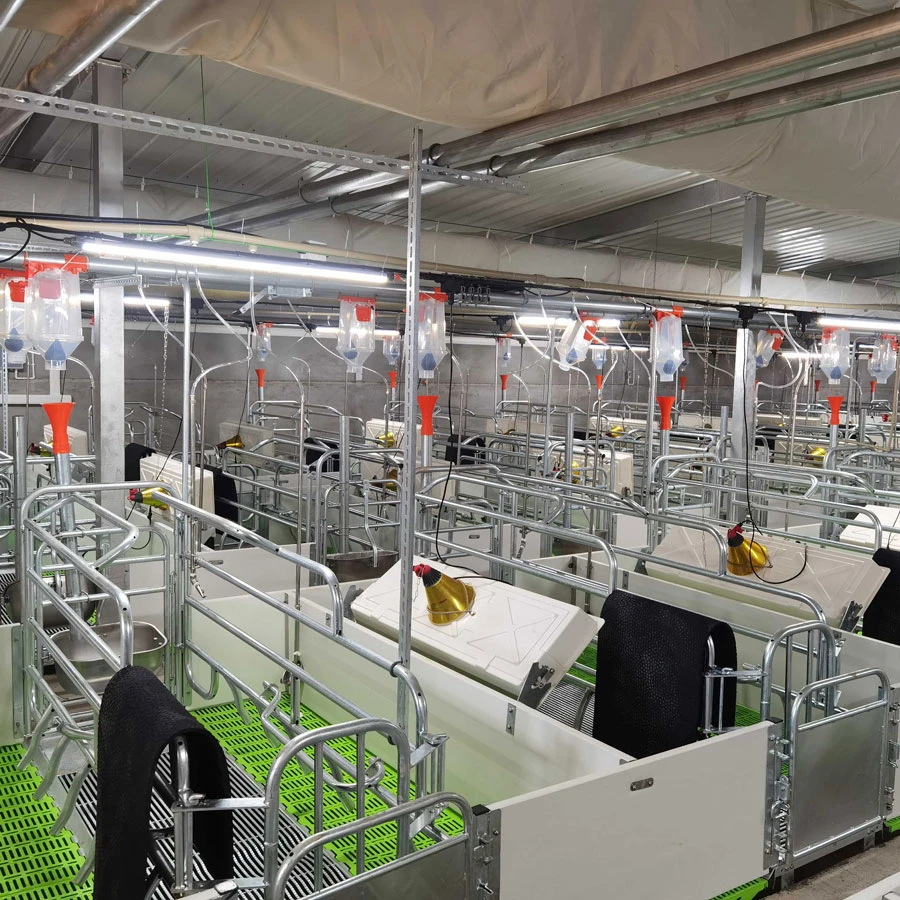
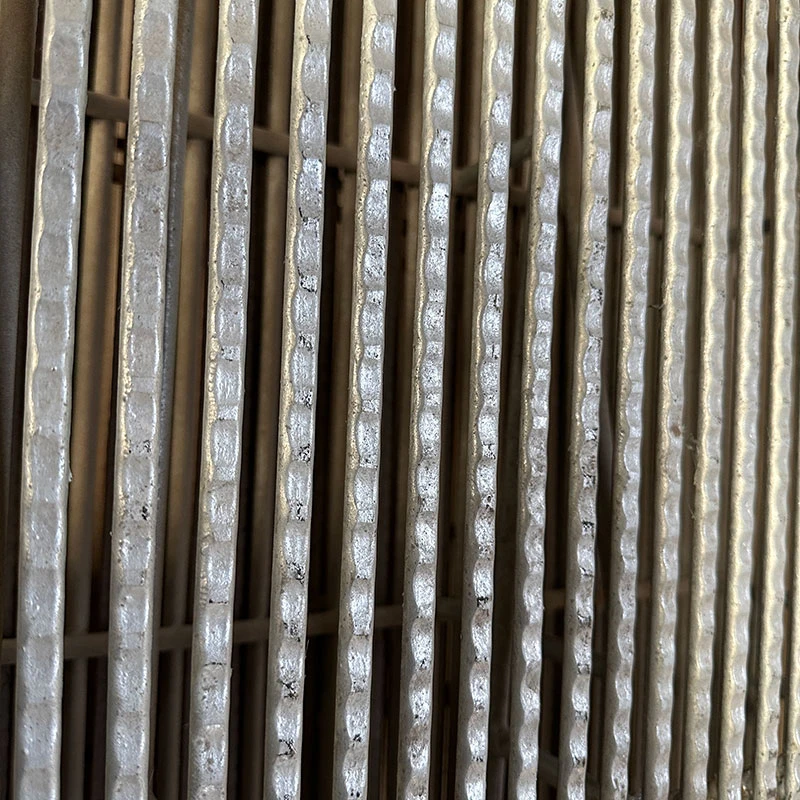
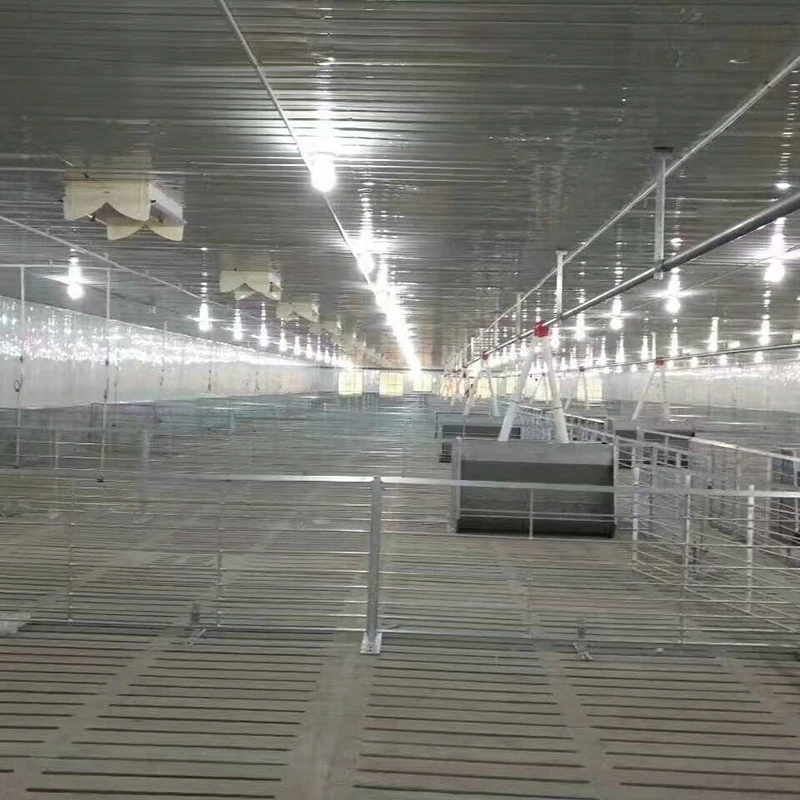
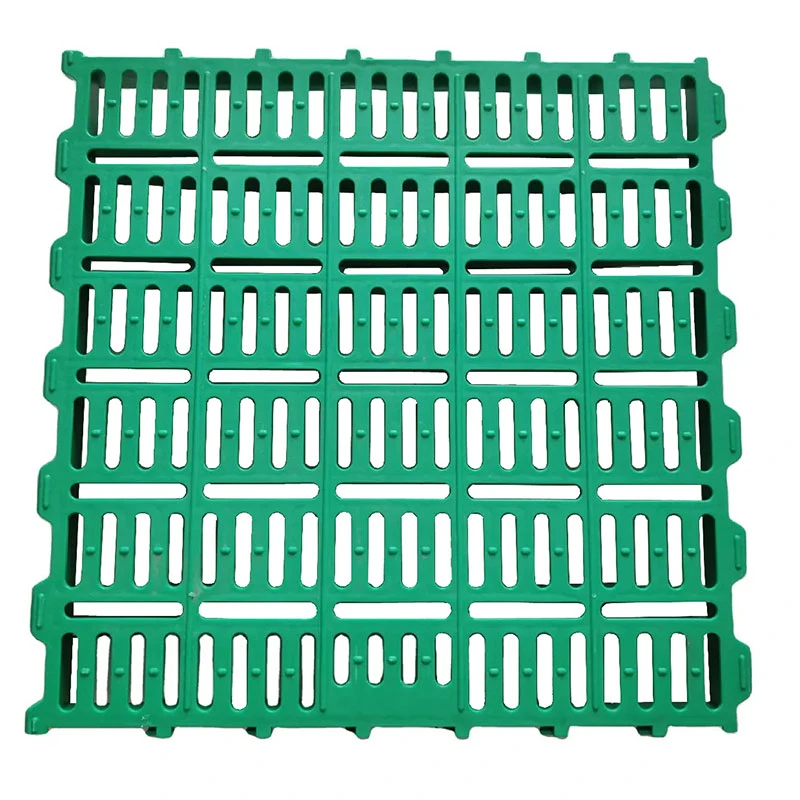
Simply put, a slotted floor is a poultry housing floor designed with narrow gaps or slots that lets droppings drop through, removing them from direct contact with the birds. Unlike solid floors, they reduce moisture, minimize pathogen exposure, and aid in cleaner air quality inside poultry houses. They’re a cornerstone feature in many broiler and layer housing systems, especially those aiming for biosecurity and efficiency.
This concept ties into modern demands: higher production, animal welfare regulations, and environmental sustainability targets. Think of it as one piece in the puzzle of industrial-scale poultry comfort and productivity.
Key Features of Slotted Floors
Durability
These floors are often made from tough materials like reinforced plastic or galvanized steel. Durability is crucial because they have to withstand constant bird movement, cleaning operations, and harsh environmental conditions. Engineers often test floors for wear resistance and chemical corrosion, ensuring a lifespan that matches the farm’s operational cycles.
Slip Resistance and Comfort
Oddly enough, the slots have to be just right — wide enough to let waste fall through, but narrow and textured enough to prevent chickens from slipping or injuring their feet. Many developers incorporate textured surfaces or rubberized coatings to enhance grip without hurting the birds.
Scalability and Modularity
Whether you’re running a humble backyard coop or an industrial-scale poultry farm with tens of thousands of birds, slotted floors must scale. Modular panels make installation easier and replacement cheaper. Some systems offer adjustable slot widths or panels designed for various bird ages, which can be a huge advantage in multi-stage production setups.
Cost Efficiency
While the upfront price can be higher than traditional solid floors, the long-term savings on labor, bedding material, and health costs generally offset this. Many farmers report fewer respiratory issues in birds and easier cleanup, reducing the frequency and intensity of deep cleaning cycles.
Mini takeaways: Slotted floors pack value in durability, scalability, and bird comfort — but the real magic is in how they make poultry operations cleaner, healthier, and more sustainable.
Where in the World Are They Making a Difference?
These floors are popular in Europe and North America, where stringent animal welfare standards and environmental regulations push for better housing solutions. In Asia, especially China and India, slotted floors gain traction in emerging commercial poultry farms aiming for export-quality meat and eggs.
Even organizations like the FAO promote these floors in post-disaster or low-resource settings. For example, after a flood or earthquake, temporary poultry shelters fitted with slotted floors help prevent disease outbreaks by managing waste more effectively — that kind of practical impact can’t be overstated.
Some remote industrial zones with limited labor pools also find these floors valuable, as they drastically cut down the time and manpower needed for cleaning.
Advantages: More Than Just Cleaner Floors
- Healthier Birds: Less contact with droppings means less disease and better growth rates.
- Environmental Impact: Efficient waste separation means less ammonia released into the air.
- Labor Savings: Farms spend less time and money on cleaning and bedding replacement.
- Improved Product Quality: Cleaner birds result in higher-quality meat and eggs.
- Animal Welfare Compliance: Supports modern welfare standards, enhancing farm marketability.
On a less tangible level, farmers often speak about the peace of mind that comes with knowing their birds live in a less soiled, more hygienic environment. There’s something about a clean barn that boosts confidence — in the product, the process, and the sustainability of the whole operation.
Looking Ahead: Innovations & Emerging Trends
The future is bright for slotted floors, partly thanks to advances in materials science. For instance, bio-based composites and recycled plastics offer environmental promise. Sensors embedded in floors can monitor moisture levels or ammonia buildup in real-time, linking to automated ventilation systems.
Also, 3D printing and modular customization mean farmers can tailor floors for very specific breeds or farm conditions. This kind of digital transformation is slow but noticeable — not just a shiny tech gimmick but something improving day-to-day management.
Sustainability-oriented policies worldwide are increasingly rewarding farms that reduce pollution — slotted flooring is becoming a recognized best practice within these regulatory frameworks.
Common Challenges and Practical Solutions
Despite their benefits, slotted floors aren’t a “set it and forget it” fix. Challenges include:
- Cleaning Difficulties: Slot clogs from litter or feathers can happen without regular maintenance.
- Animal Adaptability: Some breeds need time to adjust, especially chicks or delicate layers.
- Installation Costs: Particularly prohibitive for smaller farms or developing regions.
- Material Wear: Poor-quality floors degrade faster, negating benefits.
Experts recommend comprehensive training for farm staff, choosing floors tailored to bird type, and periodic system checks. Combining slotted floors with good ventilation and appropriate bedding amplifies their positive effects.
Product Specification: Sample Slotted Floor Panel
| Specification | Details |
|---|---|
| Material | Reinforced polypropylene with UV stabilizers |
| Dimensions | 120 cm x 60 cm x 3 cm |
| Slot Width | 12 mm (adjustable modular panels available) |
| Weight | 5.5 kg per panel |
| Lifespan | Up to 8 years with proper maintenance |
Slotted Floor for Poultry: Vendor Comparison
| Vendor | Material | Slot Options | Price Range | Extra Features |
|---|---|---|---|---|
| FarmFloors Inc. | Galvanized Steel | 10-15 mm | $$$ | Anti-slip coating, custom layouts |
| EcoSlot Solutions | Recycled Plastic Composite | 12 mm fixed | $$ | UV resistant, lightweight panels |
| PoultryTech Ltd. | Reinforced Polypropylene | Adjustable 8-14 mm | $$$ | Sensor integration available |
Frequently Asked Questions About Slotted Floor for Poultry
1. How does a slotted floor improve poultry health?
By allowing droppings to fall through, slotted floors reduce bird contact with waste and moisture, minimizing diseases like respiratory infections and foot problems. This cleaner environment leads to better growth and welfare.
2. Are slotted floors suitable for all types of poultry?
Generally yes, but slot width and floor material should be matched to the bird age and species. For example, chicks require narrower slots and gentler surfaces compared to adult broilers.
3. What maintenance do slotted floors require?
Regular cleaning to prevent slot clogging, periodic inspections for wear, and occasional surface treatments or replacements ensure longevity and hygiene.
4. Can slotted floors be installed in existing poultry houses?
Often yes, especially if modular panels are used. However, installation complexity and cost vary depending on the current floor type and barn structure.
5. How do slotted floors help with environmental sustainability?
They improve waste management by separating manure efficiently, reducing ammonia emissions, and enabling easier collection for composting or bioenergy conversion.
Wrapping Up: Better Floors, Better Farming
In the grand scheme, adopting a slotted floor for poultry is more than just swapping flooring — it’s a leap towards sustainable, humane, and efficient poultry farming. Whether you’re a smallholder looking to improve conditions or managing a large-scale operation balancing welfare and economics, slotted floors offer clear, tangible advantages.
Want to dive deeper or explore tailored solutions? Visit our website: slotted floor for poultry and see what modern poultry housing can really look like.
Mini takeaway: Investing in modern flooring pays dividends in health, environmental care, and productivity — a win-win for farmers and poultry alike.
References
Post time: Dec . 02, 2025