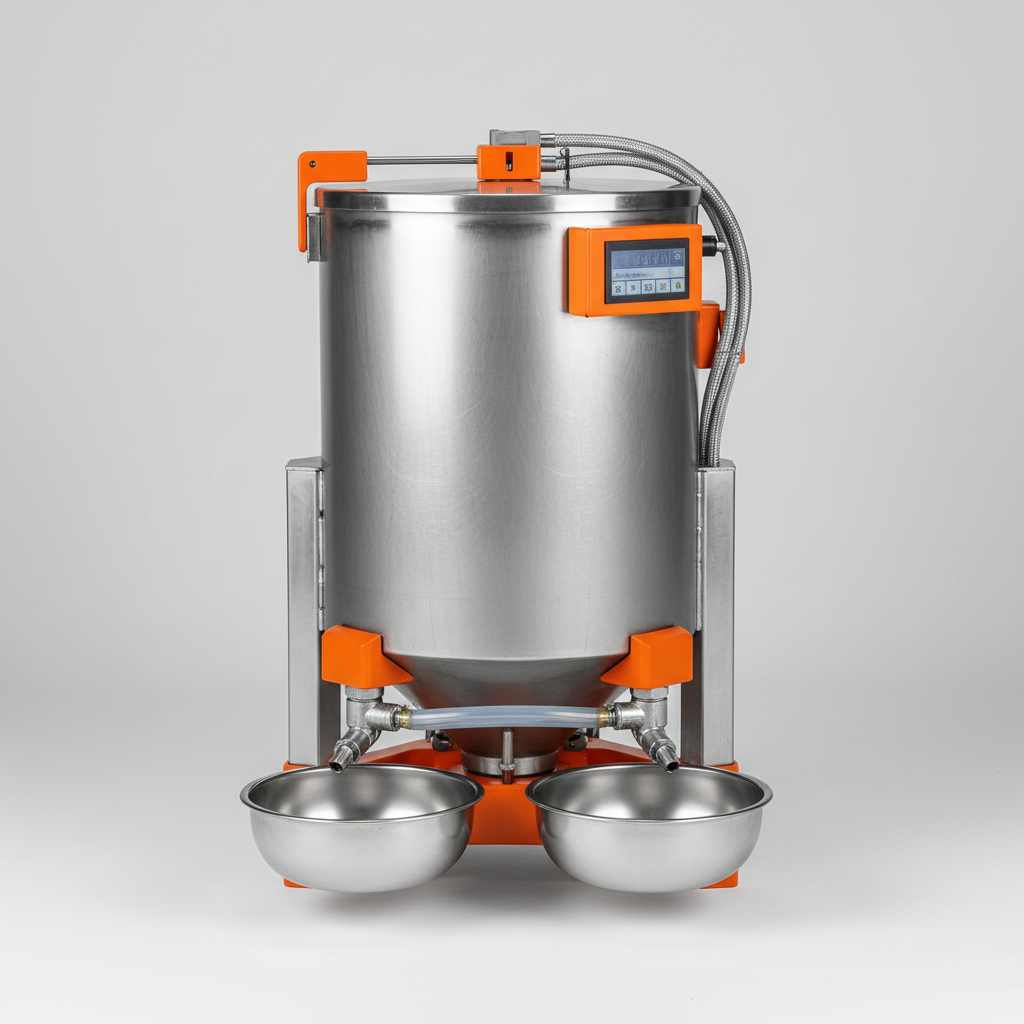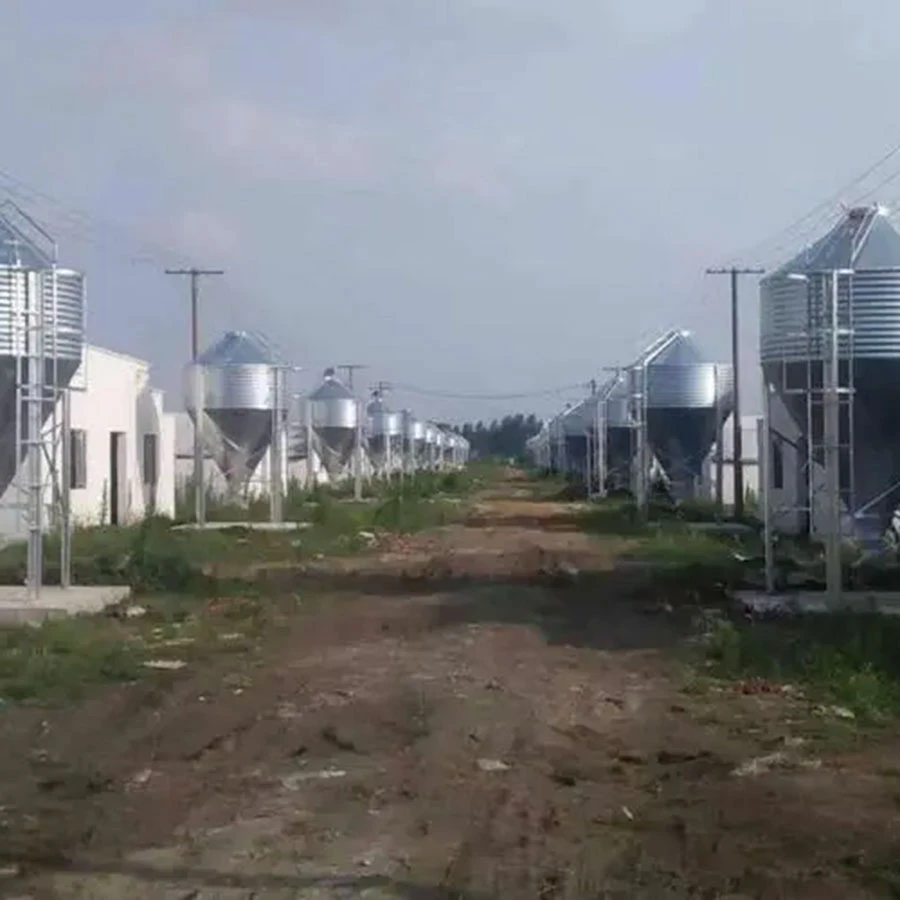
Understanding What Is a Gestation Crate for Pigs and Why It Matters
When it comes to modern farming, especially pig farming, the phrase “what is a gestation crate for pigs” often surfaces. At first glance, it might sound like a niche farming term, but it represents a critical component in the global pork production industry, influencing animal welfare debates, farm productivity, and even consumer purchasing decisions worldwide.
Understanding gestation crates isn’t just about knowing a piece of hardware; it’s about recognizing the intersection of agriculture, ethics, and economics on a global scale. From improving pig health to shaping sustainability practices, the role of gestation crates resonates far beyond the barn doors.
Mini takeaway: Grasping what a gestation crate is unlocks insight into a controversial but fundamental aspect of modern pig farming that impacts food supply, welfare standards, and environmental concerns worldwide.
Global Context: Why Gestation Crates Are Relevant in Today’s Agri-Industry
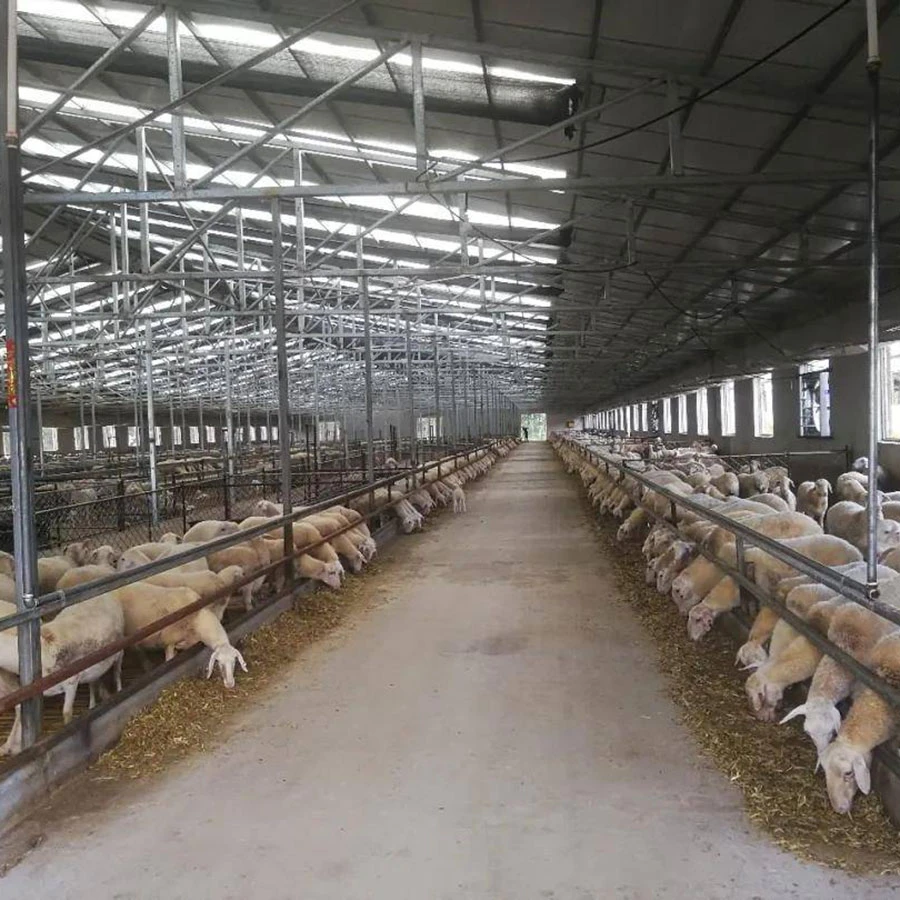
Globally, pork is the most widely consumed meat, accounting for roughly 36% of all meat consumption, according to the Food and Agriculture Organization (FAO). The industrialization of pig farming has played a massive role in meeting this demand, with gestation crates becoming a common part of production systems, especially in high-density farming regions like China, the USA, and parts of Europe.
However, the rise in intensive pig farming has triggered questions about animal welfare, sustainability, and farm efficiency. The crux of the issue? How to balance the need for efficient pig reproduction with humane treatment. That’s where the gestation crate debate unfolds, supported by data from the ISO standards and live farming audits.
I often think of this as a puzzle of competing priorities — productivity, ethics, regulation. Knowing what a gestation crate is helps understand that puzzle’s pieces.
Defining the Gestation Crate for Pigs
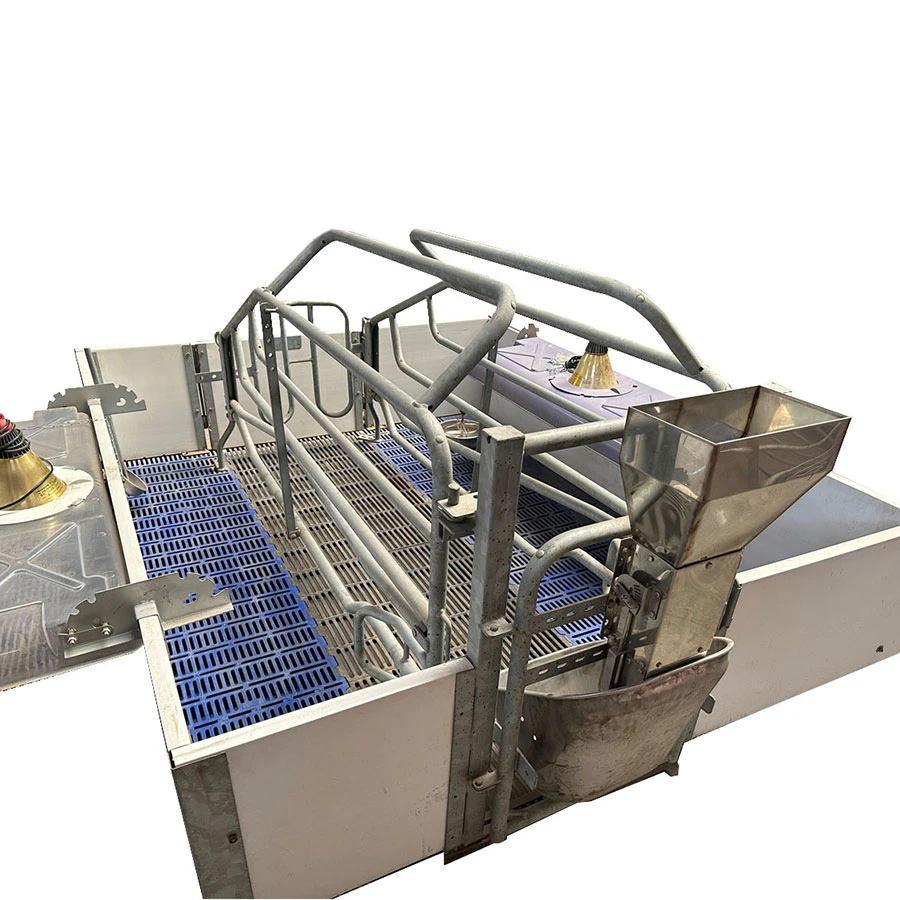
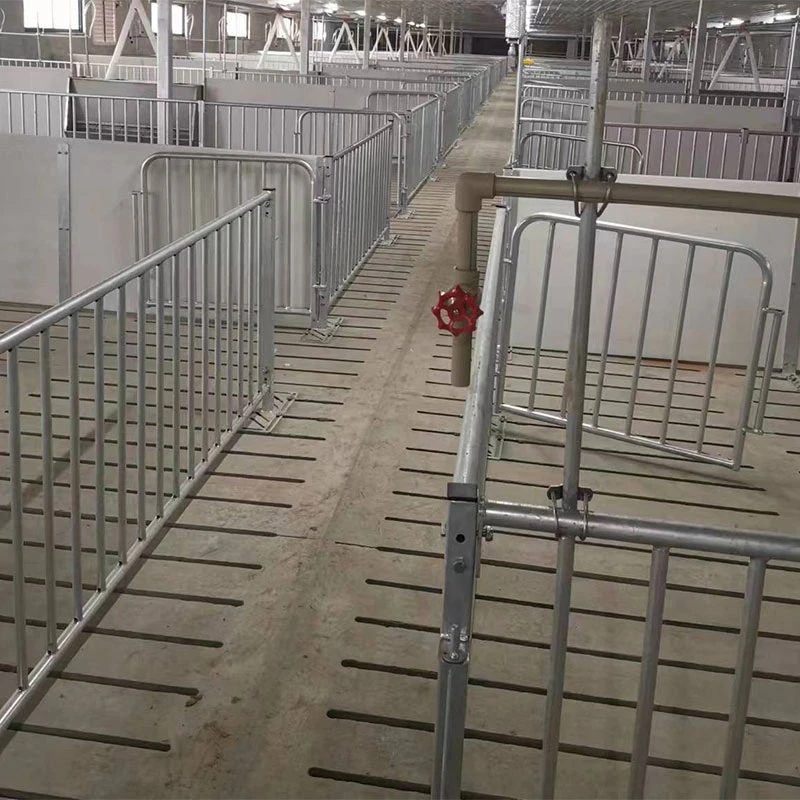
So, what exactly is a gestation crate for pigs? In simple terms, it’s a metal enclosure designed to house a pregnant sow during her approximately 114-day gestation period. The crate typically restricts the sow’s movement to prevent aggression between animals and to protect both the mother and her unborn piglets.
On the surface, it’s a pragmatic tool used to improve breeding management, control feeding, and clinically monitor the health of pregnant sows in industrial pig farming operations. But it also raises questions about space allowance, sow comfort, and animal rights, especially as farming evolves.
Many see it as a symbol of modern intensive agriculture — an attempt to mechanize and optimize the reproduction cycle but not without costs.
Core Aspects of Gestation Crates That Influence Farming Practice
1. Durability and Material Quality
Gestation crates need to withstand constant wear from sows, cleaning processes, and farm equipment. Most are constructed from galvanized steel for rust resistance and longevity. I’ve noticed farms upgrading materials to lighter alloys, improving both durability and ease of maintenance.
2. Space and Movement Restrictions
The classic gestation crate confines the sow tightly, just enough to stand up or lie down but not turn around. This design aims to prevent fights and injuries but also sparks welfare concerns. New designs seek to add more space while still maintaining herd safety—a tricky balance in practice.
3. Environmental Control
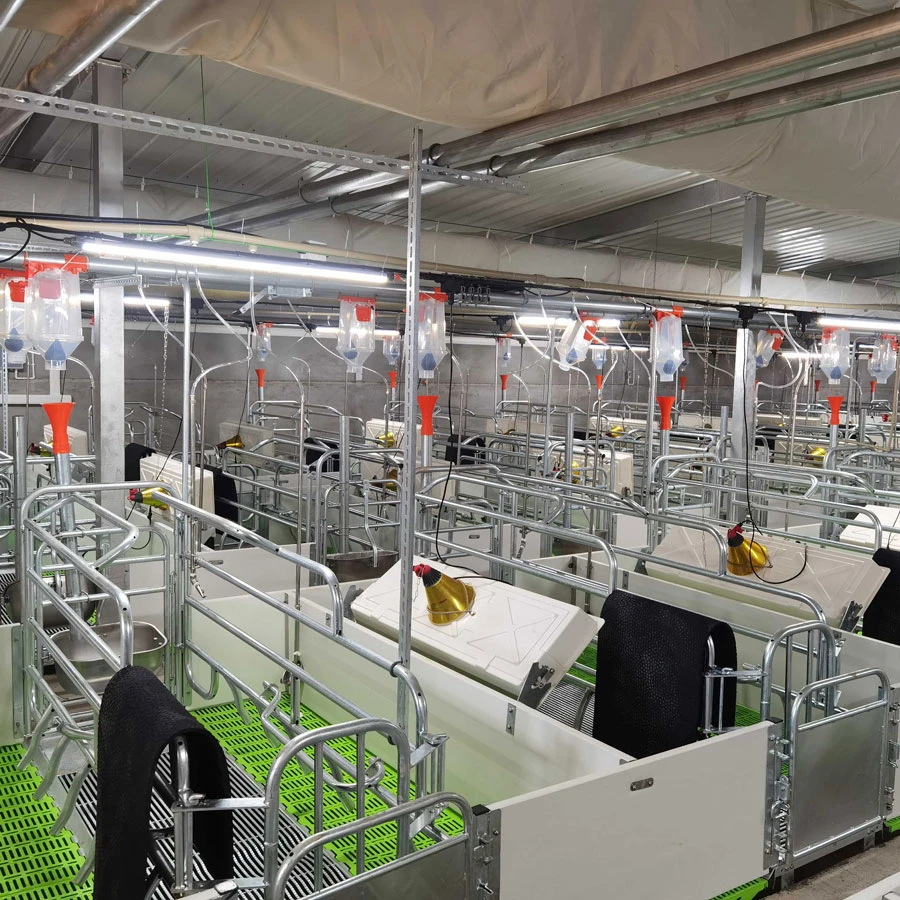
Good crates integrate with barn climate control systems to manage air flow, temperature, and waste removal. Sows are sensitive to heat stress, so this feature directly affects their well-being and reproductive success.
4. Cost Efficiency
From the farmer’s perspective, gestation crates reduce labor by limiting sow movement, making feeding and monitoring more efficient. Yet, the cost and ethical scrutiny push toward alternatives, meaning long-term ROI depends not just on price but public and regulatory acceptance.
5. Scalability and Compatibility
Whether you have a mid-sized farm or a massive commercial operation, the crate design should fit existing infrastructure. Modular setups and adjustable frameworks are trending here, simplifying upgrades or expansions.
Mini takeaway: Gestation crates are more than just metal boxes — their design must address durability, animal welfare, environmental control, and economic viability simultaneously to serve modern farming.
Real-World Use Cases: From Intensive Farms to Welfare-Focused Alternatives
In the US, gestation crates have been standard in many pig farms for decades, although states like California banned them in 2019, reflecting growing welfare concerns. Meanwhile, countries like Denmark are shifting toward group housing systems but still use crates selectively during early and late pregnancy.
In Asia and parts of South America, gestation crates support massive pork industries, helping meet urban demand but also facing increasing scrutiny. Some organic and free-range farms reject crates entirely, opting for open or group housing to improve sow mobility and socialization.
You’ll also find gestation crates employed in research farms focused on studying reproductive health and nutrition outcomes — a more controlled environment that aids data collection.
Advantages and Long-Term Value of Gestation Crates
Oddly enough, despite the controversy, gestation crates do deliver tangible benefits:
- Improved Reproductive Success: Minimized aggression reduces injury risk and miscarriage.
- Easy Management: Monitoring and feeding sows individually leads to better nutrition control.
- Biosecurity: Restricting sow movement helps contain disease spread.
- Predictability: Facilitates scheduled breeding, improving farm output consistency.
Yet, at the heart of benefits lies a tension — between efficiency and sow dignity. Advocates argue for evolution rather than elimination, focusing on crate redesign and electric-powered moving systems that can improve comfort without sacrificing control.
Future Trends: Innovations Reshaping the Gestation Crate Landscape
The future? It feels like a hybrid of technology, material science, and evolving ethics. Some farms are piloting smart pens equipped with sensors that monitor sow movement, health variables, and stress indicators in real-time, feeding data into AI to optimize care.
Eco-friendly materials like recycled plastics or bamboo-infused composites are being tested for crate panels — these aim to reduce carbon footprint without compromising strength.
Policy-wise, we’re seeing gradual moves by governments and global bodies to set higher welfare standards, which means manufacturers must innovate toward more spacious, comfortable crate systems, or alternative group housing technologies.
Challenges Today and How Experts Suggest Overcoming Them
One major challenge is animal welfare criticism, leading to bans and consumer pushback. Farmers often feel caught between regulatory pressures and economic realities. Plus, switching to alternative housing requires capital and know-how.
Experts from veterinary science, animal behavior, and engineering recommend:
- Ergonomic design tweaks to increase comfort while maintaining separation.
- Phased transition plans that combine crates with group pens.
- Training programs for farm staff to manage new systems effectively.
- Stakeholder dialogue involving farmers, retailers, and consumers to ensure transparency and trust.
Frequently Asked Questions about What Is a Gestation Crate for Pigs
Q: Why are gestation crates used instead of group housing for sows?
A: Gestation crates help prevent aggression and injury among pregnant sows, enabling individual feeding and health monitoring. However, group housing allows more movement and social interaction but requires careful management to avoid fights.
Q: Are gestation crates legal everywhere?
A: No. Legislation varies by country and state. For example, California and the EU have strict rules or bans, while many countries still permit them under regulated conditions.
Q: How do gestation crates affect sow welfare?
A: They restrict movement, which can cause stress and physical issues like muscle atrophy. New designs and alternatives seek to improve welfare while maintaining farm benefits.
Q: Can gestation crates be eco-friendly?
A: Traditional steel crates have a carbon footprint, but innovations with recycled or alternative materials and longer lifespan designs aim to reduce environmental impact.
Q: Where can I learn more about animal welfare standards related to gestation crates?
A: Credible sources include the ISO Animal Welfare Technical Committee and organizations like the World Animal Protection.
Product Specification Table: Typical Gestation Crate Features
| Feature | Specification | Notes |
|---|---|---|
| Dimensions | 2.1 m L × 0.6 m W × 1.2 m H | Fits sow size to restrict turning |
| Material | Galvanized steel | Rust-resistant coating |
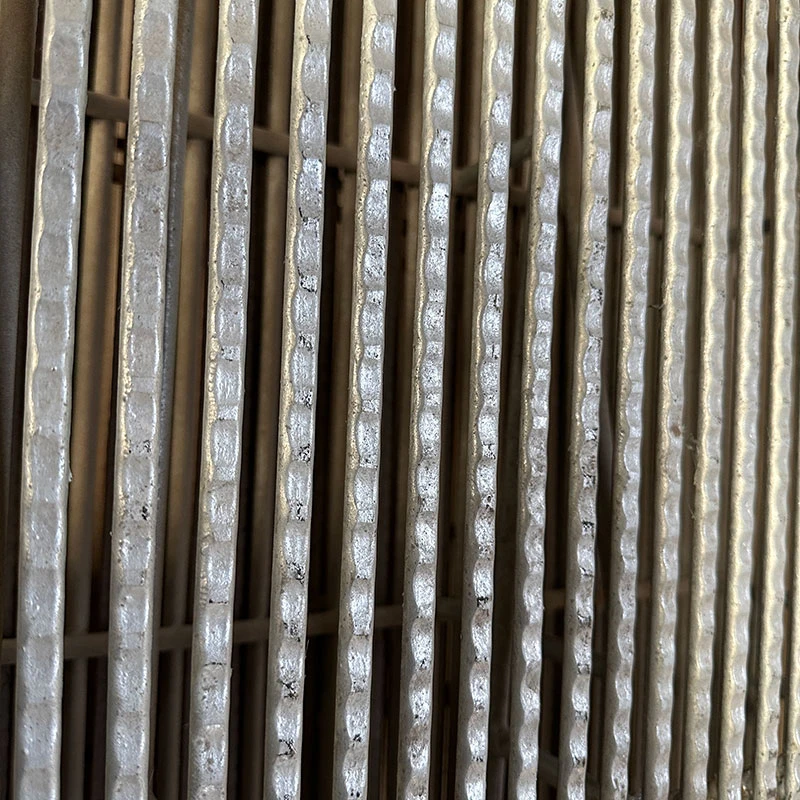
| Flooring | Slatted concrete or metal | Waste management integration |
| Weight Capacity | Up to 300 kg | Supports sows through gestation |
| Modularity | Yes, modular panels | Allows easy expansion or repair |
Vendor Comparison of Popular Gestation Crate Suppliers
| Supplier | Material Quality | Customization Options | Pricing (USD/unit) | Delivery Time |
|---|---|---|---|---|
| AgriCrate Systems | High-grade galvanized steel | Size, flooring, coatings | $180–220 | 4–6 weeks |
| FarmEquip Plus | Standard steel with paint | Limited | $140–170 | 3–5 weeks |
| GreenWelfare Pens | Recycled composite materials | Ergonomic and eco-friendly options | $200–250 | 6–8 weeks |
Wrapping Up: Why Knowing About Gestation Crates Matters
Understanding what is a gestation crate for pigs is more than industry jargon — it is a window into the ever-evolving dialogue between farming efficiency, animal welfare, and sustainability. While the crates serve important roles in modern pig reproduction management, the future will be shaped by innovation, ethics, and global standards pushing toward better solutions.
Farmers, consumers, and policymakers all have a stake in this. So next time you hear the phrase, you’ll see the full picture — a mix of engineering, biology, economics, and, frankly, a bit of humanity.
For more in-depth resources, and if you want to explore alternatives or providers, visit our website at CX Livestock Solutions.
References:
Post time: Dec . 02, 2025