Understanding Cattle Headlock Prices: What They Are and Why They Matter
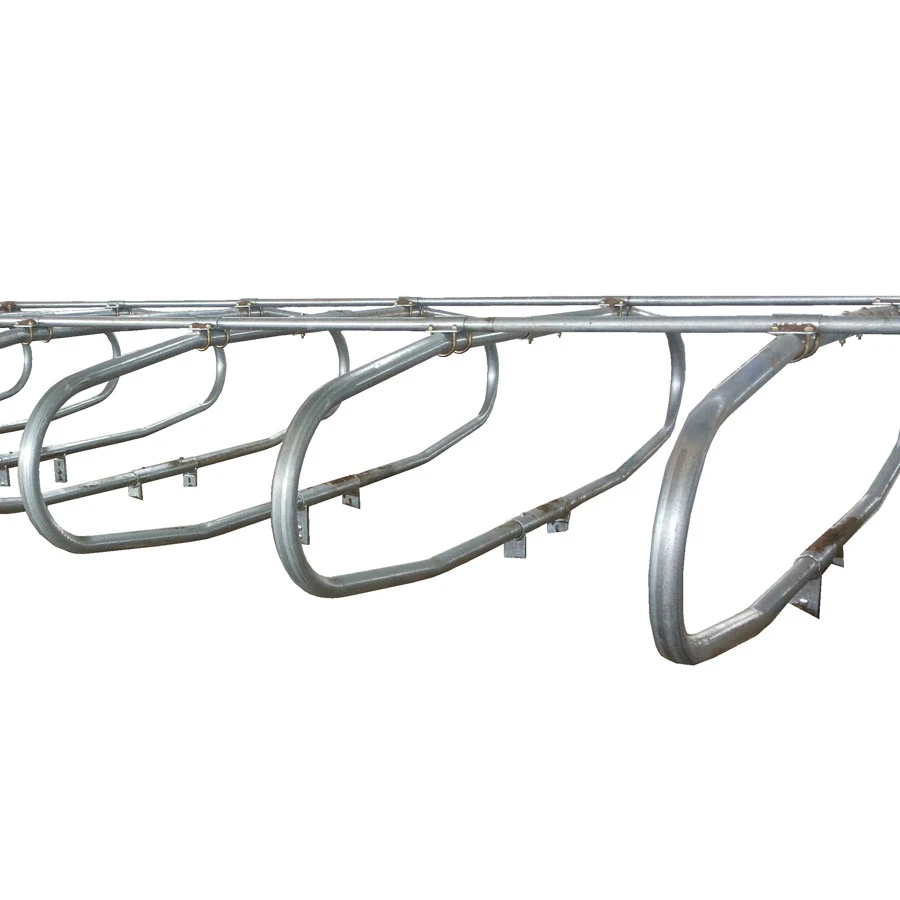
When you hear the term cattle headlock prices, you might imagine a niche topic far removed from global business concerns. But in reality, it’s a surprisingly pivotal factor in the livestock industry worldwide. Simply put, cattle headlocks are devices installed on livestock feeding and handling equipment, designed to securely hold the animal's head in place for feeding, veterinary care, or breeding management. Understanding the pricing behind these tools is crucial because it affects everything from farm operational costs to animal welfare standards. And with global demand for meat and dairy rising steadily, the cost and quality of such equipment have never been more relevant.
So, what exactly influences cattle headlock prices? Why do these costs differ so much between regions and vendors? And how does this impact the larger agricultural ecosystem? Believe me, unraveling these questions offers a valuable peek into both traditional farming and innovative livestock management technologies.
A Global Snapshot: Why Cattle Headlock Prices Matter More Than You Think
On a global scale, the livestock sector contributes upwards of 40% of agricultural GDP in many developing countries (FAO 2022). Efficient animal handling—where headlocks come into play—directly influences animal health, productivity, and ultimately, farmer income. The Food and Agriculture Organization (FAO) estimates over 1.5 billion cattle worldwide, each potentially benefiting from appropriate restraint systems.
Here’s where pricing becomes a real challenge. In regions like Sub-Saharan Africa and parts of Asia, access to affordable, durable cattle headlock systems can be limited. This often means farmers compromise on handling quality, risking animal injury and lowered production.
On the flip side, in developed markets, headlock prices reflect advanced materials and tech features—sometimes making them too costly for smallholder farms. Striking the balance between cost and quality is a global dilemma in livestock management.
Mini takeaway:
- Cattle headlock prices impact farm efficiency and animal welfare worldwide.
- Price barriers in developing regions highlight a need for affordable, durable solutions.
What Exactly Are Cattle Headlock Prices?
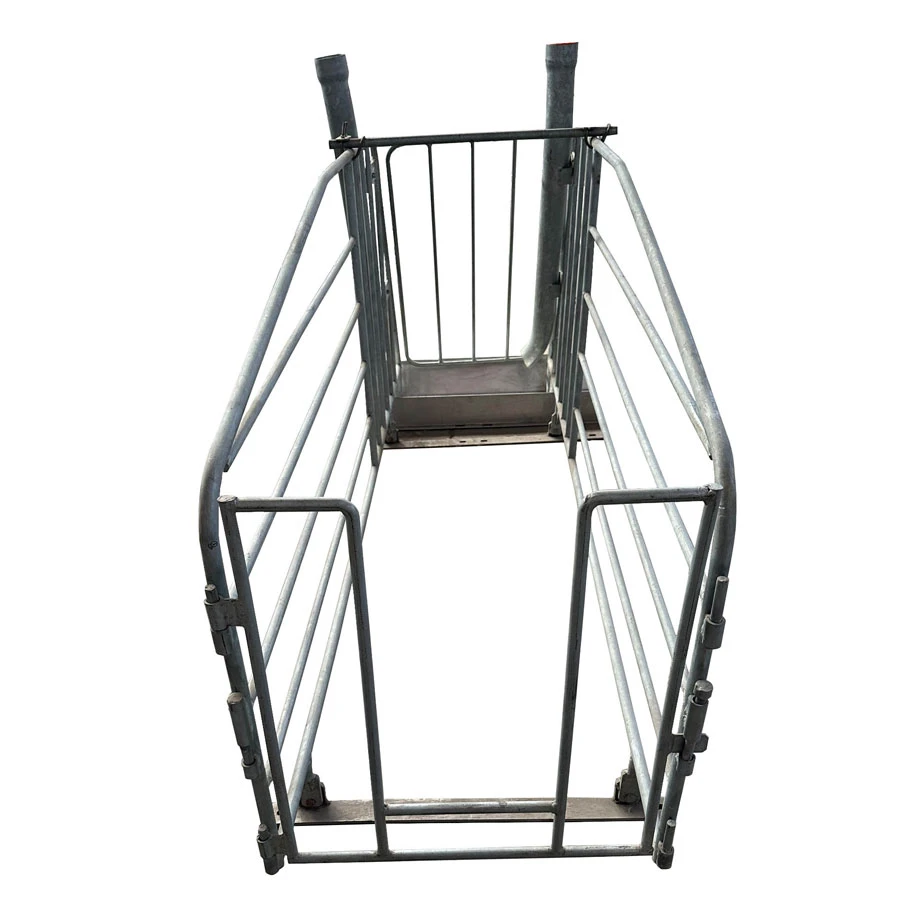
Simply put, cattle headlock prices refer to the market cost of headlock devices designed to secure cattle during feeding or veterinary routines. These headlocks range from basic manual bars to more sophisticated automated locking mechanisms. Prices vary based on material, design complexity, size, and vendor reputation.
Nowadays, cattle headlocks aren’t just about physical restraint—they are part of larger livestock management systems integrating animal welfare standards and operational efficiency. So, price isn’t just a number—it reflects safety features, corrosion resistance, and the adaptability to varied farm sizes.
What Drives Cattle Headlock Prices? Key Factors to Consider
1. Durability and Material Quality
Most cattle headlocks are made from galvanized steel or stainless steel to withstand the outdoors and animal stress. The grade of steel and protective coatings heavily influence how long a headlock will last and thus its price. Oddly enough, a cheaper product might look fine initially but can rust or break in harsh conditions, adding hidden costs to the farmer.
2. Design and Functionality
Basic fixed-bar models cost less but lack automation. More advanced designs feature self-locking mechanisms, quick-release systems, or adjustable widths to accommodate different cattle breeds. Naturally, these design innovations push prices up. Many engineers note that modular, expandable headlock systems, while pricier, offer better long-term ROI.
3. Scalability and Size
Smaller farms might only need a few headlocks, while larger operations require systems integrated into feeding alleys or veterinary chutes. Purchasing in bulk or systems that allow expansions can affect unit prices significantly. Volume discounts and vendor shipping policies also come into play.
4. Vendor Location and Supply Chain
Because these are physical products often manufactured in specialized factories, transportation costs, tariffs, and local taxes influence final prices. For example, importing European-made headlocks into Africa can add 30%+ to the base price. Of course, local manufacturing might limit innovation or material quality.
5. Compliance and Certifications
Some high-end cattle headlocks comply with ISO standards for quality and animal welfare. These certifications often lead to higher prices but ensure durability and ethical considerations that some buyers prioritize.
Mini takeaway:
- Durability and design innovations are key pricing drivers.
- Scalability and supply chains add layers of cost complexity.
Global Applications: Where and How Cattle Headlock Prices Matter
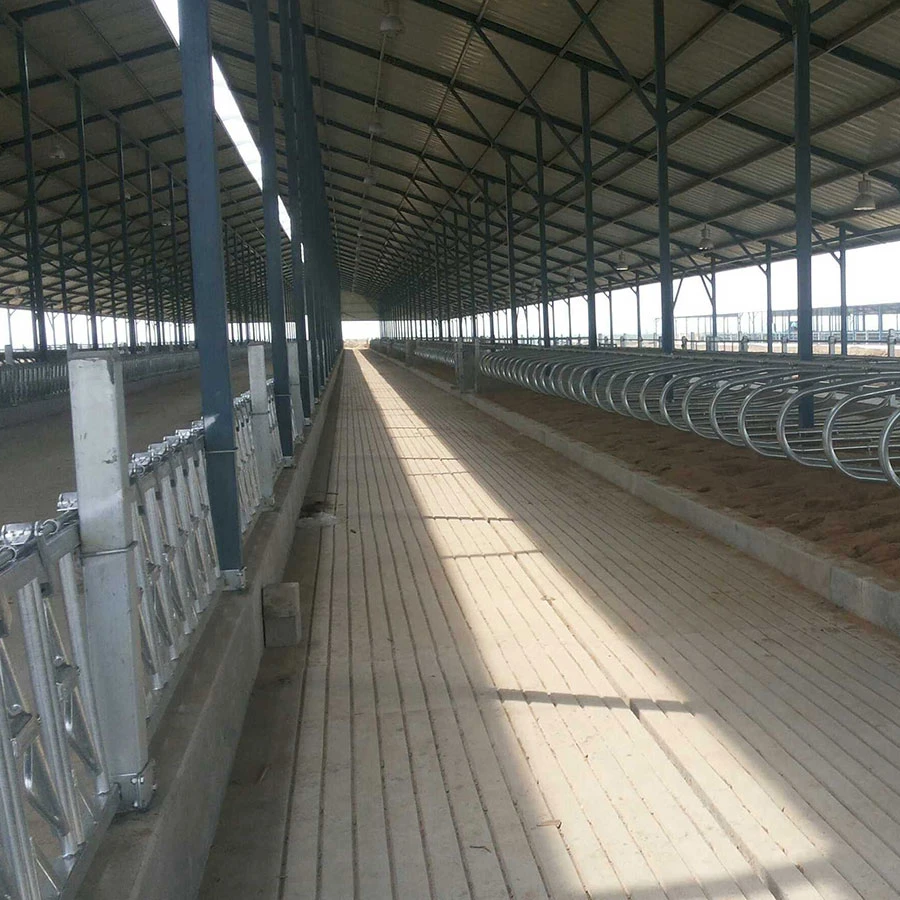
In real-world terms, these headlocks are found from massive industrial dairy farms in Europe and the US to smaller communal farms in Latin America and Africa. For instance, in Australia’s vast feedlots, automated headlock systems help manage thousands of head daily—cost is less of a concern here due to economies of scale. Meanwhile, NGOs supporting pastoralists in East Africa advise optimized, low-cost solutions often developed locally.
Interestingly, in post-disaster relief operations or areas facing animal disease outbreaks, quickly deployable and affordable cattle headlock systems have shown to improve animal treatment rates significantly.
Mini takeaway:
- Diverse cattle operations require tailored headlock pricing strategies.
- Emerging markets focus on affordability, developed ones prioritize automation and standards.
Advantages and Long-Term Benefits of Smart Headlock Investments
- Cost Efficiency: Durable, well-designed headlocks reduce injuries and labor time, saving money over time.
- Animal Welfare: Proper restraint reduces stress and enhances feeding efficiency.
- Sustainability: High-quality headlocks last longer, avoiding frequent replacement and waste.
- Safety: Both livestock handlers and cattle benefit from safer interactions.
- Trust and Innovation: Farms using certified equipment often gain market credibility, appealing to ethical consumers.
Emotionally, you could say investing in the right cattle headlocks shows respect for the animals and a commitment to responsible farming. Logically, it’s about getting the best bang for your buck without cutting corners.
Table 1: Typical Cattle Headlock Specification Overview
| Specification | Value |
|---|---|
| Material | Galvanized steel, optional stainless steel |
| Width (Adjustable) | 350mm to 450mm range |
| Locking Mechanism | Manual or hydraulic self-locking |
| Weight | Approx. 12-15 kg per unit |
| Warranty | 1-3 years typical |
Comparing Vendors: How Cattle Headlock Prices Stack Up
| Vendor | Price Range (USD/unit) | Material Quality | Warranty | Notes |
|---|---|---|---|---|
| AgroTech Solutions | $150 - $220 | Galvanized steel | 2 years | Popular in North America |
| FarmEssentials Ltd. | $120 - $180 | Stainless steel option | 3 years | Focus on durability |
| RuralFix Solutions | $90 - $140 | Basic galvanized steel | 1 year | Affordable for small farms |
Future Trends Shaping Cattle Headlock Prices
The cattle headlock industry isn’t static—innovation is creeping in. Materials like powder-coated composite metals and anti-corrosive polymers are beginning to influence pricing structures, though oddly enough, they’re still considered premium. Automation is another trend: low-cost electronic monitoring integrated into headlocks could emerge within 5-10 years, allowing farmers real-time health and feeding data—though that might spike prices initially.
Green manufacturing processes and sustainability certifications will also push prices up but add long-term value and responsible sourcing narratives.
Challenges Facing Cattle Headlock Adoption and Pricing Solutions
A major challenge is balancing upfront costs with long-term benefits. Smallholder farmers often shy away from what feels like expensive equipment, even if it’s cheaper over time. There’s a sort of trust barrier too—why pay more if you can get by with a basic fence and no headlock?
International supply chains add complexity, especially with fluctuating steel prices and tariffs globally. Experts recommend collaborative purchasing groups and localized production as potential remedies. Tech providers are experimenting with modular kits to reduce costs and improve adoption.
Frequently Asked Questions About Cattle Headlock Prices
Q1: What factors most influence the cost of cattle headlocks?
A: The main factors are material quality (type and coatings), design complexity (manual vs automated locking), size requirements, and vendor logistics including location and certification standards.
Q2: Are higher-priced cattle headlocks always worth the investment?
A: Not always, but generally yes. More expensive models tend to offer better durability, ease of use, and animal safety. However, small-scale farmers should weigh initial cost vs expected lifespan and maintenance.
Q3: How can small farmers find affordable cattle headlocks without sacrificing quality?
A: Looking for local suppliers, purchasing in groups, or opting for basic galvanized steel models with good warranties can help balance cost and quality.
Q4: Is it difficult to import cattle headlocks for farmers in remote areas?
A: Importing can be challenging due to tariffs, shipping costs, and delays. Partnering with local distributors or NGOs can ease this process and reduce expenses.
Q5: How does technology affect future cattle headlock prices?
A: Emerging technologies may raise initial costs due to automation or monitoring features but promise better management efficiency and animal welfare benefits long-term.
Conclusion: Making Sense of Cattle Headlock Prices for Your Farm
To sum it up, knowing your cattle headlock prices isn’t just about budgeting—it's about understanding the intersection of cost, quality, and welfare in livestock management. Whether you’re running a large-scale dairy or a small pastoral farm, the right headlock system can transform daily routines and increase productivity.
Curious about pricing options tailored for your needs? Check out detailed and up-to-date cattle headlock prices at https://www.cxlivestock.com. They offer comprehensive vendor comparisons and specifications to help you make an informed choice.
Here’s to smarter farming—one headlock at a time.
References
Post time: Nov . 30, 2025