Understanding the Stainless Steel Cow Trough: A Small Innovation with Big Impact
If you’re working in the livestock, dairy, or agricultural sectors, the humble stainless steel cow trough might not be top of your mind — but it probably should be. This simple yet essential piece of equipment plays a surprisingly pivotal role in animal welfare, farm efficiency, and even global food sustainability. Across continents, from massive industrial farms in Europe to smallholder dairies in Africa, the choice of material and design in watering solutions can mean the difference between healthy cattle and costly losses.
Why does this matter at a global scale? Well, the UN Food and Agriculture Organization estimates that livestock contribute nearly 40% of the global agricultural GDP. With increasing demand for dairy and meat, farms are under pressure to find durable, hygienic, and efficient feeding and watering systems. Stainless steel cow troughs are an innovation at the intersection of durability, hygiene, and sustainability that help address these needs. Let’s explore what they are, why they matter, and how they’re shaping livestock farming around the globe.
The Global Context: Why Stainless Steel Matters for Livestock Watering
Largely overlooked, the development and widespread adoption of stainless steel feeding and watering equipment is quietly transforming animal husbandry worldwide. To give you an idea: according to the International Organization for Standardization (ISO), stainless steel production grew by nearly 6% annually over the last decade, driven largely by demand in the food industry.
Much of that growth relates to improving hygiene standards in farms to prevent waterborne diseases in cattle. Water quality and accessibility are fundamental to livestock health, yet many farms struggle with contamination from rust or bacterial buildup in traditional troughs made from carbon steel or concrete. This is where the stainless steel cow trough makes a tangible difference.
But clearly, there’s a challenge: cost barriers and logistical issues slow the adoption of stainless steel troughs, especially in rural or developing regions where resources are limited. While robust steel troughs bring undeniable benefits, making them accessible and affordable remains a global hurdle.
What Exactly Is a Stainless Steel Cow Trough?
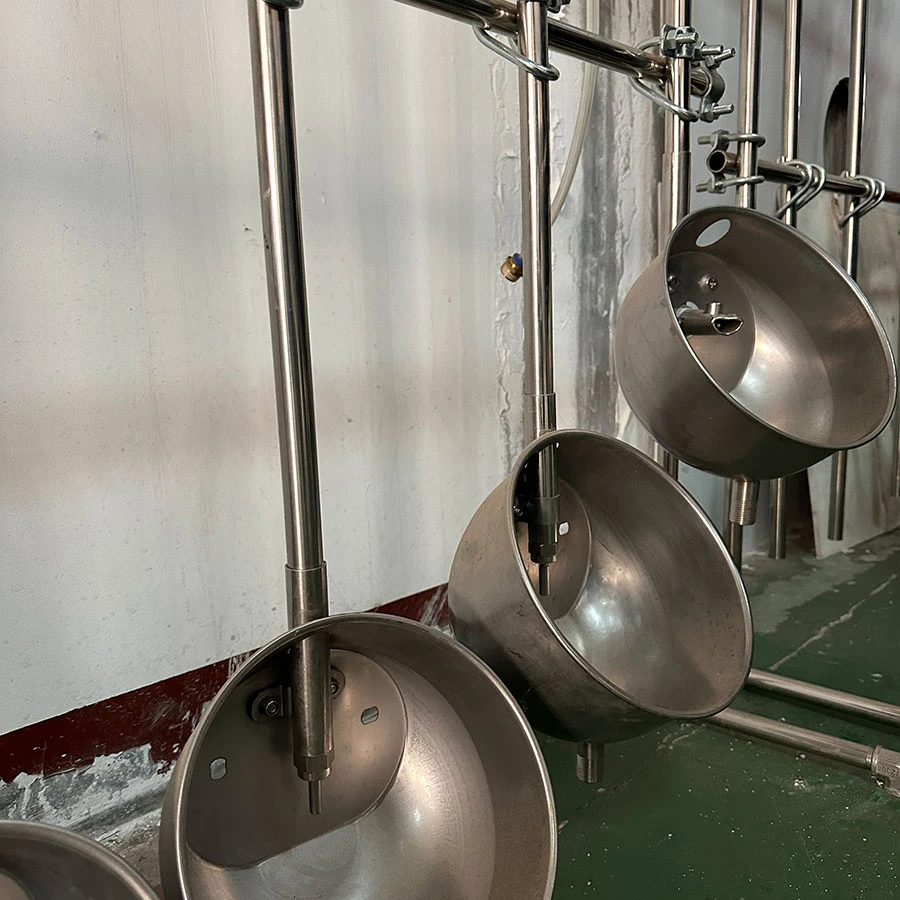
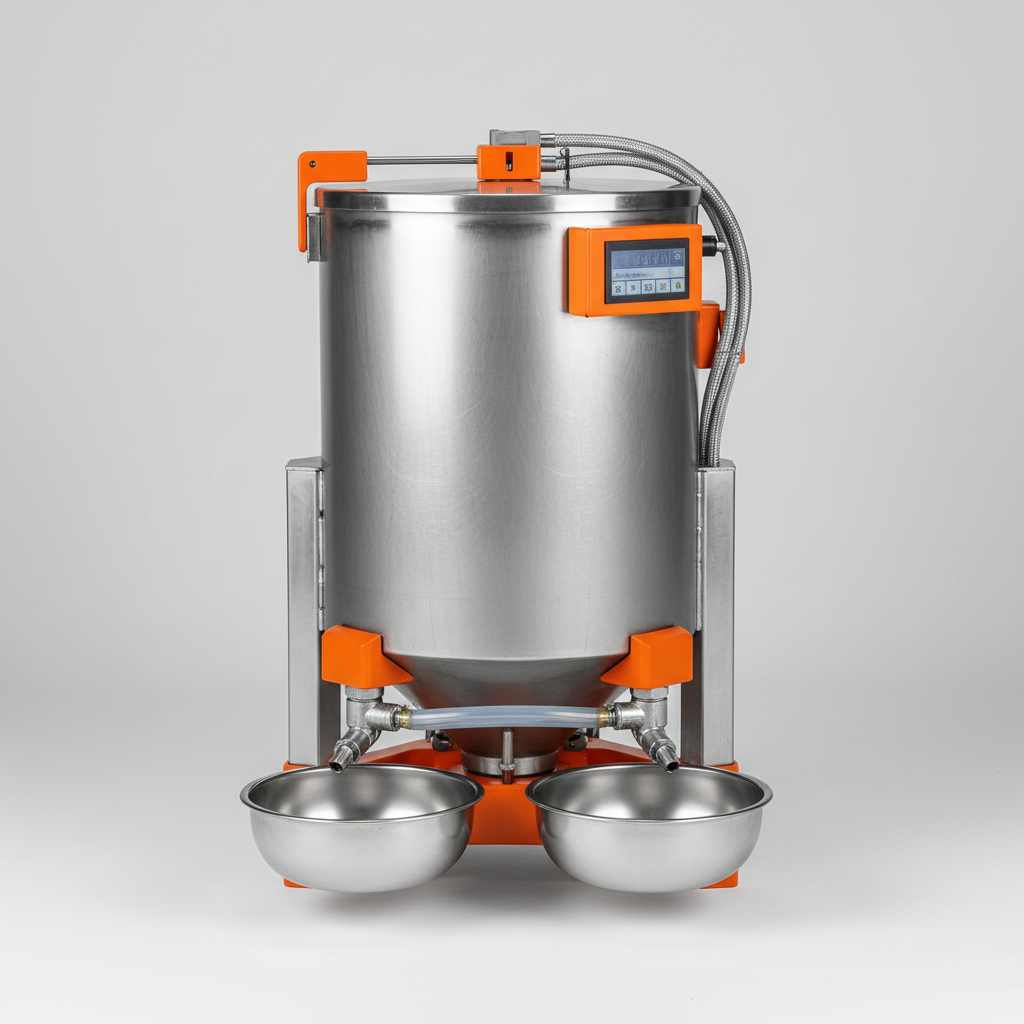
Put simply, a stainless steel cow trough is a watering or feeding reservoir designed specifically for cattle, constructed from stainless steel alloys. Unlike traditional materials like concrete, stone, or painted metals, stainless steel offers resistance to corrosion, easy cleaning, and maintains water purity longer.
This means fewer contaminants, less maintenance, and longer service life — factors crucial in industrial farming or humanitarian contexts where durable livestock infrastructure supports food security and sustainable livelihoods.
Connection to Modern Needs
In a world increasingly focused on sustainable agriculture and animal welfare, stainless steel troughs stand out for their cleanliness and environmental friendliness. From reducing pathogen spread to facilitating automation in water supply systems, these troughs are quietly supporting both innovation and ethical farming practices.
Core Components of Stainless Steel Cow Troughs
1. Durability That Lasts
Stainless steel resists rust, staining, and physical damage far better than alternatives. This means it lasts for years in harsh outdoor farm environments, withstanding rain, UV, and animal wear and tear.
2. Hygiene & Cleanability
The smooth surface of stainless steel prevents bacterial buildup and allows for quick cleaning. Unlike porous concrete, these troughs do not harbor algae or pathogens — lowering risks of infections.
3. Temperature Resistance
They handle cold winters and hot summers without cracking or degrading, ensuring cattle always have reliable access to clean water.
4. Scalability & Design Versatility
Available in various sizes and designs — including automatic filling systems — troughs can be customized for small farms or large industrial operations.
5. Cost Efficiency Over Time
While upfront costs tend to be higher compared to plastic or concrete, the longevity and reduced maintenance balance out initial spend.
Mini takeaway: Stainless steel cow troughs balance longevity, cleanliness, and adaptability — making them a smart, long-term investment.
Global Applications: From Farm to Humanitarian Aid
Across the world, stainless steel troughs have been deployed in diverse settings:
- Industrial farms in Europe & North America: Large-scale dairy farms use automated troughs to optimize water delivery and reduce labor.
- Smallholder farms in Africa and Asia: NGOs introduce stainless steel solutions to improve water hygiene and animal health in rural communities.
- Post-disaster relief: In regions affected by floods or droughts, robust troughs ensure reliable water access to animals critical for local food supply and incomes.
- Remote, arid zones: Stainless steel’s resistance to corrosion suits desert farms where water quality must be tightly managed.
For example, in Kenya’s dairy belt, NGOs have reported a 40% reduction in waterborne cattle diseases after introducing stainless steel troughs combined with training in animal husbandry.
Advantages & Long-Term Value of Stainless Steel Cow Troughs
On a practical level, the benefits are straightforward:
- Cost savings: Less frequent replacement and cleaning reduce operational expenses.
- Sustainability: Stainless steel is 100% recyclable, aligning with circular economy goals.
- Animal welfare: Consistent access to clean water supports health, milk production, and growth.
- Trust & Innovation: Modern farms using innovative equipment signal quality and professionalism to markets.
Emotionally, farmers report a sense of pride and security in investing in equipment that stands the test of time. It’s an investment not just in materials, but in reliability and dignity — something too easy to overlook in agricultural discussions.
Future Trends & Innovations Changing the Game
Looking ahead, stainless steel cow troughs are evolving alongside technological shifts:
- Smart hydration systems: Sensors integrated into troughs monitor water levels and quality in real-time to optimize supply and save water.
- Eco-friendly alloys: New steel blends aim to reduce carbon footprints without sacrificing durability.
- Modular designs: Portable, easy-to-install troughs help rapidly develop farms or humanitarian relief stations.
- Automation & IoT: Connected troughs integrate with farm management platforms to streamline cattle health monitoring.
One can’t help but wonder how these tiny but important pieces of farm infrastructure will look in decades — perhaps more like smart fountains than traditional troughs.
Challenges & Practical Solutions
Truthfully, the highest hurdles remain in affordability and access. Initial costs for stainless steel solutions are intimidating for small-scale farmers. Transporting heavy troughs into remote areas also presents logistical headaches.
Innovators are tackling this by:
- Offering leasing or shared-use models to spread costs.
- Using locally sourced steel and manufacturing to reduce price and boost economies.
- Designing lightweight, foldable troughs for easier shipping and setup.
- Integrating community training to boost maintenance and operational lifespan.
These approaches show promise in bridging the gap between advanced agricultural infrastructure and resource-limited settings.
FAQ: Frequently Asked Questions About Stainless Steel Cow Troughs
Q1: Why choose a stainless steel cow trough over plastic or concrete?
A1: Stainless steel offers superior durability, hygiene, and longevity. Unlike plastic, it won’t crack or degrade under UV exposure; unlike concrete, it resists bacterial buildup and rust. This means less maintenance and healthier cattle over time.
Q2: How long can a stainless steel trough typically last on a farm?
A2: With proper care, stainless steel troughs can last 15-20 years or more. Their corrosion resistance and strength make them an excellent long-term investment that reduces replacement costs.
Q3: Are stainless steel cow troughs expensive to maintain?
A3: Not really. Their smooth surfaces require minimal cleaning compared to concrete or plastic. Plus, they don’t need repainting or frequent repairs, making maintenance relatively low cost.
Q4: Can these troughs be customized for different herd sizes?
A4: Absolutely. Stainless steel troughs come in various sizes and designs, from small-scale to industrial units with automated refill systems. Customization helps optimize water supply based on herd needs.
Q5: How can farmers in developing countries access these troughs affordably?
A5: Solutions include working with NGOs that subsidize costs, buying through cooperatives, or adopting leasing programs. Local manufacturing initiatives also help reduce price and improve availability.
Comparison of Popular Stainless Steel Cow Trough Vendors
| Vendor | Trough Types | Price Range (USD) | Customization | Warranty |
|---|---|---|---|---|
| Livestock Solutions Ltd. | Standard, Auto-refill | $150 - $1200 | Yes | 5 years |
| GreenFarm Tech | Portable, Foldable | $100 - $900 | Limited | 3 years |
| AgriMax Supplies | Standard only | $120 - $700 | No | 2 years |
Typical Specifications of a Stainless Steel Cow Trough
| Specification | Description |
|---|---|
| Material | Grade 304 or 316 stainless steel (food grade) |
| Dimensions | Varying sizes, typically 100-300 cm length, 50-75 cm height |
| Capacity | Up to 500 liters |
| Weight | From 20 kg to 70 kg depending on size |
| Features | Smooth interior surface, reinforced edges, optional automatic refill mechanism |
| Finish | Polished or brushed (to reduce glare) |
Exploring these details with a vendor can help you pick the perfect trough for your livestock operation — whether you're outfitting hundreds of cows or just a handful.
In Conclusion: Why Stainless Steel Cow Troughs Deserve Attention
It’s easy to overlook the role of something as seemingly mundane as a cow trough, but in reality, upgrading to stainless steel solutions combines practicality, animal welfare, and sustainability in one neat package. While the initial investment is heavier, the benefits—reliability, lower disease risk, longevity, and environmental friendliness—pay off over years and across climates.
If you are a farmer, livestock manager, or an NGO working in agriculture development, it’s worth taking a closer look at these innovations. For detailed specs, tailored advice, or bulk orders, I recommend visiting trusted suppliers online. One such source is stainless steel cow trough, where you can explore various models designed for real-world farming challenges.
After all, ensuring your herd always has clean water isn’t just a small detail, it’s a cornerstone of lasting success in livestock management.
Mini takeaway: Stainless steel cow troughs blend innovation with tradition, quietly supporting farmers worldwide in delivering healthier, happier cattle.
References
Post time: Dec . 02, 2025