Stainless Feeder: A Quiet Revolution in Industrial and Agricultural Efficiency
If you've ever glanced at agricultural or industrial setups, you might've noticed robust, gleaming metal equipment quietly doing its job: feeding livestock, batching components, or dispensing raw materials with almost mechanical precision. At the heart of many of these operations lies the stainless feeder, a deceptively simple yet game-changing tool. Why should we care about these feeders globally? Simply put, they’re boosting productivity while increasing sustainability in industries that literally feed the world and fuel economies.
Understanding what stainless feeders bring to the table matters. They reduce waste, withstand harsh environments, and enable smoother automated processes. This article dives into the what, why, and how of stainless feeders, exploring their technical and practical aspects, and I promise — it’s more interesting than you think.
The Global Context: Why Stainless Feeders Matter Worldwide
Globally, agricultural and industrial sectors produce trillions of dollars in output annually. According to the Food and Agriculture Organization (FAO), livestock farming alone supports roughly 1.3 billion people worldwide. Now, imagine the scale and significance of equipment that ensures animals get fed consistently, safely, and efficiently.
Beyond agriculture, stainless feeders find their way into automated manufacturing, mining operations, and even humanitarian aid supply chains. A World Bank report highlights that equipment failures cause on average a 20% downtime across many industries — with feeder components often cited as root causes. Stainless feeders are designed to tackle such efficiency bottlenecks.
But the challenge remains: how to marry long-term durability with cost-effective design and environmental concerns? Rust and contamination are constant threats that can compromise processes or food safety, hence the demand for stainless—corrosion-resistant—materials in feeders worldwide.
Mini Takeaway:
- Stainless feeders are crucial for global food security and industrial efficiency.
- Durability and corrosion resistance address major pain points in supply chains.
- Their role stretches beyond farms into complex industrial and relief operations.
What Exactly Is a Stainless Feeder?
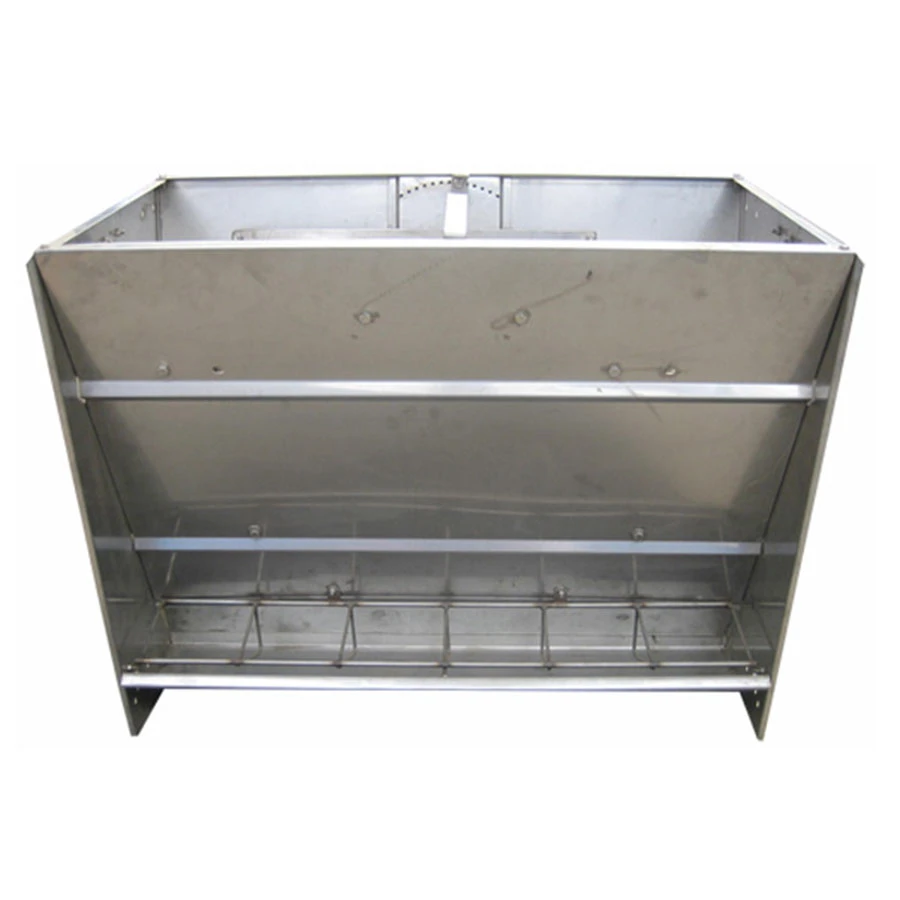
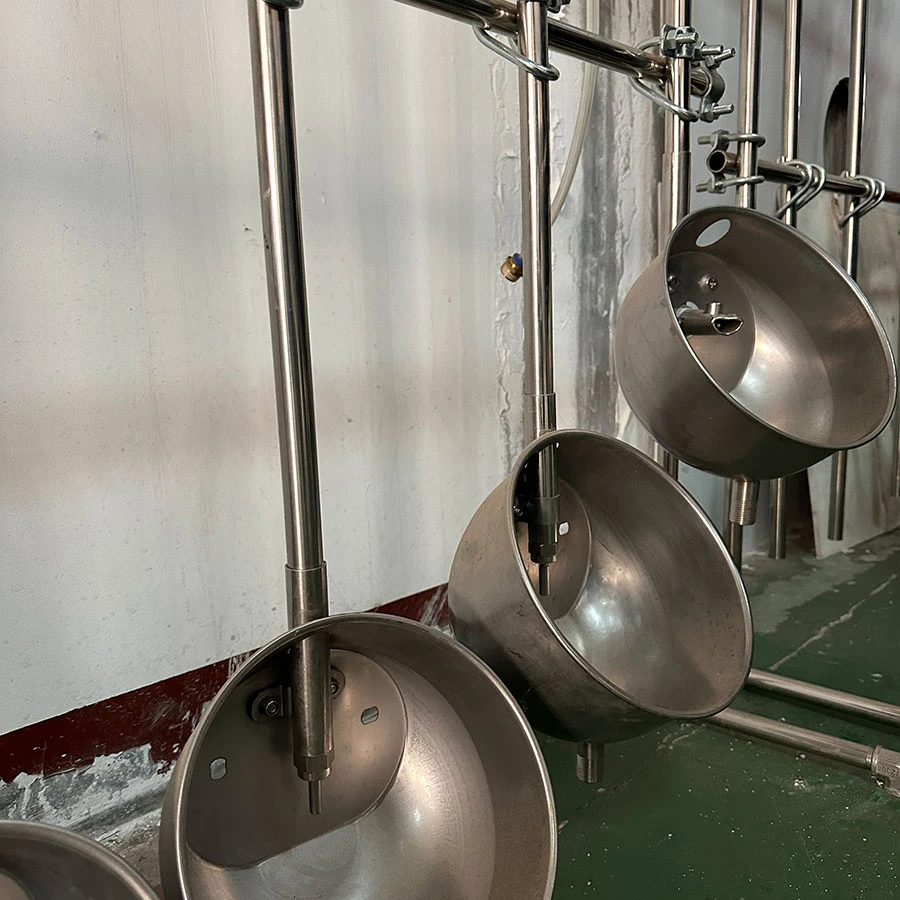
At its core, a stainless feeder is a piece of equipment made predominantly from stainless steel that controls the dispensing or distribution of materials. Whether it’s grains for livestock, powder in pharma, or components on an assembly line, stainless feeders ensure consistent, measured delivery, minimizing waste and safeguarding product purity.
Why stainless steel, you ask? Well, stainless steel offers high resistance against corrosion, heat, and mechanical wear — vital for preventing contamination and breakdowns. The term "feeder" can cover a range: from simple gravity-fed hoppers to complex vibratory or screw-feed mechanisms.
This equipment’s connection to modern industry is profound. In sectors dealing with anything edible or sensitive, stainless feeders become non-negotiable for hygiene. Humanitarian organizations, for example, rely on robust stainless steel feeders when distributing food or seed in disaster zones, where metal rust or dirt contamination could make a bad situation even worse.
Key Factors Defining Stainless Feeders
1. Durability and Corrosion Resistance
This is the unspoken hero feature. Stainless steel grades—commonly 304 or 316—offer excellent resistance to acids, moisture, and friction. For example, stainless feeders in coastal regions avoid the rapid rusting that could plague carbon steel, ensuring longer life spans.
2. Scalability and Capacity
Feeders come in all sizes—from small lab-scale units to massive industrial conveyors. The right scale means integrating smoothly with existing infrastructure without bottlenecks or overengineering. Scalability is crucial when operations expand or pivot quickly.
3. Hygiene and Cleanability
This is especially important in food, pharmaceuticals, and any sector that demands sanitary conditions. Smooth welds, corrosion resistance, and design simplicity let operators clean feeders easily, reducing contamination risks.
4. Cost Efficiency Over Lifecycle
Granted, stainless steel can be pricier upfront, but when you factor in maintenance costs, downtime, and replacement frequency, stainless feeders often prove more economical long-term.
5. Adaptability and Integration
Modern feeders often come with modular designs and can accept automation add-ons like sensors or motorized controls. This adaptability means they don’t just feed materials but can communicate operational data, feeding the Industry 4.0 wave.
Mini Takeaway:
- Choosing a stainless feeder is about balancing upfront costs with long-term durability.
- Hygiene and corrosion resistance top the checklist for most buyers.
- Adaptability for automation increases feeder value in modern factories.
Real-World Applications of Stainless Feeders
Let me paint a picture. In New Zealand's expansive dairy farms, stainless feeders dispense feed pellets automatically day and night, saving hours for farmers. In Southeast Asia, NGOs supplying rice seeds distribute them using stainless steel hoppers to guarantee purity, without contamination during transit or storage.
Industrially, automotive plants in Germany integrate stainless feeders to supply powdered coatings or tiny components, ensuring precise application and minimal waste. Even mining operations in harsh climates use stainless feeders for grit and chemical additives, where rust would mean disaster.
In post-disaster relief efforts (think: earthquake-hit regions), stainless feeders help dispense food or water-purification chemicals reliably. This kind of equipment stability supports safety and dignity when resources are stretched thin and conditions volatile.
Product Specification Example & Comparison
| Feature | Model A (Basic) | Model B (Mid-range) | Model C (Advanced) |
|---|---|---|---|
| Material Grade | 304 Stainless Steel | 316 Stainless Steel | 316L Stainless Steel with Coating |
| Capacity | 100 kg/hour | 250 kg/hour | 500 kg/hour |
| Automation | Manual feed | Motorized with basic sensors | Fully automated, IoT-enabled |
| Cleanability | Standard wash | Removable parts | Self-cleaning option |
| Price Range | $800–$1,200 | $1,500–$2,500 | $3,000+ |
Comparing Stainless Feeder Vendors: What to Look For
| Vendor | Material Quality | Warranty | Customization | Global Reach | Support & Service |
|---|---|---|---|---|---|
| SteelFeeder Inc. | 316L Grade | 5 Years | High (modular design) | North America, EU, Asia | 24/7 Hotline, Onsite Visits |
| FeederWorks Co. | 304 Grade | 3 Years | Medium | Europe, South America | Business Hours Support |
| AgroTech Supplies | 316 Grade with food coating | 4 Years | High Customization | Global | On-demand Tech Support, Training |
The Immediate and Long-Term Benefits of Stainless Feeders
It's not just about avoiding rust, though that alone is vital. Stainless feeders minimize contamination, which means safer food and pharmaceutical handling. Industries save money, avoid costly shutdowns, and enjoy better regulatory compliance. There’s an emotional component too — when farmers know their animals are fed reliably, or relief workers have dependable equipment, it strengthens trust and morale.
From a sustainability perspective, stainless feeders align well with global circular economy goals. Their durability reduces the need for frequent replacement and resource waste. Plus, their compatibility with automation means less human exposure to harmful dust or chemicals, a quietly important social benefit.
Future Trends in Stainless Feeding Technology
Looking ahead, stainless feeders are getting smarter. IoT-enabled feeders track feeding rates in real time, alerting managers about anomalies before problems crop up. Additive manufacturing (3D printing) is allowing bespoke feeder designs that enhance flow characteristics or minimize jams.
Hybrid material research is pushing boundaries too, combining stainless steel with polymer linings for improved abrasion resistance and lighter units. Sustainability efforts encourage the use of recycled stainless steel, and solar-powered automation is becoming a thing, especially in remote locations.
Challenges to Watch and Creative Solutions
Of course, stainless feeders are not magic bullets. They can be pricey to install initially, and in extreme environments, weld joints might be vulnerable if not expertly executed. Some tight applications struggle with clogging despite the high-quality materials.
Solutions? Industry experts suggest preventive maintenance programs and real-time diagnostics help circumvent failures. Design tweaks—like adjustable feed apertures and self-cleaning mechanisms—minimize downtime. Budget-wise, leasing or modular upgrades spread costs over time.
FAQs About Stainless Feeders
Q1: How does a stainless feeder differ from traditional feeding equipment?
A: Stainless feeders use corrosion-resistant metal, ensuring longer life and hygiene over traditional feeders that might rust or contaminate feed, especially in wet or acidic environments. This makes them more reliable and easier to clean.
Q2: Can stainless feeders be customized for different industries?
A: Yes! One of their strengths is adaptability. Solutions range from simple gravity-fed units to fully automated, sensor-integrated feeders tailored to sectors like agriculture, pharmaceuticals, and mining.
Q3: What maintenance routines keep stainless feeders in top shape?
A: Regular cleaning, inspection of welded joints, lubrication of moving parts, and prompt replacing of wear components are standard. Many companies now use diagnostic sensors for preventive maintenance.
Q4: Are stainless feeders eco-friendly?
A: Generally, yes. Their longevity reduces waste and replacement frequency. Many manufacturers incorporate recycled materials and energy-efficient manufacturing techniques.
Q5: How can I find the right stainless feeder supplier?
A: Look for vendors offering high-grade materials, solid warranties, customization options, and responsive support. Checking user reviews and requesting trial units can also help.
Summing It Up: Stainless Feeders for Sustainable Success
To wrap up, stainless feeders play a quietly indispensable role in feeding the livestock that feed us, automating precise industrial processes, and supporting humanitarian efforts. They stand as a testament to how material science and smart design combine to make life easier and safer worldwide.
If you’re looking to upgrade your setup, a quality stainless feeder might just be the difference between downtime headaches and smooth operational flow.
Curious? Visit our website and see how stainless feeders are reshaping efficiency in real time.
References
Post time: Dec . 02, 2025