Small Hog Feeders: Why They Matter More Than You Might Think
If you're involved in hog farming, especially on a smaller or medium scale, chances are you’ve heard of small hog feeders. But beyond their obvious use—feeding piglets or small hogs efficiently—their impact stretches wider than many realize. Globally, with millions depending on small-scale hog production for sustenance and income, the quality, design, and availability of small hog feeders play crucial roles. Efficient feeding systems literally translate to better animal growth, reduced waste, and ultimately a stronger livelihood for farmers worldwide. Understanding these feeders means better resource management and sustainable farming practices, which are critical in today’s food security challenges. ---The Global Context of Small Hog Feeders
To some, small hog feeders might seem like a niche agricultural tool, but their relevance is global. According to the UN Food and Agriculture Organization (FAO), over 450 million pigs are raised annually worldwide, many under smallholder or family farm setups. These feeders support decentralized farming models found everywhere from Southeast Asia to sub-Saharan Africa, where pig farming is a vital income source. Challenges like feed wastage, contamination, and uneven nutrition significantly affect productivity. Small hog feeders, when thoughtfully designed, directly address these issues by controlling portion size, preventing hog bullying at feeding time, and reducing feed exposure to the elements — all while boosting growth rates and animal health. In fact, studies show well-designed feeders can improve feed conversion ratios by as much as 15%, a big deal when every gram counts. But of course, it’s not just the technical stats — these feeders shape how farmers can sustainably and economically support their families. ---Defining Small Hog Feeders: More Than Just a Trough
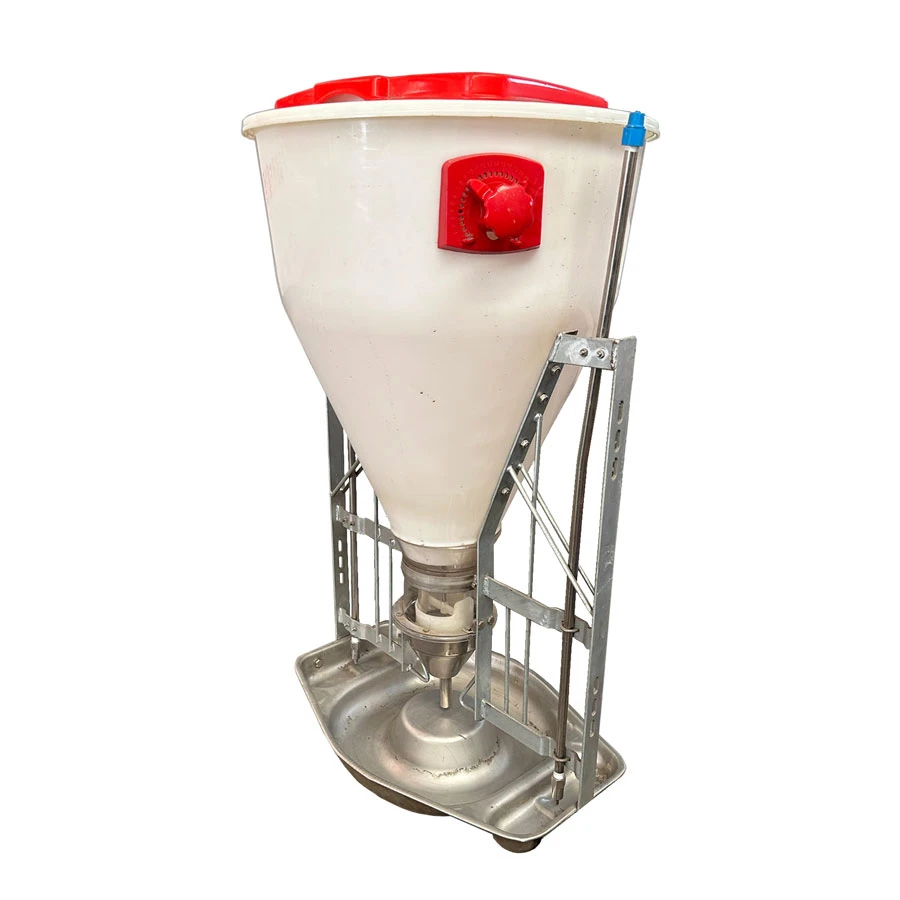
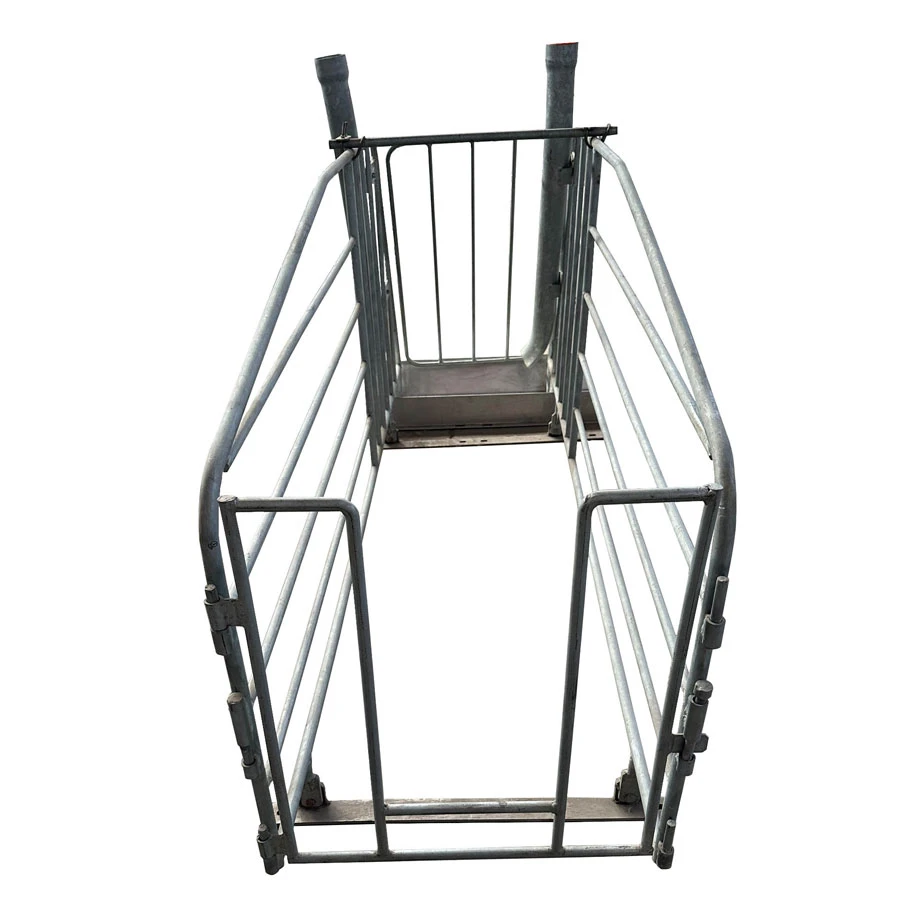
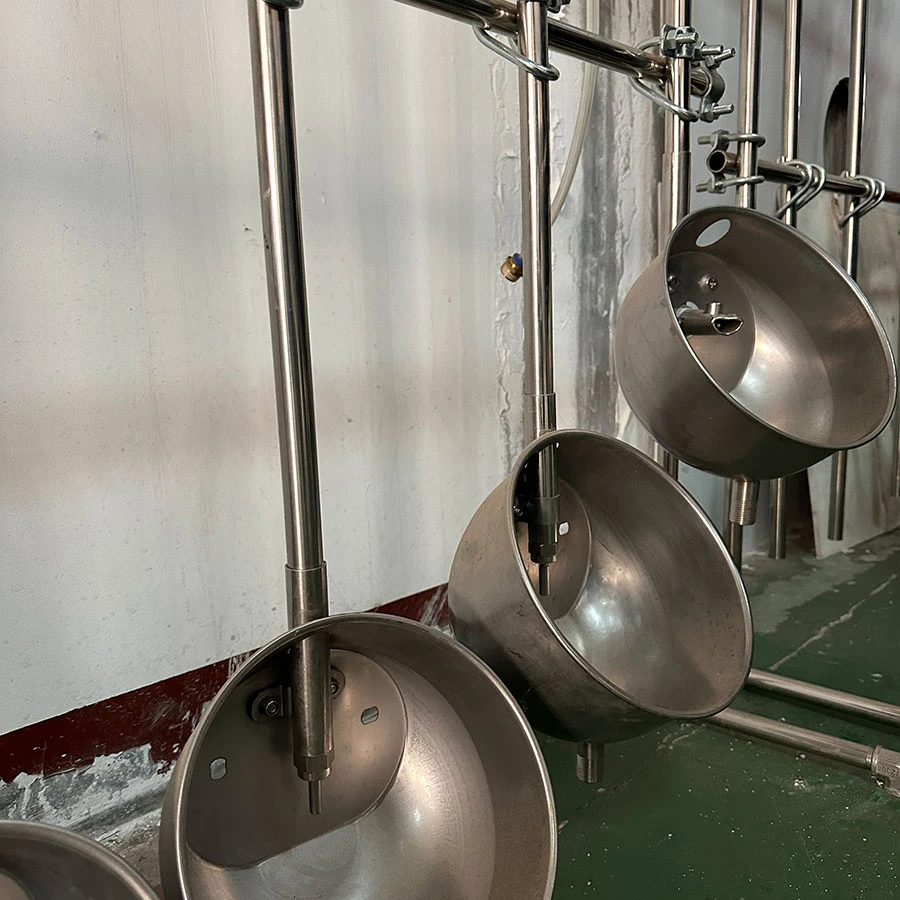
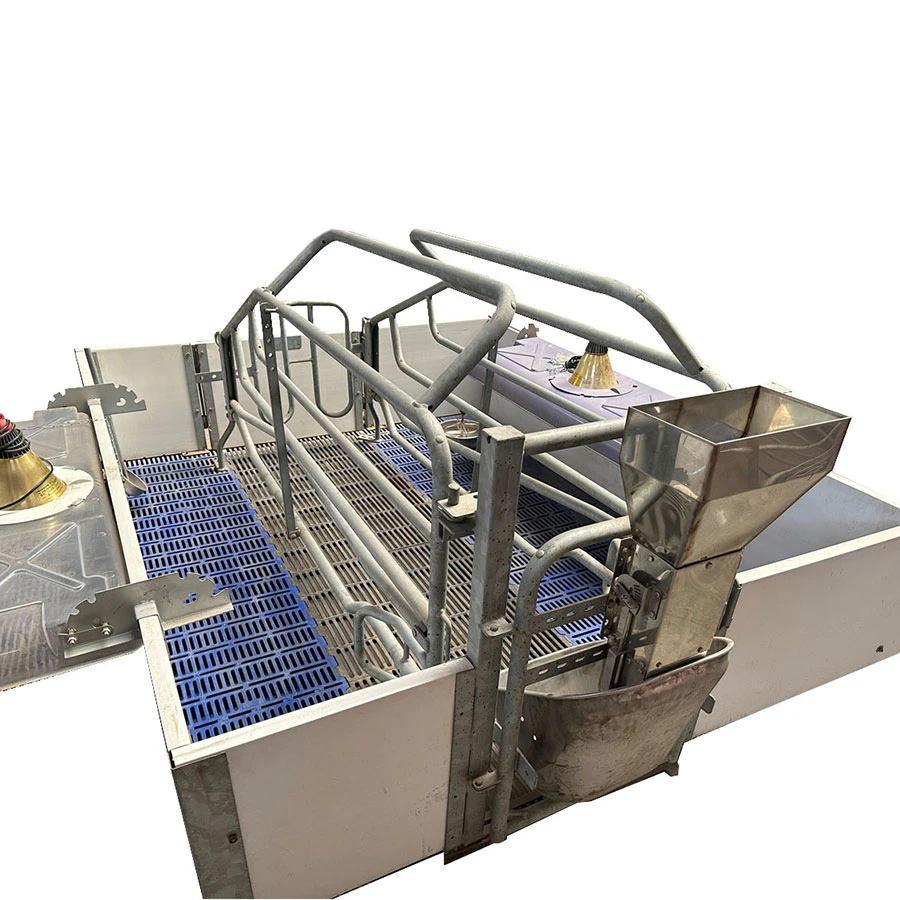
At its core, a small hog feeder is a feeding device tailored specifically to young or small pigs. Unlike large-scale feeders built for massive hog houses or industrial farms, these are typically compact, durable, and designed to minimize waste. They can be simple troughs, automatic dispensers, or even adjustable volume units, depending on the farm’s size and needs. More than a container, they’re a critical link in the farm-to-fork chain. When you see efforts to promote sustainable livestock farming or improve food security in vulnerable regions, improving the feeder design is often a low-tech innovation with a high payoff — helping maintain healthier animals and reducing the need for antibiotics or supplemental feeding later. ---Key Features of Effective Small Hog Feeders
1. Durability and Materials
A feeder’s material often dictates its lifespan. Plastic feeders are lightweight and easy to clean, but some UV-resistant metals or treated woods may last longer outdoors. Durability also reduces replacement costs—a major factor for smallholder farmers.2. Feed Waste Reduction
Feed costs dominate hog operation budgets. Feed wastage directly eats into farmer profits. Many feeders have designs featuring sloped bottoms, adjustable slots, or covers to prevent spillage, spoilage, or contamination by pests.3. Scalability and Size
Whether you're raising ten piglets or fifty, you need feeders sized to match. Small hog feeders should be easily scaled or combined to meet herd expansion without forcing uneven feeding.4. Cost Efficiency
Small hog feeders should balance upfront cost with longevity and performance. Over the years, something cheap but flimsy might cost more in feed loss, maintenance, or replacements.5. Ease of Cleaning and Maintenance
Sanitation is critical to prevent disease. Feeders designed for quick disassembly or with antimicrobial coatings ease farmer workloads and improve animal health. ---Mini takeaway: In real-world use, small hog feeders must be durable, reduce waste, fit farm sizes, stay affordable, and be easy to clean. Without these, the whole operation feels the pinch.
---Small Hog Feeders in Action Around the World
Small hog feeders find their way into diverse environments: - In Asia, family pig farms often use portable plastic feeders they can disinfect regularly, directly impacting pork quality sold in local markets. - In sub-Saharan Africa, innovative NGOs supply metal feeders to rural farmers as part of livestock development projects, increasing herd health post-disasters. - In rural US and EU farms, adjustable commercial feeders are integrated with digital monitoring systems — odd but effective if you can afford the tech. Oddly enough, some regions emphasize manual feeders for sustainable low-tech farming, while others incorporate solar-powered automated feeding to reduce labor input — technology adapting to economic realities. ---Advantages & Why They Matter Long Term
Let's get practical: - Cost savings: Less feed wasted means lower input costs. - Animal welfare: Controlled feeders reduce aggressive feeding behaviors. - Sustainability: Proper feeding reduces environmental pollution from runoff. - Trust and dignity: For subsistence farmers, seeing healthy hogs growing steadily builds confidence and security. Farmers often say: “A good feeder isn’t just an expense, it’s an investment.” You’re not just feeding piglets—you’re feeding hopes and livelihoods. ---What’s Coming Next? Innovations Impacting Small Hog Feeders
The future looks smart, and oddly green: - Automated feed dispensers: Some now predict feeders that adjust amount based on piglet weight or activity, improving growth curves. - Sustainable materials: Biodegradable plastics or recycled metals grow in popularity. - IoT (Internet of Things) integration: Sensors to monitor feed consumption — signaling health issues early. - Solar-powered feeders: Especially helpful in remote zones without electrical grids. The union of tech and tradition may look strange at first but promises huge value for smallholder farmers balancing budgets with innovation dreams. ---Challenges with Current Small Hog Feeders & What Can Be Done
Every tool has its quirks: - Affordability: High-tech or heavy materials still prohibit some farmers. - Maintenance: Feeders failing due to corrosion or misuse. - Adaptability: One size rarely fits all, yet manufacturers want to mass produce. Potential solutions? NGOs and social enterprises are co-creating feeders locally, providing training on maintenance, or introducing modular product lines to offer customization. ---FAQ about Small Hog Feeders
- Q: How do I choose the right size feeder for my piglets?
A: It depends on your herd size and piglet age. Generally, feeders that allow 4 to 6 piglets to feed simultaneously avoid overcrowding and stress. - Q: Can small hog feeders help prevent disease?
A: Yes. Feeders that are easy to clean and reduce cross-contamination risks improve hygiene and reduce disease outbreaks. - Q: Are automated small hog feeders worth the investment for small farms?
A: For farms with labor constraints, automation can increase consistency and reduce waste. But upfront costs require a cost-benefit analysis. - Q: Where can I buy reliable small hog feeders?
A: Options range from regional agricultural suppliers to specialized online vendors. Visit our recommended partner page for small hog feeders. - Q: How do I maintain my feeder to extend its life?
A: Regular cleaning, avoiding exposure to harsh chemicals, and replacing worn parts promptly keeps feeders working well.
Product Specification Table of Popular Small Hog Feeders
| Model | Material | Capacity (kg) | Dimensions (cm) | Price (USD) | Special Features |
|---|---|---|---|---|---|
| FeederPro Mini | UV-resistant Plastic | 15 | 40 x 25 x 20 | 25 | Anti-spill design, easy-clean |
| FarmMaster Mini | Galvanized Steel | 20 | 45 x 30 x 25 | 40 | Weatherproof, rust-resistant |
| AgriTech FeedMate | Recycled Plastic | 10 | 35 x 20 x 18 | 30 | Modular design, eco-friendly |
Comparing Top Vendors for Small Hog Feeders
| Vendor | Price Range | Material Options | Customization | Shipping Availability |
|---|---|---|---|---|
| CX Livestock | $20-$50 | Plastic, Metal | Yes, modular design | Global, with tracking |
| FarmGear | $25-$70 | Metal only | Limited | North America, EU |
| AgriSupplies Co. | $15-$40 | Recycled plastics | Moderate | Selected regions |
Wrapping It Up: Why Smart Feeding Matters
Small hog feeders might sound like a simple tool, but they’re essential to healthier animals, more efficient farming, and better livelihoods worldwide. When thoughtfully selected and maintained, these feeders reduce waste, improve nutrition, and even empower farmers in resource-challenged contexts. For those wanting to explore options, visit our trusted marketplace for small hog feeders and see how the right feeder can be the quiet hero of your hog-raising story. ---References:
1. FAO Pig Production Stats - FAO Livestock
2. ISO 22000 - Food Safety Management Systems
3. Wikipedia: Pig Farming
Post time: Dec . 02, 2025