Simple Farrowing Pen Design: Where Practicality Meets Piglet Welfare
You may not think a pig’s first few weeks matter globally, but surprisingly, the humble simple farrowing pen design touches on sustainability, food security, and animal welfare in ways you might not expect. Around the world, especially in emerging agricultural economies and humanitarian aid zones, creating affordable, effective housing for sows and their newborn piglets is more than just an animal husbandry concern—it’s a lifeline that can improve productivity, reduce piglet mortality, and uplift smallholder farmers’ livelihoods.
Why Does Simple Farrowing Pen Design Matter?
Globally, pork accounts for about 36% of meat production (FAO, 2023), and farrowing pen design influences not only the health of piglets but also the financial success of farms. Better pen layouts reduce crushing incidents, improve hygiene, and optimize space, which can cumulatively increase output by 10-15%. That’s no small change in regions where farming is often a primary income source.
But it’s not just industry. Organizations like the World Bank and UN Food Systems highlight how efficient livestock housing can help poor communities achieve food security and meet sustainability goals. Simple farrowing pens, affordable and straightforward to build, shift the needle from brute force farming to more compassionate, effective methods.
Defining Simple Farrowing Pen Design
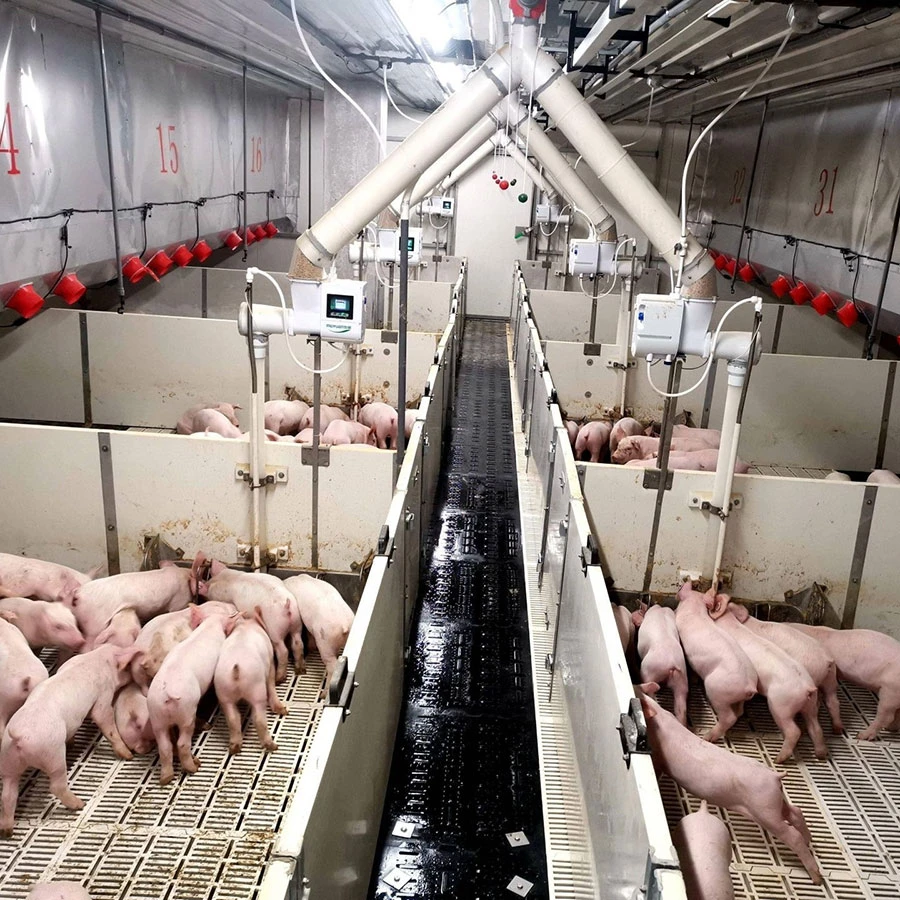
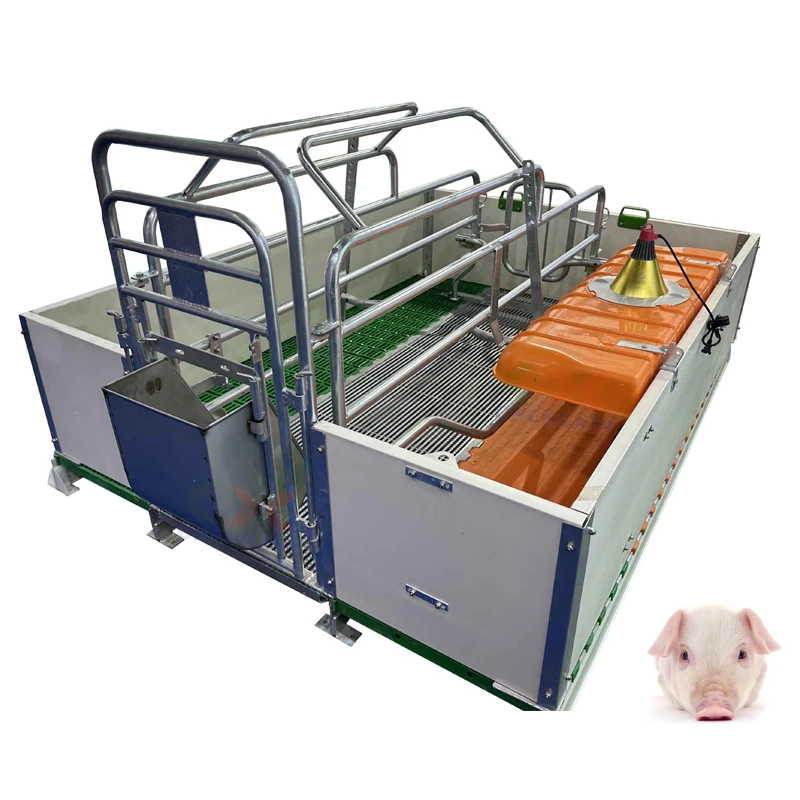
At its core, a simple farrowing pen is a livestock enclosure designed specifically to house sows as they give birth and nurse piglets. The “simple” qualifier usually means the design is low-cost, easy to assemble, and flexible enough to suit smallholder farms or temporary relief projects. While farrowing crates have become common in industrial settings, simple pens aim for a balance between piglet safety and sow freedom—often crafted from locally sourced materials and adaptable layouts.
In humanitarian settings, for example, simple farrowing pens help displaced farmers maintain livestock health during crises. They’re practical, humble, but critical.
Key Components of Simple Farrowing Pen Design
Durability and Materials
Most designs use materials like welded wire mesh, treated timber, or galvanized steel pipe. These choices ensure longevity without breaking the bank. Many engineers stress corrosion resistance, especially in humid environments where rust ruins pens faster than you’d think.
Space Optimization
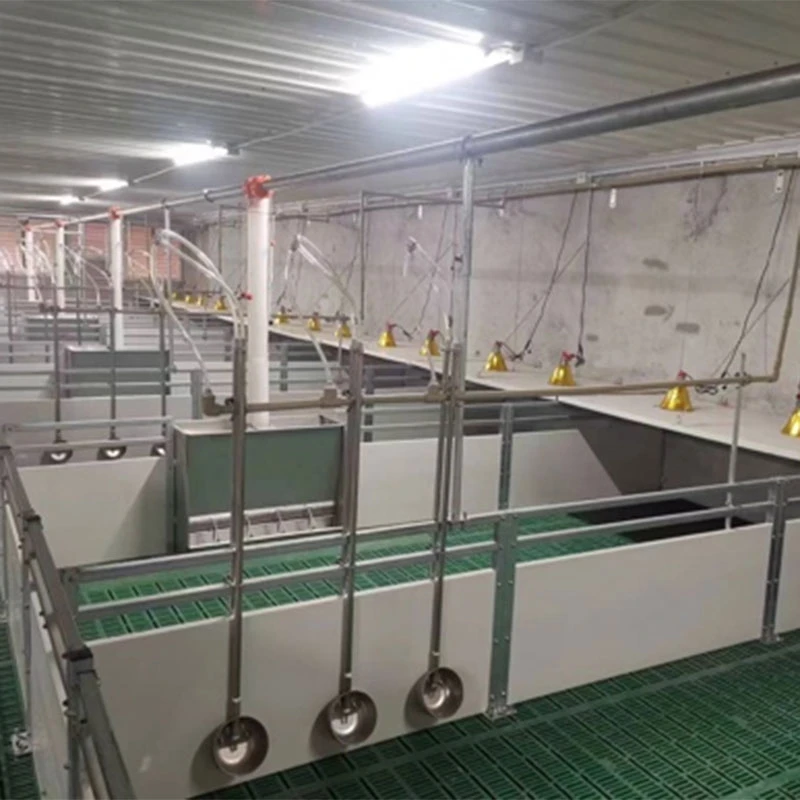
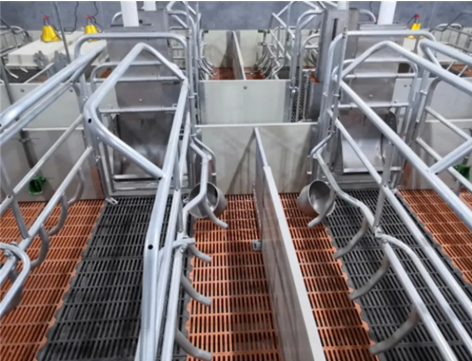
Space is a luxury on most small farms, so a pen must comfortably house a sow and her litter without stressing the animals. Standard footprint sizes hover around 6–7 square meters, allowing enough room for farrowing crates, creep areas (warm spots for piglets), and easy operator access.
Ease of Cleaning and Maintenance
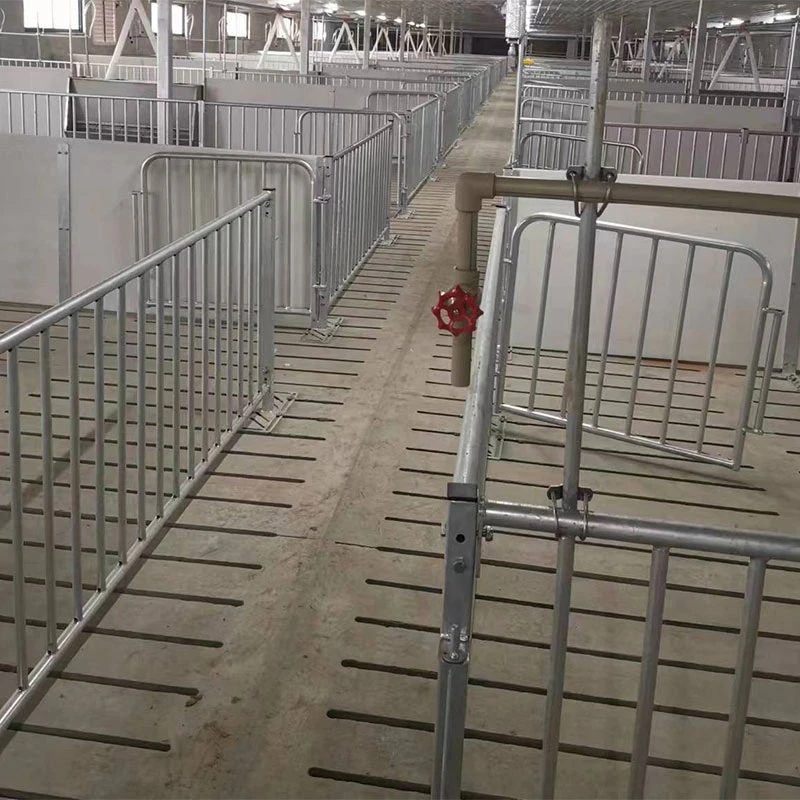
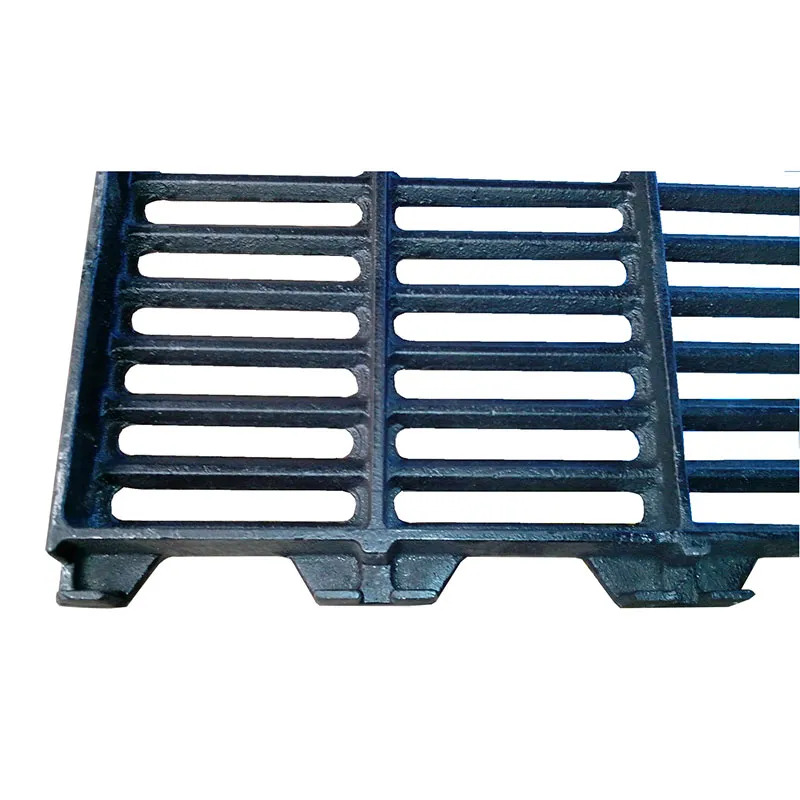
Good design includes features like slatted floors or removable panels, making it easier to keep the pen sanitary. This reduces disease risks—a major cause of piglet loss.
Cost Efficiency
Simple farrowing pens keep costs low without sacrificing safety. Many NGOs focus on designs costing under $150 USD per pen, which is feasible using local materials and labor.
Scalability and Modularity
The best designs can be repeated or expanded easily. Modular pen sections that snap together help farms or projects grow over time instead of building all at once.
Thermal Comfort
Providing piglets a warm “creep area” (typically heated pads or lamps) within the pen prevents hypothermia. This keeps mortality low during those critical early days.
Mini Takeaway:
The best simple farrowing pen designs balance affordability, functionality, and animal welfare—making life better for both humans and pigs.
Global Applications & Use Cases
Simple farrowing pens find homes across continents:
- Africa: Smallholder farms in Kenya and Ghana use these designs to boost pork production while improving animal health.
- Asia: In Vietnam’s rural communities, simple pens help families sustain their livelihoods amid rapid urbanization pressures.
- Post-Disaster Relief: NGOs supplying simple farrowing pens help refugee farmers keep pigs during displacement. For instance, after the 2015 Nepal earthquake, pen kits sped piglet survival recovery.
- Industrial Farms: Even larger operations adopt simplified pen models for nurseries and recovery housing.
Organizations such as the International Livestock Research Institute (ILRI) endorse simple pen guidelines that fit both resource-limited and commercial contexts — proving that good design transcends boundaries.
Advantages & Long-Term Value
Why bother choosing a simple farrowing pen design?
- Reduced Piglet Mortality: Protection from crushing and cold stress saves precious piglets.
- Improved Hygiene: Easier cleaning helps prevent disease outbreaks.
- Economic Gains: More piglets surviving means higher income for farmers.
- Animal Welfare: Giving sows room to move with safety helps meet humane farming standards increasingly demanded by markets.
- Sustainability: Using local materials cuts the carbon footprint and promotes circular economies.
And, frankly, knowing you’re supporting better lives for animals and farmers alike brings a satisfying sense of purpose. It’s innovation with a heart.
Product Specification: Typical Simple Farrowing Pen
| Feature | Specification | Notes |
|---|---|---|
| Dimensions | 2.5 m x 2.8 m (7 m² approx.) | Comfortable sow + piglet space |
| Frame Material | Galvanized Steel Tubing | Rust resistant, durable |
| Floor Type | Slatted Plastic or Concrete | Easy drainage, hygiene |
| Heating Method | Infrared heat lamp or heated mats | Piglet warmth |
| Cost Estimate | $120–$150 USD | Local labor and materials |
Vendor Comparison: Popular Simple Farrowing Pen Suppliers
| Vendor | Material Quality | Price Range (USD) | Customization Options | Delivery Time |
|---|---|---|---|---|
| AgriPen Solutions | High-quality galvanized steel | 140–160 | Modular add-ons available | 2–3 weeks |
| RuralBuild Kits | Treated timber + wire mesh | 120–140 | Custom sizes on request | 1–2 weeks |
| FarmEase | Basic steel with plastic flooring | 110–130 | Fixed models only | 1 week |
Emerging Trends & Innovations in Farrowing Pen Design
Frankly, innovation in this space is subtle but significant. For instance:
- Use of recyclable composites: New panels made from recycled plastics give better durability and reduce environmental impact.
- Solar-powered heating: Green farms are adopting solar heated creep areas, cutting energy costs.
- Digital monitoring: Sensors track temperature & sow behavior, alerting farmers remotely if intervention is needed.
- Modular kits: Manufacturers are increasingly offering DIY kits that are plug-and-play, cutting setup times to hours.
Common Challenges & Practical Solutions
Obstacles often include sourcing quality materials locally and balancing cost vs. durability. A project in rural Malawi revealed repeated pen collapse due to cheap nails—highlighting how material quality can’t be compromised.
Experts recommend partnering with local fabricators and investing upfront in corrosion-resistant coatings. For example, simple farrowing pen design blueprints that rely on galvanized structures stand the test of time better than untreated timber.
Also, small farmers sometimes resist new designs, fearing complexity. Community training sessions and real-life demonstration farms have been game changers in adoption.
FAQ: Your Questions About Simple Farrowing Pen Design
- How does a simple farrowing pen protect piglets?
- The pen design reduces sow movement space to prevent accidental crushing of piglets and provides warm creep zones that keep newborns comfortable, lowering mortality rates significantly.
- Can these pens be used in disaster recovery scenarios?
- Absolutely. Their simplicity and modular nature mean they can be quickly erected using local materials to help displaced farmers sustain pig breeding despite challenging conditions.
- What is the typical lifespan of a simple farrowing pen?
- When built with quality galvanized steel and proper maintenance, pens can last 7-10 years even in humid climates.
- Are these pens suitable for organic or free-range farms?
- Yes. They provide a humane environment allowing sow movement while giving protection and comfort. Some farms modify layouts for more open pasture integration.
- Where can I find simple farrowing pen designs or suppliers?
- You can explore resources and vendors through agricultural development platforms or visit simple farrowing pen design sites for plans and kits.
Conclusion
In a nutshell, investing in a simple farrowing pen design isn’t just about pigs or farming. It’s about building a foundation for resilient food systems, supporting farmer incomes, and promoting animal dignity all at once. The small details—proper size, durable materials, warmth—really add up over time.
If you’re seeking affordable, effective solutions for your livestock operations or community projects, consider exploring the wealth of simple farrowing pen design options available. A little design effort today promises healthier piglets and happier farmers tomorrow.
References:
Post time: Dec . 02, 2025