Understanding Raised Farrowing Crates: A Key to Sustainable Pig Farming
When it comes to modern livestock management, the raised farrowing crate has quietly become something of a game-changer. It might sound like a niche topic, but across the globe, farmers and agricultural engineers are embracing this innovation due to its practical benefits, animal welfare enhancements, and potential to boost productivity. While we often hear about automation or feed efficiency, the humble farrowing crate, especially ones raised above ground, address some fundamental challenges in piglet survival and sow health that have puzzled producers for decades.
But why has it gained such attention worldwide? Well, pig farming is a massive industry, vital for food security in many regions, and sow welfare is a key component not only ethically but economically. This makes the raised farrowing crate more than just infrastructure — it’s a solution that ties into global goals around sustainable agriculture, animal welfare standards defined by bodies like the OIE, and even regional socio-economic development.
The Global Context: Why Raised Farrowing Crates Matter Today
Globally, pig meat accounts for roughly 36% of the world's meat consumption (FAO, 2023). Yet, piglet mortality rates before weaning often hover between 15% to 25%, leading to significant economic losses and ethical concerns. Raised farrowing crates — which improve isolation and hygiene — offer a practical answer to this issue.
Additionally, with increasing urbanization and changing farming landscapes, many producers require more compact, efficient setups. Countries from Denmark — a leader in pig farming innovation — to emerging producers in Southeast Asia use raised farrowing systems to maximize output within limited spaces, aligning with standards like those in the ISO 22000 food safety management system.
Yet, some challenges persist, like balancing sow comfort with piglet protection, adapting to local climates, and ensuring investments stay cost-effective for smallholders. This is where the design and application of raised farrowing crates really come into play.
What is a Raised Farrowing Crate?
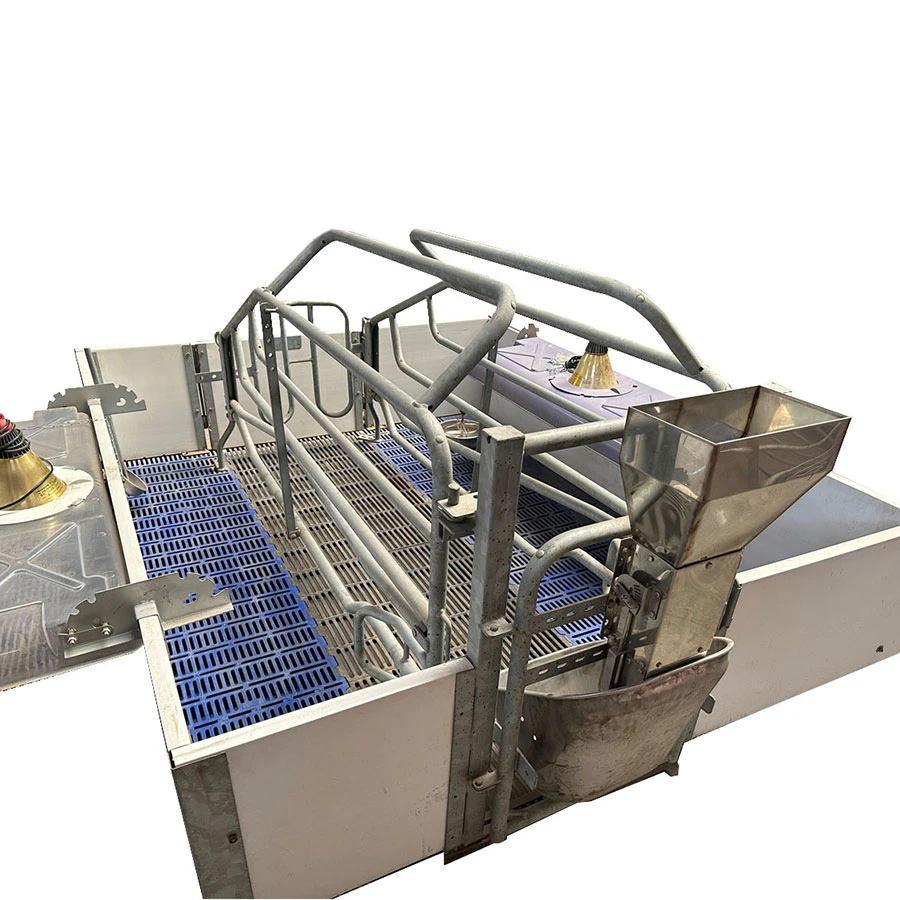
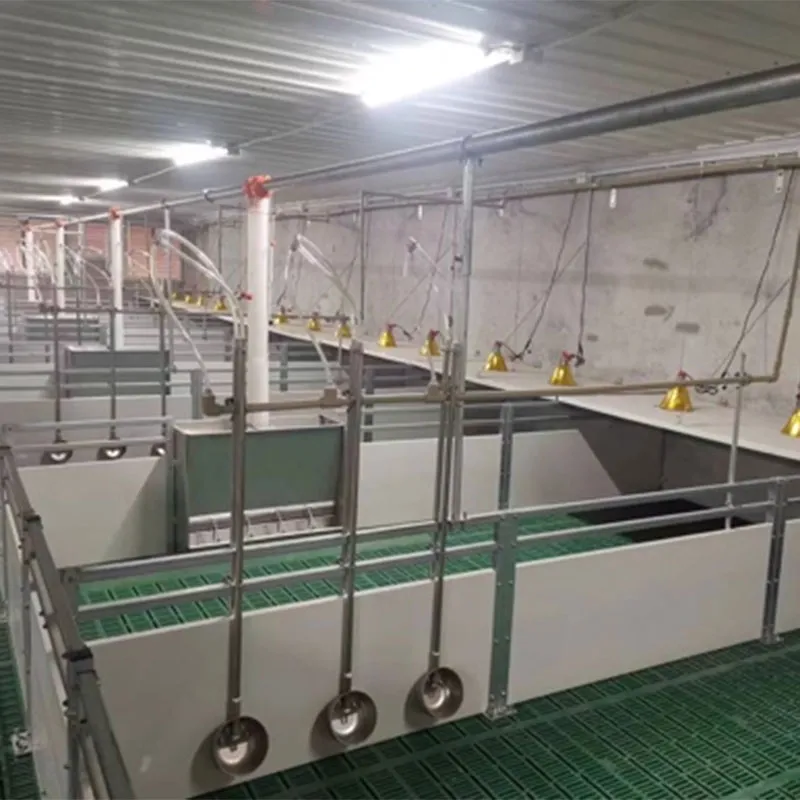
Put simply, a raised farrowing crate is a specialized enclosure for sows during the farrowing (birthing and nursing) period, elevated above ground level. This design helps promote cleaner conditions by facilitating better waste management, improving airflow, and reducing moisture accumulation beneath the pen.
Unlike traditional farrowing crates that sit directly on concrete floors, raised models typically incorporate slatted floors or adjustable heights. This distinction is crucial for controlling hygiene and lowering the risk of disease spread among vulnerable piglets.
Importantly, these crates still "restrict" sow movement — not out of cruelty, but to minimize piglet crushing, a common risk in indoor pig breeding systems. And the "raised" design adds another layer of functionality: easier manure management and often improved thermal regulation.
Core Components of Raised Farrowing Crates
- Frame Durability: Usually galvanized steel or stainless steel frames resist corrosion and last several years under intensive farm conditions.
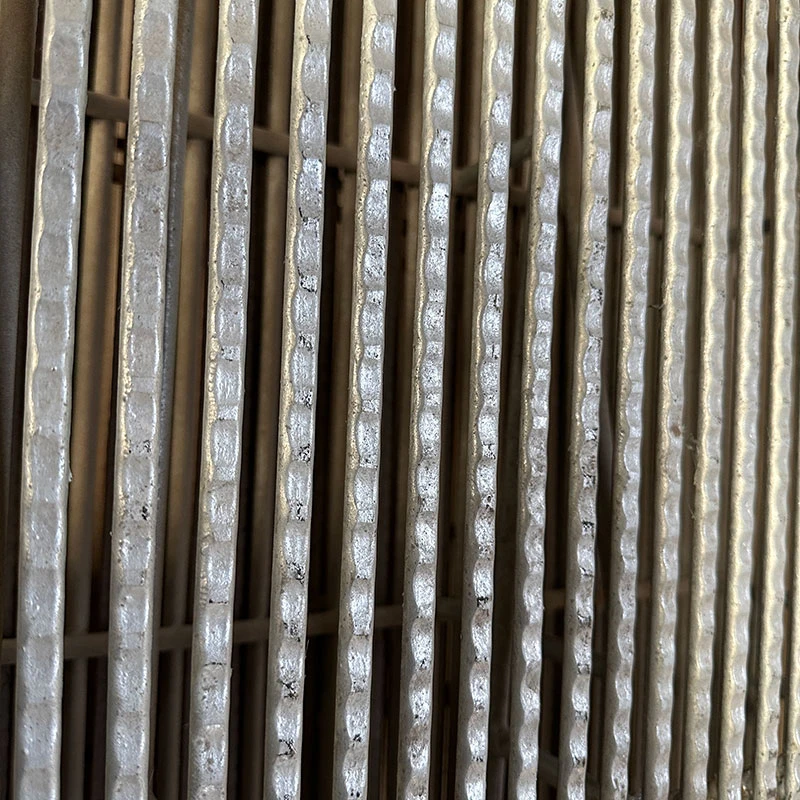
- Flooring: Slatted flooring made of plastic or metal enables efficient waste passage, keeping piglets dry and healthy.
- Dimensions & Ergonomics: Designed to fit varying sow sizes comfortably while providing piglets safe creep areas.
- Ventilation Enhancements: Raised design allows airflow beneath, reducing respiratory issues.
- Adjustability: Some models feature adjustable height platforms or removable sides for cleaning or sow access.
Mini takeaway: These components combine to offer a farrowing environment that’s both safer for piglets and more manageable for farmers.
How Raised Farrowing Crates Are Used Around the World
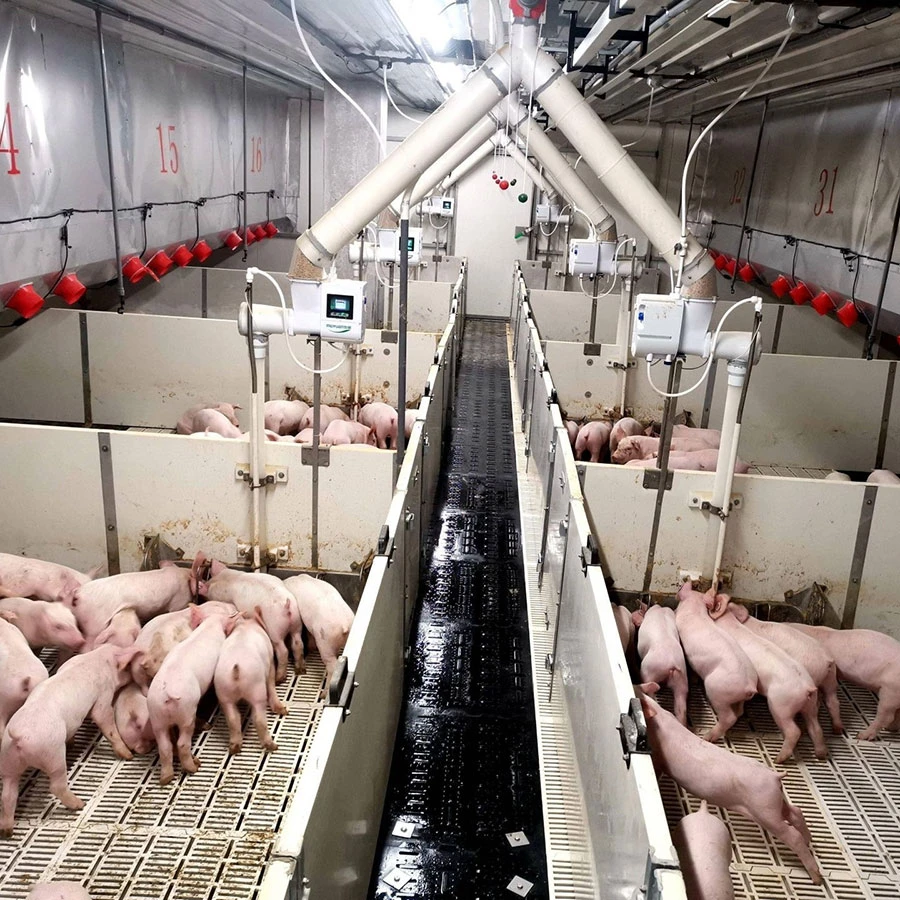
Raised farrowing crates find applications across diverse geographies and production scales. In Denmark and the Netherlands, for example, high-tech versions integrate sensors and monitoring for sow welfare compliance, aligning with EU directives.
Meanwhile, in Southeast Asia, more affordable raised farrowing crates have been pivotal in improving piglet survival rates in smallholder farms, boosting incomes while enhancing livelihoods. Organizations like the Food and Agriculture Organization (FAO) have promoted these setups in post-disaster farming recovery, where rapid establishment of clean pig rearing is essential.
Even in places with extreme climates, such as parts of Canada or Australia, raised crates embedded with climate control features help maintain piglet warmth without overusing energy-intensive heating.
Specifications of a Popular Raised Farrowing Crate Model
| Specification | Details |
|---|---|
| Frame Material | Galvanized Steel (anti-corrosion) |
| Floor Type | Plastic Slatted Flooring (30mm slot width) |
| Dimensions | 2.4m (Length) x 1.2m (Width) x 0.5m (Height above ground) |
| Weight Capacity | Sows up to 300 kg |
| Additional Features | Adjustable height legs, removable side panels, integrated feeding tray |
Comparing Top Vendors of Raised Farrowing Crates
| Vendor | Material | Customization Options | Approximate Price | Warranty |
|---|---|---|---|---|
| FarmBuild Inc. | Stainless Steel & HDPE | Height, Width, Flooring Type | $450 - $650 | 5 Years |
| GreenLivestock Solutions | Galvanized Steel & Plastic | Flooring Slot Size, Feeders | $400 - $600 | 3 Years |
| AgriInnovate Ltd. | Aluminum Frame, Composite Flooring | Modular Setup, Monitoring Tech | $700 - $900 | 7 Years |
Advantages & Long-Term Value of Raised Farrowing Crates
To put it bluntly, raised farrowing crates pay off in quite a few ways. From reducing piglet mortality — which, let’s be honest, directly hits a farmer’s bottom line — to improving sow health, the design tackles several issues at once. Financially, fewer sick piglets means more piglets to market, lowering the cost per surviving piglet.
Environmentally, these crates improve manure management by allowing waste to fall through slats easily. This reduces ammonia buildup and potential water contamination, factors critical for sustainable livestock management, especially in densely farmed areas.
And on the emotional side — quite often overlooked — farmers report feeling more confident and less stressed. Knowing that the piglets have safe, clean spaces means less worry during stressful farrowing periods.
Emerging Trends & the Future of Farrowing Systems
Trends hint at ever-smarter raised farrowing crates. Automation is creeping in with integrated sensors monitoring sow activity, temperature, and piglet movement. There’s also a push for eco-friendly materials — recycled plastics or composites replacing metal frames to reduce carbon footprints.
Climate control innovations, such as radiant heat panels under the crates, complement the raised design by providing just enough warmth for vulnerable piglets without excess energy use. Finally, we’re seeing modular, scalable designs that can be adapted easily across regions with different climate or budget requirements.
Common Challenges and How to Overcome Them
Raised farrowing crates aren’t all sunshine. First, the initial investment can be a barrier for small farmers, though many say it pays off mid-term. Second, inappropriate sizing can stress sows, so customization is key. Third, integrating these crates into existing barns might be tricky.
Solutions? Flexible design options and vendor consultation help tailor crates per need. Also, producer education on proper maintenance keeps these investments durable. Organizations promoting animal welfare encourage phased adoption, pairing raised crates with improved ventilation and hygiene protocols.
FAQ: Your Raised Farrowing Crate Questions Answered
- What makes raised farrowing crates better than traditional designs?
- Raised designs improve waste management via slatted floors and enhance airflow beneath the crate. This helps reduce disease risks and keeps piglets cleaner, ultimately lowering mortality.
- How long do raised farrowing crates typically last?
- Depending on materials and maintenance, these crates generally last 5–7 years. Stainless steel models can last longer but usually cost more upfront.
- Are raised farrowing crates suitable for smallholder or large-scale farms?
- Yes, they can be scaled up or down. Purpose-built smaller units suit smallholders, while modular, tech-integrated crates work well for industrial farms.
- Is it hard to clean raised farrowing crates?
- Actually, raised crates often simplify cleaning since waste falls through slats, reducing daily labor. Removable panels in many models further facilitate sanitation.
- Can raised farrowing crates be customized for different climates?
- Absolutely. Many vendors offer adjustable height, different flooring materials, and add-ons like heat panels or fans to help adapt to both cold and hot environments.
Wrapping Up: Why Raised Farrowing Crates Deserve Your Attention
It’s fair to say the raised farrowing crate may not be the flashiest piece of farm tech, but its subtle benefits ripple through many layers of pig production — from animal welfare to profitability and environmental impact. Given the direction of sustainable farming worldwide, these crates fit neatly with both the practical demands of producers and the growing societal call for ethical treatment of livestock.
For those looking to innovate without an overhaul of their systems, or for regions demanding more efficient livestock management, a raised farrowing crate is well worth exploring — especially when paired with expert suppliers and tailored solutions. Curious or ready to upgrade your setup? Visit our raised farrowing crate page for detailed models and vendor options.
References
Post time: Dec . 02, 2025