Understanding the Global Importance of Calf Crate for Sale
If you’re working in animal husbandry or livestock management, you’ve probably come across the term calf crate for sale. But why should it matter beyond your local farm? Well, the global livestock sector is both vast and vital, employing nearly 1.3 billion people worldwide (FAO, 2023). Efficient calf rearing systems like calf crates impact not just animal health and productivity, but also sustainability, food security, and rural livelihoods. Understanding the key benefits behind a good calf crate purchase unlocks better growth rates, less disease transmission, and easier handling — all of which echo through supply chains and ultimately influence global meat and dairy markets.
So, before we jump into specs and vendors, let's paint a picture of why these crates aren’t just any cages, but essential tools in modern farming.
Why Calf Crates Matter in the Global Livestock Industry
Across continents, the demand for dairy and beef products continues to grow—a trend clearly shown by the United Nations Food and Agriculture Organization, which reports global meat consumption is expected to rise 14% by 2030. That growth, frankly, stresses traditional farming systems.
Here comes the challenge: calf mortality rates in developing countries can be as high as 20-30%, often tied to inadequate housing and disease prevention. Reliable calf crates form a frontline defense, offering tailored environments that support calf welfare, reduce stress, and minimize the spread of pathogens.
With nearly 1 billion calves born globally every year, a simple improvement in how we house and care for them can cascade into healthier herds, stronger economies, and ultimately, more sustainable agriculture worldwide.
What Exactly Is a Calf Crate?
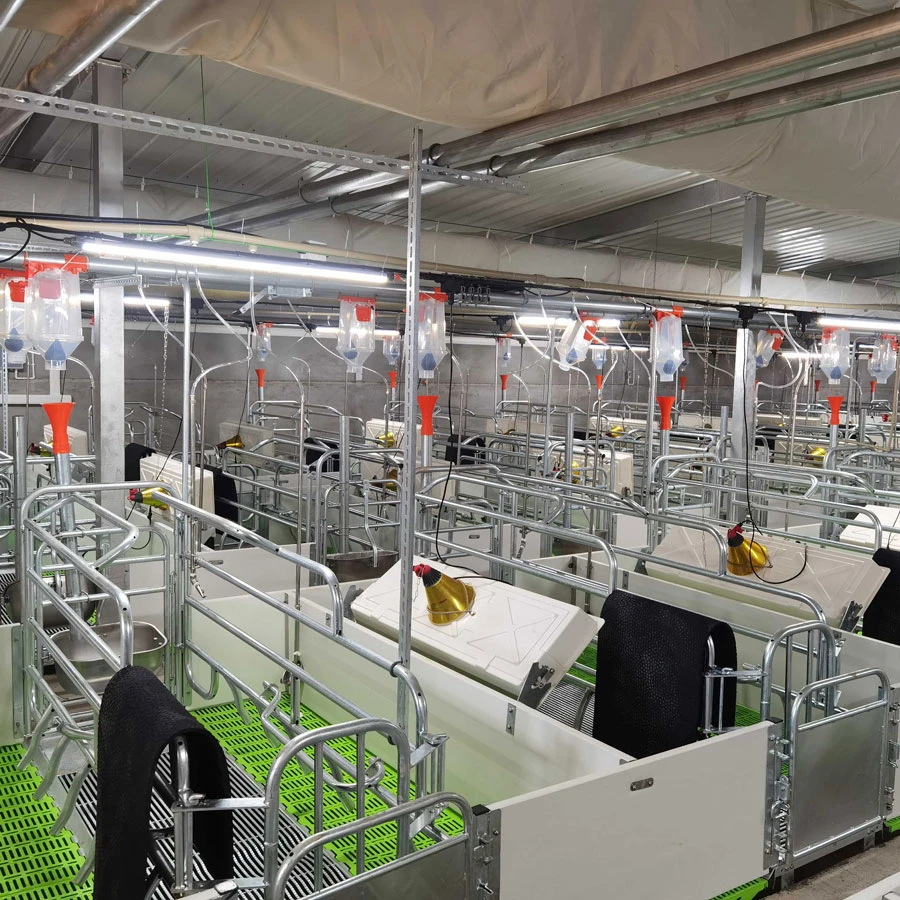
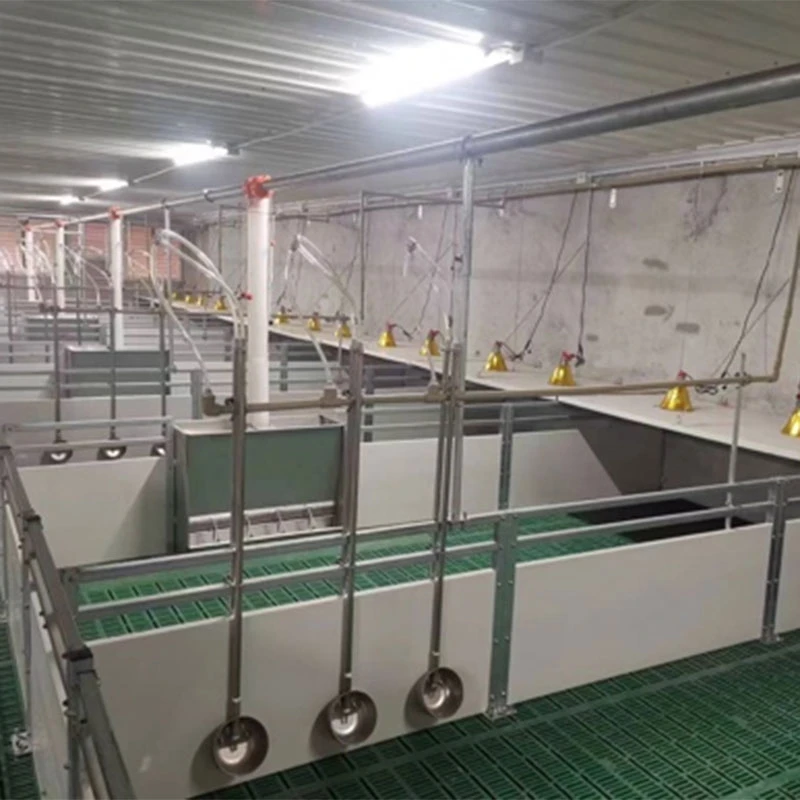
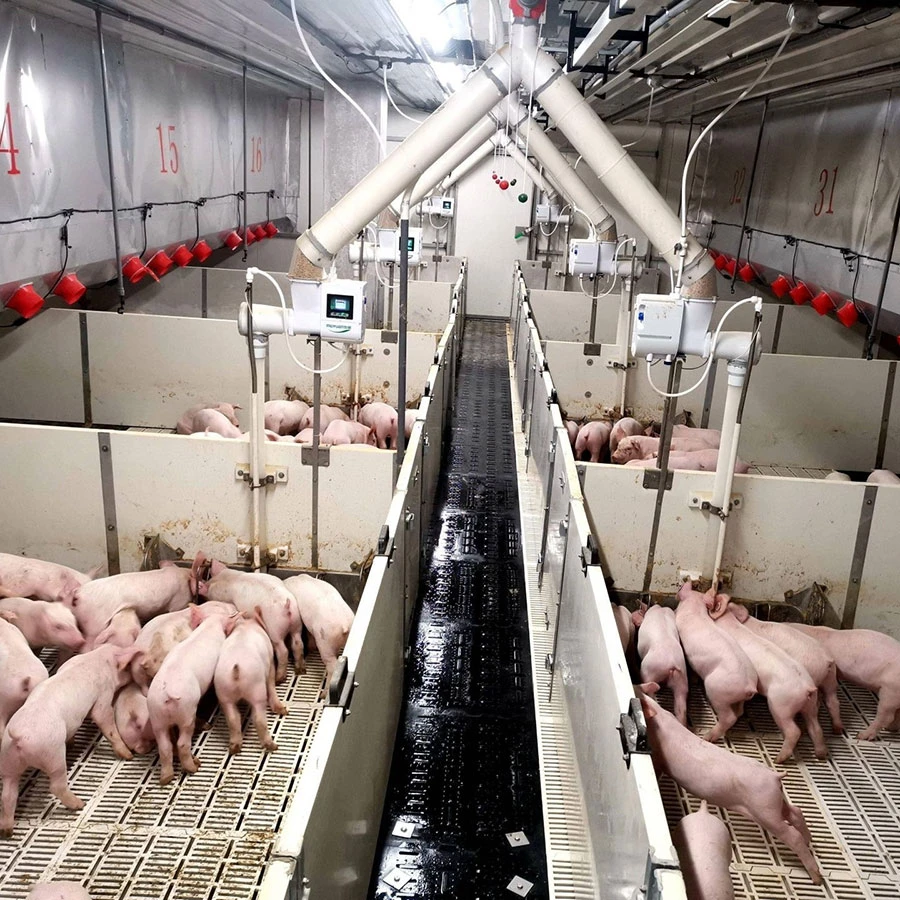
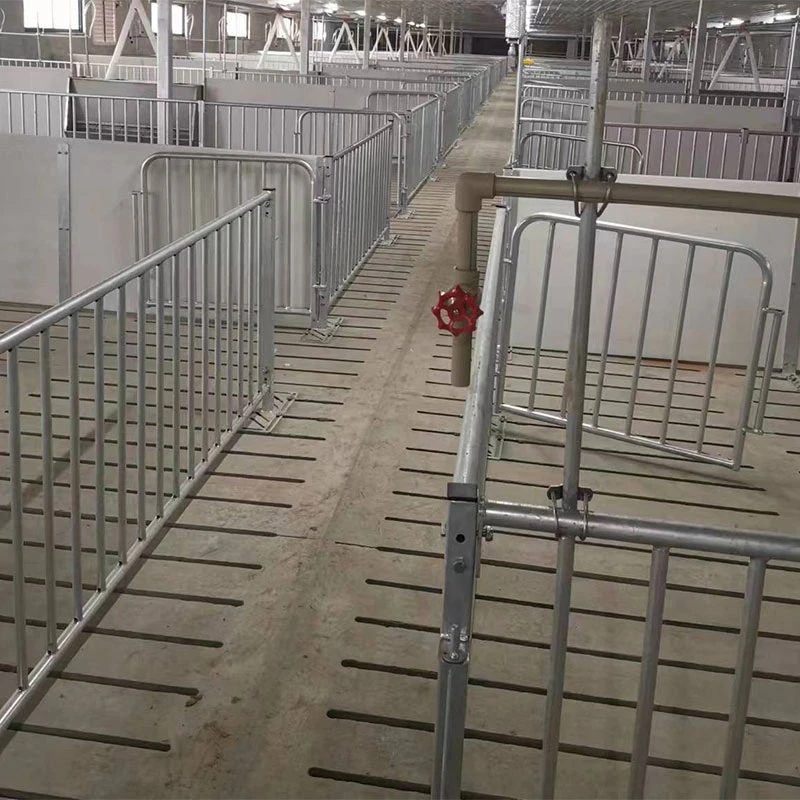
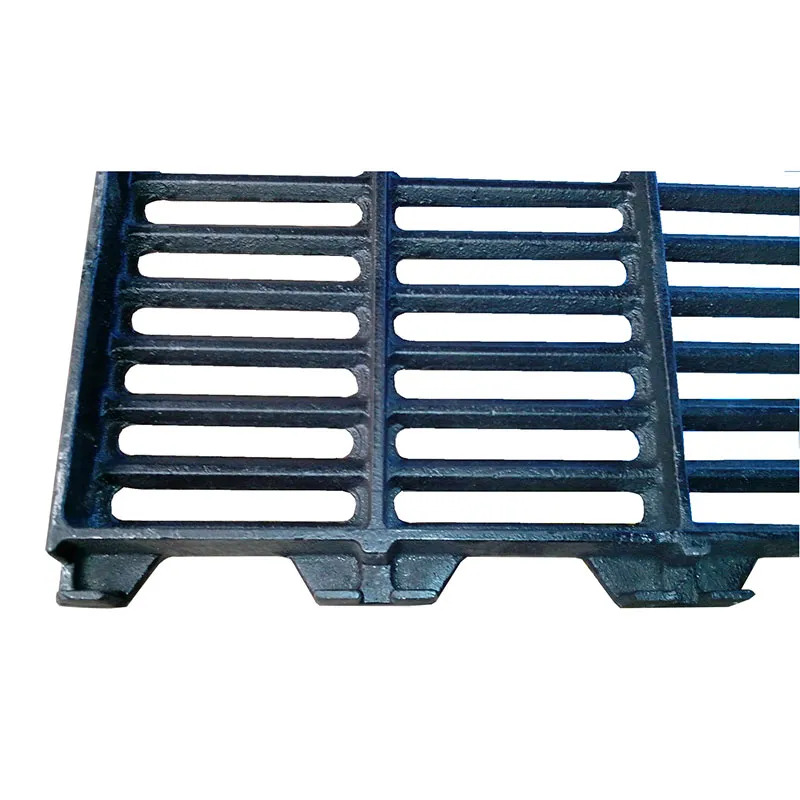
Let’s keep it straightforward. A calf crate is a specially designed stall or pen where newborn calves are placed for rearing, protection, and management. They are often made from metal frames with plastic or metal flooring, sized to allow the calf to stand, lie down, and move but restrict excessive roaming to prevent injury and disease spread.
These crates function as controlled spaces in which farmers can monitor nutrition, sanitation, and health more easily than open barn systems. In humanitarian terms, they represent how careful engineering meets animal welfare needs—a practical nod to the ethics of stewardship, if you will.
Key Factors to Consider When Looking for Calf Crates
1. Durability and Material Quality
A calf crate is an investment expected to last multiple calf-rearing cycles. Frames typically use galvanized steel for rust resistance, while floors may feature thermoplastic or rubber mats to improve hygiene. Durability ensures fewer replacements and less downtime.
2. Size and Ergonomics
Crates must fit the average size of the target calf breeds but also allow growth. Most crates have lengths between 1.5 and 2 meters and widths around 0.75 to 1 meter. Proper dimensions prevent stress and injury during movement.
3. Ventilation and Cleanability
Good airflow reduces respiratory illnesses, so crate design should promote ventilation without drafts. Smooth surfaces and removable panels simplify sanitation routines and biosecurity—something every livestock manager takes seriously.
4. Cost Efficiency
Balancing quality with affordability is vital. Different producers offer various models but often trade-offs exist between upfront cost and longevity or ease of maintenance.
5. Modular or Scalability Features
Many farms want systems that adapt as their herd grows. Modular crates that can be linked together or rearranged are increasingly popular for this reason.
Simple Spec Comparison of Popular Calf Crates
| Model | Material | Size (L × W × H) | Weight | Price Range (USD) |
|---|---|---|---|---|
| FarmSafe Basic 1200 | Galvanized Steel | 1.8 × 0.85 × 1.1 m | 45 kg | $220 - $270 |
| EcoCalf Pro | Recycled Plastic + Steel | 1.9 × 0.9 × 1.2 m | 40 kg | $280 - $320 |
| ModuCrate 5000 | Aluminium Alloy | 1.7 × 0.75 × 1.0 m | 38 kg | $310 - $350 |
Global Applications and Real-World Examples
Calf crates are used from North America’s large-scale dairy farms to smallholder operations across Africa and Asia. For instance, NGOs working on rural development in East Africa often distribute calf crates as part of integrated livestock projects aimed at improving nutrition and income. In colder northern climates, crates with insulated panels help calves withstand harsh winters, improving survival rates.
Interestingly, some industries beyond traditional farming — like animal research facilities — adopt similar crates for controlled environment studies, showcasing the versatility of the concept.
By the way, if you’re on the lookout, we recommend checking out our current calf crate for sale listings for models suited to your needs.
Advantages and What They Mean Long Term
- Healthier calves: Reduced cross-contamination from individual housing.
- Ease of management: Labor savings by simplifying feeding and cleaning routines.
- Investment protection: Quality crates last years, reducing replacement costs.
- Environmental sustainability: Many models now use recyclable or reusable materials.
- Animal welfare compliance: Aligns with international standards like those from the World Organisation for Animal Health (OIE).
Owning a good calf crate feels like getting a reliable teammate—one that won’t quit halfway through the season and helps keep your herd thriving.
Emerging Trends Shaping Calf Crate Design
The next decade will likely see crates equipped with smart sensors to monitor calf temperature, activity, and health indicators remotely — reducing human guesswork. Sustainable materials derived from bioplastics or recycled composites are also gaining popularity, a nod to farmers’ growing environmental concerns.
Moreover, modular designs that snap together without tools are making scaling operations smoother, a true blessing when herd sizes fluctuate unexpectedly.
Common Challenges and How They’re Overcome
One recurring issue users mention is ventilation: too much airflow can chill calves, while too little invites illness. Experts now recommend adjustable side panels or screened vents that farmers can customize by season.
Also, the initial cost can be a hurdle for smaller farms. But innovative leasing and micro-financing solutions are opening access — meaning more farmers get equipped without deep upfront cash.
Vendor Comparison: Picking the Right Calf Crate Supplier
| Vendor | Product Range | Warranty | Custom Options | Global Shipping |
|---|---|---|---|---|
| AgriBuild Inc. | Standard & Modular Crates | 5 years | Yes | Yes |
| EcoFarm Solutions | Eco-friendly Models | 3 years | Limited | Regional only |
| PrimeCrate Co. | High-end Modular Range | 7 years | Extensive | Worldwide |
FAQ: Common Questions About Calf Crate for Sale
Q1: What should I look for when buying a calf crate?
Focus on durability, size fit for your calf breed, ease of cleaning, and ventilation features. Also assess if the crate design allows for expansion or modularity – this future-proofs your investment.
Q2: Are calf crates suitable for all climates?
Most are designed to be versatile, but in extreme climates, look for added insulation or customizable ventilation panels. Some crates even offer weather-resistant coatings to prolong life in harsh environments.
Q3: Can I order calf crates internationally?
Yes, many suppliers offer global shipping, though timings and costs vary. Some vendors also provide guidance on import regulations, which can simplify cross-border purchases.
Q4: How long do calf crates typically last?
With proper care, most quality calf crates last from 5 to 10 years, depending on materials and usage intensity. Regular maintenance like cleaning and checking weld points helps extend lifespan.
Q5: Are there eco-friendly calf crate options?
Definitely. Many manufacturers now produce crates using recycled plastics or sustainable composites, reducing your operation’s overall carbon footprint.
Wrapping It Up: Why Invest in a Calf Crate for Sale?
In real terms, investing in a calf crate for sale is more than just a purchase — it’s a commitment to improved animal welfare, streamlined farm operations, and sustainable farming futures. The cumulative benefits ripple beyond your farm gate, touching everything from local economies to food security.
So whether you manage a handful of calves or hundreds, a well-chosen calf crate can be part of a smart, reliable system that grows with you.
Visit our website today to browse options and find the right fit tailored to your needs!
Mini takeaway: Calf crates might sound simple, but their designs and deployment tackle complex problems like animal health, biosecurity, and operational efficiency worldwide. The right crate today sets the tone for tomorrow’s thriving herd.
References
Post time: Nov . 30, 2025