Plastic Slats for Sale: A Small Component Making a Big Global Impact
At first glance, plastic slats might seem like just another industrial accessory—rows of plastic strips you find in flooring or livestock pens. But when you dig deeper, they turn out to be quiet workhorses with an outsized influence across agriculture, manufacturing, and even humanitarian sectors worldwide. Understanding plastic slats for sale and their multifaceted applications opens doors to smarter, sustainable practices that align with industry trends and global needs.
The Broad Reach: Why Plastic Slats Matter Globally
According to recent data from the Food and Agriculture Organization (FAO), over 1.5 billion people worldwide depend on livestock farming, which often relies on durable, hygienic slatted floors. Plastic slats have steadily replaced traditional concrete or wood because they are lighter, easier to clean, and can significantly improve animal welfare. The rise of these slats tracks with broader global goals of sustainability, efficiency, and safety in food production and infrastructure. Plus, with plastic manufacturing becoming more optimized and environmentally conscious, these slats meet increasing demand for durable, recyclable materials.
But challenges remain, especially regarding longevity under harsh conditions and proper disposal. So there’s a neat puzzle here—balancing performance with environmental responsibility. That’s where savvy vendors and buyers come in.
Mini takeaway: Plastic slats are more than plastic strips; they’re part of a growing global effort for efficient, humane, and sustainable industrial solutions.
Plastic Slats for Sale: What Are They Exactly?
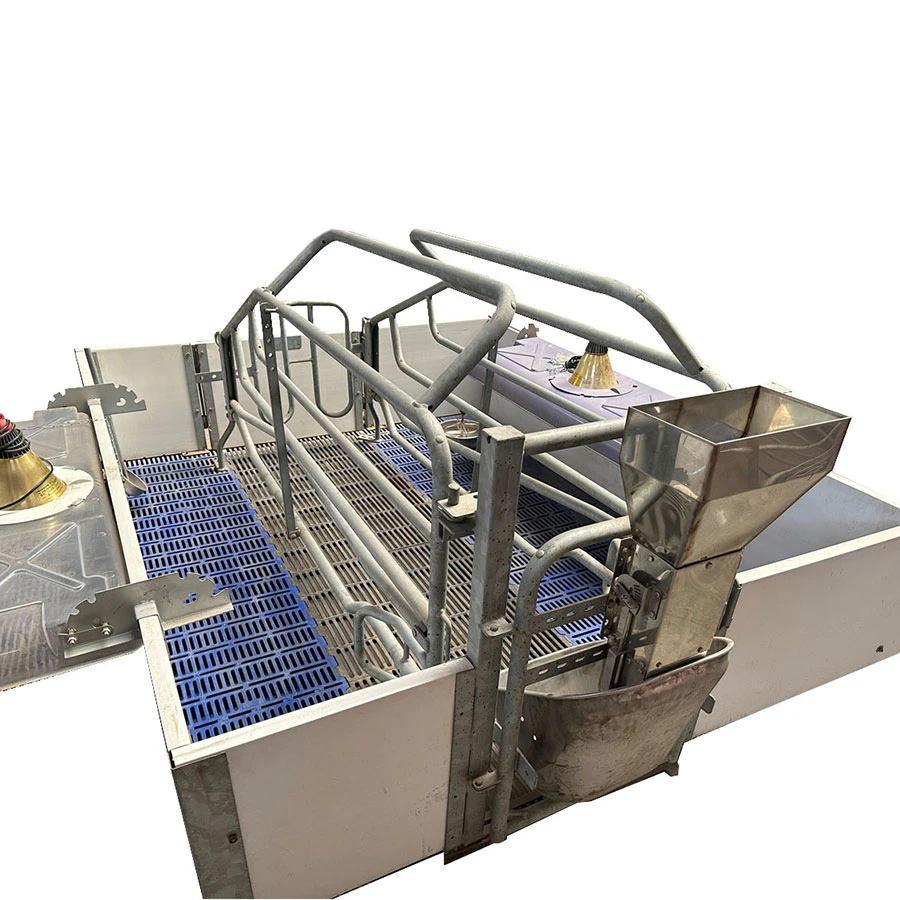
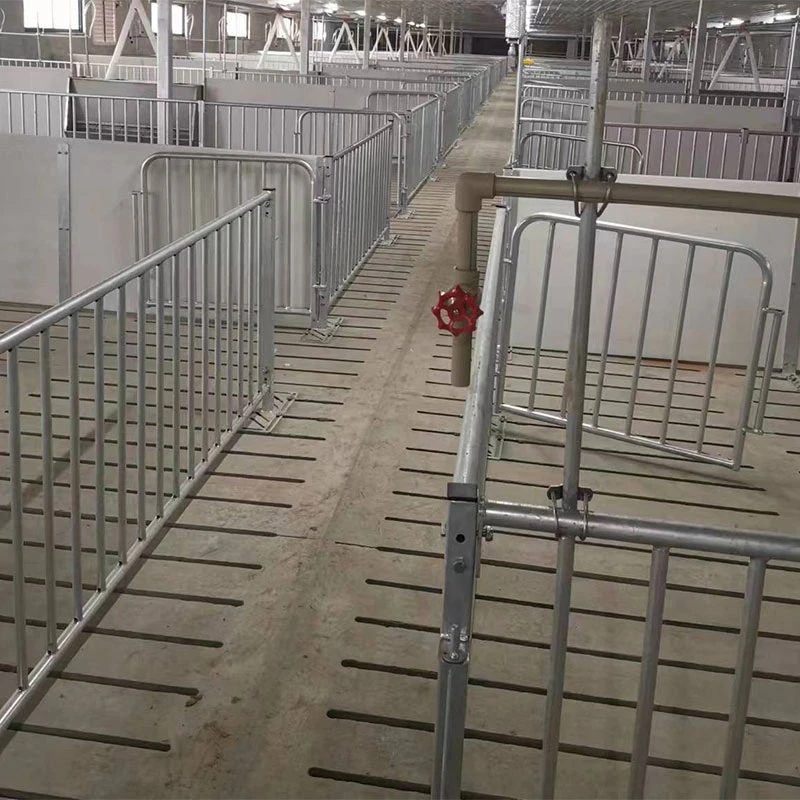
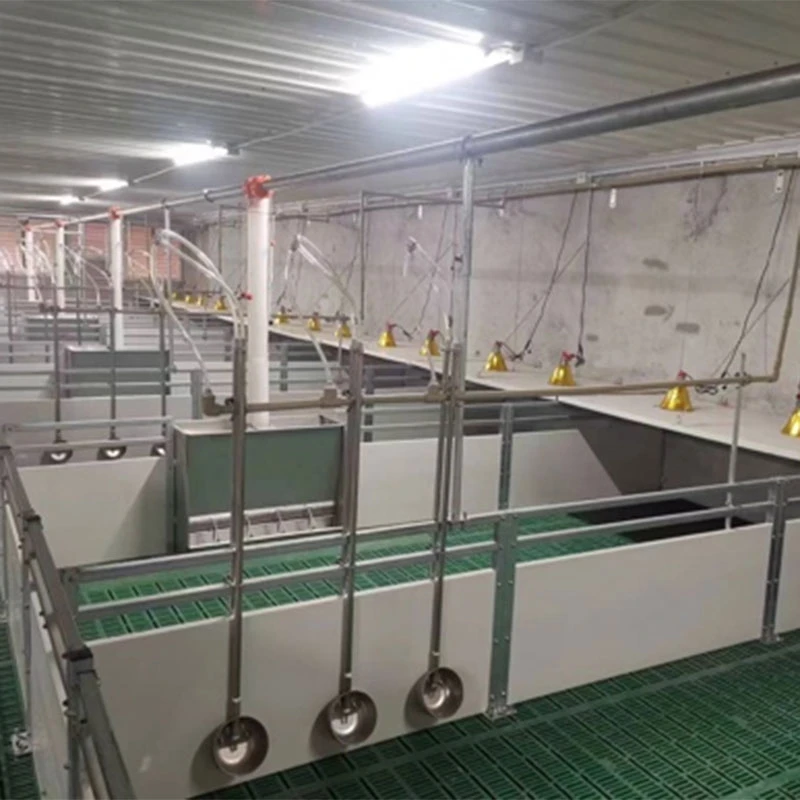
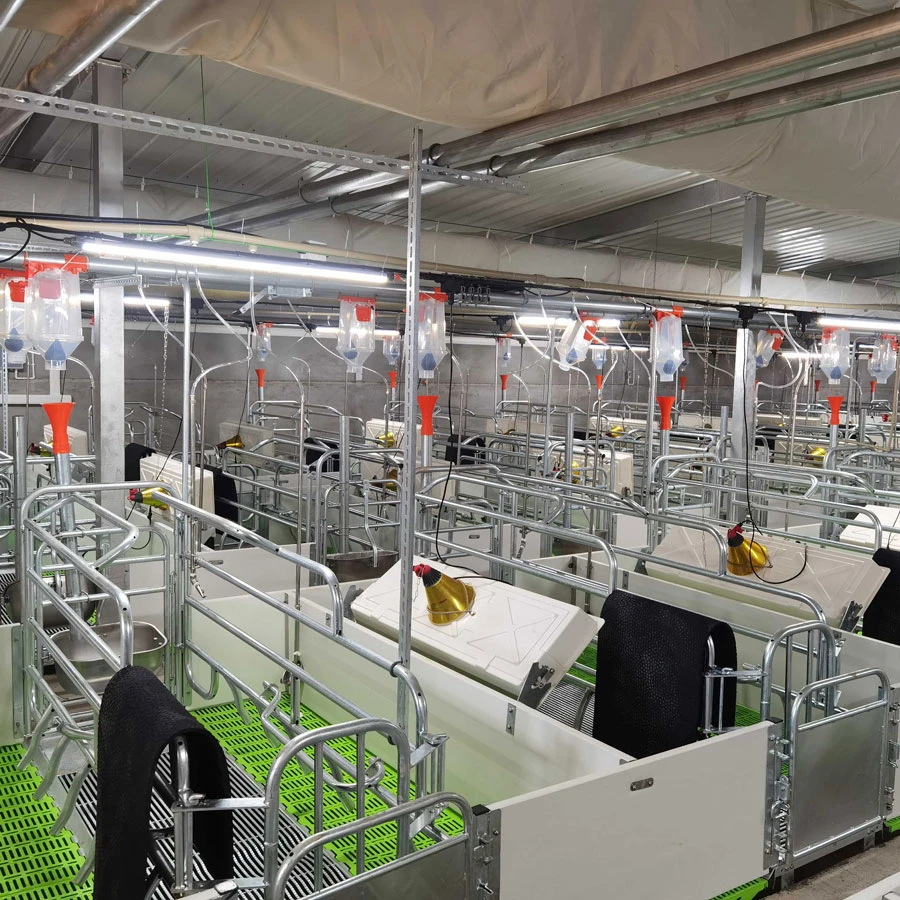
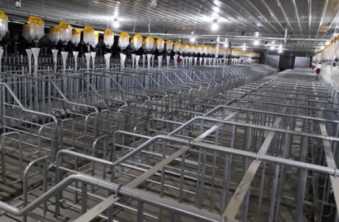
Simply put, plastic slats are narrow strips typically made from polypropylene or polyethylene, designed to function as flooring or partitions that allow liquids or waste to pass through while providing a solid, durable surface. Found predominantly in animal housing—like pig or poultry farms—they support cleanliness and comfort, minimizing disease and injury risks.
Modern industries also use them in waste handling, conveyor lines, greenhouse shading, and modular construction. Their modularity and ease of customization link them closely to modern demands for quick, scalable solutions in everything from agriculture to humanitarian shelter design.
Mini takeaway: Plastic slats merge functionality with versatility, bridging industry and humanitarian needs.
Core Components of Plastic Slats: What You Should Know
Durability
One of the main selling points is their robustness. Unlike wood, which rots, or concrete, which cracks, plastic slats resist corrosion, chemicals, and impact. In climates with heavy moisture or manure exposure, this resilience translates into longer service life.
Ease of Maintenance
Cleaning is a breeze — high-pressure washing can clear residues without damaging the surface. This helps control pathogens on farms or production sites, which is crucial for animal health and product quality.
Cost Efficiency
While upfront costs can vary, plastic slats often outpace alternatives in total cost of ownership because they don’t need frequent replacement or complicated installation.
Scalability & Customization
Plastic slats come in modular designs, making them easy to expand or tailor to specific spatial needs. This makes them popular in growing operations or temporary setups.
Environmental Impact
Many suppliers now produce slats using recycled materials or design them for recyclability. This is an increasingly critical factor as industries pivot toward greener practices.
Product Specification Table
| Specification | Details |
|---|---|
| Material | Polypropylene, UV stabilized |
| Dimensions | 1200mm x 600mm x 40mm (length x width x height) |
| Load Capacity | Up to 500kg/m² |
| Color Options | Gray, Black, Green |
| Warranty | 5 years against material failure |
Where Plastic Slats Shine: Real-World Applications
From the farms of Denmark to industrial plants in Southeast Asia, plastic slats have found niches that illustrate their versatility:
- Livestock farming: Widely used in pig and poultry operations to manage manure and improve hygiene.
- Industrial flooring: Conveyor systems or light manufacturing floors benefit from their easy-clean surface and durability.
- Aquaculture setups: Used to create dry platforms that resist water damage.
- Post-disaster relief: In emergency shelters, modular plastic flooring helps maintain sanitation and rapid deployment.
I remember reading about a relief operation in the Philippines where modular plastic slats helped reduce waterborne disease outbreaks by providing clean, elevated flooring for temporary housing.
Mini takeaway: Plastic slats' modularity and robustness make them an unsung hero in diverse industries, adapting effortlessly to different environments.
Advantages & The Long View: What Makes These Slats Worth Buying?
It’s not just about cheaper plastics; the benefits run deep:
- Sustainability: Reusable and increasingly recyclable, aligning with [ISO 14001](https://en.wikipedia.org/wiki/ISO_14001) environmental management standards.
- Animal Welfare: Reduces injuries and provides non-slip surfaces, helping farmers meet welfare regulations.
- Cost Savings: Less maintenance and longer lifespan equals better ROI.
- Health & Safety: Better hygiene thanks to ease of cleaning, fewer parasites, and improved worker safety.
Plus, when you think long term, investing in quality plastic slats can boost credibility with consumers who increasingly care about ethical practices. So it’s partly economics, partly culture, and partly trust.
Where We're Headed: Future Trends in Plastic Slats
The industry isn’t standing still. Innovations point toward:
- Bio-based plastics: Reducing fossil fuel dependence by using materials derived from plants.
- Smart materials: Embedded sensors for temperature or wear monitoring, supporting Industry 4.0.
- Improved recyclability: Circular economy models are pushing manufacturers to design for disassembly and reuse.
Digitally transforming how these slats are tracked and maintained in large operations could be a game changer. Imagine your flooring telling you when it’s time to replace itself — now that would save headaches.
Challenges & How Industry Experts Are Tackling Them
Despite the upsides, there are hurdles:
- UV degradation: Prolonged sun exposure can weaken some plastics, though UV stabilization technologies help combat this.
- Initial cost hesitancy: Some users balk at paying more upfront compared to basic alternatives.
- Disposal concerns: Not all slats enter recycling streams properly, contributing to plastic waste.
Innovative manufacturers partner with recyclers and implement buy-back programs to ensure end-of-life materials get a second chance. Meanwhile, educating buyers about total cost of ownership helps overcome cost objections.
Quick FAQ About Plastic Slats for Sale
- Q: What are the main benefits of plastic slats over traditional concrete floors?
- A: Plastic slats are lighter, easier to install, resistant to corrosion, and provide better drainage, which leads to improved sanitation and animal comfort.
- Q: How long can plastic slats typically last in harsh farming environments?
- A: With UV stabilization and proper maintenance, they usually last 5 to 10 years, sometimes longer depending on usage and climate conditions.
- Q: Are plastic slats environmentally friendly?
- A: Many modern plastic slats are made from recycled materials and can be recycled again. Choosing suppliers committed to sustainability enhances their eco-profile.
- Q: Can plastic slats be customized for specific farm layouts?
- A: Yes, modular designs allow custom sizing, perforation patterns, and color options to suit diverse operational needs.
- Q: How do I find reliable suppliers for plastic slats internationally?
- A: Look for vendors with certifications, transparent supply chains, and comprehensive customer service. Platforms like plastic slats for sale offer vetted options and support efficient exports.
Wrapping It Up: Why Investing in Plastic Slats Pays Off
Plastic slats might not be the flashiest topic at the dinner table, but they quietly support a lot of what makes modern farming and industry tick. Their blend of durability, hygiene, and sustainability addresses today’s challenges while prepping industries for tomorrow’s realities. If you’re considering upgrading infrastructure or starting a new project, checking out quality plastic slats for sale could be your first step toward smarter, cleaner operations.
Ready to explore your options? Visit our website: https://www.cxlivestock.com and see what the future of plastic slats looks like.
Vendor Comparison: Finding the Right Source
| Vendor | Product Range | Certification | Lead Time | Price Range |
|---|---|---|---|---|
| CX Livestock | Wide (Pigs, Poultry, Custom Sizes) | ISO 9001, ISO 14001 | 2–4 weeks | $$$ |
| GreenFloors | Limited (General Purpose) | ISO 14001 | 4–6 weeks | $$ |
| AgriSlats Inc. | Moderate (Livestock Focused) | ISO 9001 | 3–5 weeks | $$$ |
Mini takeaway: Choosing the right vendor means balancing certification, product variety, price, and delivery speed — no one size fits all.
References
Author's note:
It’s funny how something as straightforward as plastic slats can touch so many corners of global industry and ethics. It feels like finding poetry in practicality — who knew?
Post time: Dec . 02, 2025