Why Plastic Flooring for Poultry Matters Worldwide
Plastic flooring for poultry might not be the first thing on your mind when thinking about global agriculture or livestock sustainability, but it plays a surprisingly big role. Around the world, poultry farming is a critical source of protein, income, and livelihood for millions. And as the demand rises — expected to break global records by 2030 (FAO, 2023) — so does the pressure to develop methods that keep birds healthy, farms efficient, and environments clean.
This is where plastic flooring for poultry stakes its claim. It's more than just a surface underfoot. It’s a carefully designed technology that helps improve animal welfare, reduce contamination risks, and boost operational efficiency on farms from small rural setups in Southeast Asia to vast industrial complexes in Europe.
Understanding why plastic flooring is increasingly adopted offers clear benefits — from reducing disease spread to enhancing sustainability. And frankly, the difference compared to traditional litter or concrete floors is stark.
Global Context: A Growing Challenge in Poultry Farming
According to the Food and Agriculture Organization of the United Nations (FAO), worldwide poultry production has more than doubled in the last 30 years. This surge supports nutrition but also brings hygiene and environmental challenges. For instance, poor flooring design can contribute to moisture buildup, uneven wear, and outbreaks of diseases like coccidiosis and avian influenza.
Industrial-scale poultry farms often grapple with biosecurity issues where spilled feed, droppings, and damp bedding create hotbeds for infections. Meanwhile, smallholder farmers in developing countries face frequent losses due to sub-optimal housing conditions.
Plastic flooring for poultry addresses many such challenges by offering a modular, cleanable, and resilient surface that minimizes pathogen buildup and improves bird comfort. Organizations promoting better animal husbandry worldwide increasingly endorse this technology for both its practicality and scalability.
What Is Plastic Flooring for Poultry?
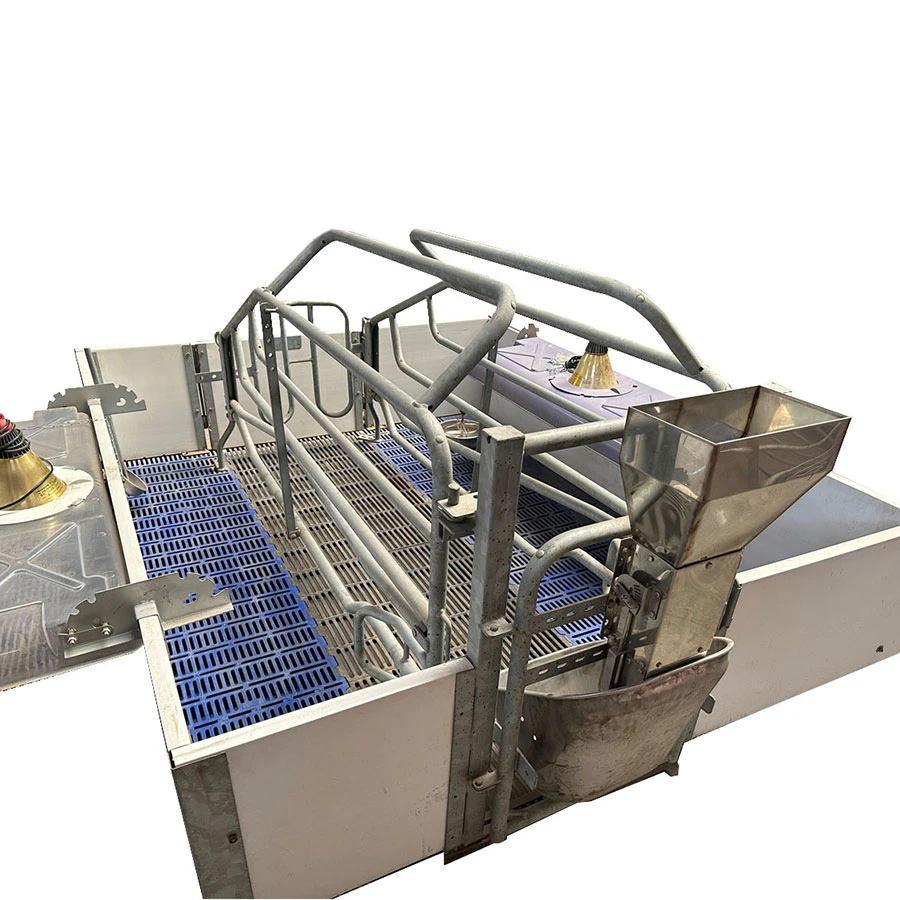
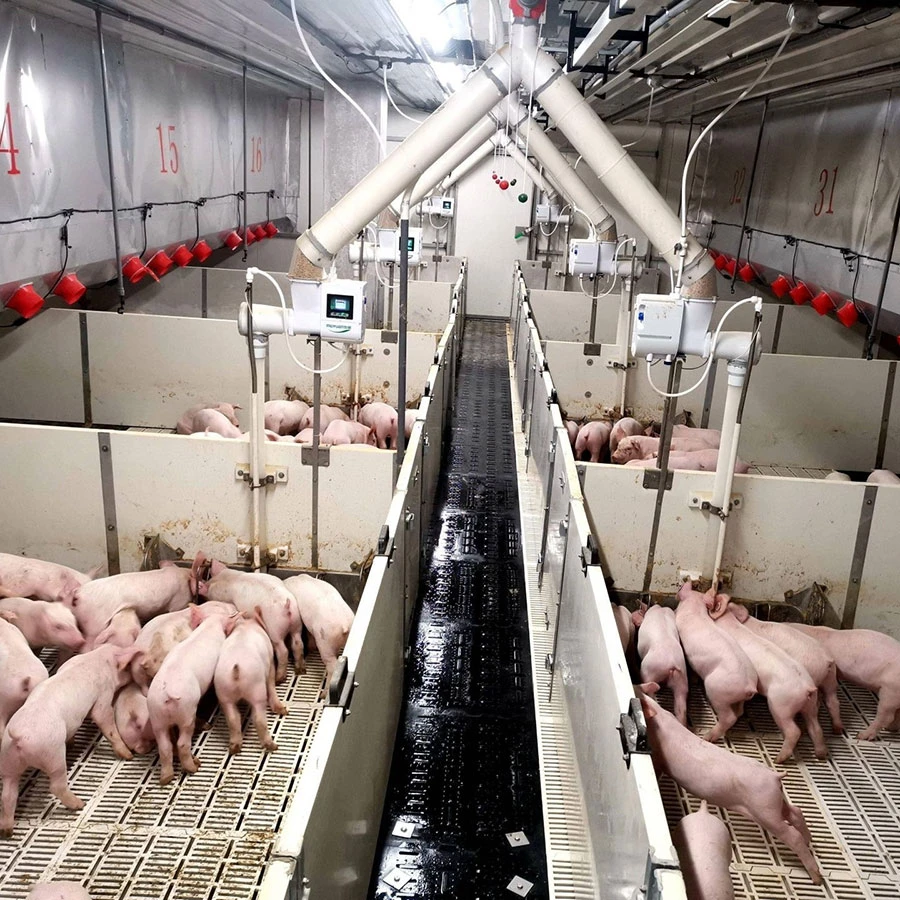
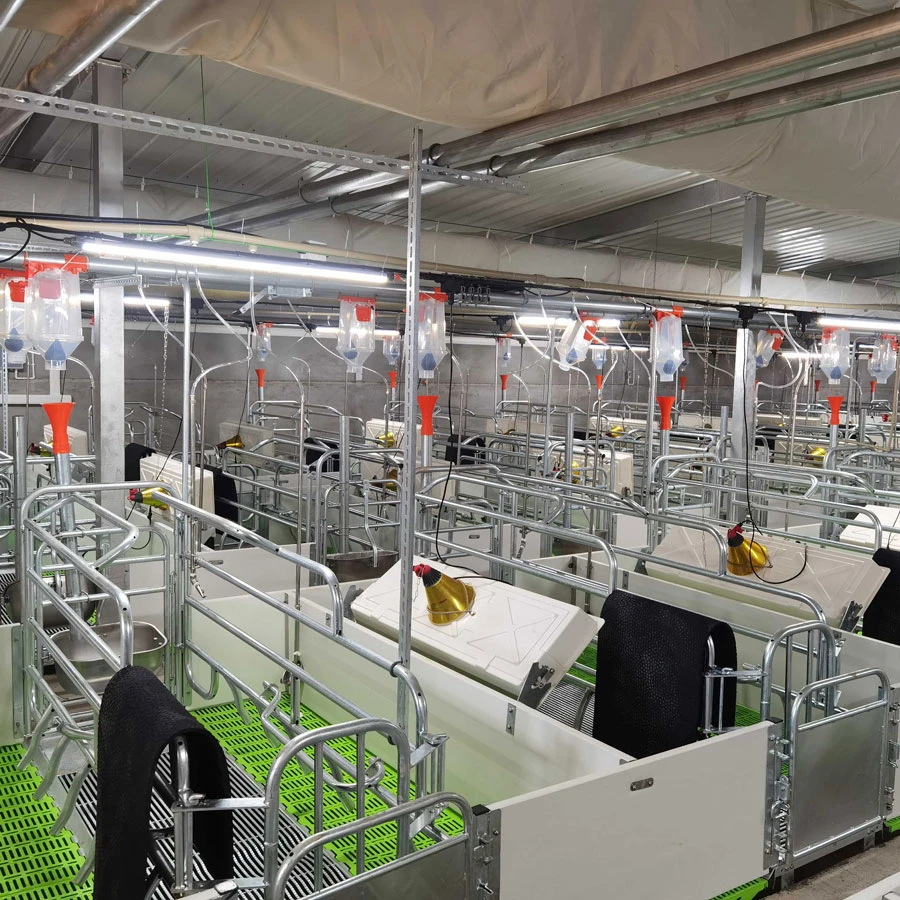
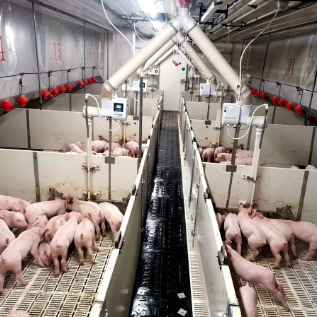
In simple terms, plastic flooring for poultry involves panels or mesh made of durable plastic materials installed in poultry housing environments. Unlike traditional dirt floors or wooden planks, plastic floors elevate the birds slightly, allowing droppings to fall through loosely or be cleaned easily. This prevents moisture accumulation and provides better air circulation underneath.
It’s more than just a “floor” — it’s part of a husbandry system designed for modern poultry farming. For many, it symbolizes a leap towards more humane, sustainable, and efficient livestock care, supporting both the farmer’s bottom line and the wellbeing of the birds.
Key Features Driving the Success of Plastic Flooring
Durability and Strength
Plastic flooring panels are molded from high-density polyethylene (HDPE) or polypropylene composites. This makes them resistant to cracking, moisture damage, and the constant pecking and scratching of poultry. Unlike wooden floors prone to rot, plastic stays stable and clean much longer, making it cost-effective over time.
Easy Maintenance and Hygiene
The non-porous surfaces repel water and waste, enabling quick cleaning — crucial for disease prevention. Some designs feature slats or holes to allow droppings to fall through, reducing bird contact with feces and minimizing ammonia buildup, a killer in poultry houses.
Comfort and Animal Welfare
Believe it or not, chickens do appreciate comfort. Plastic floors, with slight cushioning and texture, can reduce footpad dermatitis and injuries common on rough concrete or dirt floors. This supports better bird health and growth rates.
Modularity and Scalability
Many plastic floor systems are modular, allowing farmers to customize sizes or replace worn panels individually. This aids scalability from backyard setups to intensive commercial operations — a huge plus in a sector where one size rarely fits all.
Cost Efficiency Over Time
Though upfront costs can be higher versus traditional materials, many operators find quick ROI through reduced veterinary bills, feed efficiency, and labor savings in cleaning. The long-term savings often justify the investment.
Real-World Applications Around the Globe
Whether you’re in Brazil’s expanding poultry belt, the small farms of Punjab, India, or high-tech setups in the Netherlands, plastic flooring is making its mark:
- In Southeast Asia, NGOs introduce plastic floor kits to smallholders recovering from floods and typhoons. These kits are quick to install, raising chicks in hygienic environments that help reduce mortality rates.
- Large commercial operations in the U.S. deploy automated cleaning systems paired with plastic slat floors, enabling greater control over litter moisture and disease vector management.
- In research stations worldwide, scientists experiment with new polymer blends that combine UV resistance and antimicrobial properties to extend flooring lifespan and hygiene.
In essence, this flooring type supports diverse agricultural ecosystems from humble barns to research labs, bridging traditional methods and future-ready solutions.
Mini Takeaway:
Plastic flooring is quietly transforming poultry farming worldwide by enhancing hygiene, durability, and bird welfare—three essentials for sustainable industry growth.
The Long-Term Benefits of Plastic Flooring
Why do farmers keep switching? Because plastic floors deliver tangible and emotional benefits:
- Improved Biosecurity: Easily cleaned surfaces reduce bacteria and viruses, promoting flock health.
- Reduced Environmental Impact: Reusable plastics minimize waste compared to frequent replacement of wood or litter.
- Higher Animal Welfare: Comfortable footing translates to healthier birds with better productivity.
- Operational Efficiency: Less manual labor cleaning floors means more time focusing on other farm tasks.
- Trust and Innovation: Many suppliers now offer warranties and certifications (ISO 9001), signaling reliable quality.
If you ask any poultry farmer what keeps them going, many reflect on the quiet satisfaction of better flocks, fewer disease outbreaks, and a farm that runs smoother thanks to things like plastic flooring.
Emerging Trends in Plastic Flooring for Poultry
Technology moves fast even in farm floors. Here’s a glimpse at what’s next:
- Green Materials: Interest in bio-based plastics or recycled HDPE panels is growing to lower carbon footprints.
- Smart Flooring: Embedded sensors for moisture and temperature can alert farmers to problem areas before issues escalate.
- Automation Compatibility: Plastic floors designed to work seamlessly with robotic cleaning and feeding systems.
- Improved UV & Antimicrobial Coatings: Long-lasting treatments to resist degradation and biofilm buildup.
Common Challenges and How Experts Solve Them
Plastic flooring is great, but it’s not perfect. Problems sometimes crop up:
- Initial Cost Sensitivity: Many farmers hesitate due to upfront expenses; leasing or phased installations are increasingly popular solutions.
- Heat Retention in Hot Climates: Some plastics can become warm; newer designs incorporate ventilation or reflective surfaces to combat this.
- Waste Disposal: End-of-life plastic panels require responsible recycling programs, a growing area of industry focus.
Experts I spoke with emphasize the importance of supplier partnerships that provide ongoing support and customization — because every farm truly is unique.
Plastic Flooring for Poultry: Product Specifications
| Specification | Description |
|---|---|
| Material | High-Density Polyethylene (HDPE) with UV Stabilizers |
| Dimensions | Typically 600 x 600 mm panels |
| Weight Capacity | Supports up to 50 kg per panel |
| Surface Texture | Non-slip with perforations for droppings |
| Cleaning | Water washable, chemical resistant |
| Lifespan | 5–10 years depending on usage and climate |
Vendor Comparison: Choosing the Right Supplier
| Company | Price Range | Warranty | Customization | Global Shipping |
|---|---|---|---|---|
| FarmFloors Inc. | $$$ | 5 years | Yes, modular sizes | Yes |
| PoultryPlast Ltd. | $$ | 3 years | Standard sizes only | Regional |
| EcoFarm Solutions | $$$ | 7 years | Custom bio-plastics available | Worldwide |
FAQ: Frequently Asked Questions About Plastic Flooring for Poultry
Is plastic flooring better than traditional litter bedding?
Generally, yes. Plastic flooring allows droppings to fall through or be washed away easily, reducing ammonia buildup and disease risk. Traditional bedding like straw or wood shavings can trap moisture and pathogens if not managed properly.
How long does plastic poultry flooring typically last?
Depending on material quality and environment, plastic floors last about 5 to 10 years. UV-stabilized panels resist sun damage, but frequent cleaning and harsh climates can shorten lifespan.
Can plastic flooring be used in free-range systems?
Usually, plastic flooring is designed for enclosed systems like broiler or layer houses. However, hybrid designs or portable flooring segments can support free-range birds by providing clean resting areas.
Is installation difficult or expensive?
Installation is relatively straightforward, often involving interlocking panels. Though initial costs can be higher than dirt floors, long-term benefits in hygiene and durability offset investment.
Where can I buy sustainable plastic flooring for poultry?
You can find suppliers with recycled or bio-based plastic options globally. For more info on product selections and trusted suppliers, check out our guide at plastic flooring for poultry.
Conclusion: The Long-Term Value of Plastic Flooring
In the end, plastic flooring for poultry isn’t just a clever product innovation — it’s a quiet revolution. It helps farms worldwide improve animal health, reduce labor, and protect the environment, thus supporting a growing global population’s nutritional needs more sustainably.
If you’re involved in poultry farming, whether as a smallholder or a commercial operator, investing time to understand and explore these flooring options is a practical move. It’s an area where innovation meets everyday impact.
Curious to learn more? Visit us at plastic flooring for poultry and explore the latest solutions tailored for your needs.
Mini Takeaway:
Plastic poultry floors are practical, comfortable for birds, and scalable. A small investment today can pay dividends in healthier birds and cleaner operations tomorrow.
References:
Post time: Dec . 02, 2025