The Real Story Behind Pigs in Gestation Crates
If you've stumbled across the term pigs in gestation crates, you might be wondering why it matters beyond farm gates. It’s a topic that resonates globally — touching on animal welfare, agricultural economics, and even environmental footprints. Understanding how gestation crates function and the debates surrounding them isn't just for farmers or scientists anymore. It’s becoming something consumers, policy makers, and welfare advocates grapple with as the global demand for pork rises. Simply put, how we house sows affects health, ethics, and industry efficiency all at once.
Why Pigs in Gestation Crates Are a Global Concern
Around the world, pork is the most widely consumed meat, according to the Food and Agriculture Organization. China alone leads production with over half of global output. In this context, pigs in gestation crates are not a niche issue — they’re a keystone in the architecture of animal husbandry. Yet, the approach has ignited debates due to concerns over sow comfort, mobility, and welfare standards.
The global livestock sector, which accounts for roughly 14.5% of greenhouse gases (IPCC 2019 report), implicitly ties into how pigs are housed. Gestation crates — essentially metal enclosures designed to restrain pregnant sows — influence emissions indirectly via feed efficiency, health issues, and labor. In fact, regulations vary widely worldwide, with some countries phasing them out for more open housing systems.
Mini takeaway: The societal, economic, and environmental dimensions make gestation crates a topic that extends beyond the farmyard, weaving into global food systems and ethics.
What Exactly Are Pigs in Gestation Crates?
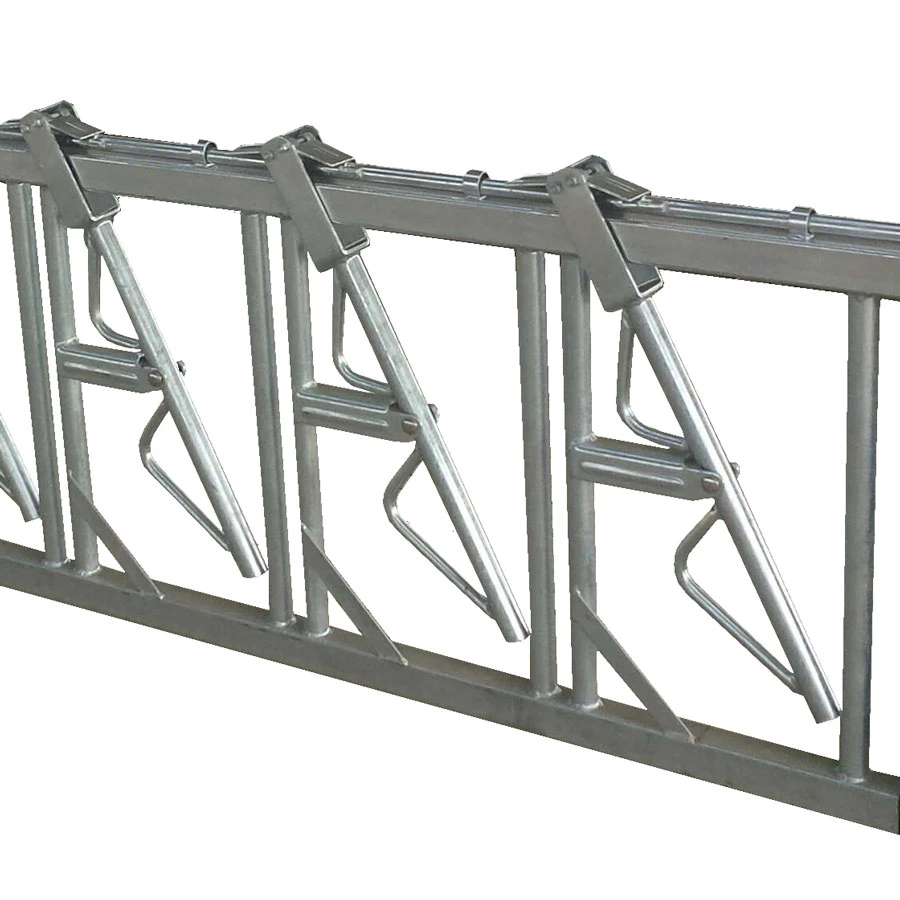
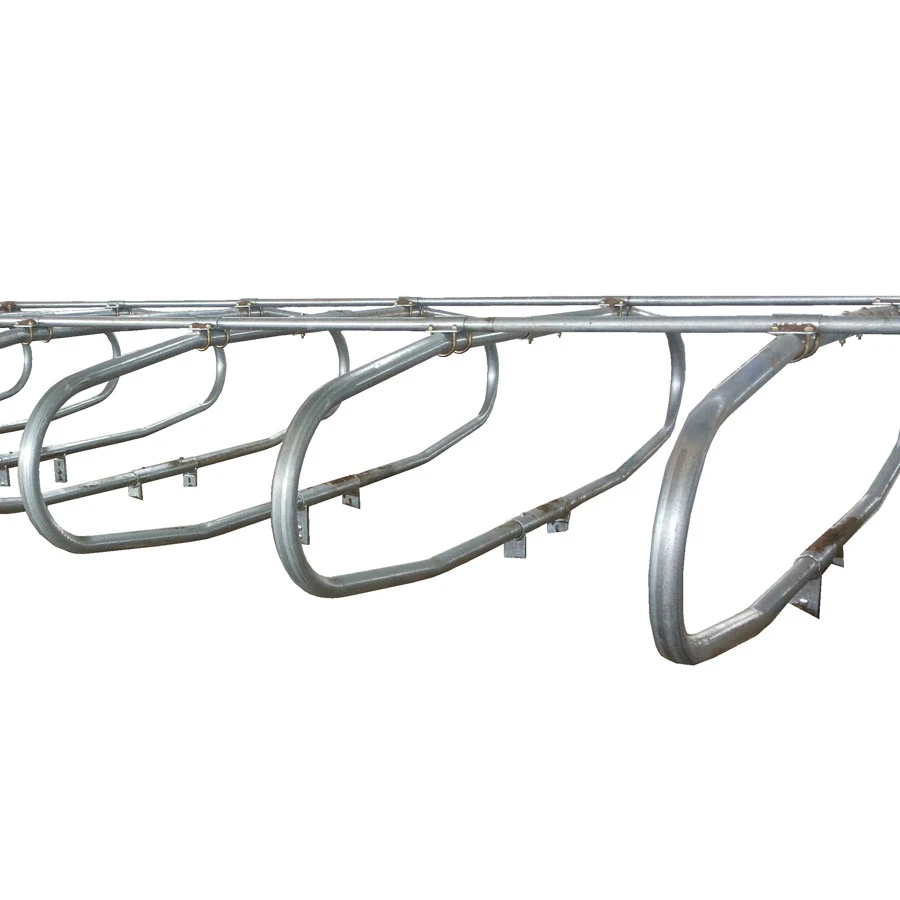
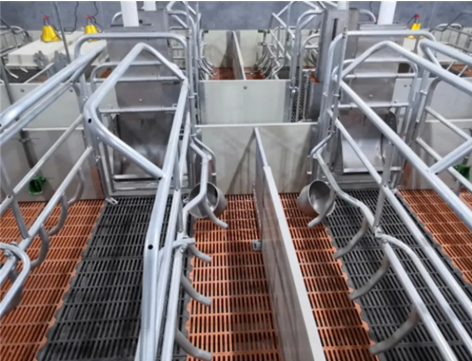
Gestation crates are narrow, typically steel, cages where pregnant sows spend several weeks of their roughly 114-day pregnancy. Designed for space optimization and individual feeding, these crates minimize aggression and competition among sows. A sow in this setting often can’t turn around, raising welfare concerns.
This housing method evolved alongside industrial livestock production — aiming to maximize reproductive efficiency, reduce injuries, and ease management in high-capacity facilities. But the trade-offs have made the crates contentious. The system isn’t just about confinement; it symbolically represents the tensions between productivity, animal care, and evolving consumer expectations.
Core Factors Shaping Gestation Crate Use
1. Durability and Material Quality
Gestation crates are a tough breed of equipment — made from galvanized steel or strong alloys that resist corrosion from waste and moisture. Their longevity means less frequent replacement, which is both a cost saver and environmental plus. Yet, some newer crates introduce composite materials aimed at improving animal comfort.
2. Space and Design Constraints
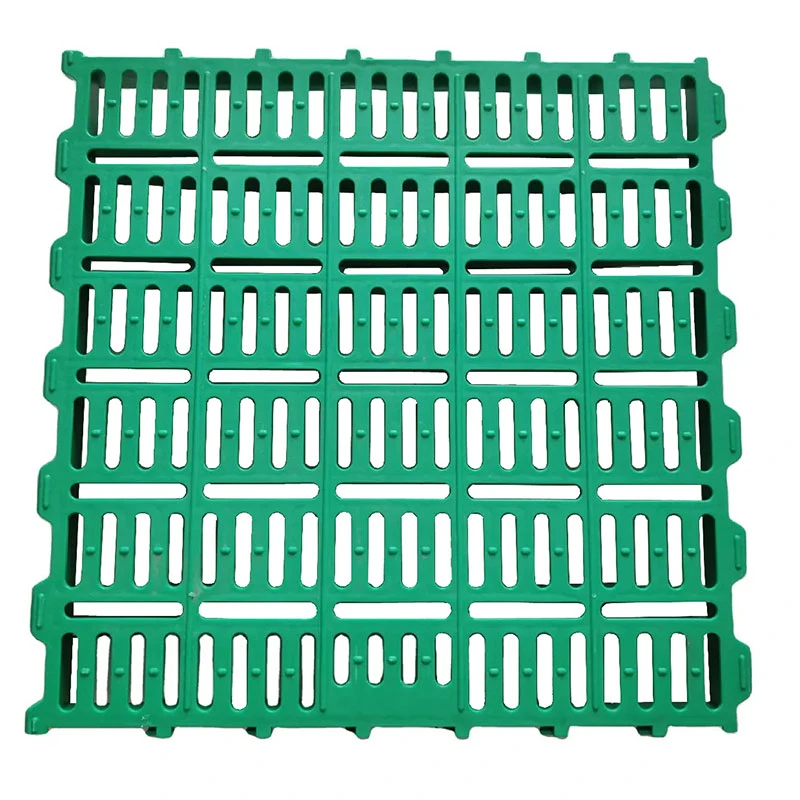
Typically around 2m long but just 60cm wide, space is tight. The squeeze limits sow movement, but it’s meant to prevent injury from aggression when housed together. The design challenge lies in balancing sow health, stress levels, and operational efficiency. Some innovative crates now include adjustable bars and softer flooring to accommodate comfort.
3. Cost Efficiency and Labor
From a farmer's perspective, gestation crates reduce labor needed for sorting, feeding, and treating injuries. Less time managing fights equals cost savings. The upfront investment in durable crates pays off through reduced veterinary costs and direct feeding strategies. However, costs rise when adapting to new welfare regulations globally.
4. Compliance and Welfare Regulation
Legal restrictions vary: the EU banned new installations in 2013 and aims for complete phase out, while the US sees a mix of state regulations. Compliance impacts crate design choices, operational practices, and sometimes forces producers to rethink entire livestock systems. It’s a fast-changing landscape that blends ethics and economics awkwardly.
Mini takeaway:
The story of gestation crates boils down to a series of trade-offs: durability versus comfort, cost versus welfare, space versus health. Each factor carries practical weight for producers worldwide.
Practical Uses Around the World
While gestation crates are largely associated with industrial pork producers in North America and parts of Asia, varied applications and regulatory climates shape usage:
- China & Southeast Asia: More traditional and industrial farms mix crate use with group housing as demand surges.
- Europe: Increasingly disfavored due to animal welfare laws; group pens and enriched environments are prevailing.
- North America: Some states restrict crates; others permit them, causing patchwork industry adjustments.
In disaster zones or areas requiring rapid rebuild of supply chains, gestation crates have been implemented due to their ease of management and minimal floor footprint, helping maintain productivity when resources are tight.
Product Specification Table: Typical Gestation Crate Features
| Feature | Specification | Notes |
|---|---|---|
| Dimensions | 2.0m (L) × 0.6m (W) × 1.0m (H) | Standard sow enclosure size |
| Material | Galvanized steel | Corrosion-resistant |
| Flooring | Slatted plastic/metal | Allows waste drainage |
| Weight capacity | Up to 300 kg | Fits mature sows comfortably |
| Feeding system | Individual trough | Reduces feed competition |
Comparing Global Vendors: What to Look For
| Brand | Material Quality | Price Range | After-Sales Support | Innovation |
|---|---|---|---|---|
| AgriFarm Equip | High-grade galvanized steel | $$$ | Full warranty, 24/7 support | Adjustable bars, modular upgrades |
| Global Swine Solutions | Standard galvanized with polymer enhancements | $$ | Limited, regional coverage | Eco-friendly coating options |
| EcoSwine Tech | Composite materials, rust-free | $$$$ | Premium with installation support | Integrated digital sensors for animal welfare |
Advantages and Long-Term Benefits of Gestation Crates
Despite the controversies, gestation crates present several tangible advantages. For starters, controlling individual feed intake reduces waste and ensures sows get balanced nutrition. This can lead to healthier litters and more predictable production cycles, which farmers deeply appreciate. The space-efficient design means more sows housed per square meter, optimizing facility real estate.
On the human side of things, fewer injuries from sow fights means less veterinary care and lower labor costs — a financial pressure valve that keeps farms viable, especially in regions with tight margins. Plus, with ongoing improvements — soft flooring, better ventilation — some welfare issues are being addressed.
Emotionally, it's a balancing act. Operators often express a desire to improve sow conditions, but the economic realities create friction. Innovation in this niche sometimes feels like a tug-of-war between tradition and progress.
Future Trends: Innovations on the Horizon
The industry isn’t static. Emerging trends include integrating IoT sensors in crates to monitor sow health in real time — tracking movement, stress levels, even feed consumption automatically. These "smart farms" could improve welfare while keeping the benefits of individual housing.
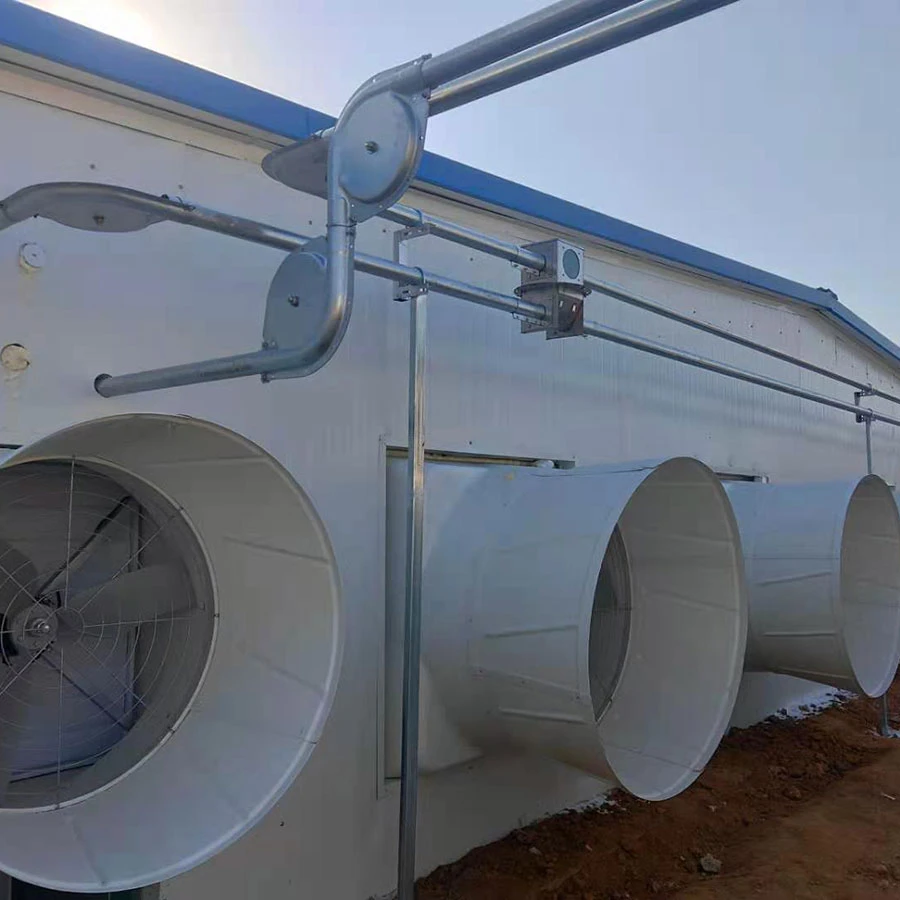
Sustainability also drives innovation. Biodegradable or recycled materials for crates are being tested, alongside energy-efficient heating and ventilation systems. In Europe and North America, alternative group housing systems supported by advanced environmental enrichment methods are gaining ground, reflecting shifting regulations.
Challenges & Pathways Forward
The main issue is welfare perception and legislation. Criticism of limiting sow movement has led some retailers to ban pork sourced from gestation crates altogether, forcing changes. Technical barriers to designing spacious yet cost-effective systems exist. Plus, retrofitting older farms is pricey.
Solutions often include hybrid systems combining individual feeding stalls with group pens, more automation, and a focus on sow mental health via enrichment toys or contact opportunities. Farmers are cautious yet hopeful — adapting technology at the intersection of welfare, productivity, and economics is a tricky dance.
FAQ: Pigs in Gestation Crates
- Q1: Why are pigs kept in gestation crates instead of group pens?
- Gestation crates minimize fighting and injuries among pregnant sows, allowing for precise feeding and easier health monitoring. However, group housing is increasingly preferred where space and welfare laws permit.
- Q2: How long are sows typically kept in gestation crates?
- Sows spend roughly the first 4 to 6 weeks of their pregnancy in crates before moving to farrowing pens. Regulations and practices vary by region.
- Q3: Are gestation crates legal worldwide?
- No. Europe has phased out most use, some US states restrict them, but in many countries they remain legal and widely used, especially in industrial farming.
- Q4: Can gestation crates improve sustainability?
- While controversial, they can reduce feed waste and improve production efficiency, indirectly lowering environmental impact. Emerging technologies aim to further these efficiencies sustainably.
Wrapping Up: Why Understanding Pigs in Gestation Crates Matters
The debate on pigs in gestation crates mirrors the larger challenges of modern agriculture — balancing efficiency, animal welfare, and sustainability. For farmers and consumers alike, knowing the nuances helps make better decisions, whether that’s about farming practices, regulatory policies, or purchasing choices.
If you want to explore more about the technologies and equipment shaping livestock management today, visit our website: https://www.cxlivestock.com.
References
Post time: Dec . 02, 2025