The Unsung Backbone of Livestock Farming: Understanding Pig Floor Systems
When you hear pig floor, you might just picture a barn floor covered in straw or dirt. But in the global agricultural landscape, pig floors are so much more: specialized flooring systems designed to optimize hog health, farm hygiene, and farmworker safety. Why does this matter? Well, with pork consumption rising steadily worldwide — reaching roughly 120 million metric tons annually according to the UN FAO(1) — efficient pig floor systems are key to sustainable livestock farming that can feed the world without compromising animal welfare or the environment.
In this article, we’ll dig into what pig floors really are and why progressive farmers, manufacturers, and policymakers care deeply about them. From durability to future-proofing, this is the flooring that matters behind the scenes.
Why Pig Floor Matters Globally: More Than Just a Barn Feature
Pig floors might seem like niche farming equipment, but their importance scales from smallholders in Southeast Asia to industrial farms in Europe and North America. The World Bank estimates (2) that improving livestock infrastructure like pig flooring can directly enhance productivity by reducing disease and waste buildup.
Yet challenges like rising feed costs, environmental regulations, and animal welfare laws push farmers to rethink traditional earthen or concrete floors. Enter modern pig floors designed with engineered materials and drainage systems to keep pigs healthier, minimize ammonia emissions, and simplify waste management.
Why the fuss? Apart from raising healthier pigs, these floors cut disease transmission risks impacting entire herds and, famously, reduce the environmental footprint of intensive pig farming — a major global concern according to ISO agricultural standards (3).
Defining Pig Floor in Plain Terms
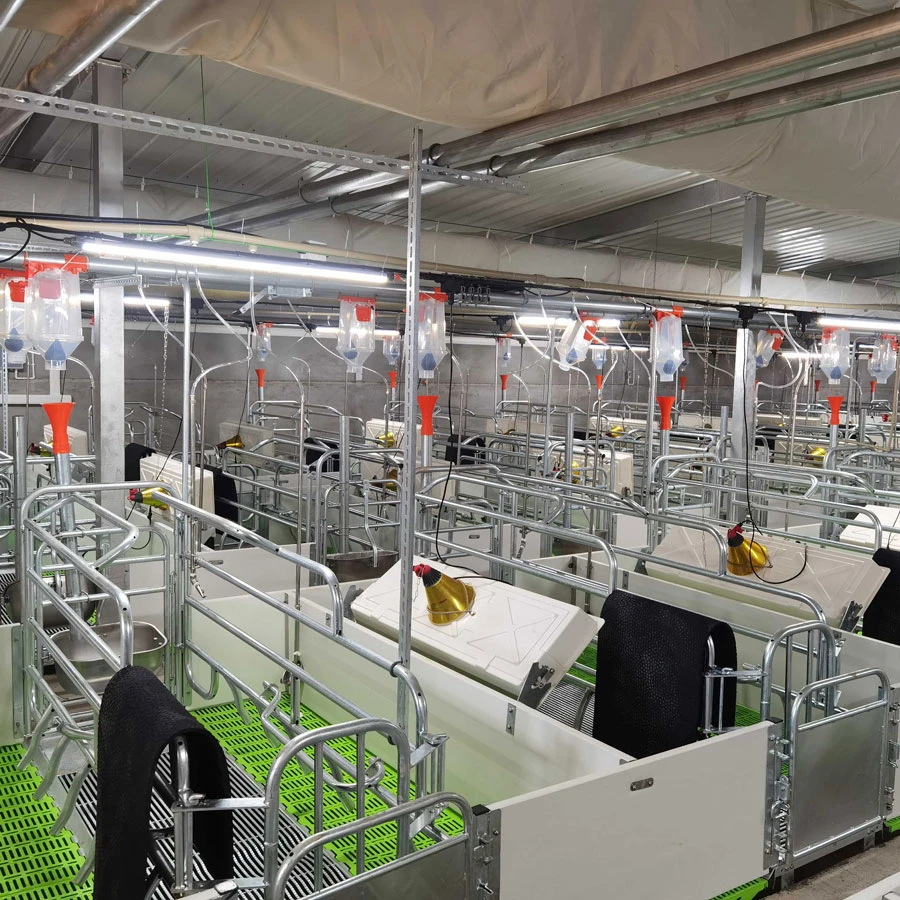
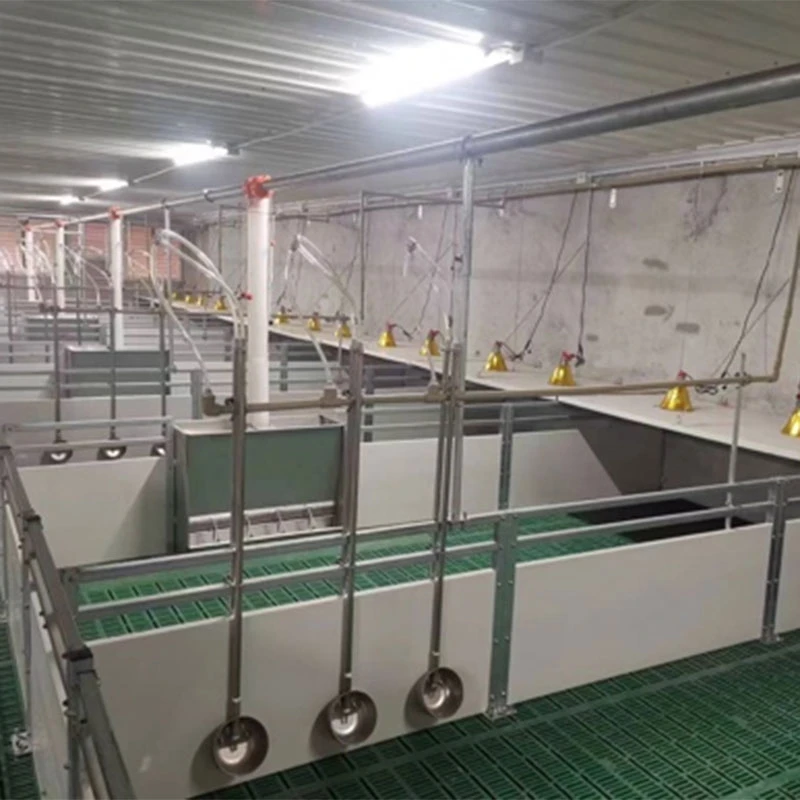
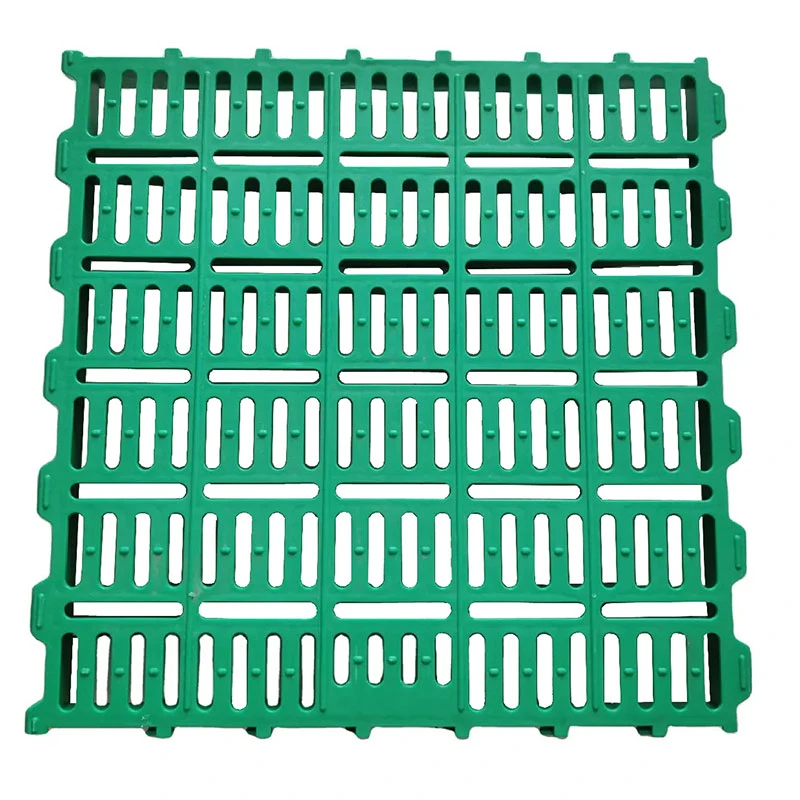
Simply put, a pig floor is the surface pigs live and move on inside their housing. Not just concrete or dirt: it can be slatted plastic, steel, or porous concrete, engineered to allow waste to fall through and keep the living surface dry and clean.
These floors connect directly to modern pig farming by helping:
- Control infections through better hygiene
- Improve air quality by managing manure emissions
- Support animal comfort and rooting behaviors
- Support farmworker safety with slip-resistant surfaces
In humanitarian contexts, similar concepts show up in temporary pig shelters for displaced farmers — helping them continue livelihoods post-disaster.
Core Components of Effective Pig Floors
1. Durability
Pig floors face brutal wear, from heavy hooves to manure corrosiveness. Materials like polypropylene and galvanized steel offer longevity — often 10+ years — with minimal degradation. Durability saves money in the long run, as many farmers I spoke to swear by their plastic slatted floors versus concrete cracking in harsh winters.
2. Drainage & Waste Management
Efficient waste flow through slats or perforations is crucial. It prevents pigs from standing in muck, reducing disease risks and odor emissions. Designs vary from 15% to 30% open area, balancing structural support with cleanliness.
3. Animal Comfort & Behavior Support
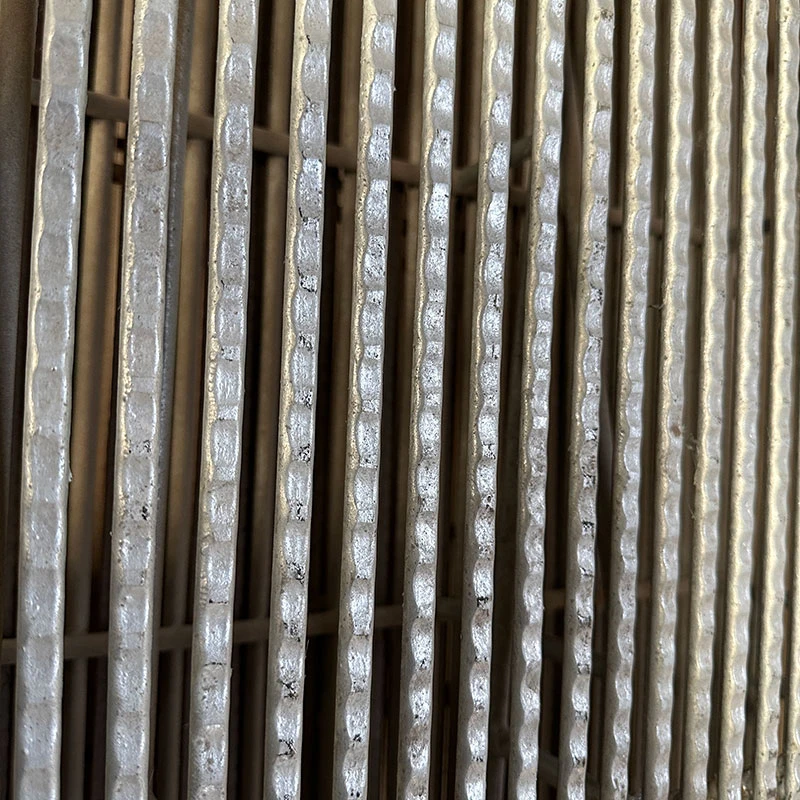
Pigs are surprisingly sensitive about their living space—thermal comfort, footing, and spacing matter. Floors with slightly textured surfaces help avoid slips while maintaining comfort. Some innovative floors incorporate gentle flexibility, easing joint strain.
4. Cost Efficiency
Initial investment might be higher than simple concrete, but the reduced labor, lower veterinary costs, and energy savings (less ventilation needed) balance out quickly. Many agricultural extension reports note ROI within 3-5 years.
5. Easy Maintenance & Cleaning
Modular floor panels that can be lifted or replaced aid quick cleaning and reduce downtime. It’s worth considering how often your farm can pause operations without major losses.
6. Compatibility & Scalability
Whether you run 20 or 2,000 pigs, the flooring system should adapt or scale easily. Modular designs allow for smooth expansion and retrofit in older barns without massive reconstruction.
Product Specification: Typical Pig Floor Panel
| Specification | Value | Notes |
|---|---|---|
| Material | Polypropylene Plastic | UV Resistant for outdoor barns |
| Dimensions | 1200mm x 600mm | Standard modular panel |
| Load Capacity | Min 1800kg/m² | Supports multiple pigs simultaneously |
| Slat Open Area | 25% | Balanced waste drainage |
| Weight | 8.5 kg per panel | Light enough for easy installation |
| Lifespan | 10+ years | Under typical farm conditions |
A Roundup of Leading Pig Floor Vendors
Choosing the right supplier is as vital as the floor specs. Here’s a quick vendor comparison for popular pig floor solutions:
| Vendor | Material | Key Feature | Price Range | Warranty |
|---|---|---|---|---|
| AgriSlat Systems | Galvanized Steel | Superior corrosion resistance | $$$ | 5 years |
| FarmFloors Inc. | Polypropylene Plastic | Lightweight & easy to install | $$ | 7 years |
| GreenGrow Slats | Recycled Plastics | Eco-friendly and durable | $ | 3 years |
Real-World Uses of Pig Floor Systems
Across Europe, specially engineered pig floors prevent outbreaks of diseases like Porcine Epidemic Diarrhea Virus by allowing more effective cleaning cycles. In China, large-scale farms use automated manure flushing flooring to link with renewable biogas plants, tackling waste and energy simultaneously.
Oddly enough, in regions hit by natural disasters, NGOs sometimes set up temporary pig pens with modular slatted floors — a quick fix that preserves the livelihoods of rural families dependent on hog farming.
Even remote industrial zones incorporate pig floors when supporting farmworker diets with fresh local protein, demonstrating the systems' flexibility across contexts.
Advantages & Long-Term Value of Modern Pig Floors
- Cost savings: Less vet cost, less labor, less disease = more profit
- Sustainability: Reduced water and energy use, lower emissions
- Animal welfare: Improved comfort means healthier pigs and better meat quality
- Worker safety: Safer footing leads to fewer injuries and happier staff
- Innovation edge: Modular designs allow quick adaptation to changing farm needs
These systems foster trust between consumers demanding ethical meat and farmers needing viable operations — a rare win-win, frankly.
Looking Ahead: Innovations on the Pig Floor Horizon
Smart floors incorporating IoT sensors to monitor temperature, moisture, and structural stress are emerging, allowing farmers real-time insights at the touch of a screen.
Biodegradable composites and recycled materials are also growing in popularity, helping pig floors shrink their environmental footprint even further.
Policy shifts toward carbon neutrality will likely reward farmers who invest in these advanced flooring systems, especially those linked to manure-to-energy programs.
Challenges & Smart Solutions for Pig Floors
No system’s perfect. Common hiccups include initial installation cost and occasional floor slat breakage under extreme load or poor installation. However, many engineers recommend incremental upgrades during scheduled barn downtime to spread cost and avoid disruption.
Another challenge is regional climate differences: cold zones need insulated or heated flooring to prevent pig stress, whereas tropical zones focus on airflow and cooling. Customization is the solution here — not one-size-fits-all.
FAQ: Your Pig Floor Questions Answered
Q1: What makes pig floors better than traditional dirt or concrete floors?
A1: Modern pig floors are hygienic, durable, and allow waste to drain efficiently, reducing disease and labor. They improve pig comfort and overall farm productivity significantly compared to dirt or plain concrete floors.
Q2: How long do modular pig floors usually last?
A2: With proper maintenance, pig floor panels typically last 10+ years. Material choice affects this — plastics resist corrosion well; concrete may crack over time, especially in harsh climates.
Q3: Are pig floors eco-friendly?
A3: Many are, especially those made from recycled plastics or designed to integrate with manure biogas systems. Their role in cutting methane emissions and water waste also boosts sustainability credentials.
Q4: Can small farmers afford pig floors, or is this for industrial farms?
A4: Modular systems scale well and are increasingly affordable. Small farmers can start with key barn areas upgraded, expanding over time. The long-term savings and animal well-being benefits often justify the investment.
Wrapping It Up: Why Pig Floor Is a Game-Changer
In the meat and livestock world, the humble pig floor quietly makes a massive difference. From protecting animals and the environment to boosting farm efficiency, it’s the foundation beneath a vital global protein source. I suggest if you’re in the business, or just curious about sustainability in agriculture, dig a little deeper into pig floors.
Interested to learn more or explore options? Visit us at https://www.cxlivestock.com and see how next-gen pig floors are shaping the future of farming.
References
Post time: Dec . 02, 2025