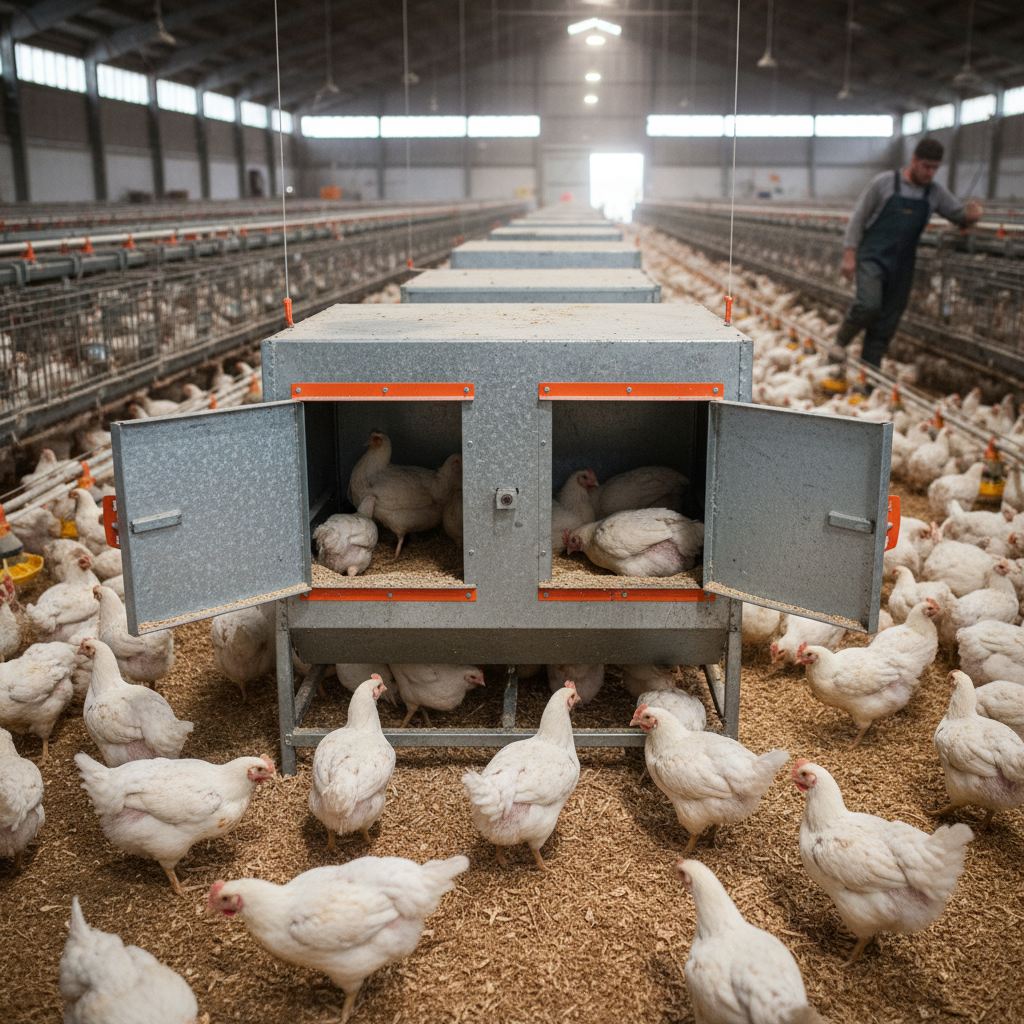
Optimizing Livestock Nutrition with High-Quality Feeding Bins
Efficient livestock management starts with a reliable feeding system. The use of professional feeding bins is essential for reducing feed waste, maintaining nutritional consistency, and streamlining the daily operational workflow on any farm. Whether you are managing a small herd or a large-scale industrial operation, the right storage and dispensing solution can significantly impact your bottom line by minimizing spoilage and labor costs. In this guide, we will explore how choosing the right equipment can transform your feeding efficiency and animal health.

The Importance of Durable Feeding Bins in Modern Farming
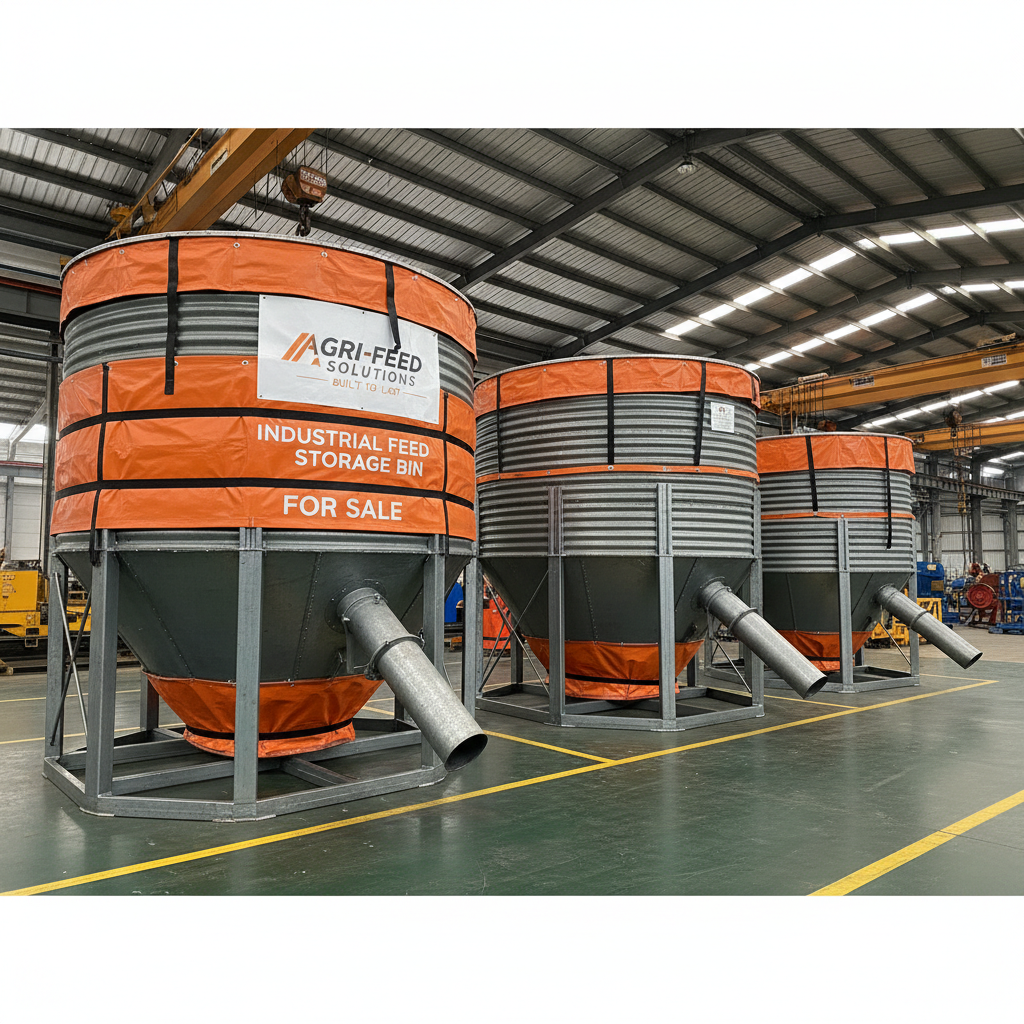
Durability is the cornerstone of any agricultural investment. High-quality feeding bins are engineered to withstand harsh environmental conditions, from extreme temperature fluctuations to the physical wear and tear caused by livestock. Using low-grade materials often leads to corrosion or structural failure, which not only results in feed loss but can also pose safety risks to the animals. By investing in galvanized steel or reinforced polymers, farmers can ensure a long-term solution that requires minimal maintenance.
Pro Tip: Always check for weather-proofing seals on your bins to prevent moisture ingress, which is the leading cause of feed mold and nutritional degradation.
Key Design Features of Efficient Feeding Bins
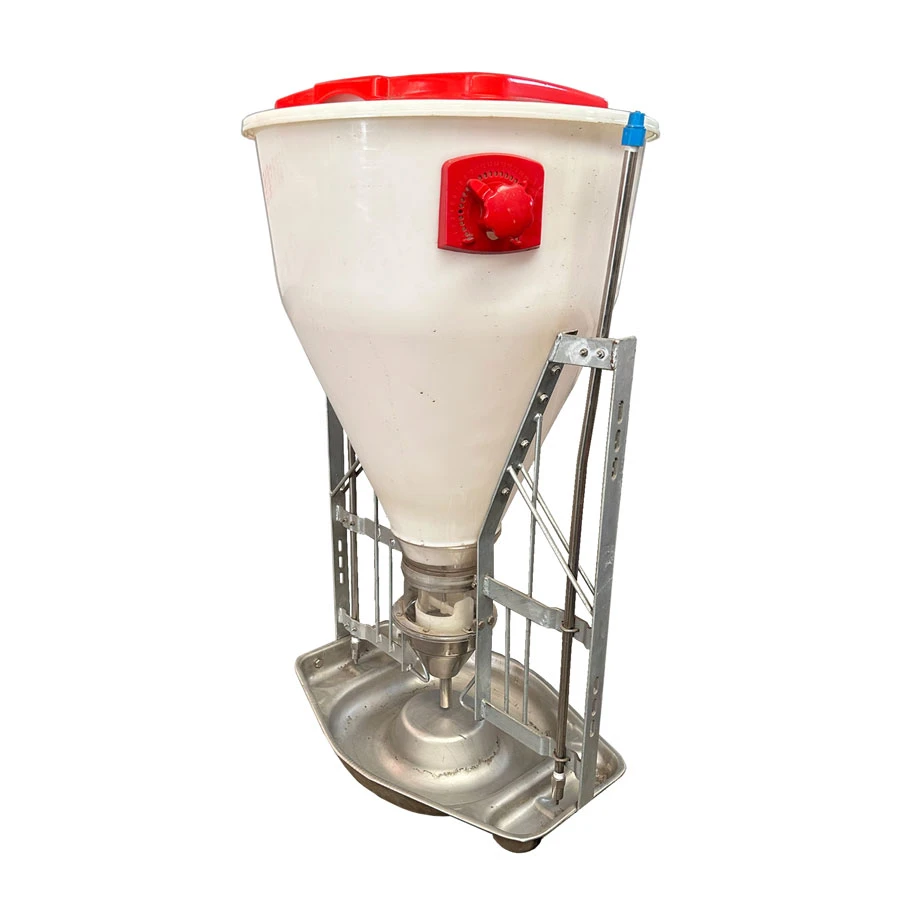
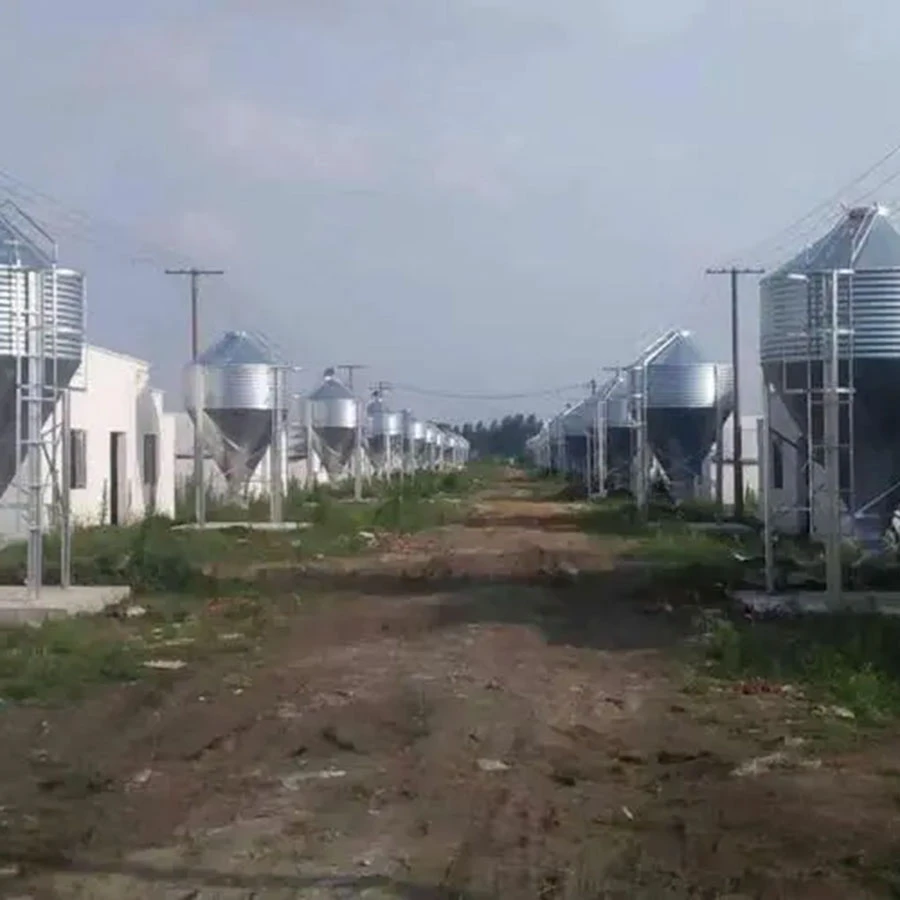
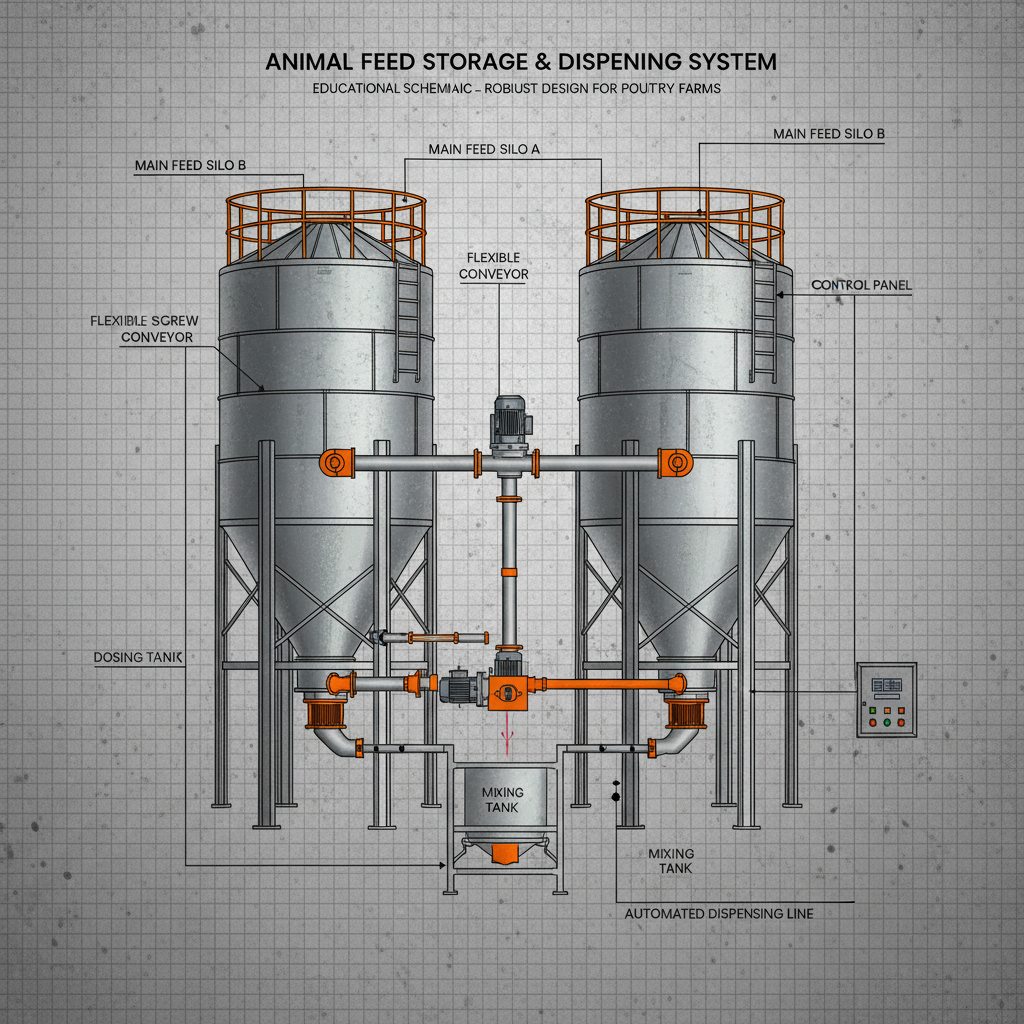
Not all bins are created equal. The most effective feeding bins incorporate ergonomic designs that allow for easy filling and controlled dispensing. Features such as conical bottoms ensure a "first-in, first-out" flow, preventing old feed from stagnating at the bottom. Furthermore, adjustable discharge valves allow farmers to calibrate the amount of feed delivered, preventing overfeeding and reducing the waste of expensive supplements. A well-designed bin reduces the physical strain on workers and ensures a steady supply of nutrients for the herd.

Comparing Types of Feeding Bins for Different Livestock
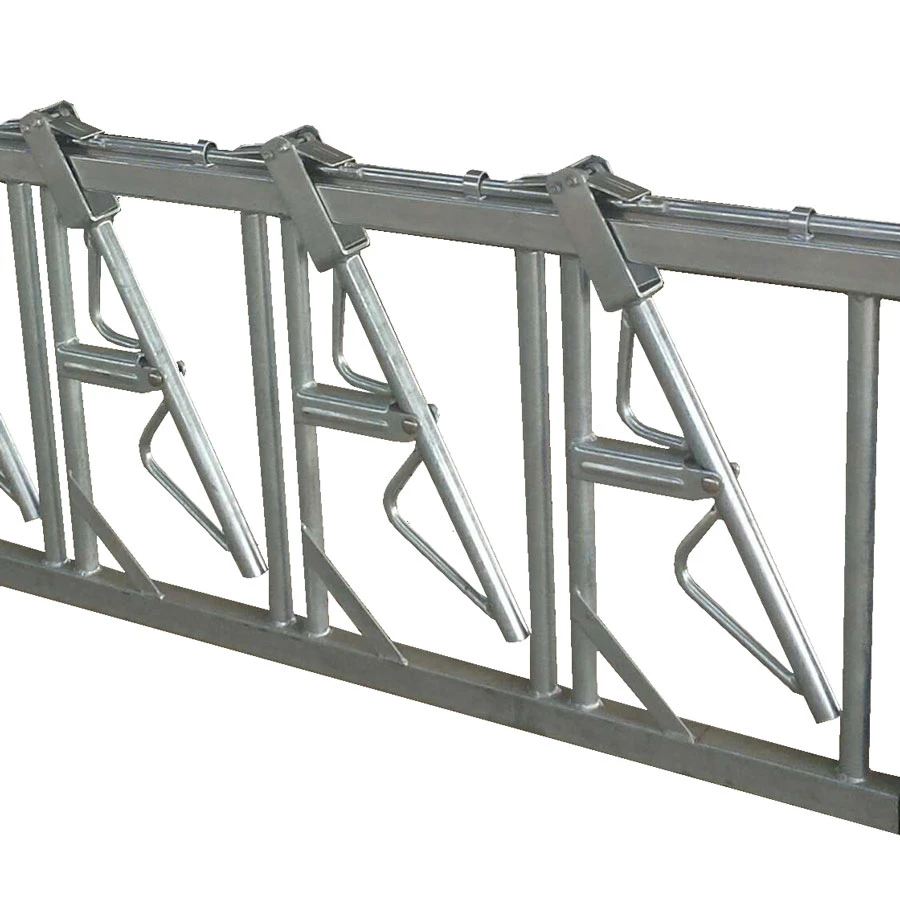
Depending on the species of livestock, the requirements for storage and delivery vary. Cattle require larger, more robust structures, while poultry or swine may need more precision-based dispensing systems. Choosing the wrong type of feeding bins can lead to inefficiency and increased labor. Below is a comparison of common bin types used in the industry today to help you make an informed decision based on your specific livestock needs.
Technical Specifications for High-Performance Feeding Bins
When procuring equipment, understanding the technical specifications is vital to ensure the product meets your environmental and livestock demands. Professional feeding bins are typically rated by their volume, material gauge, and load-bearing capacity. For instance, a thicker steel gauge is necessary for bins located in areas with high animal activity to prevent denting. Below are the standard specifications you should look for when selecting a commercial-grade feeding system.
Maximizing ROI with Advanced Feeding Systems
Investing in professional feeding bins is not just about storage; it is a strategic move to increase the Return on Investment (ROI) of your livestock operation. By reducing feed waste—which can account for up to 15% of total feed costs in poorly managed systems—farmers can recover the cost of the equipment within a few seasons. Additionally, the reduction in manual labor allows farm managers to focus on animal health and growth monitoring, leading to better livestock quality and higher market prices.
Best Practices for Feeding Bin Maintenance
To ensure your feeding bins operate at peak efficiency, a regular maintenance schedule is required. First, ensure that the bins are cleaned thoroughly between different batches of feed to prevent cross-contamination and fungal growth. Second, inspect the joints and seals for any signs of wear or leaking. Third, lubricate any moving parts, such as augers or slide gates, to prevent jamming. Following these simple steps will significantly extend the life of your equipment and ensure that your animals receive fresh, uncontaminated feed every day.
Conclusion: Enhancing Farm Productivity with the Right Equipment
The integration of high-quality feeding bins is a fundamental step toward a more sustainable and profitable livestock operation. By focusing on durability, precision, and proper maintenance, farmers can ensure their animals are well-nourished while minimizing waste and labor. Whether you are upgrading an existing facility or starting a new venture, choosing professional-grade equipment is the best way to secure the future of your farm. Optimize your feeding strategy today for a healthier herd tomorrow.
Frequently Asked Questions (FAQs)
How do I choose the right size feeding bin for my livestock?
Choosing the correct size requires calculating your total daily feed requirement and multiplying it by the number of days you wish to store feed between deliveries. For example, if your herd consumes 500kg per day and you want a 14-day reserve, you need a bin with a minimum capacity of 7,000kg. It is always advisable to choose a slightly larger bin to account for bulk density variations in different types of feed and to provide a safety buffer during supply chain disruptions.
Which material is better for feeding bins: Steel or Plastic?
The choice depends on your specific environment and budget. Galvanized steel is superior for large-scale, permanent installations where extreme durability and impact resistance are required, especially for larger animals like cattle. High-Density Polyethylene (HDPE) or heavy-duty plastics are excellent for smaller livestock or environments with high salt/chemical exposure where rust is a primary concern. Plastics are also lighter and easier to move, making them ideal for rotational grazing systems.
How can feeding bins help in reducing feed waste?
Professional feeding bins reduce waste in several ways. First, they protect feed from weather elements like rain and wind, preventing spoilage. Second, they prevent pests and birds from accessing the feed. Third, the controlled dispensing mechanisms prevent "over-filling" of troughs, which is where most feed is trampled or contaminated by the animals themselves. By controlling the flow, you ensure that only the necessary amount of feed is available, significantly lowering the waste percentage.
Are automatic feeding bins worth the higher initial cost?
For most commercial operations, the answer is yes. While the initial investment is higher, the labor savings are substantial. Automated systems remove the need for daily manual filling and allow for precise scheduling of feed delivery, which can improve animal growth rates. Additionally, the precision of automated systems minimizes human error in dosing, ensuring that every animal receives the correct nutritional balance, which directly translates to better weight gain and overall health.
Post time: Jun . 23, 2026