Understanding Farrowing Pen Dimensions: Why Size Truly Matters
If you’re wondering why a seemingly simple topic like farrowing pen dimensions gets so much attention, you’re not alone. Globally, pig farming isn’t just about raising pigs; it’s about ensuring the health, safety, and productivity of sows and piglets in every corner of the world. Optimizing pen dimensions means better animal welfare, improved farm efficiency, and an eventual increase in sustainable meat production — outcomes that matter not just to farmers but to the entire food supply chain. It also touches on concerns from livestock welfare NGOs to regulatory bodies worldwide.
Whether you’re a seasoned farmer, an agricultural engineer, or even a policymaker, getting your farrowing pen dimensions right is a practical step toward humane farming practices and operational success.
The Global Context Behind Farrowing Pen Dimensions
Livestock production is a significant contributor to global food security, feeding billions. According to the UN’s Food and Agriculture Organization (FAO), pork accounts for roughly 36% of worldwide meat consumption, making pig farming a critical industry (FAO data, 2023). Yet, insufficient space and poor pen layouts contribute to high piglet mortality rates — often exceeding 15% in some developing regions.
Beyond animal health, these dimensions influence disease control, resource efficiency, and labor conditions. For example, the World Bank emphasizes how optimized agricultural infrastructure can increase productivity by up to 20%. However, ill-designed pens result in costly setbacks — from crushing risks to reduced sow comfort — slowing down the industry’s progress toward sustainability.
In short, as demand surges and welfare expectations rise, farrowing pen design moves from a niche technical detail to a staple consideration in global livestock standards.
What Exactly Are Farrowing Pen Dimensions?
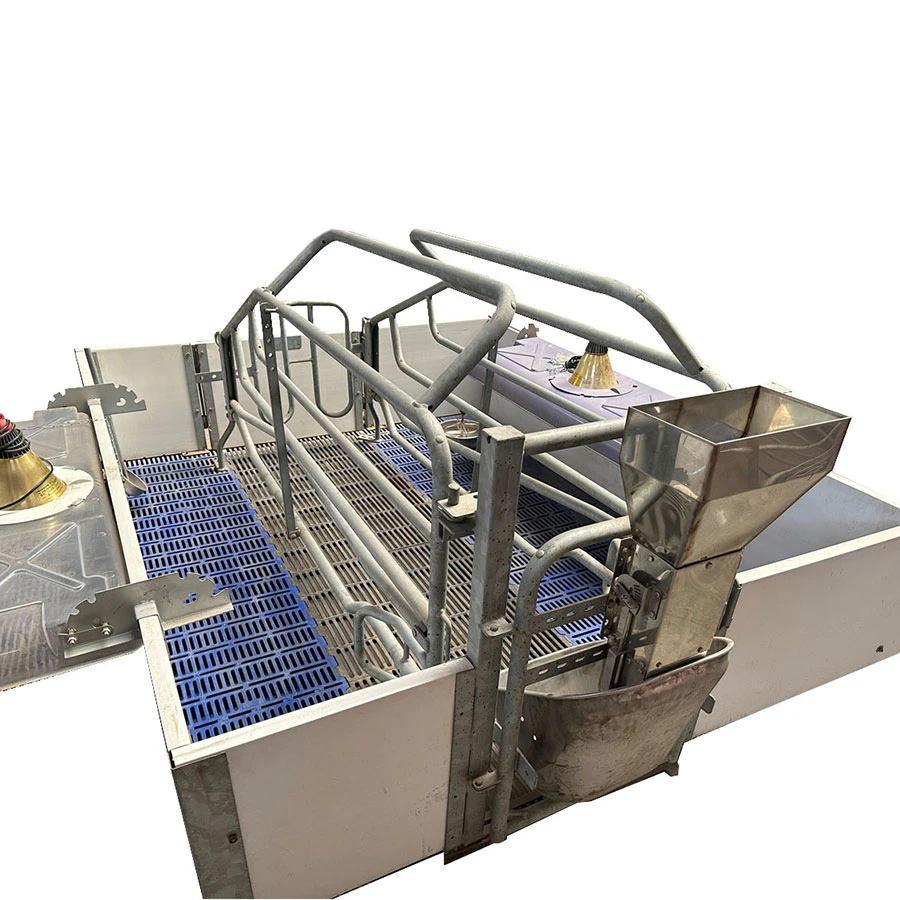
Simply put, farrowing pen dimensions refer to the length, width, and height measurements of the enclosed area where a sow gives birth and nurses her piglets. It’s not just about “space” but how that space is arranged to balance sow mobility, piglet safety, and accessibility for caretakers.
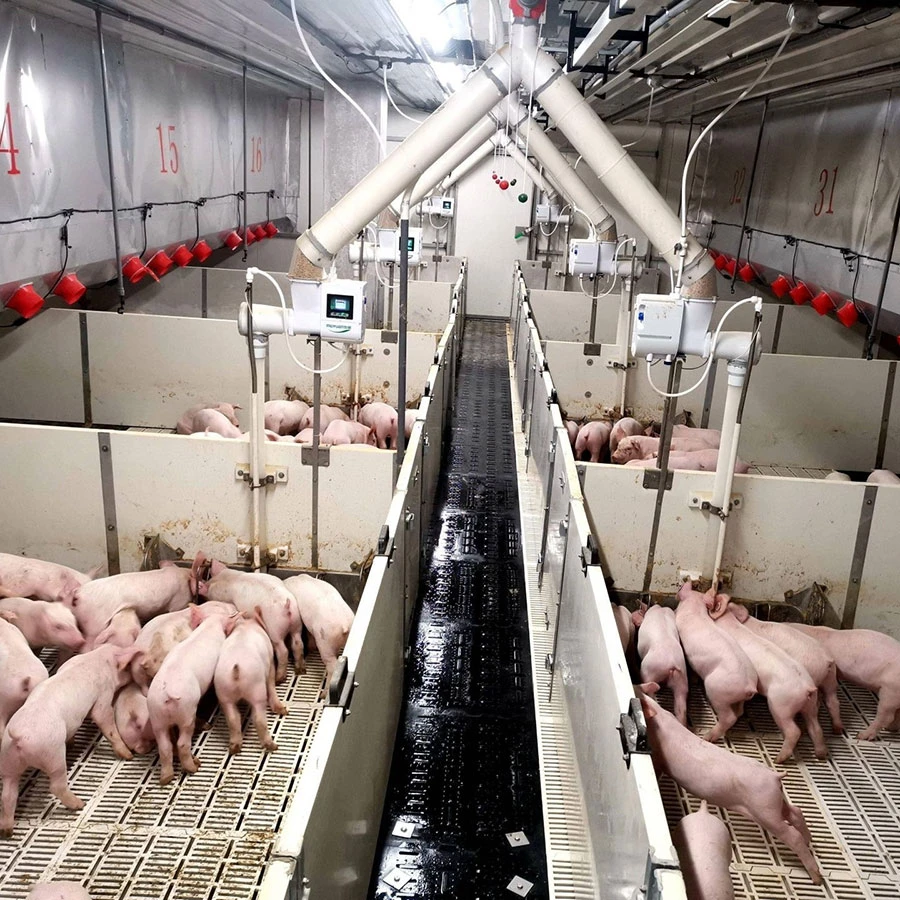
Modern farrowing pens combine structural design with animal behavior insights — addressing both biological needs and production goals. From traditional crates to innovative open pens, the dimension specs impact everything from thermal conditions to hygiene management.
In humanitarian or resource-constrained settings, understanding these dimensions also aligns with food system resilience and animal welfare regulations — turning technicalities into tangible community benefits.
Mini Takeaway:
- The right farrowing pen size affects survival rates and sow wellbeing.
- Global standards encourage consistent, humane, and efficient designs.
Key Elements to Consider When Planning Farrowing Pen Dimensions
1. Sow Comfort and Mobility
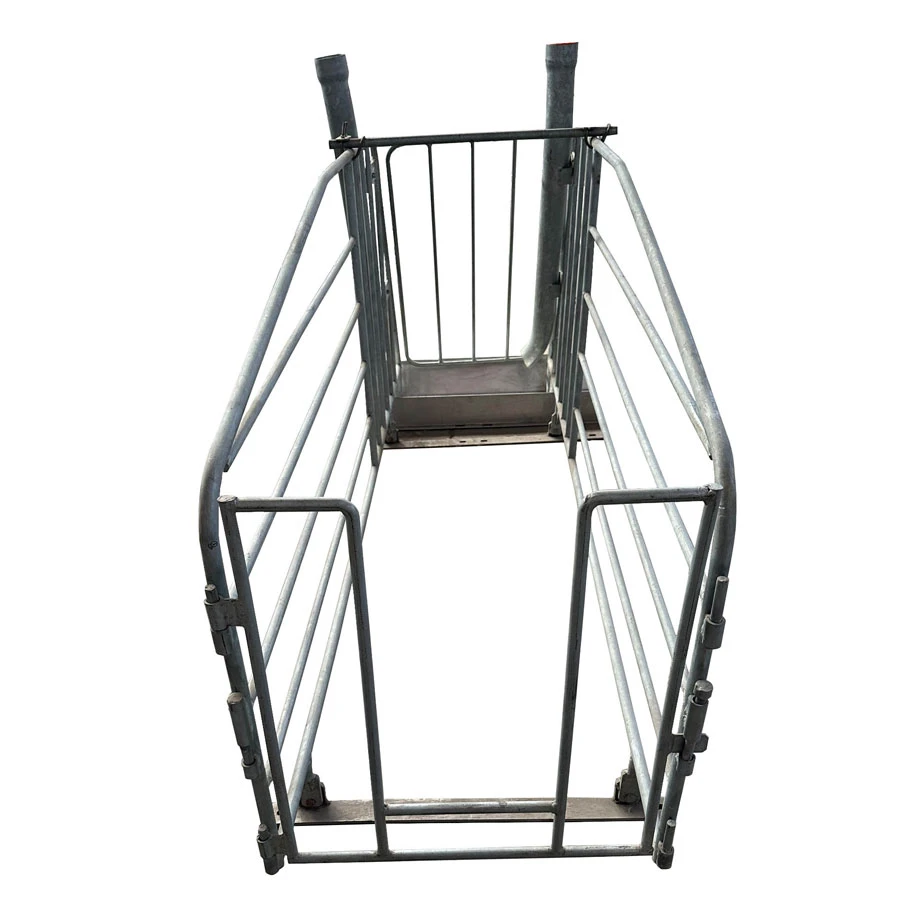
Cramped spaces might cause stress or injury, while oversized pens can expose piglets to thermal discomfort. Generally, pens measure around 2.1 to 2.4 meters in length and 1.2 to 1.5 meters in width for sows — but local adjustments are common depending on breed and climate.
2. Piglet Safety
Far too many piglets fall victim to crushing when space isn’t laid out thoughtfully. Incorporating creep areas (heated, small zones where piglets can retreat) and guard rails help, but the size of those zones must align with the main pen’s dimensions to function properly.
3. Material Durability and Hygiene
Dimensions mean little without durable materials that stand daily cleaning and disinfection. Smooth surfaces and correct spacing reduce disease risks — crucial in commercial farms and relief zones alike.
4. Ease of Access for Farm Workers
Vets and caretakers need safe, efficient access — influencing how pens are dimensioned and arranged. Narrow walkways or badly placed gates slow work and increase injury risk.
5. Cost-Efficiency and Scalability
While more space often equals better outcomes, many farms balance ideal dimensions against budget constraints and the volume of animals managed.
Mini Takeaway:
- Every dimension tweak carries practical ripple effects.
- Balancing animal welfare with operational realities is key.
Global Applications: Where Farrowing Pen Dimensions Make a Difference
From the large-scale commercial pig farms of the United States and the European Union to smallholder farms in Southeast Asia and Africa, farrowing pen designs vary but share common goals.
For example:
- In Scandinavian countries, where animal welfare regulations are particularly stringent, pens often incorporate spacious open areas combined with automated climate control — dimensions carefully tailored to breed specifics.
- In developing regions, NGOs assisting post-disaster recovery implement temporary but dimension-optimized farrowing pens to quickly restore local meat production and reduce malnutrition risks.
- Commodity exporters in Brazil focus on scalable pen sizes to maintain consistent quality while efficiently managing thousands of sows.
Oddly enough, the one thing these disparate players agree on is that measuring and adapting pen dimensions wisely soothes many painful headaches in farming.
Typical Product Specification Table for Farrowing Pens
| Specification | Detail | Notes |
|---|---|---|
| Length | 2.2 meters (typical) | Can vary by breed |
| Width | 1.3 meters | Includes creep area integration |
| Height (side walls) | 1.0 meter | Protective barriers |
| Material | Galvanized steel, easy-clean plastic | Resistant to corrosion |
| Floor type | Slatted or solid with bedding | Affects hygiene & comfort |
Advantages and the Long-Term Value of Properly Measured Pens
Optimizing farrowing pen dimensions doesn’t just improve immediate sow comfort and piglet survival rates; it creates ripples that improve profitability, sustainability, and social credibility.
- Cost Savings: Less piglet mortality reduces replacement costs and improves feed efficiency.
- Sustainability: Pens designed with proper airflow and dimensions lower disease incidence — reducing antibiotic use.
- Social Impact: Humane conditions satisfy growing consumer and regulatory demand for welfare.
- Operational Efficiency: Easier cleaning and monitoring save labor hours.
Trading a few square centimeters here or there might feel trivial, but over a year, these dimensional choices mean thousands of healthier piglets and happier workers.
Vendor Comparison: Popular Farrowing Pen Solutions
| Brand | Standard Pen Size (L × W) | Material | Price Range (USD) | Notable Features |
|---|---|---|---|---|
| AgriPen Pro | 2.3 × 1.4 m | Galvanized steel | $180–$220 | Modular, easy-clean |
| FarmSafe Open Pen | 2.1 × 1.5 m | Stainless steel | $240–$280 | Enhanced sow freedom |
| EcoPig Crate | 2.2 × 1.3 m | Recycled plastic composite | $200–$230 | Eco-friendly, lightweight |
Future Trends and Innovations Shaping Farrowing Pen Dimensions
Looking ahead, technology is already shaking up how farrowing pen dimensions are conceptualized and implemented. Smart sensors monitoring temperature, humidity, and sow behavior could soon adjust pen environments dynamically. Automated gates and modular designs might allow for quick resizing or reconfiguration depending on the sow’s size or piglet count.
Materials with antimicrobial coatings, lightweight yet durable composites, and sustainable sourcing promise greener farms. Digital design tools, like 3D modeling combined with animal behavioral data, help engineers create pens tailor-fit to different breeds and climates.
And oddly enough, the digital revolution in something as “old” as animal housing brings a new level of precision and care that could be genuinely transformative.
Challenges in Implementing Ideal Farrowing Pen Dimensions
Despite best intentions, many farms struggle with dimension choices due to:
- Cost Constraints: Premium materials and designs can be pricey up front, deterring smallholders.
- Space Limitations: Urban or resource-scarce farms simply can’t expand pens without sacrificing headcount.
- Lack of Standards: Varied regulations and breed differences create confusion.
- Worker Training: Proper use and maintenance of pens hinge on knowledgeable staff.
Expert advice? Start small with proven dimension norms (farrowing pen dimensions) and iterate based on local observations. Combining traditional wisdom with innovation is the smartest route.
FAQs About Farrowing Pen Dimensions
- Q1: How do farrowing pen dimensions affect piglet survival rates?
A1: Properly sized pens reduce crushing and provide enough space for piglets to nurse safely. Ensuring adequate creep areas within the pen also helps piglets stay warm and avoid injury, significantly improving survival outcomes. - Q2: Are farrowing pen dimensions standardized worldwide?
A2: While there are general guidelines, dimensions often vary by country, breed, and farm scale. International bodies like ISO provide recommendations, but farms adapt sizes according to practical and cultural needs. - Q3: Can existing pens be modified for better dimensions?
A3: Yes, many pens can be adjusted by adding modular components or rearranging layouts. Minor tweaks like adding guard rails or increasing width can dramatically improve outcomes without full replacement. - Q4: What materials work best for farrowing pens?
A4: Durable, corrosion-resistant materials like galvanized steel combined with easy-clean plastics are preferred. These materials ensure longevity, hygiene, and safety for both animals and caretakers. - Q5: How can small farms balance space limits with best farrowing pen dimensions?
A5: Prioritizing critical zones like sow comfort and creep areas, using vertical space efficiently, and adopting modular designs can help small farms get close to ideal dimensions without major infrastructure changes.
Wrapping Up: Why Paying Attention to Farrowing Pen Dimensions Matters for the Long Haul
The humble farrowing pen size might feel like a subtle detail among the many challenges of livestock farming. Yet, its impact cascades through animal health, farm economics, and sustainability goals. For any farmer, engineer, or industry stakeholder keen on making a difference, refining farrowing pen dimensions offers a straightforward, impactful lever.
Ready to deep-dive into custom solutions that fit your herd and budget? Visit our website: https://www.cxlivestock.com — where practical knowledge meets real farm needs.
References
Post time: Dec . 02, 2025