Open Mesh Flooring: What It Is and Why It Matters Worldwide
Open mesh flooring might not be the first thing you think of when talking about innovation, but globally, it's quietly transforming how industries, from agriculture to humanitarian relief, design their workspaces and shelters. Simply put, open mesh flooring refers to a flooring system made of interconnected frameworks or grids—allowing air, moisture, and waste to pass through easily. This design promotes hygiene, durability, and often cost efficiency. In fact, understanding and deploying this kind of flooring can address major challenges like animal welfare in farming, sanitation in disaster zones, and safety in industrial plants.
Because of increasing demands for sustainable and hygienic solutions worldwide, especially where traditional flooring falls short—think humid tropical environments or quick-build shelters after natural disasters—open mesh flooring is gaining traction. It’s a subtle innovation with broad applications, which is why it deserves a closer look.
Mini Takeaway: Open mesh flooring isn't just a technical detail—it's a practical, global solution impacting industries and communities alike.The Global Context: Why Open Mesh Flooring is More Relevant Than Ever
Institutions like the United Nations and the World Bank have long sounded alarms on sustainable agriculture and humanitarian standards (UN Sustainable Development Goals). These concern sanitation, food security, and environmental resilience. According to FAO, livestock production must grow by nearly 70% by 2050 to meet demand—and it demands better farming infrastructure.
That’s where open mesh flooring comes in, offering a cleaner, more durable option for animal enclosures and industrial flooring. Worldwide, challenges such as disease contamination in livestock, moisture damage in warehouses, and infection risks in emergency shelters call for smart solutions that “breathe” – literally allowing drainage and airflow while holding up under pressure. The ISO even outlines standards for hygienic flooring in food processing (ISO 10848).
Yet deploying such floors is not just technical—it’s an active response to health, environmental, and ethical challenges. The problem? Many systems remain expensive or impractical for developing regions, underlining a need for innovation and accessible design.
Mini Takeaway: With global pressures mounting, open mesh flooring is a timely, cost-effective answer to several critical industry challenges.What Exactly is Open Mesh Flooring?
In plain terms, open mesh flooring consists of multiple intersecting strips—usually metal, plastic, or composite material—that create a grid like structure with open spaces. This grid allows liquids, dirt, and waste to fall through, keeping the surface cleaner and drier than solid floors.
Originating in agricultural settings such as pig and poultry pens, the concept has expanded. Today, you find it in industrial plants, greenhouses, and even modular emergency housing. The “mesh” size, thickness, and material flexibility vary to fit different use cases, from heavy-duty factory floors to lightweight, portable panels used in humanitarian relief camps.
What links all these applications is the need for hygienic, durable, and ventilated flooring—especially in places where conventional flooring would trap moisture, foster bacteria, or degrade quickly.
Core Components Influencing Open Mesh Flooring Success
1. Material Durability
Many engineers swear by galvanized steel for heavy-duty use, due to its corrosion resistance and strength. Others advocate for composite plastics that resist chemicals and are lighter for easy transport. The choice hinges on exposure conditions, load requirements, and budget.
2. Mesh Size and Pattern
This regulates drainage and animal hoof safety. Tight meshes minimize trapped debris but might restrict airflow, while wider meshes enhance ventilation but reduce support. It’s a tricky balance—engineers often customize mesh dimensions depending on livestock hoof size or foot traffic.
3. Ease of Installation & Scalability
Modular panels that clip together are a favorite in remote or temporary setups. Quick assembly means relief workers or farmers can deploy without heavy machinery or expert teams.
4. Cost Efficiency and Maintenance
While upfront costs vary, the long-term maintenance savings from improved hygiene and durability often tip the scales. Less downtime, fewer replacements, and reduced disease outbreaks add up.
5. Environmental Impact
Recyclable materials, energy-efficient manufacturing, and longer lifespan contribute to a greener footprint — a growing priority for manufacturers and users alike.
Mini Takeaway: Material choice, mesh design, and modularity are the linchpins to practical, scalable open mesh flooring.Typical Specifications for a Mid-Range Open Mesh Flooring Panel
| Specification | Value | Notes |
|---|---|---|
| Material | Galvanized Steel / Composite | Varies by application |
| Panel Size | 1m x 1.2m | Standard modular dimensions |
| Mesh Opening | 25mm x 25mm | Balancing drainage and support |
| Load Capacity | Up to 500 kg/m² | Suitable for livestock & workers |
| Weight per Panel | 12-15 kg | Portable & easy to install |
Global Applications & Real-World Use Cases
Open mesh flooring has proven indispensable in diverse environments:
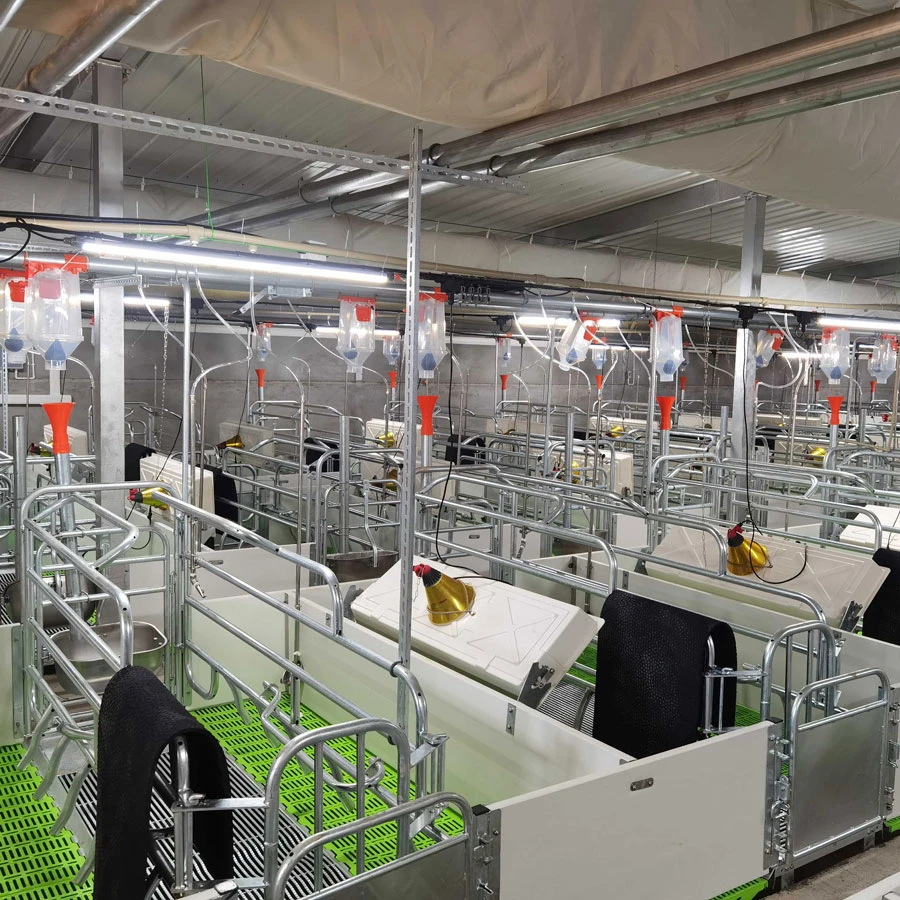
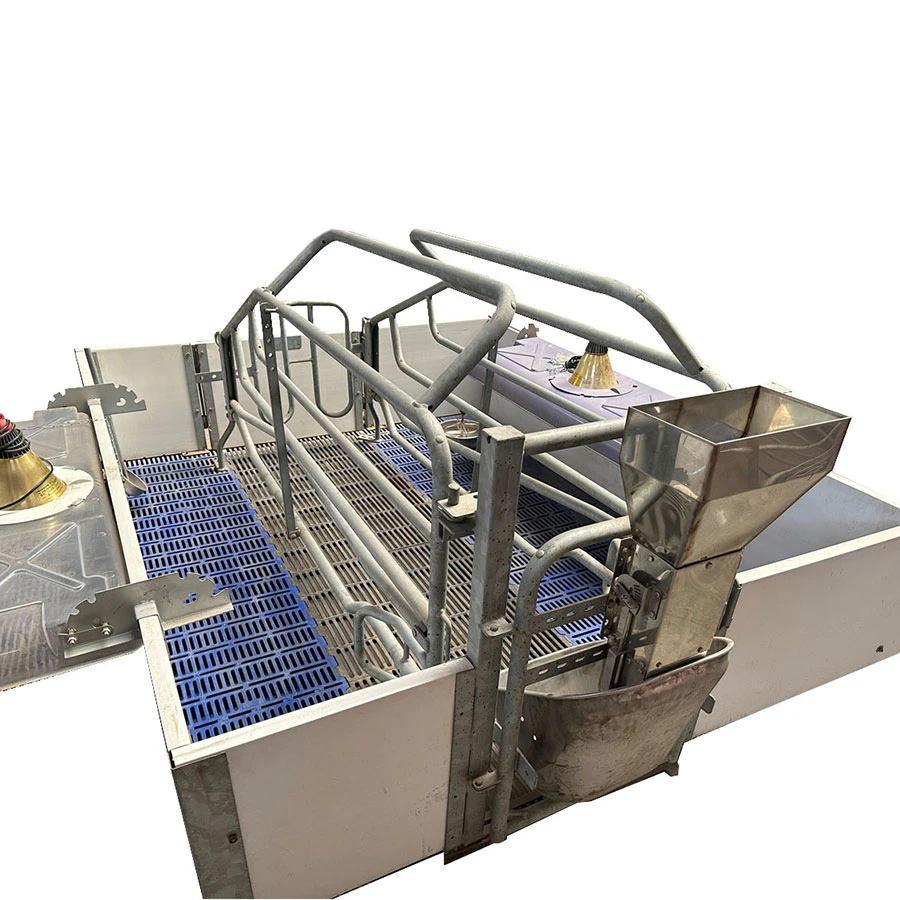
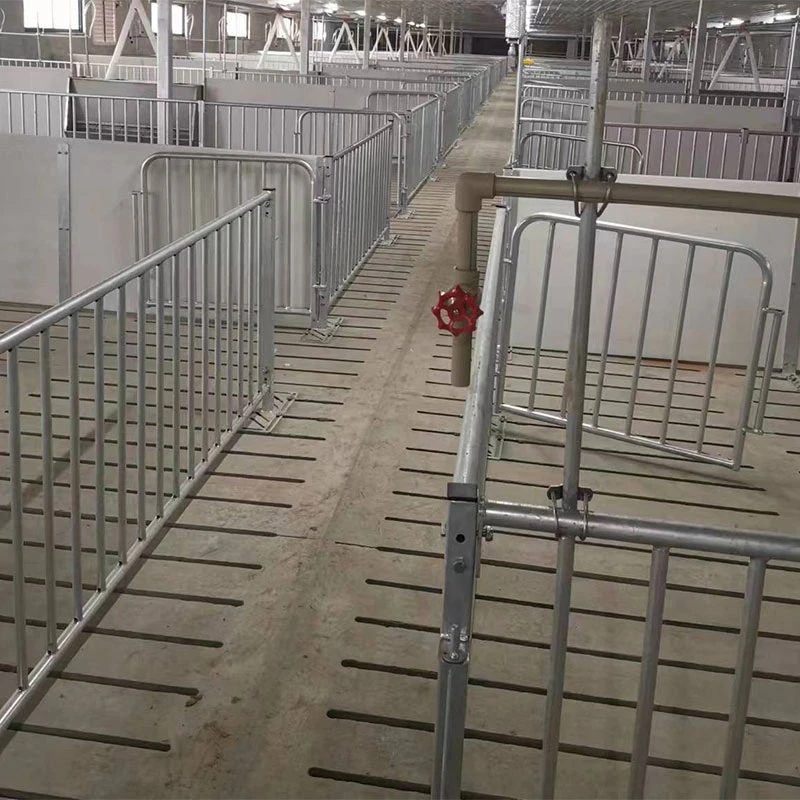
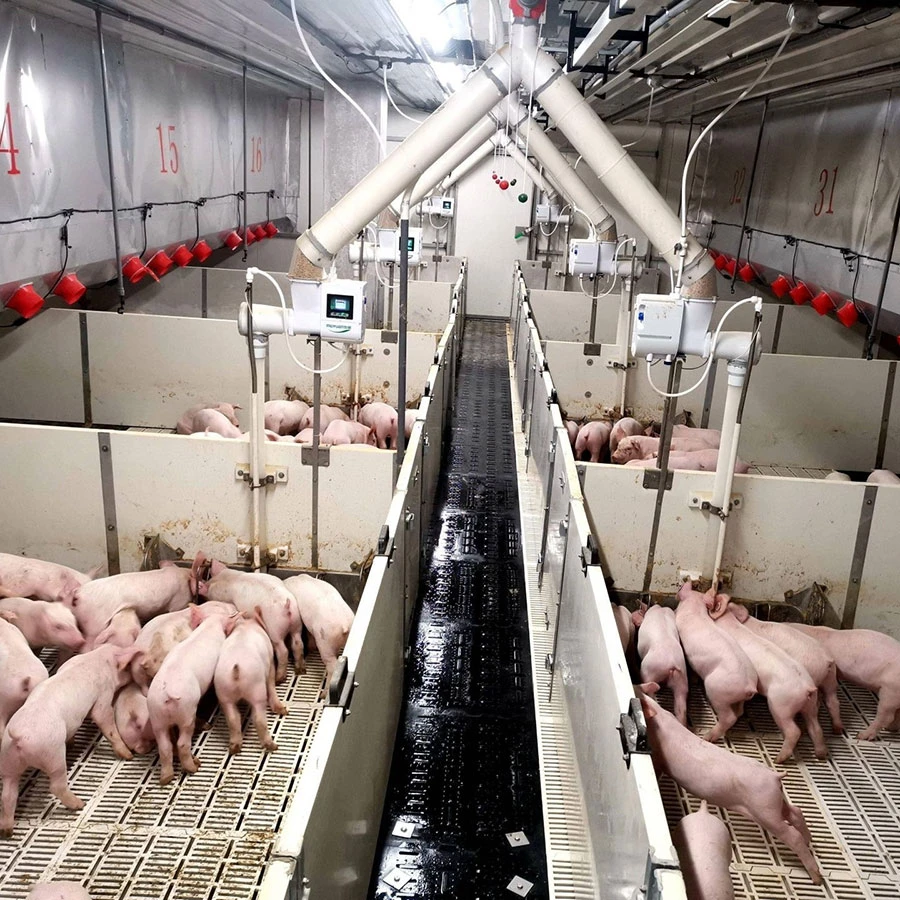
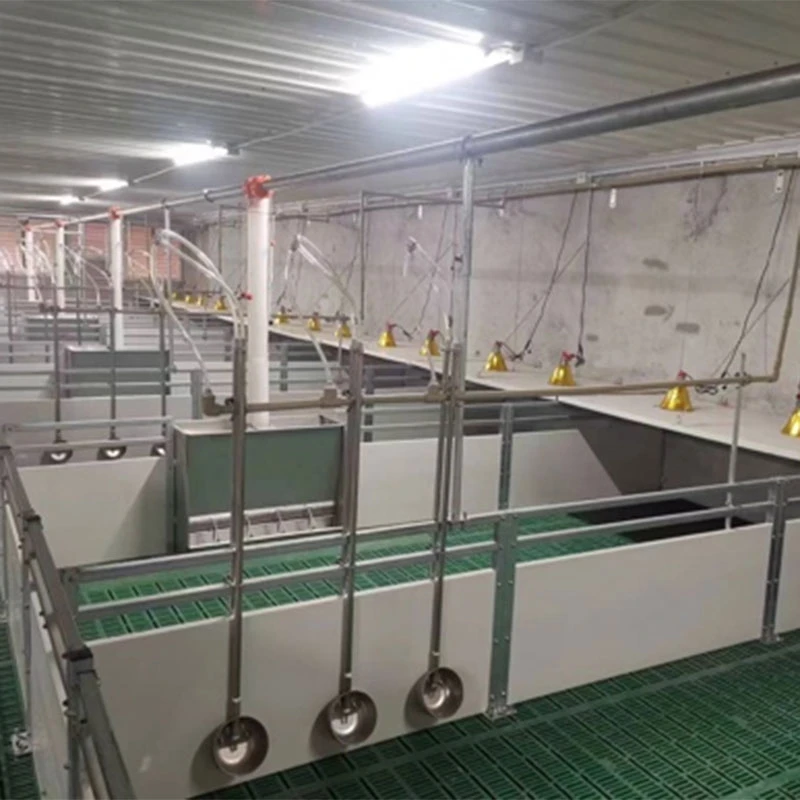
- Livestock Farming: In Scandinavian and Canadian farms, it improves animal welfare by promoting cleanliness and reducing disease spread. The open mesh flooring allows waste to fall away, cutting down ammonia buildup.
- Disaster Relief Operations: After typhoons in Southeast Asia, NGOs deploy modular open mesh floors in shelters, enabling hygienic, dry living spaces that prevent illness during emergencies.
- Industrial Settings: Factories in Germany and the U.S. use open mesh floors for chemical plants where liquid spillage can be frequent, improving safety and maintenance.
- Greenhouses: In the Netherlands, mesh floors support hydroponic setups by ensuring excess water drains, maintaining stable root environments.
One interesting case from Kenya shows that replacing dirt floor pens with plastic mesh panels helped reduce parasitic infections in goats by roughly 40%, a boon for smallholder farmers.
Mini Takeaway: Versatility makes open mesh flooring desirable across many sectors and geographies, adapting to unique local needs.Advantages and Long-Term Value of Open Mesh Flooring
Beyond its obvious hygiene benefits, open mesh flooring offers several layered advantages:
- Cost Savings: Lower disease rates in animals mean reduced veterinary bills, while tougher surfaces resist cracking and costly repairs.
- Environmental Benefits: Materials often recyclable; designs enable better waste management and airflow, reducing odors and chemical run-off.
- Social Impact: In disaster zones, providing safe and clean flooring uplifts dignity and wellbeing, reducing secondary health hazards.
- Reliability: Many floors endure decades, supporting the trend toward sustainable investments over disposable alternatives.
- Emotional & Psychological Impact: Workers and animals alike benefit from stable, clean flooring — which can’t be measured, but really matters.
In all, it’s not just about utility, but trust in the environment, whether for production or survival.
Emerging Trends and Innovations
The future of open mesh flooring looks exciting. Trends include:
- Smart Materials: Integration of antimicrobial coatings to further improve hygiene.
- Eco-Friendly Composites: Biodegradable plastics and hemp-based materials gaining traction for a reduced carbon footprint.
- Digital Design & Automation: Customized mesh layouts using AI to optimize ventilation and load distribution.
- Modular, Lightweight Systems: Designed for faster deployment in remote or crisis areas, sometimes foldable or inflatable.
- Energy-Harvesting Floors: Experimental designs incorporate piezoelectric materials that convert footsteps into energy.
Manufacturers and users alike are starting to think beyond static flooring towards living, responsive surfaces.
Challenges and How the Industry is Addressing Them
Of course, no solution is perfect:
- Initial Cost Barrier: Some rural or developing region users struggle with upfront investments.
- Maintenance Needs: Mesh floors can trap debris in corners, requiring regular cleaning.
- Material Limitations: Plastic meshes may degrade under UV exposure; steel can corrode if poorly maintained.
Expert Insights: Engineers recommend tailored solutions—for instance, hybrid plastics with UV stabilizers, or galvanization combined with routine inspections to extend life. Also, spreading knowledge and subsidies helps ease initial cost pressure.
Mini Takeaway: Challenges invite innovation and smarter choices—open mesh flooring evolves, not stands still.Frequently Asked Questions About Open Mesh Flooring
- Q1: How does open mesh flooring benefit animal welfare compared to solid floors?
- A1: Open mesh floors improve hygiene by allowing urine and waste to fall through, reducing contact and ammonia buildup. This lowers infection risks and promotes healthier hooves. Additionally, better airflow keeps animals cooler and more comfortable.
- Q2: Can open mesh flooring be installed in existing structures without heavy equipment?
- A2: Yes, many modular open mesh flooring systems are designed for easy, tool-free installation. Lightweight panels can snap together, ideal for retrofit projects or temporary use in remote areas.
- Q3: What materials are best for open mesh flooring in humid or corrosive environments?
- A3: Galvanized steel and certain composite plastics with additives are preferred. These materials resist rust, decay, and chemical damage, prolonging floor life in damp or industrial settings.
- Q4: How long does open mesh flooring typically last under heavy use?
- A4: Depending on material and maintenance, well-made open mesh flooring can last 10 to 20 years. Regular cleaning and inspection improve durability dramatically.
- Q5: Are these floors environmentally sustainable?
- A5: Many open mesh floors use recyclable or long-lived materials, reducing waste over time. New composites and bio-based products also advance eco-friendly credentials.
Vendor Comparison: Popular Open Mesh Flooring Providers
| Vendor | Materials Offered | Customization Options | Price Range | Lead Time |
|---|---|---|---|---|
| MeshFloors Inc. | Galvanized Steel, PVC Composite | Panel sizes, mesh openings | $$ | 2-4 weeks |
| EcoGrid Solutions | Recycled Plastic, Biocomposites | Colors, thickness, UV additives | $$$ | 3-6 weeks |
| Rapid Mesh Systems | Steel, Aluminum | Custom shapes, heavy load panels | $ | 1-2 weeks |
Conclusion: Why Open Mesh Flooring is a Smart Long-Term Investment
Looking at all the data, trends, and practical stories, open mesh flooring emerges as more than just an industry convenience; it’s a vital link in the chain of sustainable development, animal welfare, and humanitarian aid. Its blend of durability, hygiene, and adaptability meets the needs of today’s global challenges — from harsh farmsites to emergency shelters.
If you’re curious about upgrading your facility or enabling better conditions, open mesh flooring solutions offer a proven, trusted path forward. It’s the kind of quiet innovation that, oddly enough, makes a loud difference.
Feel free to explore our range and see how this simple yet effective technology can help your operation maintain health, efficiency, and resilience.
References:
Post time: Dec . 02, 2025