Understanding Open Grid Steel Flooring: Why It Matters Globally
At first glance, open grid steel flooring might sound like a niche industrial concept, but its ripple effects touch dozens of sectors worldwide — from construction and manufacturing to humanitarian aid. Simply put, it’s a specialized flooring system built with steel grids that offer strength, durability, drainage, and safety without the bulk of solid floor slabs. Why should you care? Because this smart solution plays a key role in resilience, sustainability, and even human dignity across climates and industries. Let’s unpack exactly what open grid steel flooring is, why it’s becoming crucial at a global scale, and what benefits it carries when understood well.
The Global Landscape: Why Open Grid Steel Flooring Is Gaining Importance
According to the International Organization for Standardization (ISO), industrial infrastructure is evolving fast to meet both environmental and cost efficiency demands. The rising push for sustainable materials means components like open grid steel floors — which provide ventilation, reduce water pooling, and extend asset life — have become essential across sectors.
Data from the United Nations indicate that urbanization and industrial expansion will continue at breakneck speeds, especially in emerging economies. The challenge? Safe, fast-to-install, and eco-conscious flooring solutions that also handle heavy loads and harsh conditions. Open grid steel flooring meets this challenge in ways traditional concrete slabs or timber floors simply can’t.
Mini takeaway:
Open grid steel flooring is not just a “nice-to-have” but increasingly a strategic solution worldwide, addressing growing infrastructure demands while tackling sustainability and safety concerns.
What Is Open Grid Steel Flooring? Simple Definition and Context
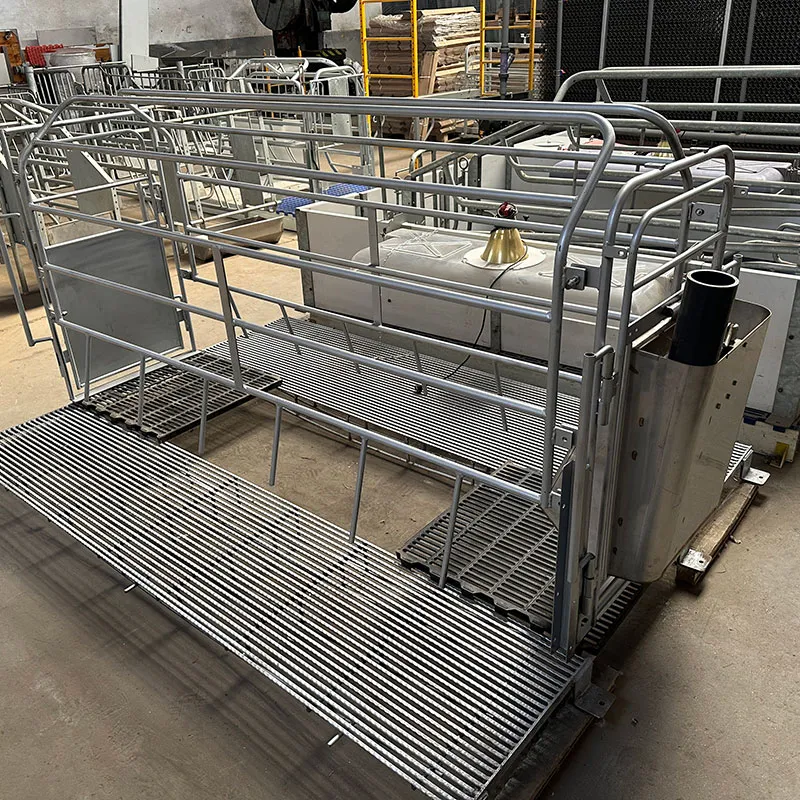
Imagine a floor made up of steel bars or mesh, spaced enough to allow liquids and debris to fall through, but tight enough to support heavy equipment or foot traffic. That’s open grid steel flooring in a nutshell. It’s engineered to provide strength, airflow, and drainage, making it a go-to method in places where moisture, chemicals, or constant wear would destroy solid floors quickly.
This type of flooring is crucial in modern industries like petrochemical plants, food processing zones, warehouses, and livestock farming facilities. Plus, in humanitarian setups — think temporary shelters or emergency infrastructure — it offers fast deployment and enhanced hygiene. It really bridges heavy-duty engineering with practical human needs.
Mini takeaway:
Open grid steel flooring is a fusion of strength and function, devised to solve tricky problems where ordinary floors fail.
The Core Aspects of Open Grid Steel Flooring
1. Durability and Strength
Steel’s inherent robustness means these floors withstand weight, impact, and corrosion better than many alternatives. Galvanized or coated steel options add even more protection, so whether in chemical plants or outdoor arenas, the flooring lasts.
2. Drainage and Ventilation
The grid pattern allows liquids, dust, and small debris to pass right through, preventing slip hazards, mold growth, and fluid pooling — all crucial in wet or high-humidity environments.
3. Installation Flexibility
Modular panels and standard sizes mean open grid systems can be installed rapidly, often without heavy equipment. This is especially valuable in remote areas or emergency situations.
4. Cost Efficiency Over Time
At first, steel floors might seem pricier than poured concrete, but reduced maintenance, longevity, and minimized downtime tip the balance favorably.
5. Safety and Ergonomics
Textured steel grids improve traction, reducing slips, while open designs allow for better lighting and airflow in confined spaces.
Mini takeaway:
These factors combine to make open grid steel flooring a versatile, practical choice in diverse, demanding environments.
Where Is Open Grid Steel Flooring Used Around the World?
From the smoky decks of offshore oil rigs in the North Sea to agricultural barns in the United States, open grid steel flooring is everywhere. In Asia’s booming manufacturing hubs, it helps maintain sanitary and efficient factory floors. In humanitarian operations — like refugee camps in sub-Saharan Africa — it provides stable, hygienic surfaces quickly.
For example, post-disaster relief sites often use open grid flooring in sanitation blocks to avoid stagnant water and keep spaces safe. Mining companies in Australia employ it across conveyor walkways because it resists abrasive dirt and heavy loads. Even urban transit agencies adopt open grid steel platforms because of their weather resistance and ease of maintenance.
Mini takeaway:
The ubiquity of open grid steel flooring underlines its role as a global backbone for both industry and social infrastructure.
Advantages and Why It Pays Off Long-Term
- Longevity: Lasts decades with minimal repair.
- Sustainability: Often made from recycled steel and fully recyclable.
- Health & Safety: Reduces slips, pests, and mold risks.
- Cost Savings: Cuts down on maintenance and replacement.
- Human Impact: Enables safer workplaces and living conditions.
Frankly, there’s an emotional comfort in knowing floors won’t give way or hold stagnant, polluted water. For companies, it’s a form of trust and brand integrity. For people working or living atop these floors, it’s dignity and safety — one of those small details that has oversized impact.
Product Specification Table
| Spec | Value | Notes |
|---|---|---|
| Material | Galvanized Steel | Resists corrosion & chemical exposure |
| Load Capacity | Up to 10,000 kg/m² | Suitable for heavy equipment |
| Grid Opening Size | 25 mm x 50 mm (standard) | Allows drainage and ventilation |
| Panel Size | 1.2 m x 2.4 m | Modular for easy installation |
| Finish | Powder coated optional | For enhanced UV and weather resistance |
Comparing Open Grid Steel Flooring Vendors
| Vendor | Material Quality | Customization Options | Lead Time | Pricing |
|---|---|---|---|---|
| SteelGrid Pro | High-grade galvanized steel | Standard and custom sizes | 2–3 weeks | Mid-range |
| GridMasters Inc. | Stainless & powder coated options | Highly customizable | 4–6 weeks | Premium |
| EcoFloors Ltd. | Recycled steel but durable | Limited sizes | 1–2 weeks | Budget-friendly |
Looking Ahead: Innovations and Future Trends
What’s next for open grid steel flooring? The slow but steady integration of smart materials and coatings to increase lifespan and reduce maintenance is a big area. For example, self-healing coatings that fill small cracks or resist harsh chemicals could extend service intervals even further.
Additionally, trends in greener manufacturing and circular economy models push vendors to use more recycled steel and tighter lifecycle analyses. Digital manufacturing technology and IoT sensors embedded within floors could soon provide real-time data on load stress or corrosion, enhancing safety procedures.
It feels like a quiet revolution beneath our feet — one that’s about more than just steel meshes but about smarter, sustainable infrastructure.
Challenges and How They Are Overcome
Open grid steel flooring isn’t magic. Challenges include initial cost, potential noise from foot traffic, and susceptibility to rust in poorly maintained setups. Yet, ongoing R&D into surface treatments, simple modular repair systems, and cost-effective coatings are addressing these issues.
Many engineers recommend combining open grid flooring with resilient substructures or noise-dampening pads to make industrial spaces more comfortable. Plus, training and regular maintenance are key to extending the life and returns of these floors.
FAQ: Your Top Questions About Open Grid Steel Flooring
- How long does open grid steel flooring usually last?
- With proper maintenance and quality materials, open grid steel flooring can last 20-30 years or more, even under heavy industrial use.
- Is it safe for pedestrian use in wet or oily environments?
- Yes. The open grids provide excellent drainage and traction, significantly reducing slip hazards when installed correctly.
- Can open grid steel flooring be customized for specific weight loads?
- Absolutely. Manufacturers offer various thicknesses, grid patterns, and materials to suit light foot traffic or heavy machinery loads.
- Is installation labor-intensive?
- Not usually. Modular panel systems are designed for quick installation, sometimes without heavy machinery, ideal for remote or emergency setups.
- How does it compare environmentally to concrete floors?
- Open grid steel floors often have a lower environmental footprint due to recyclability and reduced material volume, plus they enable better ventilation and prevent mold growth that can cause health issues.
Wrapping It Up: Why Open Grid Steel Flooring Deserves Your Attention
Open grid steel flooring is quietly foundational to safer, cleaner, and more efficient workspaces and shelters everywhere. The long-term economic benefits mesh perfectly with sustainability goals and practical safety outcomes. Whether you’re an engineer managing a factory, a project manager in relief logistics, or just curious about durable infrastructure, this flooring solution offers a pragmatic, cost-effective future-ready choice.
If you want to explore more solutions or source quality open grid steel flooring, don’t hesitate to visit our website at https://www.cxlivestock.com. Here’s to floors that stand the test of time and tide.
References:
Post time: Dec . 02, 2025