Understanding Hog Farrowing Crates: Why They Matter Globally
Hog farrowing crates might not be front-page news, but they play a surprisingly pivotal role in global agriculture and animal welfare. At their core, these crates provide a structured, safe environment where sows give birth and nurture their piglets. This small piece of infrastructure is more than a mere pen — it directly impacts piglet survival rates, farming efficiency, and yes, animal wellbeing.
Worldwide, pork is one of the most consumed meats, with the UN’s Food and Agriculture Organization (FAO) reporting over 110 million metric tons produced annually. With rising demand, optimizing farrowing processes to keep piglets safe and sows comfortable isn’t just good farming—it’s sustainable food security. So understanding hog farrowing crates means recognizing a crucial piece of a vast, complex food-production puzzle.
Mini takeaway: Hog farrowing crates are essential for safer births and efficient pork production, impacting food systems worldwide.
The Global Context of Hog Farrowing Crates
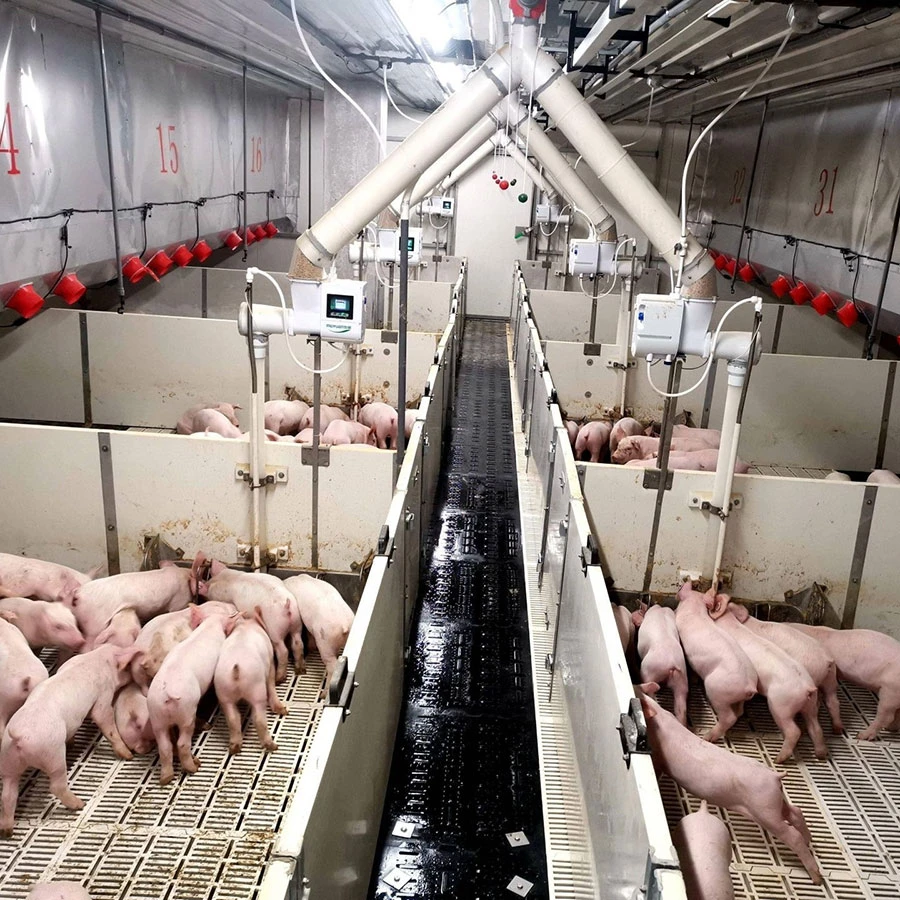
Globally, pork production is concentrated in regions like China, Europe, and North America, where industrial farming often depends on farrowing crates to manage hundreds, sometimes thousands, of sows. The hog farrowing crates address a tricky challenge: how to protect vulnerable newborn piglets from being accidentally crushed by their mothers while allowing the sow enough space to nurse effectively.
According to a 2022 ISO report on animal husbandry standards, optimizing living spaces for livestock has implications not just for productivity but also welfare standards—something increasingly relevant to export markets and consumer preferences. Yet, the challenge remains balancing space efficiency, cost, and increasingly, ethical concerns.
Mini takeaway: Farrowing crates help solve safety issues on industrial farms while reflecting evolving global welfare standards and market demands.
What Exactly Are Hog Farrowing Crates?
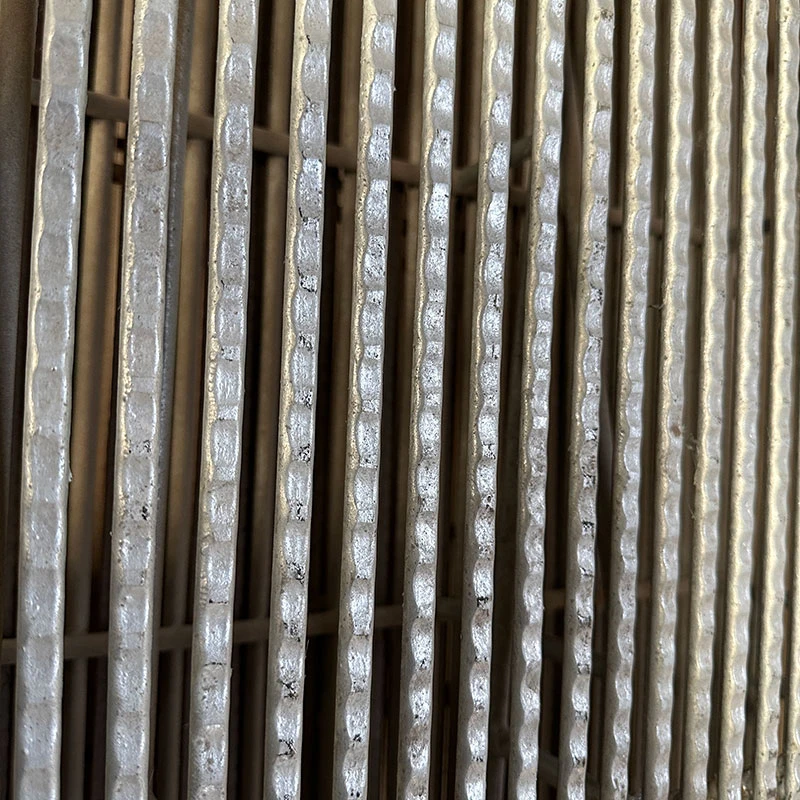
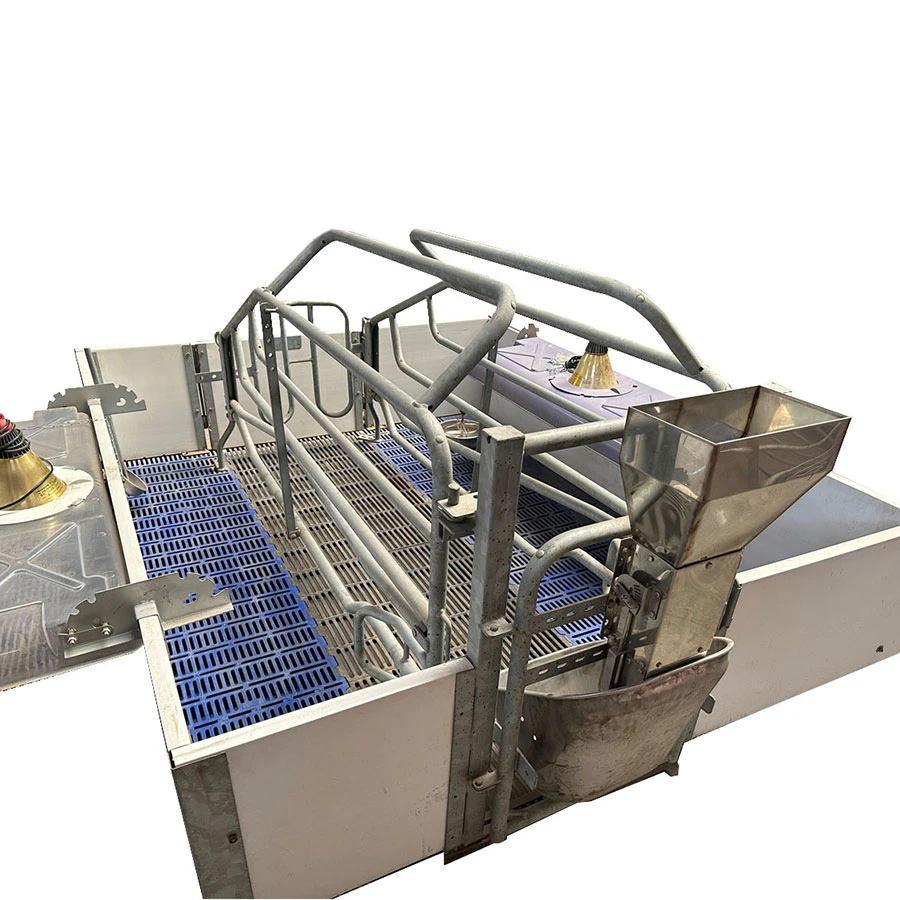
In simple terms, a hog farrowing crate is a specialized enclosure designed to house a sow around the time she gives birth. These crates restrict the sow’s movement just enough to prevent accidental injury to piglets but allow easy access to feeding and cleaning. They’re usually made of steel or galvanized metal, with slatted flooring to manage waste and maintain hygiene.
For modern producers, they’re an indispensable tool, linking animal husbandry with biosecurity controls and scalable industrial farming techniques. From a humanitarian viewpoint, they ironically combine care and control, attempting to strike a balance between sow comfort and piglet survival.
Mini takeaway: Farrowing crates are carefully engineered pens enabling safer births and easier management in modern pig farming.
Key Features to Consider in Hog Farrowing Crates
1. Durability & Materials
Many crates are built with heavy-gauge steel or galvanized piping—chosen for resistance to corrosion and the harsh cleaning agents farms employ. Sometimes composite plastics are making inroads for quieter, rust-free alternatives, but steel remains the tried-and-true standby. I noticed farms with rust issues invariably faced higher maintenance and animal health challenges.
2. Space Optimization
While the typical sow is cramped compared to free-range setups, the tight quarters minimize piglet crushing, a big killer of newborns. Crates often incorporate adjustable widths to fit different sow sizes, preserving productivity and comfort. It’s a delicate dance—too spacious defeats the purpose; too cramped sparks welfare concerns.
3. Hygiene & Waste Management
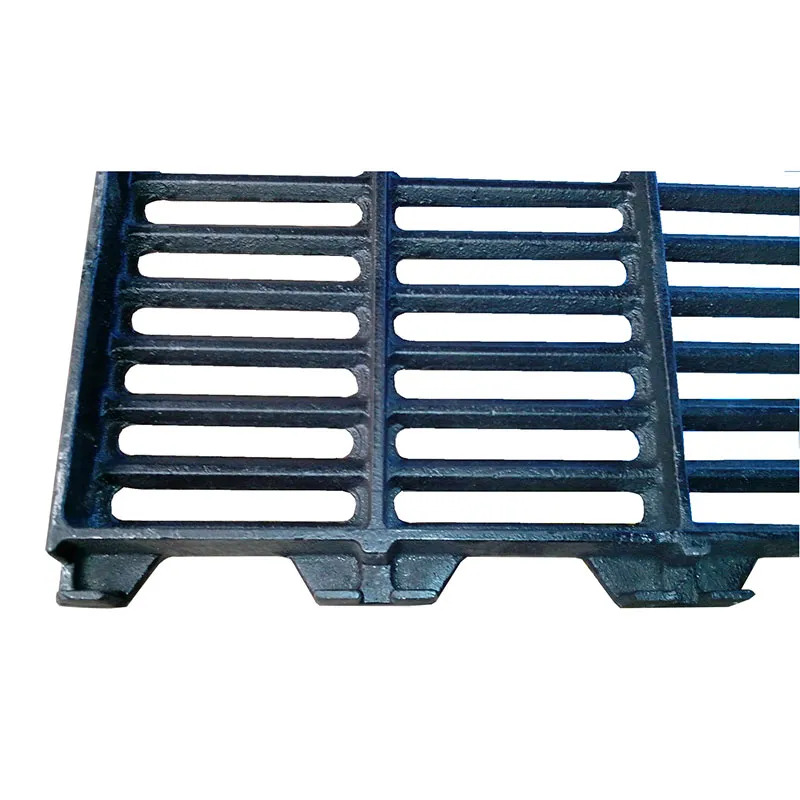
Slatted floors allow manure to fall through, keeping piglets dry and reducing disease risk. Drainage systems integrated below the crates help with quick cleaning cycles. In regions with water restrictions, designs feature minimal water use, proving the importance of this factor.
4. Ease of Access
Feeding, medical checks, farrowing assistance—all require that farmers can reach the sow and piglets without stress. Many crates now come with modular gates or removable panels to allow quick physical access while maintaining safety barriers.
5. Cost Efficiency
Initial investment varies widely, influenced by crate size, complexity, and materials. Yet, many producers find that reduced piglet mortality quickly justifies the expense, especially when scaled across dozens or hundreds of units.
6. Welfare & Compliance
With increasing scrutiny and legislation around animal welfare (e.g., EU’s Directive 2008/120/EC), crate design is evolving to offer slightly larger spaces and more natural movement, without compromising the fundamental safety benefits.
Mini takeaway: Durability, space, hygiene, accessibility, cost, and welfare compatibility are the pillars of effective hog farrowing crate design.
Global Use Cases and Applications
In industrial hog farming hubs like the US Midwest and parts of China, farrowing crates are standard equipment, found in large-scale facilities designed for maximum throughput. Contrastingly, some European farms and smallholders prefer alternative systems, such as loose farrowing pens, to comply with stricter welfare legislations.
Interestingly, in developing regions facing rapid urbanization and supply chain pressures—such as Southeast Asia—farrowing crates are seen as an important upgrade to traditional open pen systems, enhancing both productivity and food safety.
One particular case: a cooperative in Manitoba integrated modern farrowing crates with solar-powered ventilation, pushing the envelope on sustainability and animal comfort. Similarly, NGOs addressing food security after disasters sometimes employ mobile, quickly assembled crates to restart piglet-rearing with minimal infrastructure.
Mini takeaway: Hog farrowing crates adapt well globally, from industrial farms to innovative sustainability projects, even emergency relief efforts.
Advantages and Long-Term Value of Hog Farrowing Crates
- Improved Piglet Survival: Reduced crushing and better hygiene translate into higher survival rates.
- Operational Efficiency: Easier management and monitoring mean less labor and lower veterinary costs.
- Welfare Compliance: Aligns producers with emerging global welfare regulations and market preferences.
- Sustainability: Designs increasingly consider waste reduction and water use, contributing to greener farming.
- Emotional Peace of Mind: Knowing piglets and sows are safer fosters trust between farmers and consumers alike.
In real terms, these advantages ripple into commercial benefits: stable production, better market access, and improved farm reputations.
Mini takeaway: Hog farrowing crates promise a balance of economic gains and ethical farming—something increasingly important in today’s global markets.
Product Specification Table: Typical Hog Farrowing Crate Model
| Specification | Details |
|---|---|
| Frame Material | Galvanized Steel (heavy gauge) |
| Dimensions (L x W x H) | 2.1 m × 0.7 m × 1.1 m adjustable width |
| Floor Type | Plastic or metal slatted flooring with drainage |
| Weight Capacity | Up to 350 kg sow safely accommodated |
| Access Features | Removable side panels & feeding gate |
| Typical Cost Range | $350 - $700 per unit (bulk discounts possible) |
Vendor Comparison Table for Hog Farrowing Crates
| Vendor | Material Quality | Customization | Price Range | Lead Time | Eco Features |
|---|---|---|---|---|---|
| AgriMetal Works | Galvanized steel, rust-resistant | Adjustable widths, modular parts | $400 - $650 | 3-4 weeks | Low VOC paints, recyclable materials |
| PigSafe Solutions | Powder-coated steel frame | Custom sizes, modular gates | $350 - $700 | 2-3 weeks | Water-efficient design |
| FarmInnovate | Composite recycled plastic panels | Modular, easy assembly | $550 - $800 | 4-5 weeks | Highly recyclable materials |
Emerging Trends and Innovations in Hog Farrowing Crates
Oddly enough, farrowing crates have entered the age of digital and green tech convergence. Smart crates with embedded sensors now track sow activity and piglet health, alerting farmers before issues become serious. Automated temperature and ventilation controls optimize comfort, reducing stress and illness.
Materials innovation is also on the rise. Alternatives like composites made from recycled plastics or bio-based fibers aim to cut environmental footprints. Solar-powered ventilation, lightweight modular designs for rapid installation, and easy recycling post-use form a package of sustainability trends.
Policy-wise, many countries are shifting towards banning or restricting traditional crate sizes in favor of more welfare-friendly systems. Thus, flexibility and adaptability in crate design are becoming key selling points.
Mini takeaway: Hog farrowing crates are evolving with smart tech, eco-materials, and welfare-driven design changes to meet future demands.
Common Challenges and Practical Solutions
It’s fair to say the biggest controversy centers on animal welfare. Critics argue that crates overly restrict sow movement, causing stress and discomfort. Additionally, costs of upgrading older farms with modern crates can be high, especially in small operations.
Solutions include adopting adjustable pen sizes, integrating enrichment tools like straw racks, and improving ventilation for better air quality. On the financial side, government subsidies and cooperative purchasing are helping farms modernize without breaking the bank.
Plus, ongoing research from bodies like the World Organisation for Animal Health (OIE) pushes design standards that balance welfare with productivity. In practice, no one-size-fits-all exists, so adaptability is the real key.
FAQs About Hog Farrowing Crates
- What are the main benefits of hog farrowing crates over open pens?
- Farrowing crates reduce piglet mortality by limiting sow movement that can accidentally crush piglets. They also improve hygiene control and ease farm management, especially on larger operations.
- How do farrowing crates align with animal welfare standards?
- Many newer crate designs incorporate adjustable sizes, enrichment, and better ventilation to meet stricter welfare guidelines. However, some regions require alternative loose housing for full compliance.
- Are hog farrowing crates cost-effective for small farms?
- While the upfront investment can be significant, improved piglet survival and operational efficiency usually offset costs within a few farrowing cycles. Cooperative buying can reduce expenses for smaller producers.
- Can these crates be customized for different sow sizes?
- Yes, most modern crates have adjustable widths and modular sections making them suitable from smaller to larger breeds, maximizing comfort and safety.
- How can farms improve hygiene with farrowing crates?
- Using slatted floors, easy-clean materials, and efficient drainage systems reduces disease risks significantly. Regular cleaning with proper equipment is essential.
Wrapping Up: Why Hog Farrowing Crates Deserve Attention
Hog farrowing crates may sound mundane, but their impact resonates across global food production, animal welfare, and farming economics. They’re not perfect, admittedly, but ongoing innovations and smart integrations make them a cornerstone in sustainable livestock farming.
If you’re a producer, supplier, or industry professional curious about optimizing your farrowing systems, exploring hog farrowing crates options is a practical step forward.
Stay tuned, stay humane, and keep innovation rolling — the humble farrowing crate is quietly shaping the future of pig farming, one litter at a time.
References:
Post time: Dec . 02, 2025