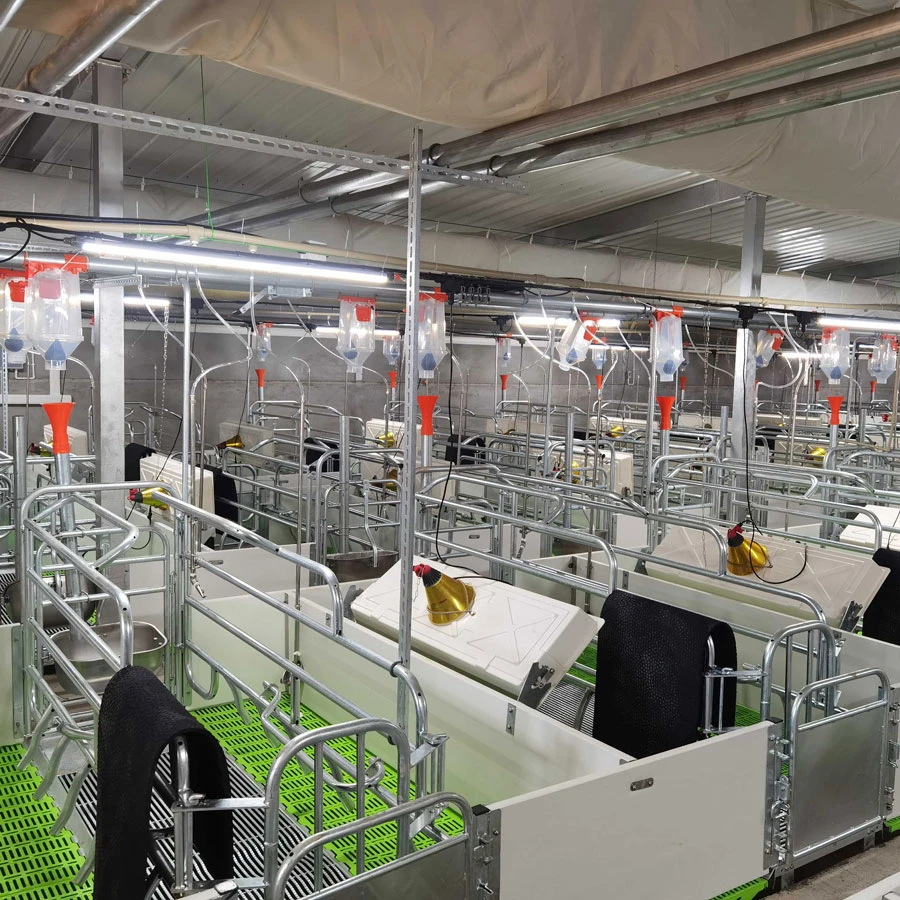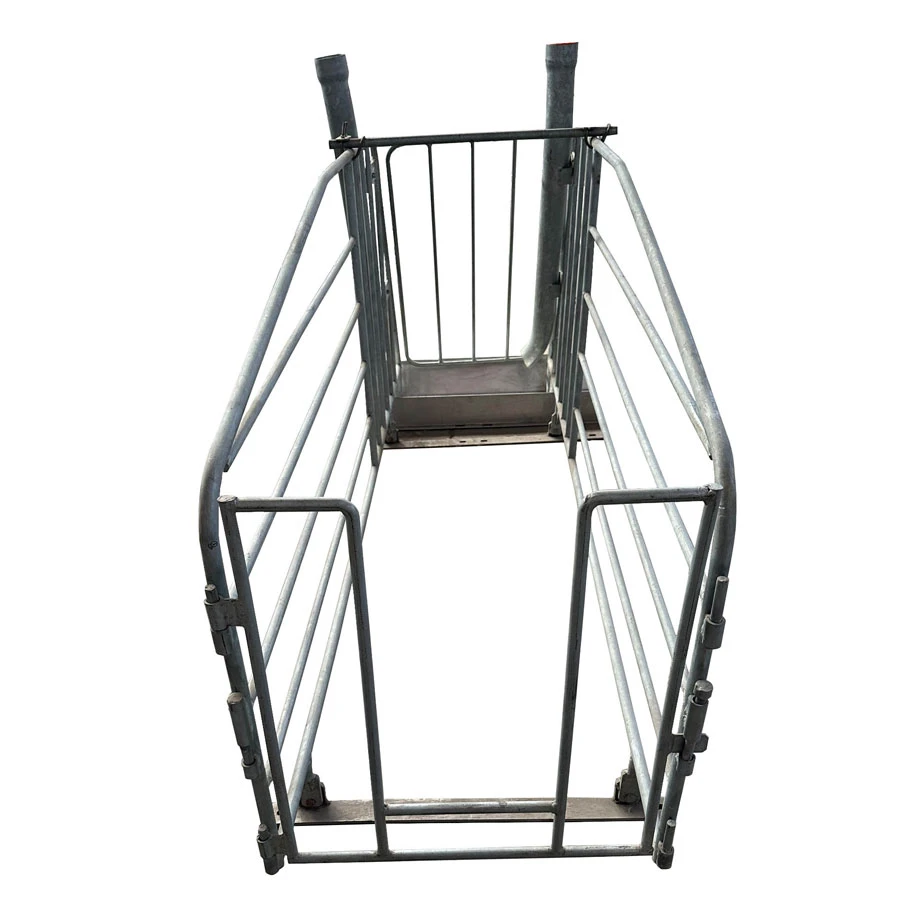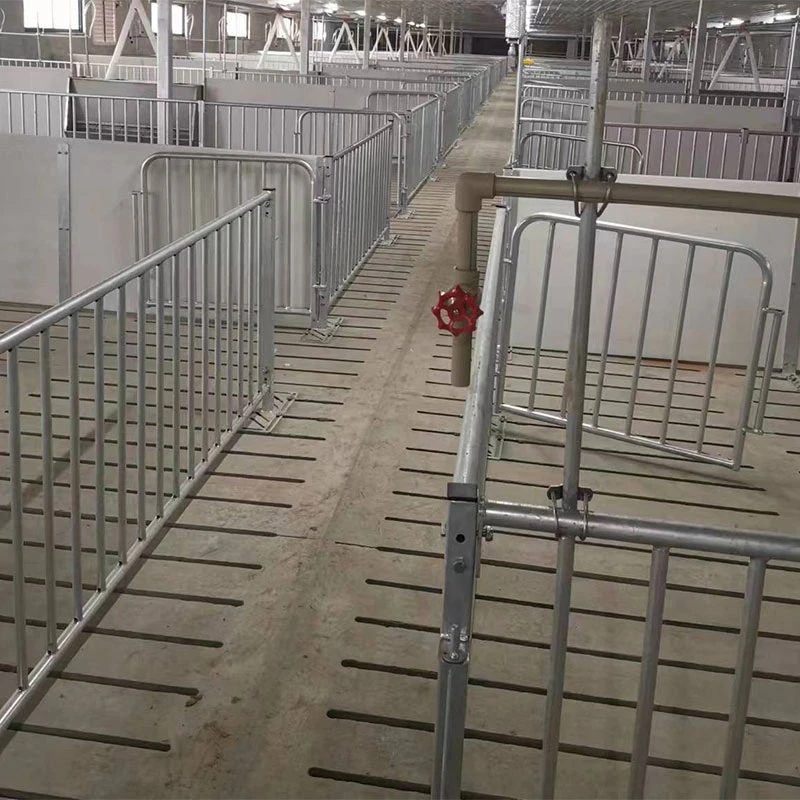
Understanding Gravity Flow Feed Bins: Why They Matter Globally
If you’re involved in agriculture, livestock management, or even humanitarian food supply chains, you probably understand the silent workhorse that gravity flow feed bins represent. These simple yet clever devices rely on gravity to streamline feeding operations by automatically dispensing feed with minimal manual intervention. Globally, with rising demand for efficient, sustainable farming and reduction of food waste, gravity flow feed bins have become a quiet hero in animal husbandry and disaster relief alike.
Why focus on them? Because, oddly enough, they embody an elegant solution to several pressing issues—ranging from labor shortages on farms to consistent feed delivery in remote or infrastructure-challenged areas. Understanding how they work, the key factors that make them efficient, and their evolving role gives operators a significant edge. Moreover, their relevance continues to grow as global food systems face climate change, labor challenges, and supply chain disruptions.
Mini Takeaway: Gravity flow feed bins may seem simple, but their global impact on livestock management, efficiency, and food security is profound — and worth a closer look.
The Global Context: Feeding a Growing Population with Less Waste
According to the United Nations (UN, 2023), the world population is expected to reach 8.5 billion by 2030, with a steady rise in demand for meat and dairy products. This uptick means more sophisticated, efficient feeding systems are vital to sustainable livestock farming. Gravity flow feed bins play a central role here. They reduce feed spoilage, enable controlled delivery, and help farmers automate daily routines.
But the problem is more nuanced: in many developing regions, availability of labor is unpredictable, and infrastructure isn’t always reliable. Feed bins that function solely by gravity—without the need for external power—address these challenges elegantly. For instance, rough terrains where electricity is spotty can still benefit from steady, gravity-driven feed dispensing.
Mini Takeaway: Gravity flow feed bins are not just farm conveniences; they tackle global challenges like food security, labor shortages, and infrastructure gaps, making them indispensable across continents.
What Exactly Are Gravity Flow Feed Bins?
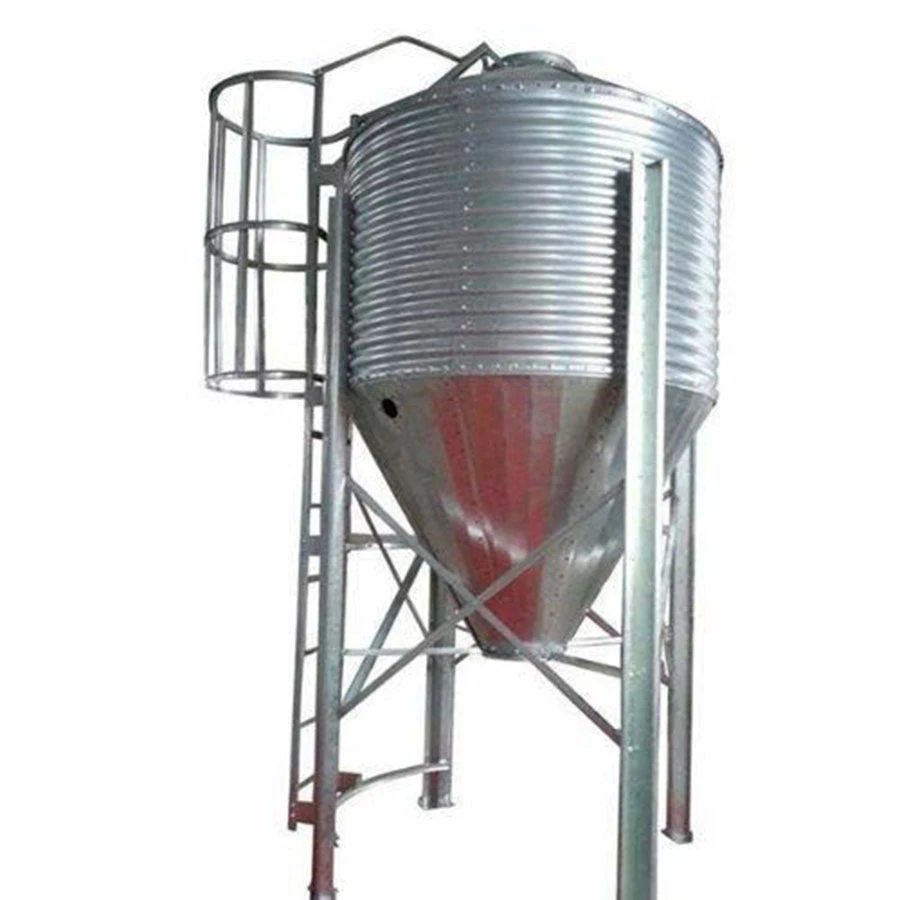
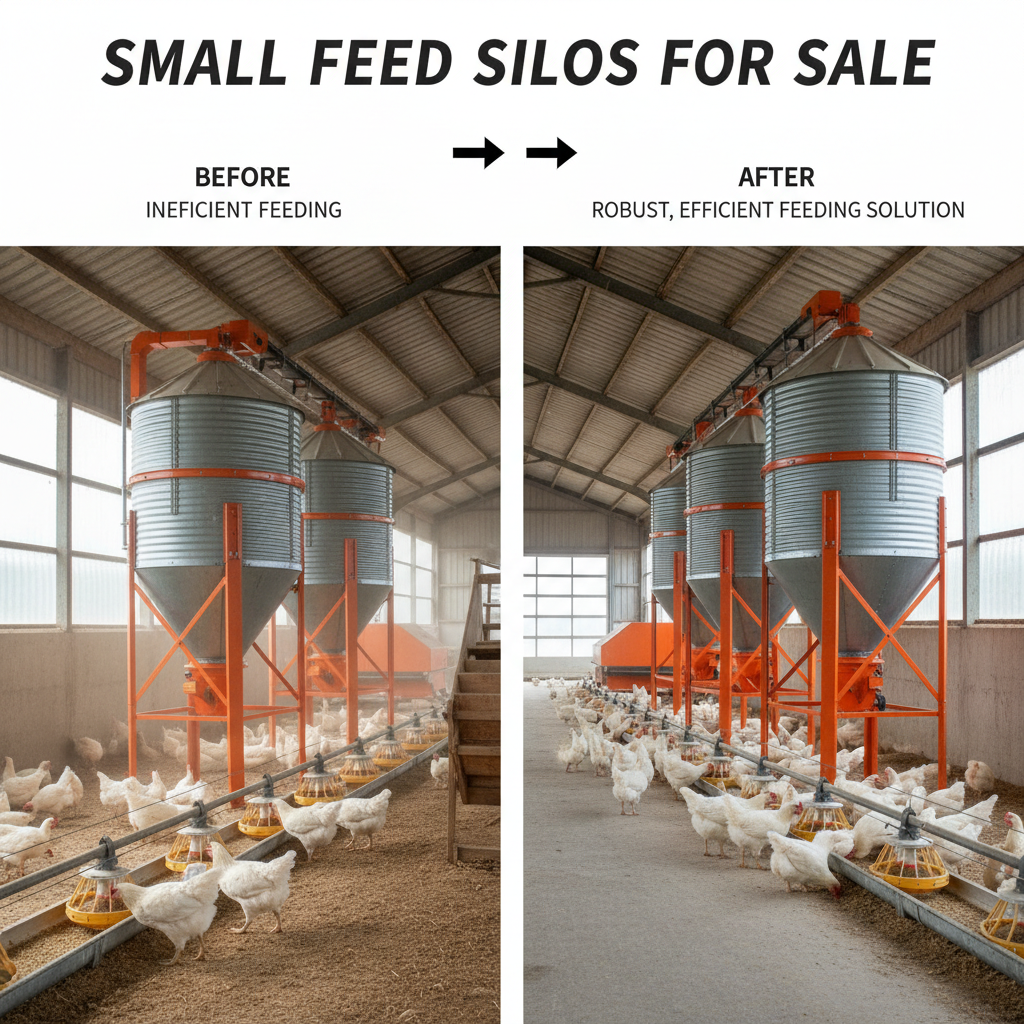
At their core, gravity flow feed bins are storage containers designed to hold animal feed and dispense it steadily using gravity rather than mechanical or powered distribution systems. The feed is loaded from the top, and it naturally flows downward through a conical hopper section. This gravity-assisted flow ensures even feed delivery into feeding troughs or conveyors below without needing electric augers or motors.
The design, while straightforward, is often crafted from durable materials such as galvanized steel or heavy-duty plastics to withstand outdoor conditions, moisture, and feed corrosion. These bins align perfectly with modern livestock operations that value scalability, automation, and sustainability. Importantly, in disaster relief or remote agricultural zones, they provide a dependable, energy-free resource for feeding animals.
Core Components and Key Factors in Gravity Flow Feed Bins
Durability & Material Quality
One of the foremost considerations is how well the bin endures harsh environmental and mechanical stresses. Materials like galvanized steel resist rust, while UV-stabilized plastics fend off cracking in sunlight. Many farmers swear by reinforced bins after years of use without dents or leaks.
Capacity and Scalability
Capacities vary but generally range from a few hundred kilograms to several tons. Choosing the right size is critical: too small, and you risk frequent refills; too large, and spoilage can occur. Plus, in large-scale operations, modular setups with multiple bins connected to gravity flow lines are becoming standard.
Ease of Maintenance
Regular cleaning to prevent feed contamination is vital. Bins with smooth, wide hoppers and removable access panels simplify this task. Some bins even feature anti-rat or vermin-proof seals, which are essential for long-term feed quality.
Cost Efficiency
Since these bins operate without powered feeders, they cut down on electricity costs and mechanical wear and tear. Initial investment can vary, but ROI is often seen quickly through labor savings and reduced feed waste.
Compatibility with Feeding Systems
Gravity flow feed bins can integrate with conveyor belts, augers, or direct feed troughs. Flexibility here is crucial to adapt to diverse farm layouts and livestock types.
Mobility and Installation
Some gravity bins are standalone and fixed, while others are mounted on wheels or skids, allowing seasonal relocation or temporary use in disaster zones.
Mini Takeaway: The choice of materials, size, and integration directly impacts how effectively a gravity flow feed bin serves a specific operation, balancing cost and convenience.
Global Applications and Real-World Use Cases
Gravity flow feed bins prove their worth across a surprising array of environments and industries:
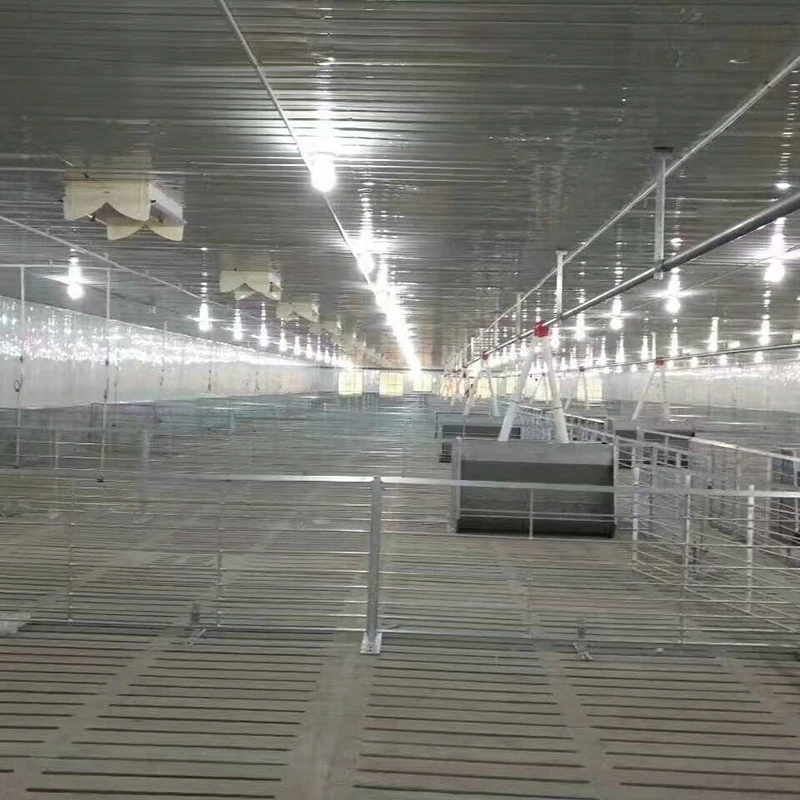
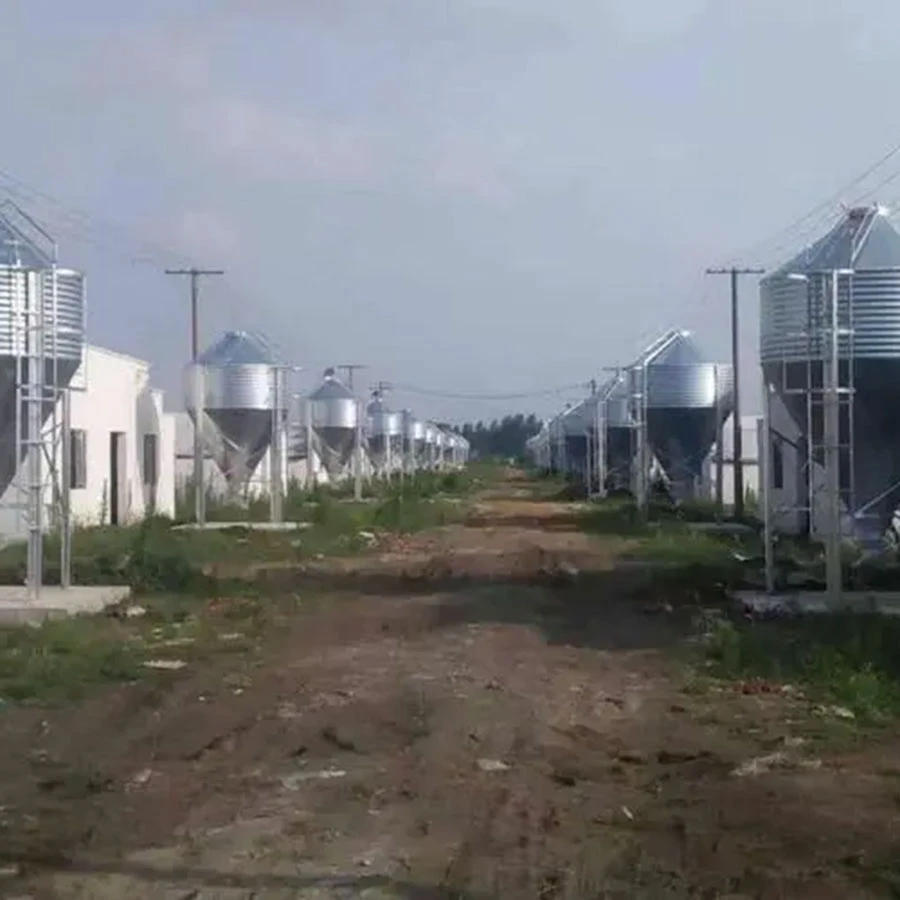
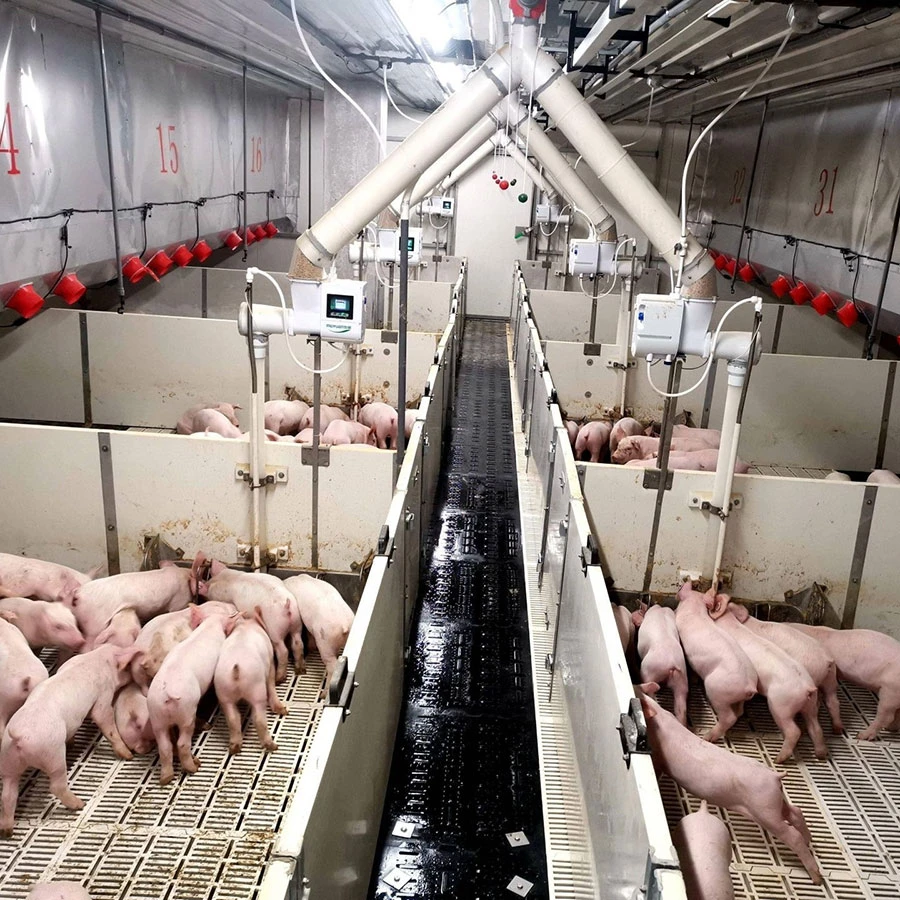
- Commercial Livestock Farms: In the Midwest USA, large-scale hog and poultry farms use gravity bins extensively to automate feeding and reduce labor.
- Subsistence and Smallholder Farms: In parts of Sub-Saharan Africa, bins help small farmers improve feed efficiency, contributing to better livestock productivity.
- Disaster Relief and Humanitarian Aid: After events like floods or droughts, NGOs use portable gravity flow bins to distribute feed to displaced livestock owners, preserving livelihood.
- Remote Industrial Operations: Mining camps or isolated outposts often rely on gravity bins because their power grids are limited or unreliable.
For example, the gravity flow feed bins featured in recent UN food security programs were praised for cutting feed loss by nearly 15% and reducing manual labor by over 30%, a big deal in resource-strapped zones.
Advantages and Long-Term Value of Gravity Flow Feed Bins
Why are these bins garnering more attention? Well, the benefits go beyond the obvious:
- Cost Savings: Less wasted feed, fewer repairs, and reduced energy bills.
- Sustainability: By minimizing feed spillage and contamination, these bins promote responsible resource use.
- Reliability: Gravity mechanisms are fail-safe and require minimal maintenance.
- Improved Animal Welfare: Consistent feed delivery supports healthier animals, enhancing overall farm output.
- Empowerment: Especially in developing regions, these bins save farmers time and physical effort—improving quality of life.
And emotionally? There’s a genuine peace of mind in knowing your feed system won’t break down during a cold night or unexpected blackout.
Future Trends and Innovations in Gravity Flow Feed Storage
The gravity flow feed bins of tomorrow are likely to get a tech upgrade. Imagine sensors that track feed levels and send alerts to your phone, or smart materials that repel moisture and prevent mold growth autonomously. Some manufacturers are exploring solar-powered agitators combining gravity feeding with gentle stirring to avoid feed compaction.
Environmental aim? Reducing plastics and steel use by incorporating sustainable composites or recycled materials. On the policy side, increased focus on water and feed conservation in global agriculture standards ISO standards means bins designed for minimal waste will be in higher demand.
Common Challenges and Practical Solutions
Despite their simplicity, gravity flow feed bins do face hurdles:
- Feed Bridging: Sometimes feed compacts and clogs the hopper. Solutions include vibration pads or specialized hopper angles.
- Pest Intrusion: Rats and insects can infiltrate open hoppers. Seals and integrated pest deterrents help here.
- Weather Exposure: Rain and humidity cause feed spoilage. Covered installations and drainage designs mitigate this.
Many engineers recommend periodic inspection and combining gravity bins with protective infrastructure for best results.
Frequently Asked Questions About Gravity Flow Feed Bins
- How do gravity flow feed bins reduce feed waste?
- By controlling the feed output through gravity, these bins prevent overfeeding and spillage common with manual feeding. This leads to less feed spoiled by moisture and pests.
- Are gravity flow bins suitable for all types of livestock feed?
- Mostly, yes. They work well with dry, granular feeds such as pellets or grains. Very fine powders or wet feed may require different storage.
- Can these bins be used in regions without reliable power?
- Absolutely. That’s one of their biggest advantages—they operate without electricity, making them perfect for remote or off-grid areas.
- What maintenance do gravity flow feed bins require?
- Regular cleaning to prevent buildup, checking seals for pests entry, and inspection for physical damage ensure long service life.
- How customizable are these bins for different farm sizes?
- Very customizable. Manufacturers offer various sizes and can design modular systems tailored to the number of animals and feed type.
Product Specifications at a Glance
| Feature | Typical Specification | Notes |
|---|---|---|
| Material | Galvanized Steel or UV-resistant Polyethylene | Corrosion and weather resistant |
| Capacity | 500 - 3000 kg | Varies to suit farm size |
| Hopper Angle | 45° - 60° | Ensures smooth flow without bridging |
| Feed Outlet Size | 10 - 20 cm Diameter | Customizable per feed type |
| Weight | 50 - 300 kg (empty) | Varies by material & capacity |
Comparing Top Gravity Flow Feed Bin Vendors
| Vendor | Material Options | Capacity Range | Special Features | Price Range |
|---|---|---|---|---|
| AgriFlow Systems | Steel, Plastic | 600 - 2500 kg | Modular design, pest-proof seals | $$$ |
| EcoBin Solutions | Recycled Composites | 500 - 2000 kg | Solar sensor integration | $$$$ |
| FarmTech Corp | Galvanized Steel | 700 - 3000 kg | Vibration anti-bridging system | $$ |
Wrapping Up: Why Gravity Flow Feed Bins Are Worth Considering
Ultimately, gravity flow feed bins bring together practicality, efficiency, and sustainability in a neat package. Whether you’re managing a sprawling commercial farm or helping arrange supplies for disaster-stricken communities, their ability to deliver feed reliably without power or fuss is invaluable. The growing challenges of a changing climate, resource scarcity, and global population growth only make these bins more essential. If you want to explore options or get advice, be sure to check out resources like gravity flow feed bins specialists for tailored solutions.
So yeah, they might just be the unsung gadgets quietly revolutionizing how we feed the world's animals — and in turn, keep food on our tables.
References
Post time: Dec . 02, 2025