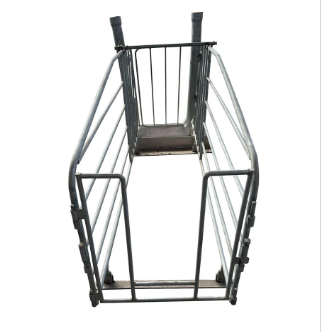
Industry Overview: Precision Livestock Management and Gestation Housing
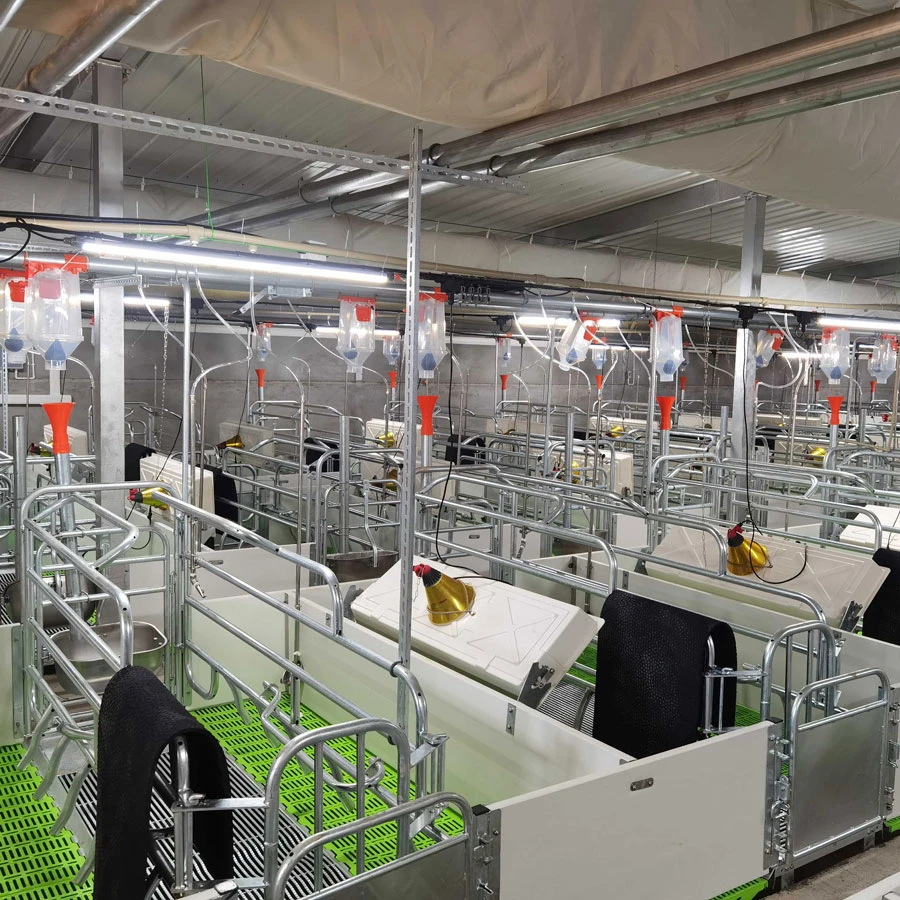
Modern swine production demands rigorous standards in animal welfare, biosecurity, and operational efficiency. As the global demand for pork continues to rise, producers are increasingly adopting advanced housing solutions to optimize the health and productivity of their breeding stock. Central to this strategy are specialized enclosures designed for the reproductive phase, specifically gestation crates for pregnant sows. These systems represent a critical component in ensuring individualized care, precise nutritional management, and effective herd health monitoring throughout the crucial gestation period. The industry is witnessing a trend towards designs that balance animal needs with farm operational efficiencies, integrating robust materials and intelligent design principles.
The evolution of swine housing includes a focus on solutions for individual housing of breeding gilts and sows. While discussions around housing systems continue, solutions like these crates are engineered to provide specific benefits during gestation. Related advancements also extend to housing for gestation crates for pregnant pigs, ensuring consistent care across different stages of maturity within the breeding herd. This commitment to controlled environments contributes significantly to disease prevention, accurate feed intake, and overall farm profitability.
Manufacturing Excellence: The Production Process of Gestation Crates
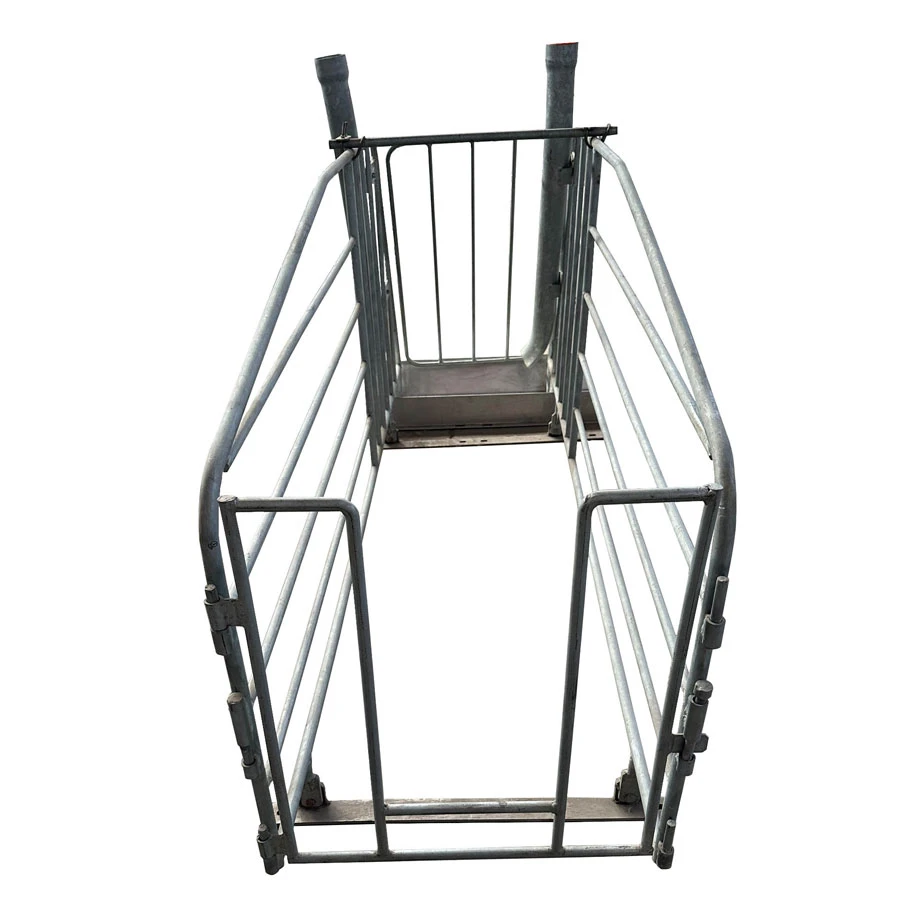
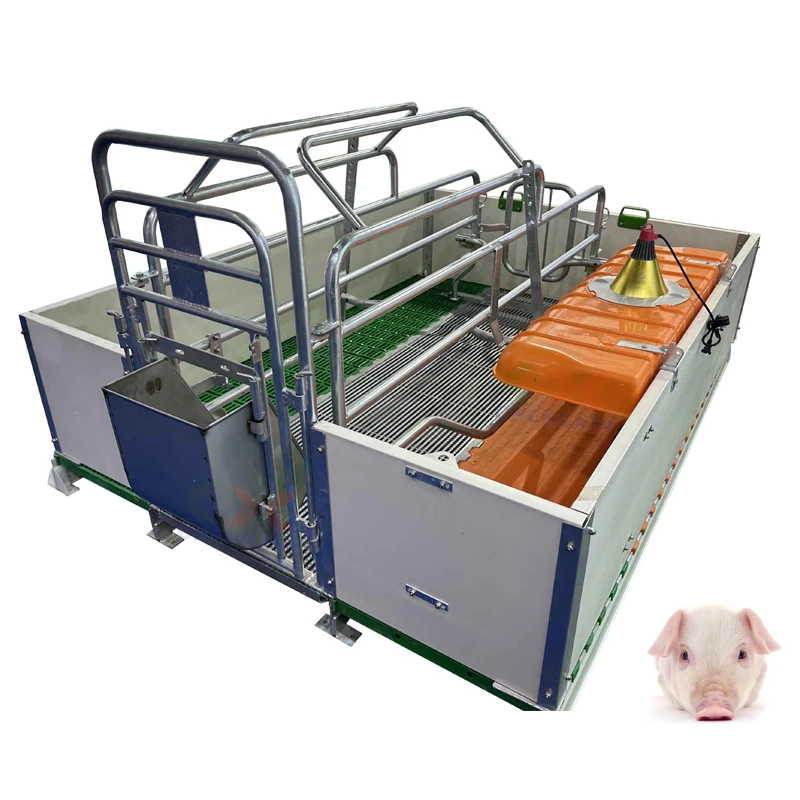
The production of high-quality gestation crates for pregnant sows involves a meticulous multi-stage manufacturing process, ensuring durability, hygiene, and safety. Our "Gestation Crates With Steel Pipe Or Solid Bar Frame" are engineered from premium materials to withstand the demanding conditions of modern swine farms, offering an extended service life crucial for target industries such as large-scale animal husbandry and agricultural equipment sectors.
Process Flow Diagram:
1. Material Sourcing & Preparation
High-grade Q235 steel pipes or solid bars are selected for their strength and ductility. Materials are cut to precise dimensions using automated CNC pipe cutting machines, minimizing waste and ensuring dimensional accuracy. This foundation ensures the structural integrity of the final product.
2. Bending & Forming
Advanced hydraulic bending machines precisely form the cut steel into the required geometric configurations. This process is crucial for creating smooth, rounded edges that enhance animal safety and structural stability, preventing sharp points that could injure sows.
3. Welding & Assembly
Components are expertly welded using CO2 shielded welding robots and skilled manual welders. This ensures strong, uniform welds free from defects. Fixtures are used to maintain precise dimensions during assembly, leading to consistent product quality and easy modular installation on-site.
4. Surface Treatment (Hot-dip Galvanizing)
After fabrication, the steel structures undergo hot-dip galvanizing, adhering to ISO 1461 standards. This process provides a robust zinc coating (typically 600 g/m² - 800 g/m²), offering superior corrosion resistance against the aggressive environments found in swine facilities (ammonia, moisture, cleaning agents), significantly extending the service life to 15-20 years.
5. Quality Control & Testing
Each crate undergoes rigorous quality inspections at various stages. This includes dimensional verification, weld integrity checks, and coating thickness measurements. Products conform to international standards such as ISO 9001 for quality management and relevant ANSI/ASABE standards for agricultural equipment, ensuring reliable performance and safety.
6. Packaging & Shipment
Finished crates are carefully packaged to prevent damage during transit. Options for disassembled or pre-assembled units are available to suit client installation preferences. Logistics are managed to ensure timely and secure delivery to farms worldwide.
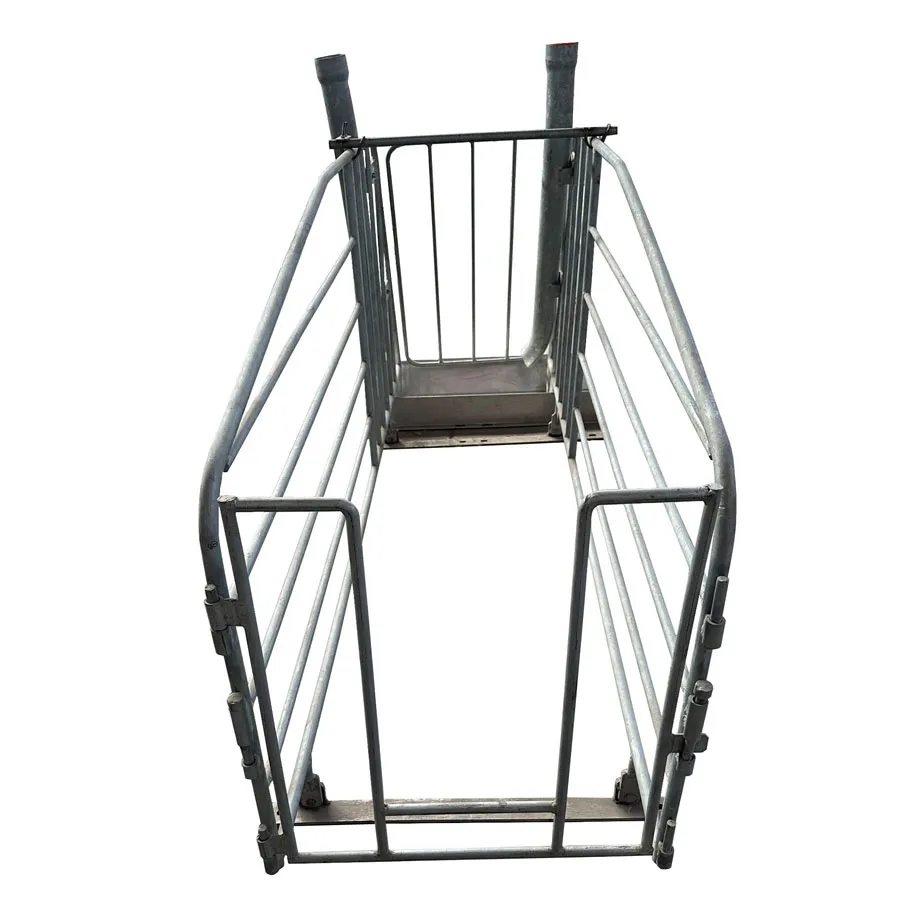
The robust manufacturing process contributes to significant advantages in typical application scenarios. For instance, the superior corrosion resistance of hot-dip galvanized steel directly translates to reduced maintenance costs and extended operational lifespans, offering substantial energy saving in terms of resources for replacement and repair. This meticulous engineering ensures that our gestation crates for pregnant sows deliver consistent performance and value.
Technical Specifications and Performance Parameters
Understanding the precise technical parameters of gestation housing is paramount for optimizing farm operations. Our "Gestation Crates With Steel Pipe Or Solid Bar Frame" are designed with specific dimensions and material properties to ensure optimal performance, durability, and animal welfare compliance.
Product Specification Table:
| Parameter | Specification | Notes |
|---|---|---|
| Product Model | CX-GC-SP/SB | Configurable based on farm layout |
| Frame Material | Q235 Hot-dip Galvanized Steel Pipe / Solid Steel Bar | Pipe: Ø32x2.5mm / Ø25x2.5mm; Bar: Ø12mm / Ø10mm |
| Standard Dimensions (L x W x H) | 2.2m x 0.6m x 1.0m (approx.) | Custom sizes available |
| Galvanization Thickness | ≥80µm (600-800 g/m²) | ISO 1461 compliant, superior corrosion resistance |
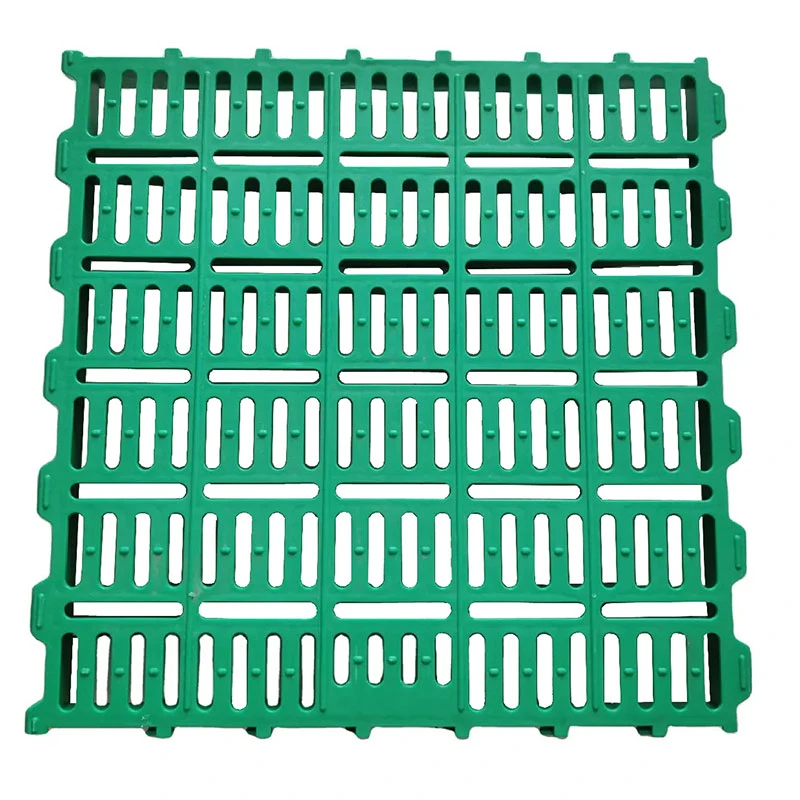
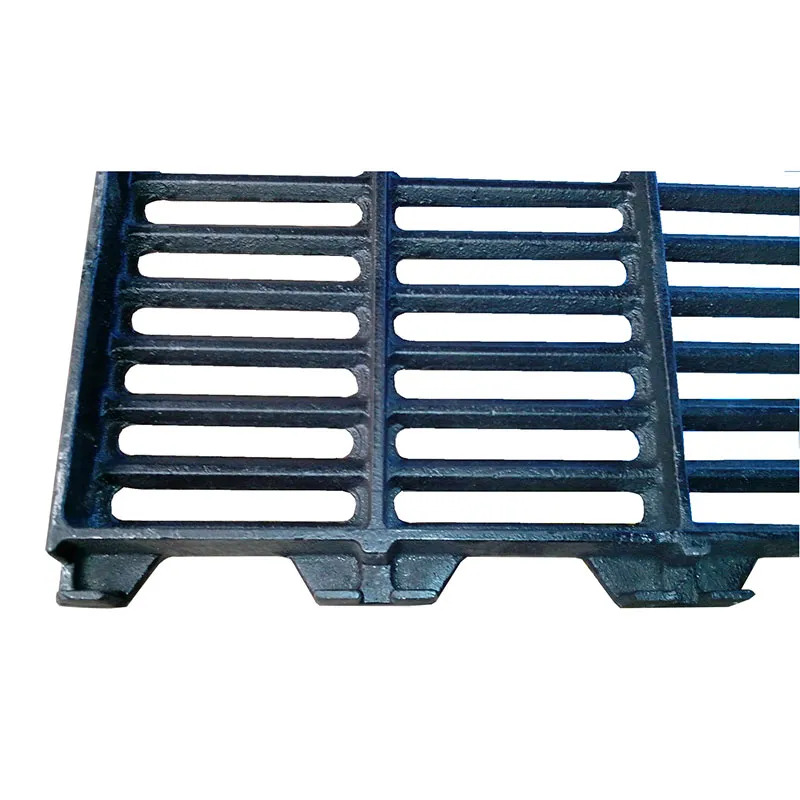
| Floor Type Compatibility | Cast iron, Plastic, or combination slatted floors | Floor sold separately or integrated with system |
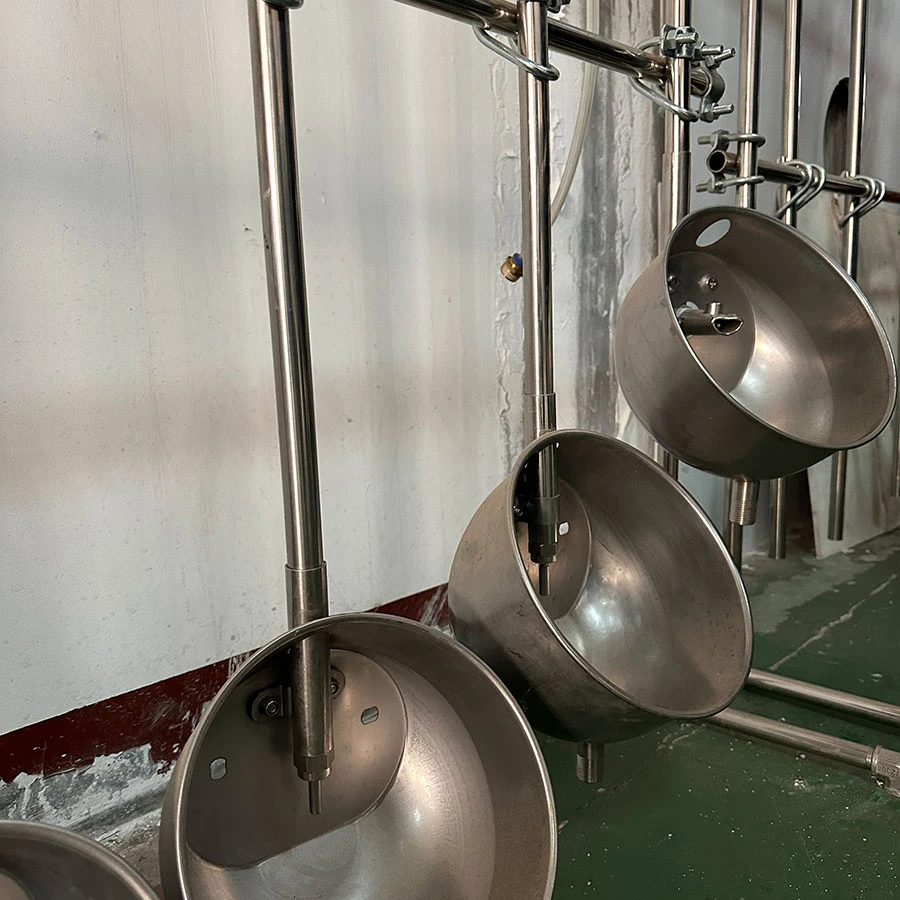
| Feed Trough Material | Stainless Steel / Cast Iron | Highly durable, easy to clean |
| Drinking System | Compatible with nipple drinkers | Ensures fresh water access |
| Service Life | 15 - 20 years (minimum) | Under proper maintenance |
| Installation | Modular, bolt-on connections | Easy assembly and expansion |
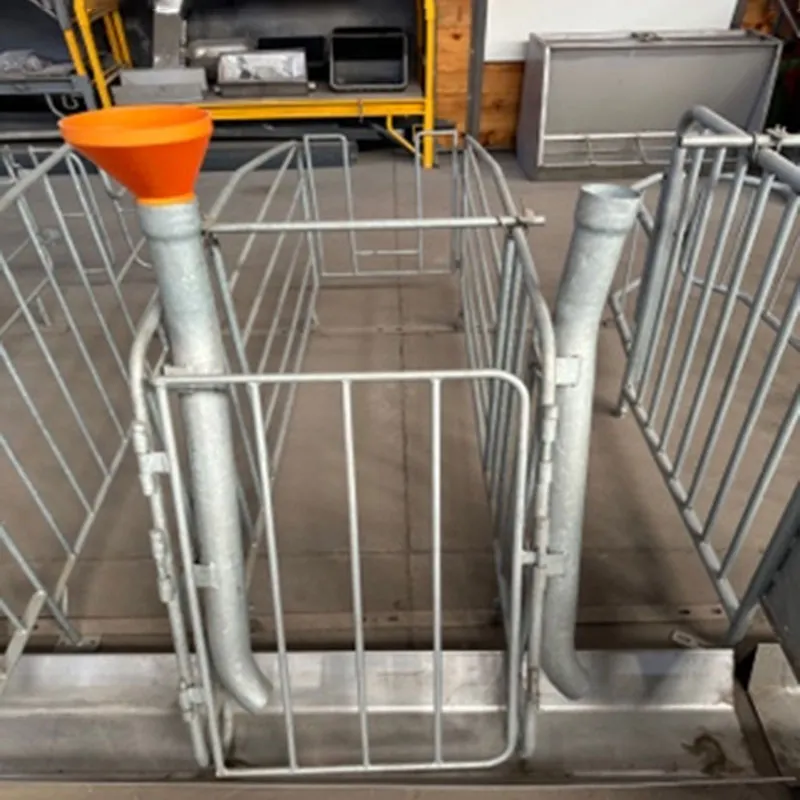
These specifications highlight the robust engineering behind our gestation crates for sows, ensuring they meet the stringent demands of intensive livestock production. The combination of high-strength steel and advanced galvanization provides unparalleled resistance to mechanical stress and environmental degradation, critical for long-term farm infrastructure investment.
Application Scenarios and Operational Benefits
The primary application of `Gestation Crates With Steel Pipe Or Solid Bar Frame` is within large-scale commercial swine breeding facilities. These systems are strategically deployed during the critical 114-day gestation period, immediately following breeding and prior to farrowing.
Key Application Scenarios:
- ✓ Individual Sow Management: Provides a dedicated space for each sow, preventing aggression and competition for feed common in group housing. This is crucial for managing individual sow body condition and ensuring consistent nutritional intake, directly impacting litter size and piglet vitality.
- ✓ Precise Nutritional Control: Enables targeted feeding based on the sow's parity, stage of gestation, and body condition score. This precision feeding minimizes feed waste and optimizes sow health, leading to better reproductive outcomes.
- ✓ Enhanced Health Monitoring: Facilitates easy observation of individual sows for signs of illness, injury, or estrus. Early detection allows for prompt veterinary intervention, reducing disease spread and improving overall herd health.
- ✓ Biosecurity & Hygiene: The robust, hot-dip galvanized steel design allows for thorough and efficient cleaning and disinfection between production cycles, significantly contributing to biosecurity protocols and reducing pathogen load within the facility.
- ✓ Space Efficiency: Allows for a high stocking density within the gestation barn, maximizing the utilization of farm infrastructure while still providing individual housing.
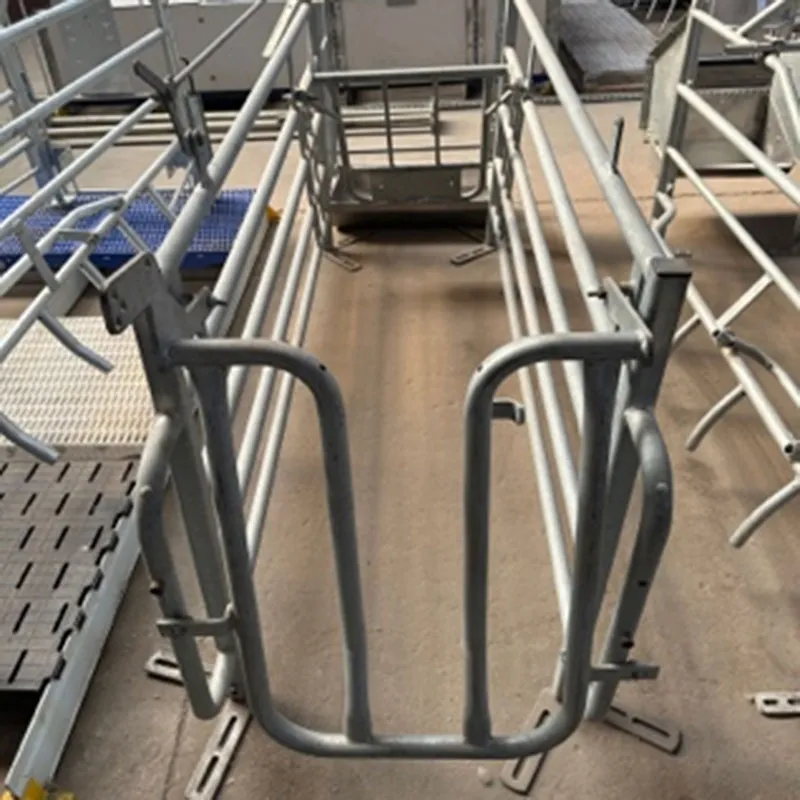
These specific applications underscore the practical advantages of using properly designed gestation crates for pregnant sows, translating directly into improved animal performance and economic returns for swine producers. Our experience in supporting numerous large-scale operations across various continents has demonstrated consistent success in these areas.
Technical Advantages and Competitive Edge
Our "Gestation Crates With Steel Pipe Or Solid Bar Frame" offer distinct technical advantages that set them apart in the market, providing superior value and long-term reliability for B2B clients.
- ➤ Unmatched Durability: Constructed from high-strength Q235 steel, our crates are hot-dip galvanized to an industry-leading thickness of 600-800 g/m². This protective layer ensures exceptional corrosion resistance, crucial in ammonia-rich farm environments. Our products often exceed the 15-year service life compared to standard galvanized steel, reducing capital expenditure over time.
- ➤ Superior Hygiene & Biosecurity: The smooth, non-porous surface of the galvanized steel, combined with open-bar design, prevents the accumulation of waste and pathogens. This facilitates rapid and effective cleaning and disinfection, crucial for maintaining optimal biosecurity and herd health.
- ➤ Sow Safety & Comfort (within design parameters): The rounded edges and optimal bar spacing minimize the risk of injury to sows. The robust construction ensures stability, while careful design allows sows to stand and lie down comfortably within the defined space, supporting their welfare during gestation.
- ➤ Modular & Adaptable Design: Our crates feature a modular construction with bolt-on connections, allowing for easy installation, expansion, or reconfiguration. This flexibility is vital for farms looking to scale or adapt their housing systems.
- ➤ Optimized Feed Management: Designed for seamless integration with automated feeding systems and robust feed troughs (stainless steel or cast iron), minimizing feed spillage and ensuring precise nutrient delivery to each sow.
Vendor Comparison: Why Choose Our Gestation Crates
When evaluating suppliers for gestation crates for pregnant sows, discerning B2B clients prioritize material quality, manufacturing precision, and long-term value. Below is a comparison demonstrating the superior attributes of our "Gestation Crates With Steel Pipe Or Solid Bar Frame" against typical industry offerings.
Gestation Crate Comparison Table:
| Feature | Our Product (CX Livestock) | Typical Competitor A (Standard) | Typical Competitor B (Budget) |
|---|---|---|---|
| Frame Material | Q235 Hot-dip Galvanized Steel (Pipe/Bar) | Q195 Electro-galvanized Steel Pipe | Q195 Painted Steel Pipe |
| Galvanization Thickness | ≥80µm (600-800 g/m²) | ~20µm (150-200 g/m²) | None (Paint only) |
| Corrosion Resistance | Excellent (15-20+ years) | Moderate (5-8 years) | Low (2-4 years) |
| Weld Quality | Robotic & Expert Manual (consistent, strong) | Standard Manual (variable strength) | Basic Manual (potential for weakness) |
| Installation Type | Modular, Bolt-on | Welded sections, Bolt-on | Primarily welded |
| Targeted Service Life | 15-20 years | 8-10 years | 5-7 years |
| Certifications | ISO 9001, Relevant ASABE/ANSI standards | Basic factory certification | None specified |
This comparison clearly illustrates our commitment to delivering superior quality and longevity, providing a tangible return on investment for our clients. The extended service life and reduced maintenance requirements associated with our products translate to lower total cost of ownership over the operational lifespan of the farm.
Customized Solutions and Project Integration
Recognizing that every swine operation has unique requirements, we offer extensive customization options for our gestation crates for pregnant sows. Our engineering team collaborates closely with clients to develop tailored solutions that perfectly integrate with existing infrastructure and meet specific operational goals.
- ● Dimensions: Custom lengths, widths, and heights to accommodate different sow breeds, farm layouts, or regional specifications.
- ● Material Gauge: Options for varying steel pipe or solid bar thicknesses to meet specific durability or budget requirements.
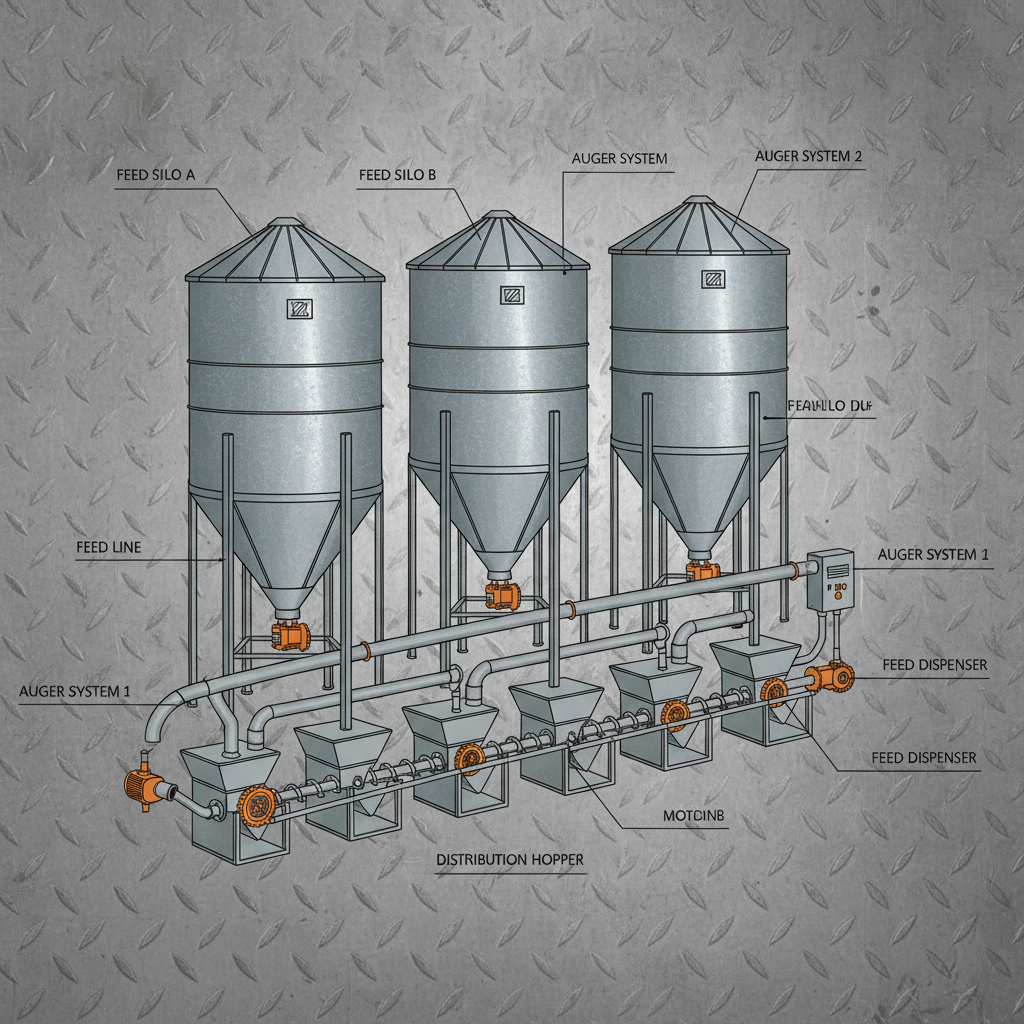
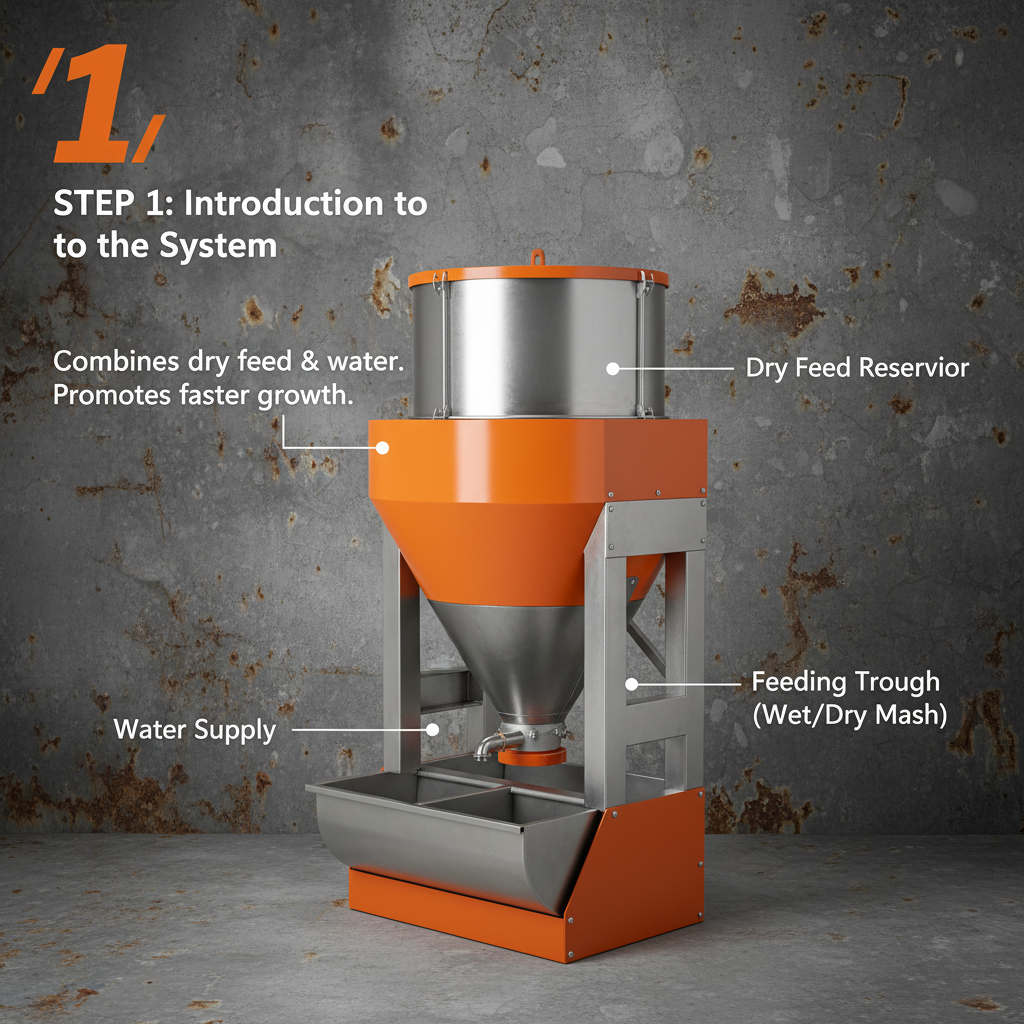
- ● Feeding System Integration: Designed to seamlessly integrate with a variety of automated and manual feeding systems, including drop feeders, volumetric dispensers, and wet/dry feeding options.
- ● Water Supply: Pre-drilled connections and brackets for various nipple drinker configurations, ensuring constant access to fresh water.
- ● Access Gates & Latching Mechanisms: Choice of robust and animal-safe latching systems, including self-locking options for enhanced operational security and ease of use.
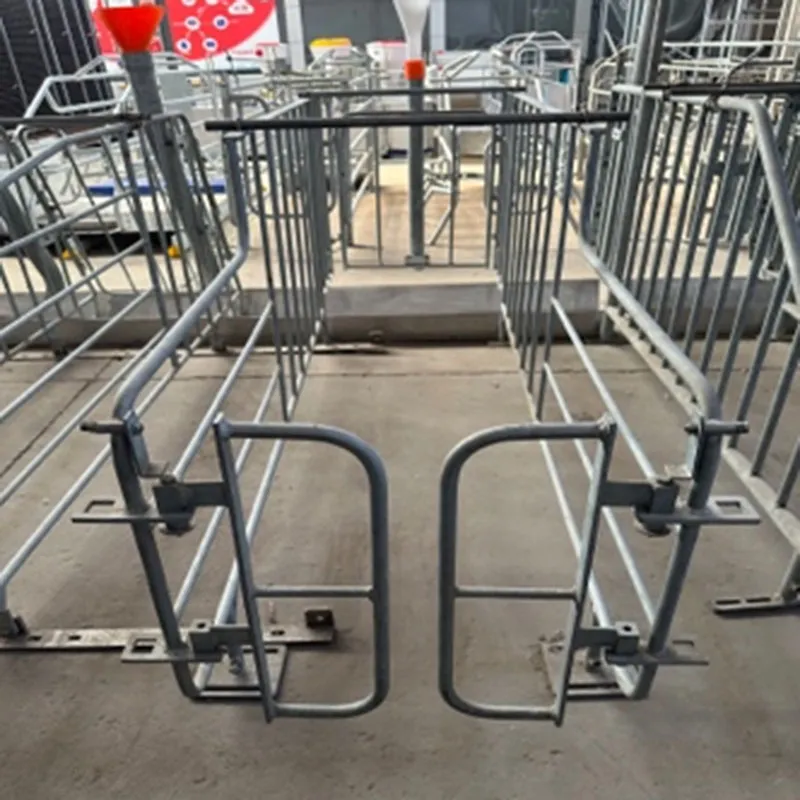
Our team provides comprehensive technical support from initial design consultation through installation, ensuring that each customized solution is optimized for performance and longevity.
Application Case Study: Maximizing Efficiency in a Large-Scale Swine Farm
A leading agricultural enterprise in Southeast Asia, operating a farrow-to-finish swine complex with over 5,000 breeding sows, sought to upgrade its gestation housing to improve individual sow management and overall herd health. Their existing facilities suffered from aging equipment, leading to increased maintenance costs and inconsistent feed intake among sows.
Project Details:
- ▸ Client: Major Asian Swine Producer (confidential)
- ▸ Scope: Installation of 2,500 units of "Gestation Crates With Steel Pipe Or Solid Bar Frame"
- ▸ Customization: Crates were customized for specific sow dimensions, integrated with existing automated feeding lines, and fitted with robust cast-iron troughs.
Results Achieved (12 months post-installation):
- ★ Increased Live Born Piglets: Average 0.8 more live born piglets per litter, attributable to improved sow body condition and reduced stress during gestation.
- ★ Reduced Mortality Rates: A 1.5% decrease in sow mortality during gestation due to better individual monitoring and reduced aggression.
- ★ Lower Feed Waste: A 7% reduction in feed wastage due to precisely designed feed troughs and individual feeding.
- ★ Operational Savings: Estimated savings of over $150,000 annually through reduced labor for sow observation, lower veterinary costs, and feed efficiency.
This case study exemplifies how a strategic investment in high-quality gestation crates for sows can translate into significant operational and economic benefits for large-scale producers.
Trust and Support: FAQs, Warranty, and Lead Times
Frequently Asked Questions (FAQ):
Q: What is the expected service life of your gestation crates?
A: Our hot-dip galvanized gestation crates are designed for a minimum service life of 15 to 20 years, significantly longer than electro-galvanized or painted alternatives, due to the robust zinc coating (600-800 g/m²).
Q: Can these crates be adapted for different sow sizes or breeds?
A: Yes, we offer customized solutions for dimensions (length, width, height) to accommodate a variety of sow breeds and sizes, ensuring optimal comfort and adherence to local regulations.
Q: What are the primary advantages of individual gestation housing?
A: Individual housing allows for precise feed management, reduced aggression, easier health monitoring, and improved hygiene, all contributing to better reproductive performance and overall sow health.
Q: How do your crates contribute to biosecurity?
A: The smooth, hot-dip galvanized surfaces and open bar design facilitate thorough cleaning and disinfection, minimizing pathogen accumulation and supporting stringent biosecurity protocols.
Lead Time and Fulfillment:
Our streamlined manufacturing processes and robust supply chain enable efficient order fulfillment. Standard orders for quantities up to 500 units typically have a lead time of 30-45 days from order confirmation. Larger or highly customized projects will have lead times determined on a case-by-case basis, with detailed timelines provided during the quotation phase. We maintain significant production capacity to meet the demands of large-scale agricultural projects globally.
Warranty Commitments:
We stand behind the quality of our "Gestation Crates With Steel Pipe Or Solid Bar Frame" with a comprehensive 10-year warranty against manufacturing defects and significant corrosion under normal operating conditions. This warranty reflects our confidence in the materials and craftsmanship of our products, offering peace of mind to our clients.
Customer Support:
Our dedicated technical support team is available to assist clients from initial inquiry through installation and post-sales support. We provide detailed installation guides, technical drawings, and can arrange for on-site supervision or training for large projects. For any inquiries or support needs, please contact our sales or technical departments via the contact information provided on our official website.
References
- ISO 1461:2022. Hot-dip galvanized coatings on fabricated iron and steel articles — Specifications and test methods. International Organization for Standardization.
- ASABE S403.3 DEC2010 (R2020). Design of Ventilation Systems for Swine and Poultry Shelters. American Society of Agricultural and Biological Engineers.
- Patience, J. F. (2012). Nutritional management of the gestating sow: The implications of housing system. Journal of Animal Science, 90(4), 1625-1634.
- Gonyou, H. W., & Hemsworth, P. H. (2009). The practical application of animal welfare research to the housing of pigs. Applied Animal Behaviour Science, 117(1-2), 1-10.
- United States Department of Agriculture (USDA) - Agricultural Research Service. Swine Production and Management.
Post time: Sep . 15, 2025