Understanding Gestation Crates for Pigs: Why Should We Care?
When it comes to modern pig farming, gestation crates for pigs pros and cons is a debate that echoes in agricultural circles worldwide. These crates, designed primarily as individual enclosures for pregnant sows, are more than just metal bars and concrete floors. They represent a confluence of animal welfare, farm efficiency, economics, and ethical responsibility all rolled into one tightly controlled environment. Globally, pig farming is a major food source—according to the FAO, pork accounts for over 36% of global meat consumption. Understanding the benefits and downsides of gestation crates affects not only producers but consumers, activists, and regulators. It's a story about striking balances—between production and protection, cost and care.
Mini takeaway: Grasping the nuances of gestation crates helps stakeholders make informed choices that resonate globally, from farm gates to dinner plates.
The Global Context: Why Gestation Crates Spark Worldwide Debate
Globally, pig farming is both a livelihood and a challenge—especially when it comes to gestation housing. Nations like China, the European Union, and the US lead production, but they each wrestle differently with the ethical and economic issues raised by these crates. For instance, the EU banned the use of gestation crates after the first four weeks of pregnancy, reflecting how animal welfare legislation varies. Meanwhile, in the US, regulations fluctuate state-by-state. The World Bank notes that as demand for pork rises with population growth, intensive farming techniques including gestation crates become more common, but so does scrutiny.
Critics argue that crates restrict natural movement, harming sow wellbeing. Supporters claim they improve reproductive efficiency and protect the animals from injury or fighting. What makes this discussion intriguing — or frankly complex — is weighing real-world farming needs against evolving societal values globally.
Mini takeaway: Gestation crates matter globally because they illuminate tensions between economic growth and welfare concerns in food production.
What Are Gestation Crates for Pigs? A Simple Definition
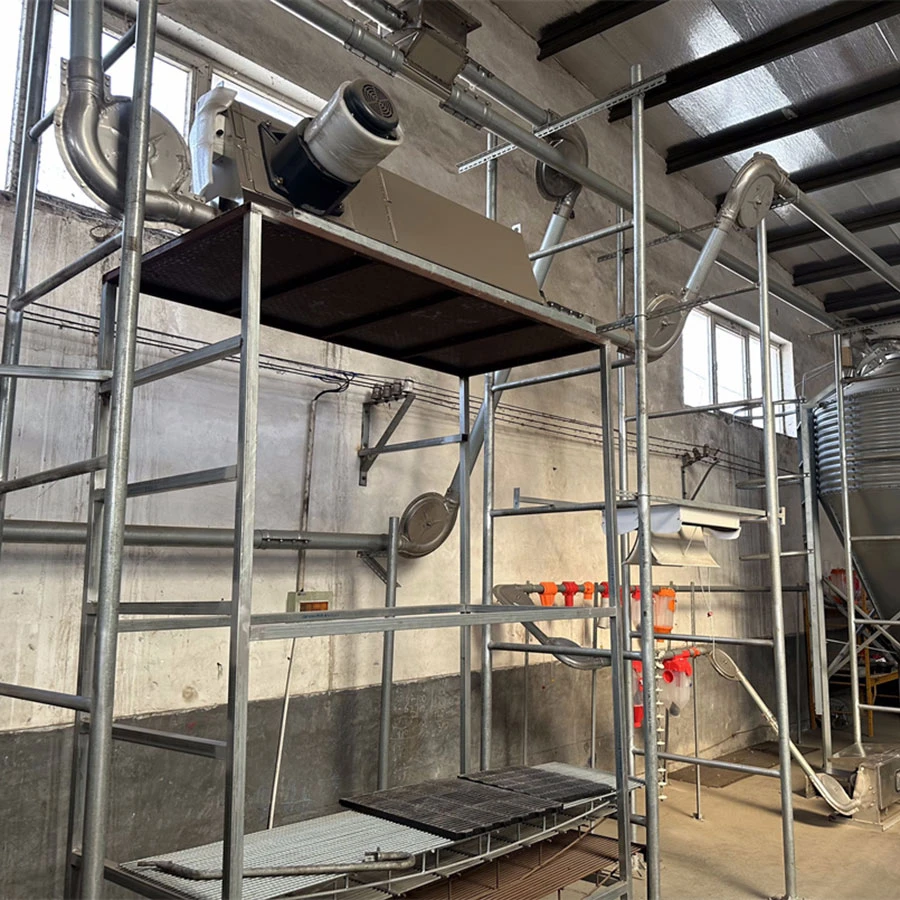
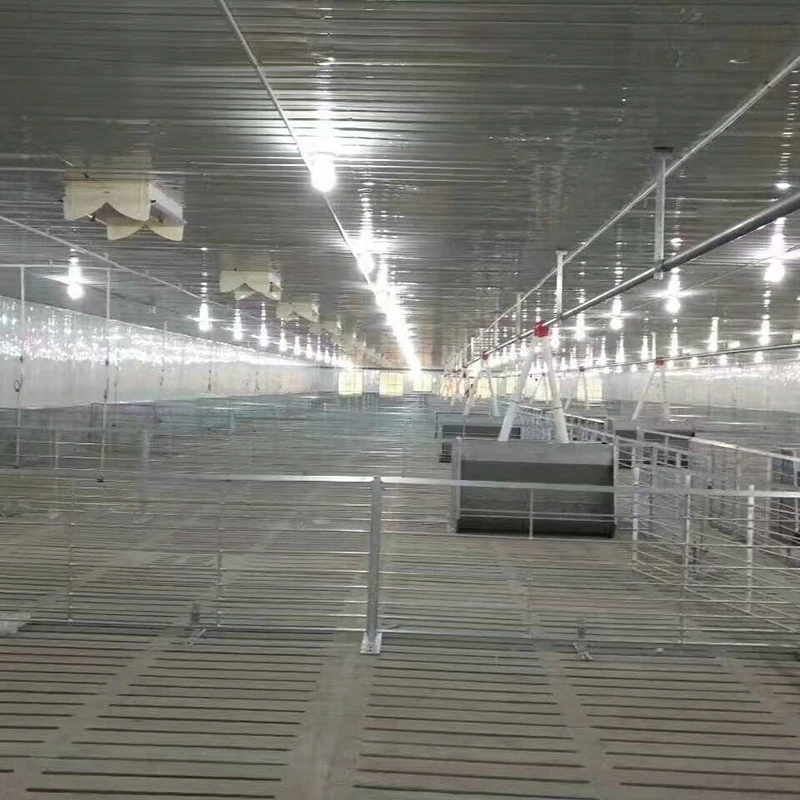
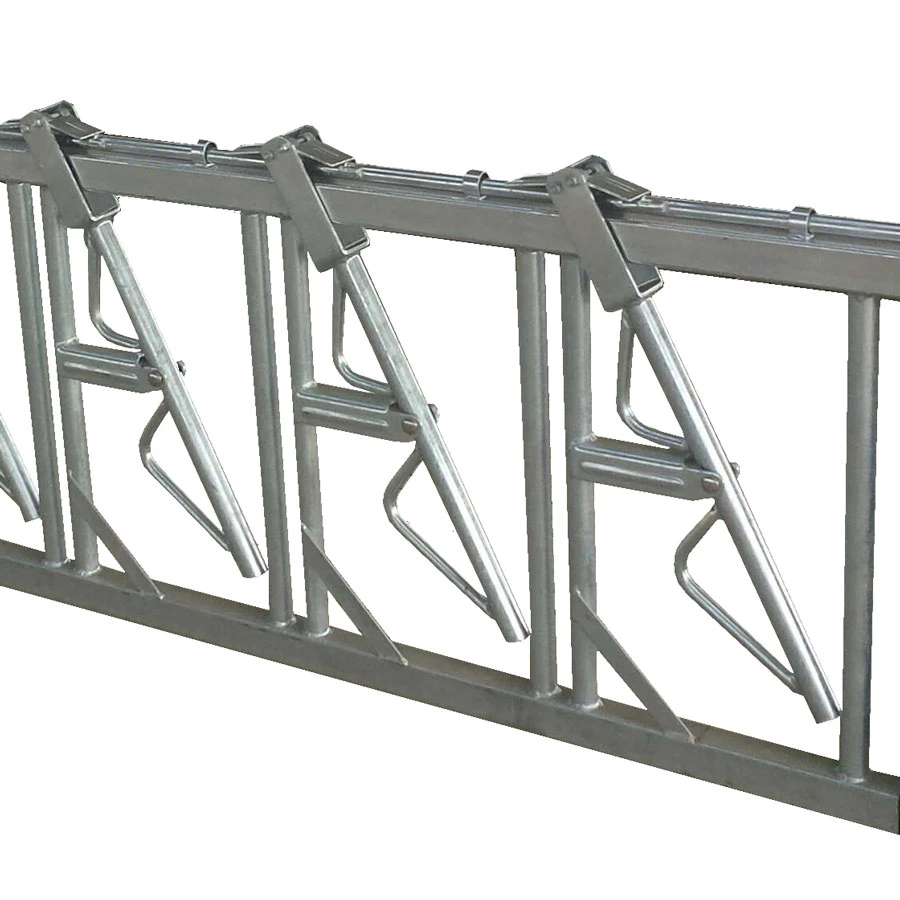
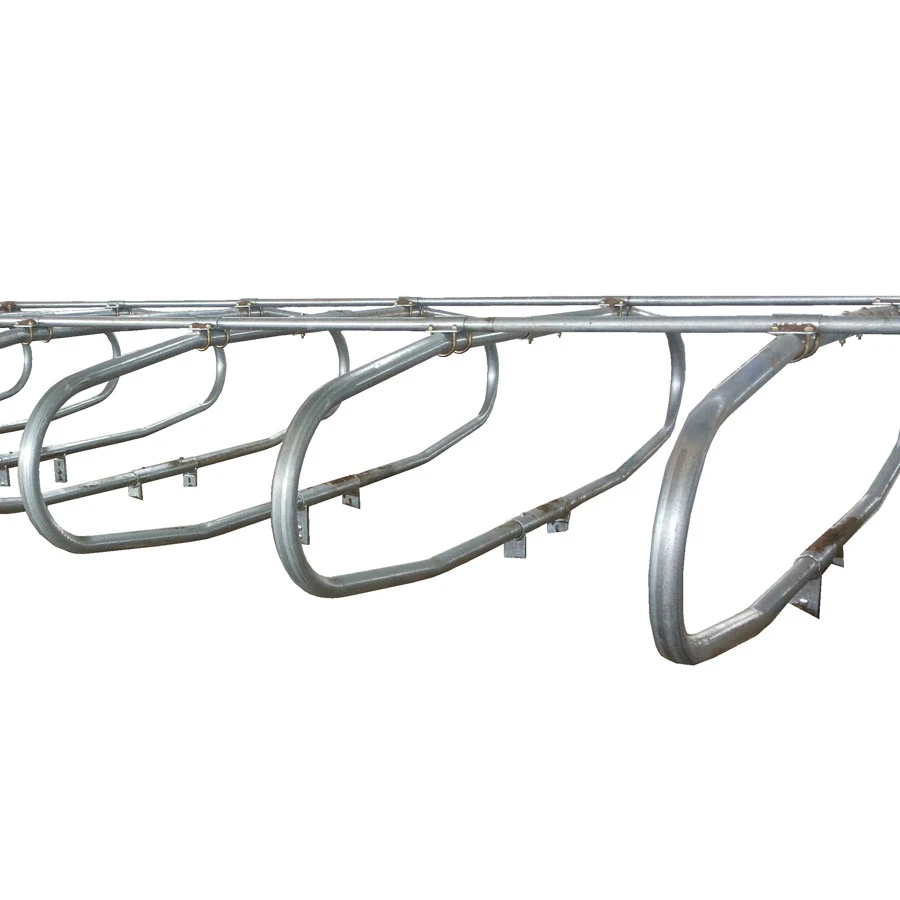
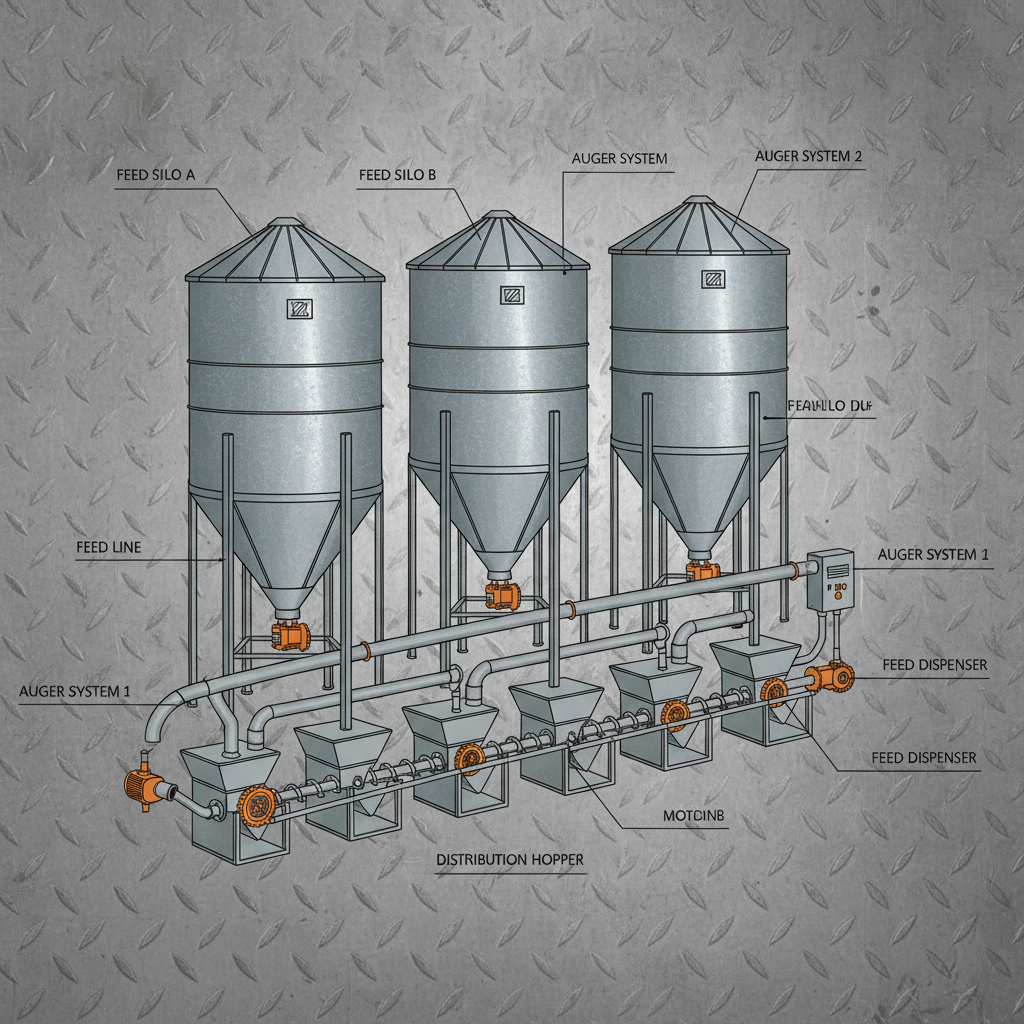
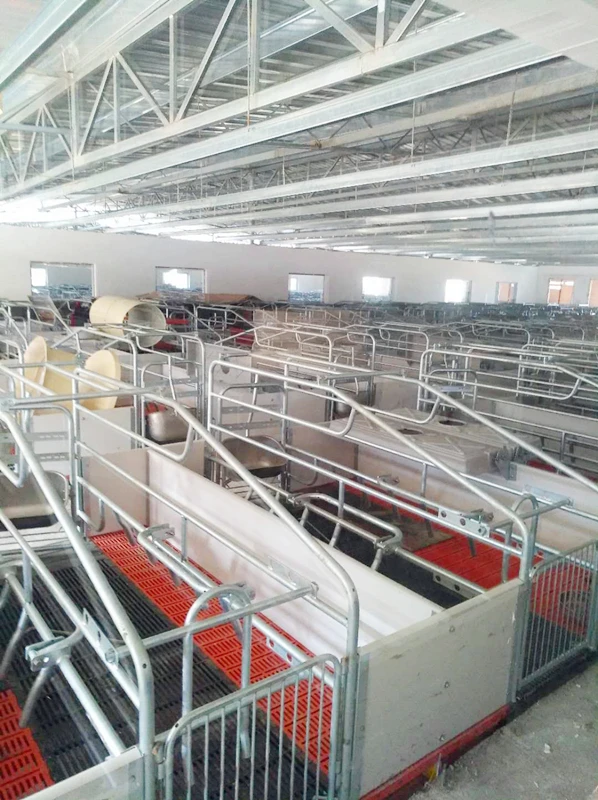
At their core, gestation crates (sometimes called sow stalls) are metal enclosures typically measuring about 2 meters by 60 centimeters. They’re designed to house a single pregnant sow during her 3–4 months of gestation, restricting her movement to prevent aggression or injury among sows. The crates connect to feeding systems and flooring optimized for waste management. Put simply, they are a tool for controlling environment, boosting productivity, and minimizing losses in commercial pig farming.
Their use links directly to modern industrial agriculture’s push for efficiency but collides with growing humanitarian and animal welfare movements pushing for more freedom and humane conditions.
Key Factors in Assessing Gestation Crates for Pigs Pros and Cons
1. Animal Welfare: Movement and Behavior
The biggest criticism centers on restricted movement, which can cause stress and physical ailments. Sows can't turn around, and this can affect muscle tone and mental health. However, proponents point out smaller groups housed in pens risk fighting injuries.
2. Farm Efficiency and Productivity
Crates reduce aggression and injury, which means fewer veterinary bills and better reproductive success rates. A healthy sow with minimal stress often produces larger, healthier litters.
3. Cost Implications
Installation and maintenance costs are significant but manageable. The crates’ steel frames and concrete foundations require upfront capital but can last years with proper upkeep.
4. Sustainability and Environmental Impact
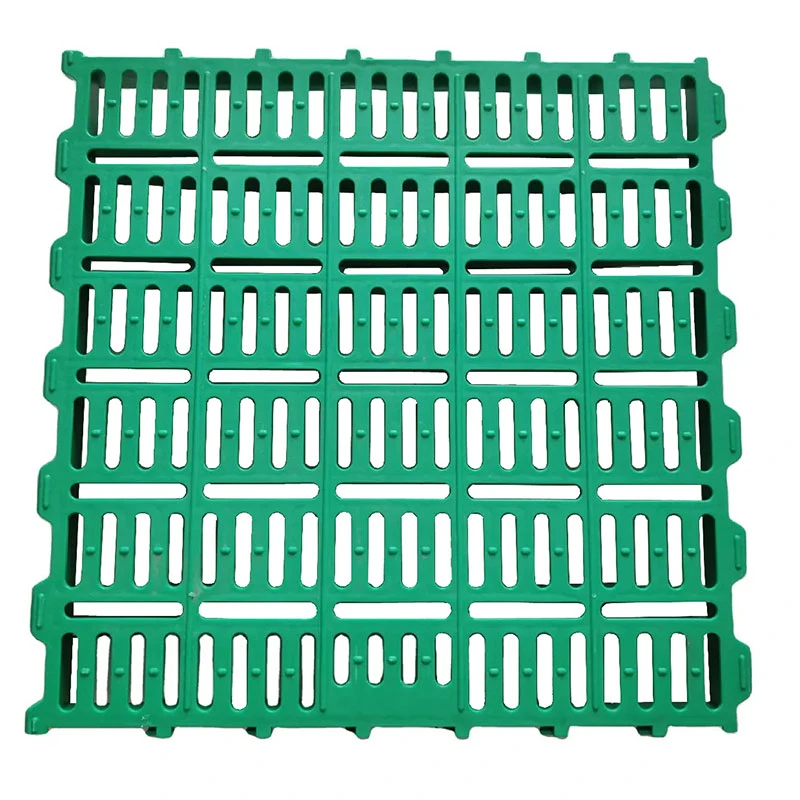
Because crates centralize waste under slatted floors, it’s easier to manage manure and reduce environmental contamination compared to free-range systems. That said, this intensification may come with trade-offs in emissions.
5. Regulatory Compliance
Farms must navigate varying regulations—from outright bans to guidelines on crate size—depending on the country or region, complicating long-term planning.
Mini takeaway: The choice of gestation crates involves juggling welfare, cost, compliance, and farm outcomes—a real balancing act.
How Are Gestation Crates Used Around the World?
In North America, many large-scale farms still use gestation crates extensively due to their proven efficiency, though consumer pressure drives some shifts toward group housing. Europe’s robust animal welfare policies encourage group pens post-implantation to reduce confinement time. In nations like Brazil and China, rapid industrial growth means expansive use of crates but growing voices seek reform.
Interestingly, some NGOs promoting sustainable agriculture emphasize transitioning away from crates altogether, fostering free-movement systems to boost both welfare and meat quality. Others suggest that in certain contexts—especially where disease control is crucial—gestation crates remain a practical solution.
Product Specification Table: Typical Gestation Crate Features
| Feature | Typical Range/Value | Comments |
|---|---|---|
| Dimensions (L x W) | 2.0 m x 0.6 m | Standard to allow sow to stand but not turn |
| Material | Galvanized steel framework | Corrosion-resistant for durability |
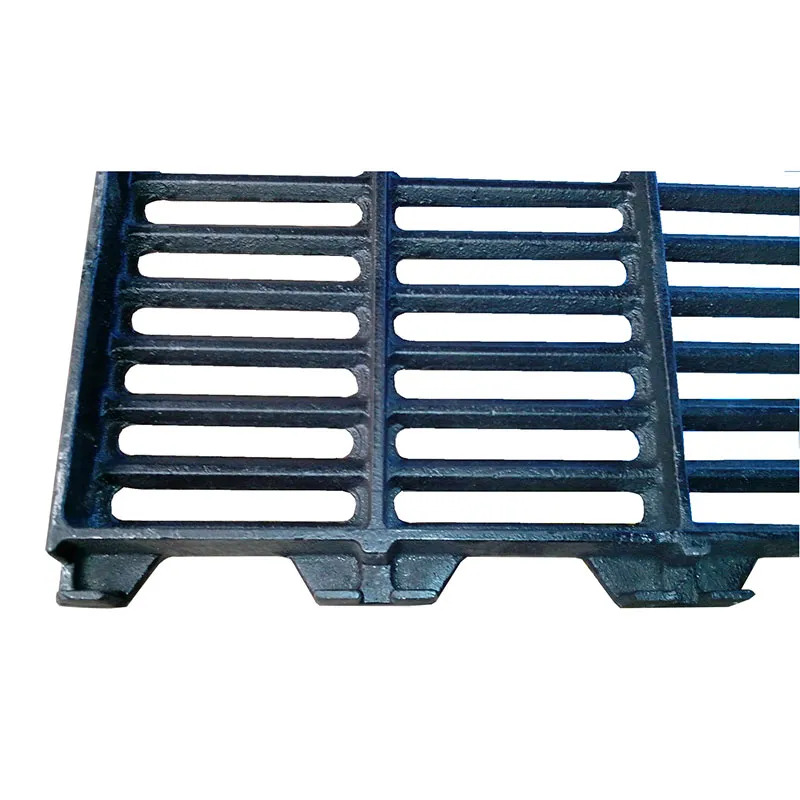
| Flooring | Slatted concrete or plastic | For manure drainage and cleaning |
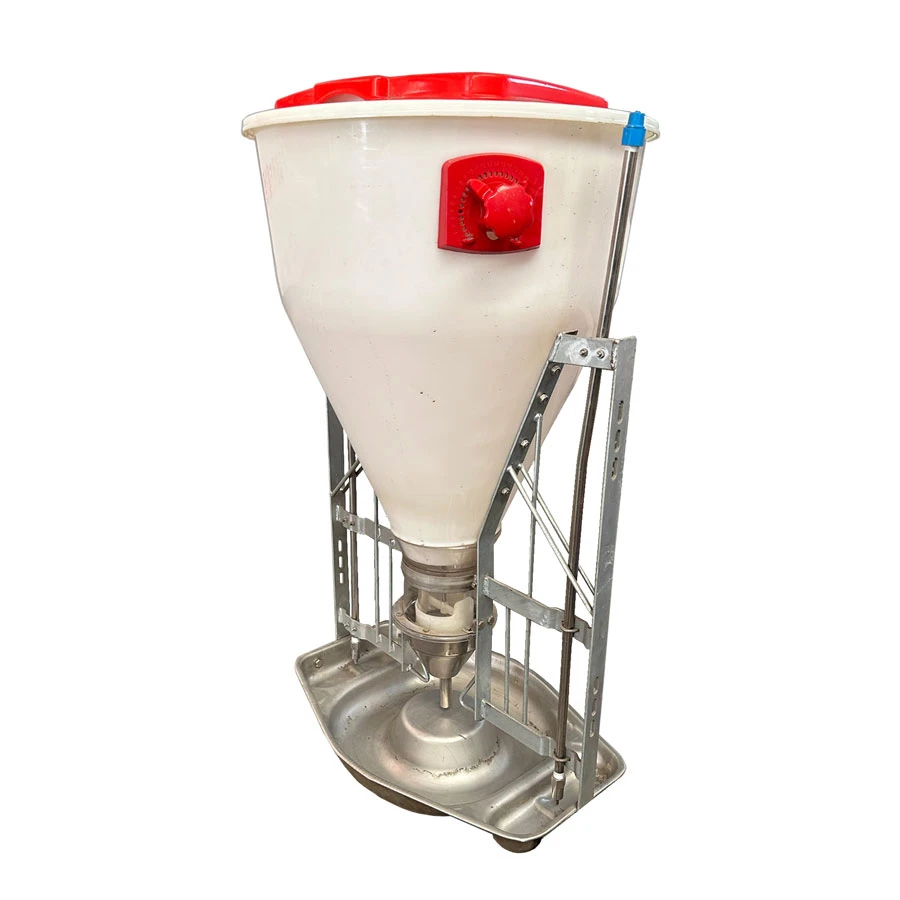
| Feeding System | Automated feeder or manual trough | Supports precise feed delivery |
| Lifespan | 10–15 years | Depends on maintenance and environment |
Vendor Comparison: Leading Gestation Crate Suppliers
| Vendor | Product Range | Customization Options | Warranty | Price Level |
|---|---|---|---|---|
| AgriCrate Systems | Standard & Large Crates | Adjustable dimensions, feeder styles | 5 years | Mid-range |
| SowSecure Co. | Eco-friendly Crates | Recycled materials, modular designs | 3 years | Premium |
| FarmPro Equip | Basic and Custom Units | Custom lengths and feeder automation | 4 years | Economy |
What Benefits Do Gestation Crates Offer? A Balanced View
Many farmers praise the crates’ ability to reduce sow injuries and improve reproductive outcomes. From a cost perspective, fewer veterinary interventions and piglet losses translate into real savings. Emotionally, it feels reassuring to some that animals are protected from fighting and stress triggers. Plus, modern crates with better flooring and feeders integrate well with automated farm tech. However, the emotional cost of confinement cannot be understated, with many experts and consumers pushing for more humane alternatives. It’s a classic tension — where efficiency meets empathy.
The Future of Gestation Crates: Trends and Innovations
Looking ahead, trends lean toward improving sow comfort without sacrificing productivity. Innovations include wider crates, dynamic group housing systems, and sensor-driven monitoring to detect stress. Sustainability is another frontier: using recycled steel, greener anti-corrosion coatings, and waste-to-energy manure systems. Digitization helps farmers fine-tune animal care, tracking sow health remotely. Policies, too, are trending toward phased bans or stricter welfare standards, nudging manufacturers and farmers toward more flexible, “semi-free” systems.
Challenges in Widespread Adoption & How to Overcome Them
It’s not all smooth sailing. The initial investment for better systems can be high, and retraining staff for new housing concepts takes time. Farmers may resist change fearing productivity drops. Even welfare-focused innovations sometimes fall short under real farm pressure. Experts suggest integrating gradual transition plans, knowledge sharing, and government support to bridge these gaps. Evidence-based welfare standards backed by science and transparent communication go a long way — because trust is earned, not given.
FAQs About Gestation Crates for Pigs Pros and Cons
- Q: Are gestation crates really necessary for pig farming?
- A: While not always strictly necessary, gestation crates do help in controlling aggression and protecting sows during pregnancy, especially in large-scale operations. Alternatives exist but often require more space and monitoring.
- Q: What are the main animal welfare concerns with gestation crates?
- A: The primary concerns involve restricted movement leading to stress, musculoskeletal issues, and inability to express natural behaviors like turning or nesting.
- Q: Can gestation crates be eco-friendly?
- A: Yes, through the use of sustainable materials, improved manure management, and designs that reduce energy use in cleaning and feeding systems, crates can support eco-friendly farming.
- Q: How do regulations around gestation crates differ globally?
- A: Europe enforces time limits on crate use, some US states ban or restrict crates, and many developing countries have minimal regulations, reflecting local economic and cultural factors.
- Q: Is switching from crates to group pens feasible for most farms?
- A: Transitioning is feasible but requires investment in infrastructure, training, and management to address increased aggression risks and ensure welfare.
Conclusion: Making Sense of the Pros and Cons in the Long Run
In the end, gestation crates for pigs remain a complex but pragmatic compromise within the global pig farming ecosystem. They deliver undeniable benefits in safety, productivity, and cost, but bring ethical dilemmas that society and the industry continue to grapple with. The future likely lies in innovation—balancing sow dignity with economic realities. If you want to explore this topic deeply or evaluate purchasing options, I suggest visiting our comprehensive resource at https://www.cxlivestock.com — where pros and cons meet practical solutions.
Mini takeaway: The story of gestation crates highlights the ever-present challenge of evolving farming practices responsibly, thoughtfully, and sustainably for generations to come.
References:
1. Wikipedia - Gestation crate
2. FAO Meat Consumption Statistics
3. European Commission - Animal Welfare
Post time: Dec . 02, 2025