What Is Gestating Pen Dimension and Why Should We Care?
At first glance, gestating pen dimension sounds like something only deep inside the livestock industry matters about. But in reality, it’s a surprisingly pivotal topic that affects global animal welfare, farm productivity, and even food security. Simply put, these dimensions dictate the size and space requirements for pens that house pregnant sows—space that’s more than just a number on paper but a measure of comfort, health, and safety for both animals and farmers worldwide.
Understanding proper gestating pen dimensions isn’t just about meeting legal standards or farming efficiency; it taps into broader sustainability goals and humane treatment initiatives that are growing louder on every continent. With the global pork market expected to near $400 billion by 2025 according to industry forecasts, optimizing these pen sizes isn’t a trivial matter. It affects everything from animal stress levels to disease control and ultimately the quality of meat on your dinner plate.
Mini takeaway: The measurement of gestating pens is a small but mighty factor in global farming — impacting animal welfare, sustainability, and food production security.
The Global Context: Why Gestating Pen Dimensions Matter Across Borders
If you’ve ever wondered how countries with wildly different cultures and farming methods agree on something as niche as pen size, the answer lies in global standards and the push for harmonized animal welfare. The Food and Agriculture Organization of the United Nations (FAO) along with the World Organisation for Animal Health (WOAH) have been nudging producers worldwide to rethink “standard practices” for livestock confinement — and gestating pen dimensions play a crucial role in this.
For example, China, the largest pork producer worldwide, has seen calls for more space-efficient but humane pen layouts. Meanwhile, Europe’s progressive animal welfare laws have set fairly high minimum space requirements. According to the ISO 23662, sow pens must provide adequate freedom of movement, roughly translating to about 2 to 3 square meters per sow depending on size and configuration.
The challenge? Many developing nations face infrastructure limits and cost pressures that make upgrading pens difficult despite wanting to meet these newer welfare standards. There's an ongoing tension between efficiency (which often means smaller pens) and welfare (which demands more space).
Mini takeaway: Although the exact dimensions vary, the worldwide push for humane and productive gestating pens is part of a bigger story — global efforts to raise farm animal welfare and farm economics hand in hand.
Understanding Gestating Pen Dimension: What Does It Really Mean?
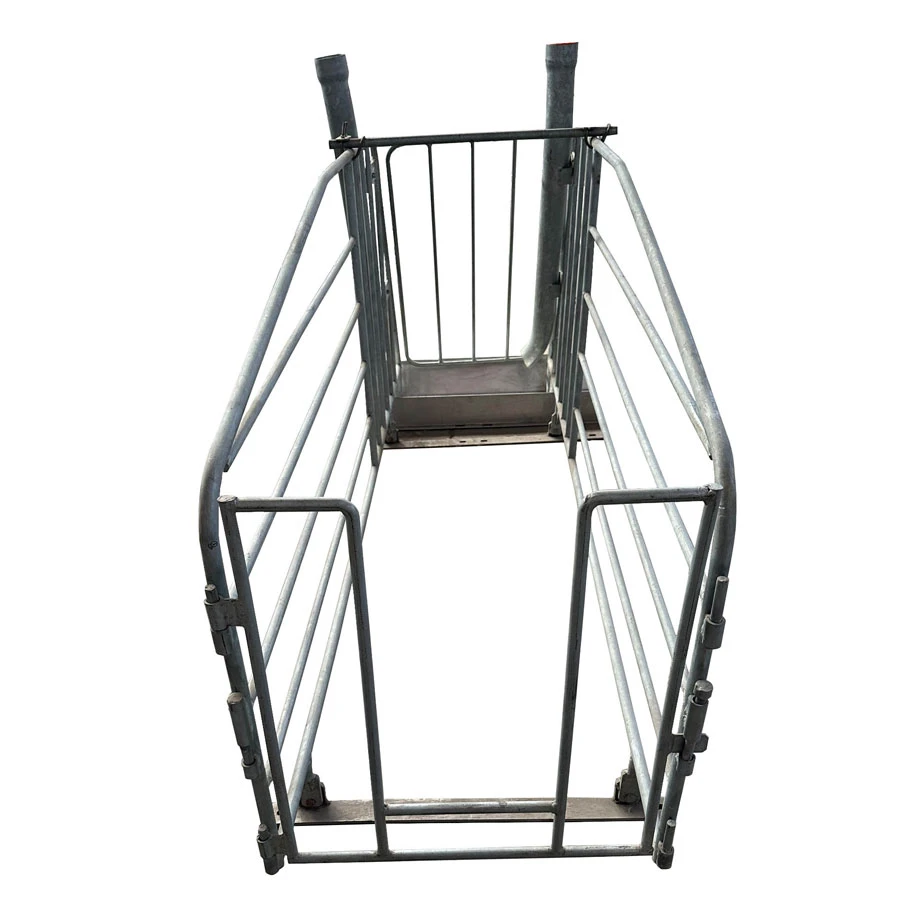
So what exactly does gestating pen dimension mean in plain terms? Basically, it’s the measurement—length, width, and often height—of the confined area where a pregnant sow stays during her gestation period, usually about 114 days.
The dimension isn’t arbitrary; it’s set to accommodate the sow’s physical needs (movement, resting, eating), social behaviors (interactions or separation from other animals), and health management (ease of cleaning, disease prevention). You’ll hear it called "space allowance" or "pen size" but it boils down to creating an environment that’s safe, efficient, and aligned with animal needs.
In modern farming, the gestating pen dimension illustrates how technology and tradition collide: from simple outdoor pens to highly engineered modular systems with adjustable dividers and climate control.
Core Elements That Define Ideal Pen Dimensions
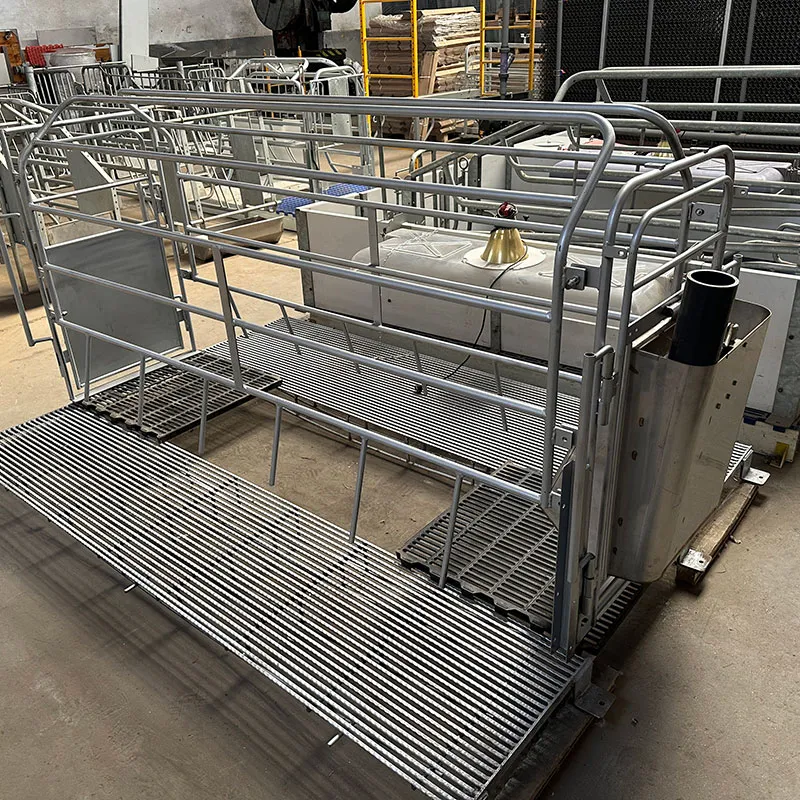
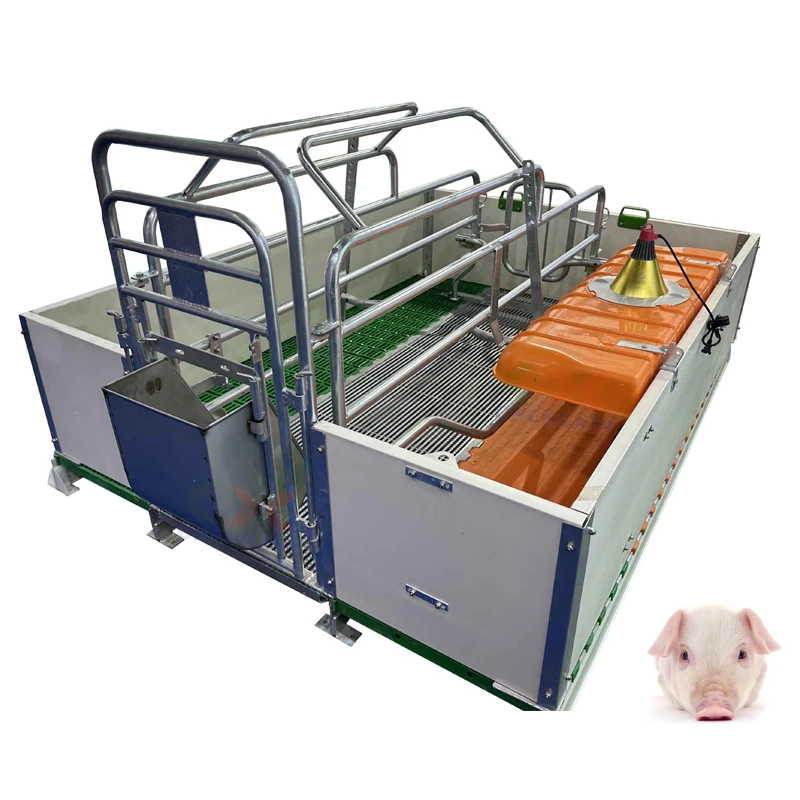
- Space per Sow: Ideally, 2.2 to 3.0 m² per gestating sow in group pens; stalls may differ.
- Pen Shape: Rectangle or square layouts are common, designed to optimize feeding and resting spaces.
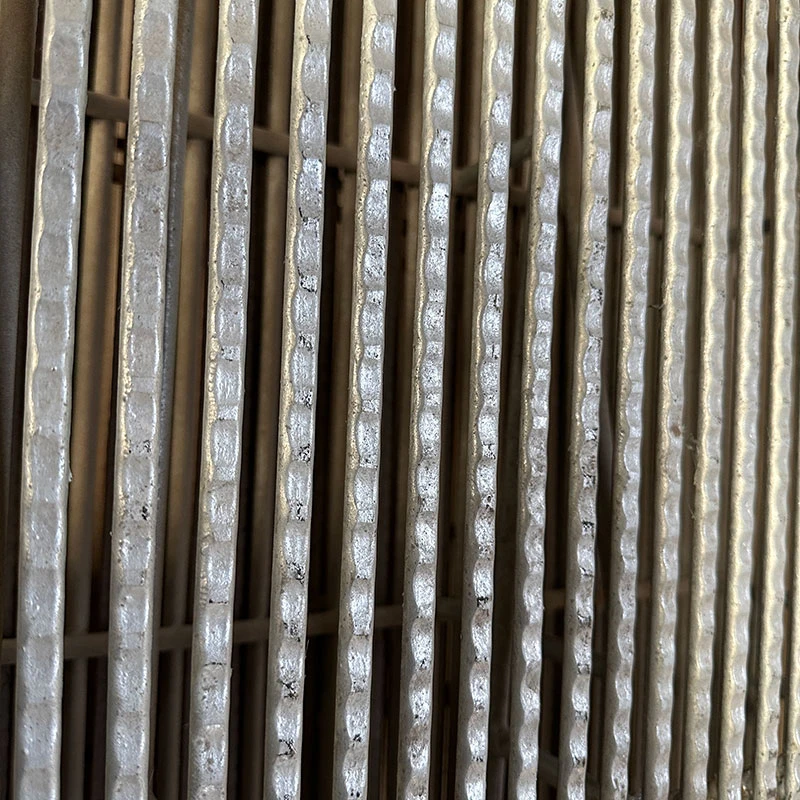
- Flooring: Non-slip, easy to clean, sometimes slatted for waste management.
- Pen Height: Should allow easy ventilation but keep drafts away—between 1.5 to 2 meters is typical.
- Access Points: Ease of access for sows and workers to maintain safety and hygiene.
Mini takeaway: The dimension is more than size; it’s the careful balance of comfort, usability, and welfare—a bit like designing a human office where you’d both work effectively and enjoy your time.
Global Uses and Impact of Gestating Pen Dimensions
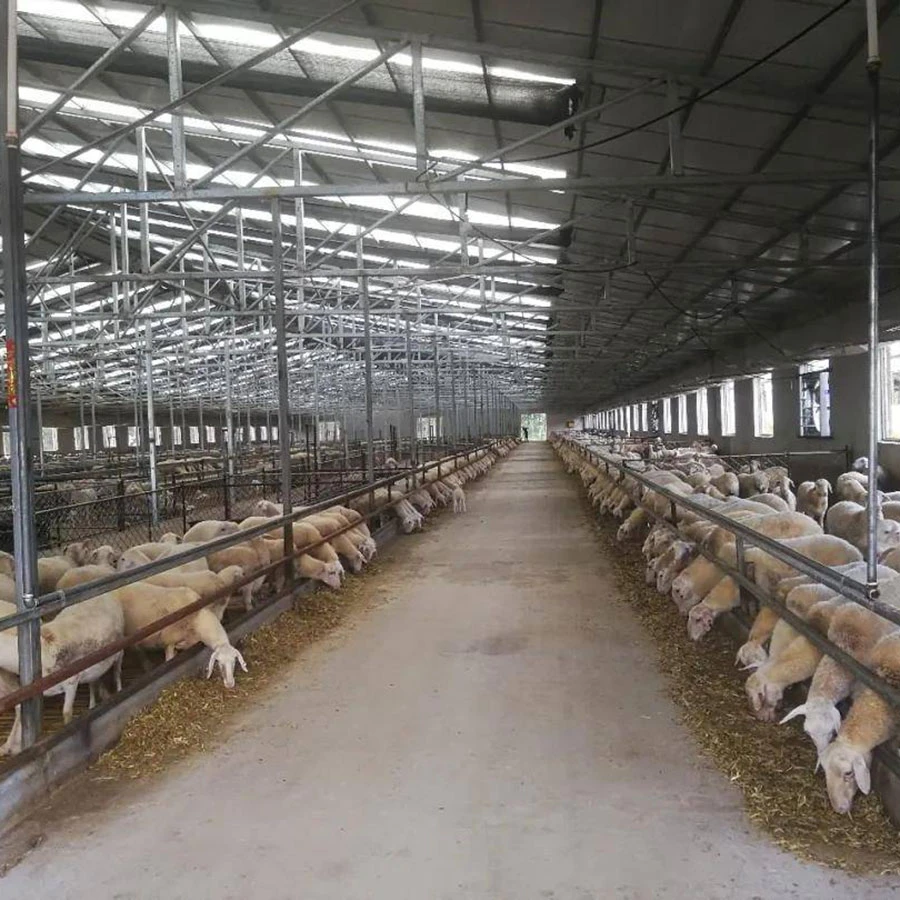
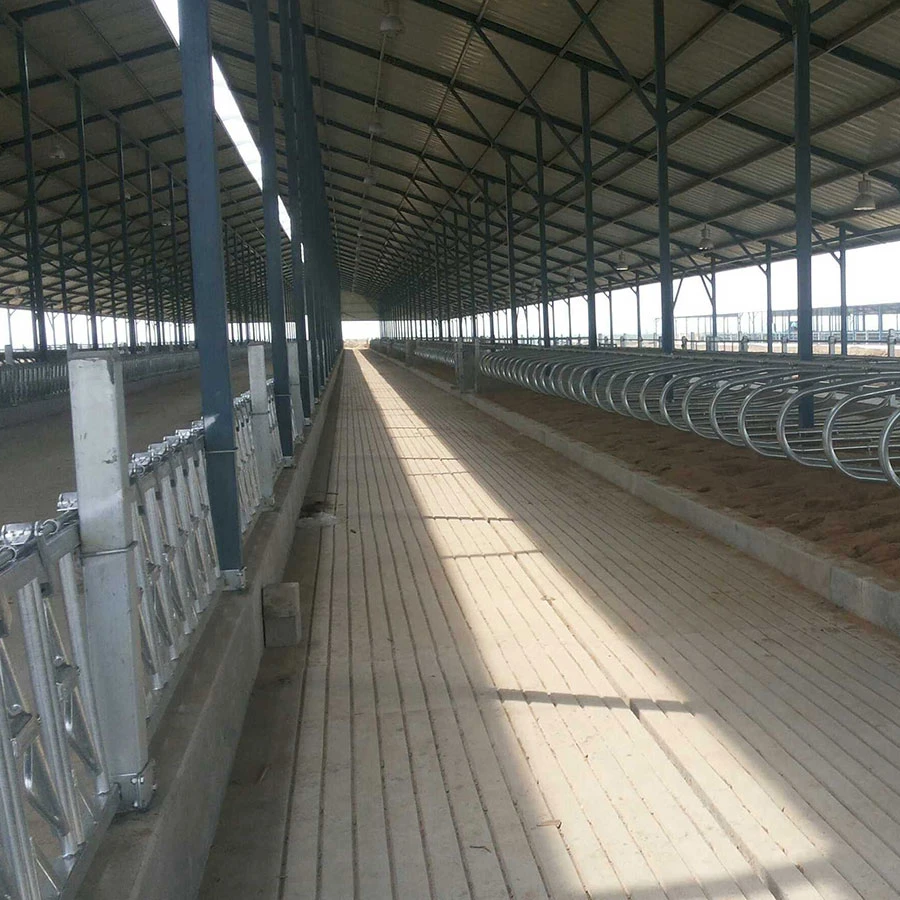
Across continents, gestating pen size is a frontline tool in improving farm animal welfare policy and efficiency. In Europe and North America, where legislative frameworks are strict, pens often incorporate these dimensions tightly into design specs for new farms.
In Asia and Latin America, its role is evolving. Farmers there balance local traditions with modernization—sometimes integrating pens with modular layouts that allow easier cleaning or movement, helping reduce stress and disease spread.
Take for example the United States Department of Agriculture (USDA) pilot projects that showed group pens with at least 2.4 m² per sow reduced aggressive behaviors and improved piglet survival rates. Or NGOs working in post-disaster zones that advocate for pen sizes allowing both safety and rapid deployment to restart livestock farming quickly.
Mini takeaway: Gestating pen dimensions connect local practices with global best practices, improving welfare and productivity from Iowa to India.
Advantages and Long-Term Benefits of Proper Pen Dimensions
- Animal Welfare: Adequate space means less stress, lower injury rates, and better reproductive results.
- Farm Efficiency: Well-thought-out dimensions improve feeding logistics, cleaning ease, and worker safety.
- Sustainability: Healthier sows mean fewer antibiotics, lower mortality, and a smaller carbon footprint.
- Economic Gains: Better sow welfare translates to higher piglet survival and better meat quality, improving profitability.
- Social Responsibility: Farms adhering to humane pen standards attract ethical buyers and comply with international trade guidelines.
On an emotional level, it reflects a shift from purely industrialized farming to a more respectful relationship between humans and their animals. It’s no coincidence that many farmworkers report higher satisfaction when working in facilities designed with pen dimensions that prioritize sow comfort.
Future Trends: Innovations Shaping Gestating Pen Dimensions
Looking ahead, expect a blend of tech and sustainability to shape pen dimensions. Automated precision farming tools will measure sow movements and adjust pen sizes dynamically using modular walls. AI-powered monitoring systems might alert farmers when a pen is overcrowded or underused.
Moreover, materials science is developing eco-friendly and durable flooring alternatives that improve hygiene without heavy chemical cleaners. New regulations pushing greener farming will likely mandate pen designs that optimize natural airflow and temperature control to reduce energy consumption.
Interestingly, some startups are exploring 3D-printed pens customized to farm layouts, cutting waste and costs. Digital twins—virtual replicas of farm buildings—enable optimization of gestating pen layouts before physical builds.
Common Challenges and Practical Solutions
Still, it’s not all smooth sailing. Some farms struggle with limited space or funding to meet recommended dimensions. Older farms often have fixed layouts that are difficult to retrofit. There’s also the constant trade-off between social groupings—which require more space to reduce aggression—and individual stalls designed for monitoring and control.
Solutions? Innovative pen designs that use adjustable dividers can flex between group and individual housing. NGO partnerships and government subsidies can support upgrades. Training farmworkers on animal behavior often leads to improved space use even without physical changes.
Quick FAQs About Gestating Pen Dimension
- What is the ideal minimum space per sow in a gestating pen?
Typically between 2.2 to 3.0 m² per sow is recommended for group pens, but requirements vary depending on local regulations and farming practices. - How does pen dimension affect sow welfare?
Proper dimensions reduce stress and injuries, allow natural movement, and improve reproductive performance by providing a comfortable and safe environment. - Can existing farms easily update pen sizes?
Retrofitting can be challenging but using modular pen systems and adjustable dividers is a common, cost-effective way to adapt. - Are bigger pens always better?
While larger space generally improves welfare, it has to be balanced with practical management, hygiene, and feeding logistics. - Where can I learn about regulations for pen dimensions?
Consult local agriculture agencies and international standards like ISO 23662 or guidelines from the FAO and WOAH.
Gestating Pen Dimension Specifications & Vendor Comparisons
| Specification | Recommended Dimension | Notes |
|---|---|---|
| Pen Area per Sow | 2.2 - 3.0 m² | Depends on pen type (group vs individual) |
| Pen Length | 2.0 - 2.5 meters | Enough for comfortable lying/circling |
| Pen Width | 1.2 - 1.5 meters | Allows separate feeding and resting areas |
| Pen Height | 1.5 - 2.0 meters | Facilitates ventilation |
| Vendor | Product Features | Customization | Price Range (USD) |
|---|---|---|---|
| Livestock Solutions Co. | Modular, adjustable partitions, non-slip flooring | High - tailored pen sizes/site layout | 5,000 - 10,000 |
| AgriPen Systems | Prefabricated pens, corrosion-resistant materials | Medium - select from standardized sizes | 3,500 - 8,000 |
| GreenFarm Equipment | Eco-friendly materials, automated cleaning options | Medium - modular additions possible | 6,000 - 12,000 |
For more specialized measurements and tailored product options, don’t hesitate to check out vendor catalogs. Or better yet, visit gestating pen dimension for deeper insights.
Final Thoughts: The Small Space with Big Impact
So here’s the strange but true thing — when you think about a gestating pen dimension, it’s not just about square meters or layouts. It’s about respecting life cycles, taming complexity, and blending tradition with technology. Farms that care about these dimensions tend to earn trust, produce higher-quality stock, and align with evolving international markets.
Whether you’re a farmer, supplier, or policymaker, understanding and investing in gestating pen dimensions isn’t a niche concern; it’s a foundational piece of humane, sustainable agriculture. If you’re ready to learn more or optimize your spaces, do take a look at gestating pen dimension. Because sometimes, the right dimension changes everything.
References
Post time: Dec . 02, 2025