What Exactly is Flooring for Pigs—and Why Should We Care?
At first glance, "flooring for pigs" might sound like an odd, niche topic. But it’s really a big deal in both animal welfare and agricultural efficiency worldwide. Why? Because behind the scenes—whether on huge industrial farms or small family operations—what pigs walk on affects their health, growth, and even environmental impact. Understanding these flooring solutions means better animal welfare, less disease, and more sustainable pork production.
Globally, the pork industry represents a massive portion of meat consumption. According to the FAO, over 120 million tons of pork are produced annually. With that scale, it’s crucial to optimize every detail. Flooring for pigs isn’t just about hygiene or comfort—it's about productivity and responsible farming at a large scale.
Mini Takeaway: Flooring for pigs is a foundational component of modern pig farming, impacting welfare, economics, and sustainability worldwide.
The Global Picture: Why Flooring for Pigs Matters More Than You Think
It's no secret that agriculture feeds the world, but modern livestock farming follows strict guidelines to improve outcomes. The ISO standards and animal welfare organizations push for solutions that reduce stress, injuries, and contamination.
In industrialized countries, such flooring often has to be durable enough to withstand immense wear, as well as easy to clean. Meanwhile, in developing regions, the challenge is making affordable, scalable solutions for smallholder farmers who want flooring for pigs that can greatly improve animal health and yield without breaking the bank.
Yet challenges persist: poor flooring leads to disease spread, injuries, and economic losses estimated in the billions. Even carbon footprints are impacted since wet or soiled floors contribute to emissions and pollution.
Mini Takeaway: Flooring is a quiet hero in global pig farming—impacting health, economies, and even environmental footprints.
What Is Flooring for Pigs? Breaking It Down Plain and Simple
Put simply, flooring for pigs refers to the material and structural design of the pigpen floor where swine live, walk, eat, and rest. It’s more than just ground: it’s a carefully engineered surface that balances several factors.
- Animal Comfort: Preventing injuries and stress.
- Hygiene: Allowing waste to drain or be cleaned easily.
- Durability: Withstanding heavy loads and frequent cleaning.
- Cost Efficiency: Affordable to install and maintain.
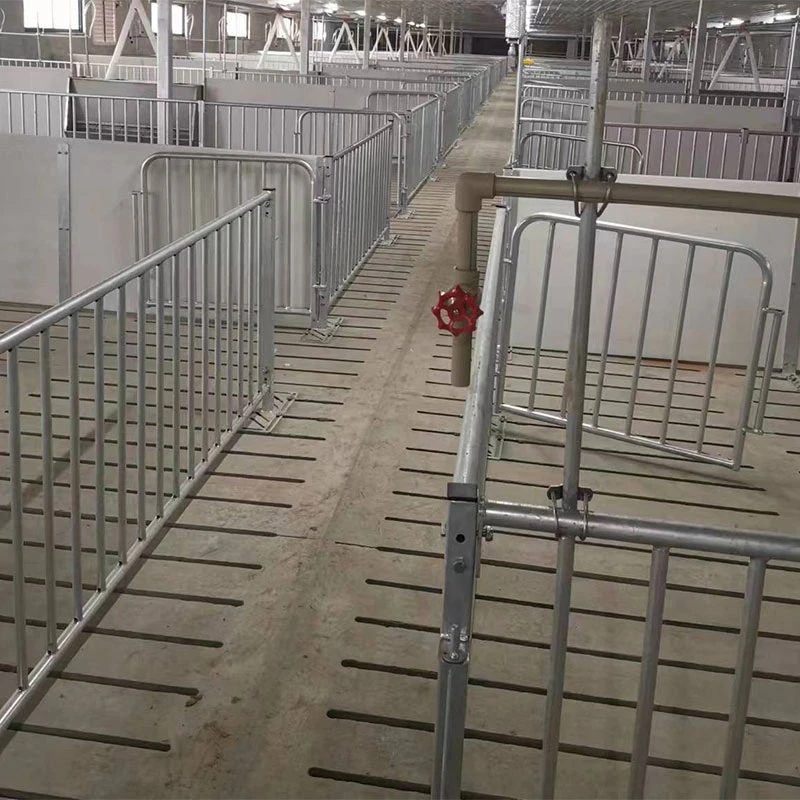
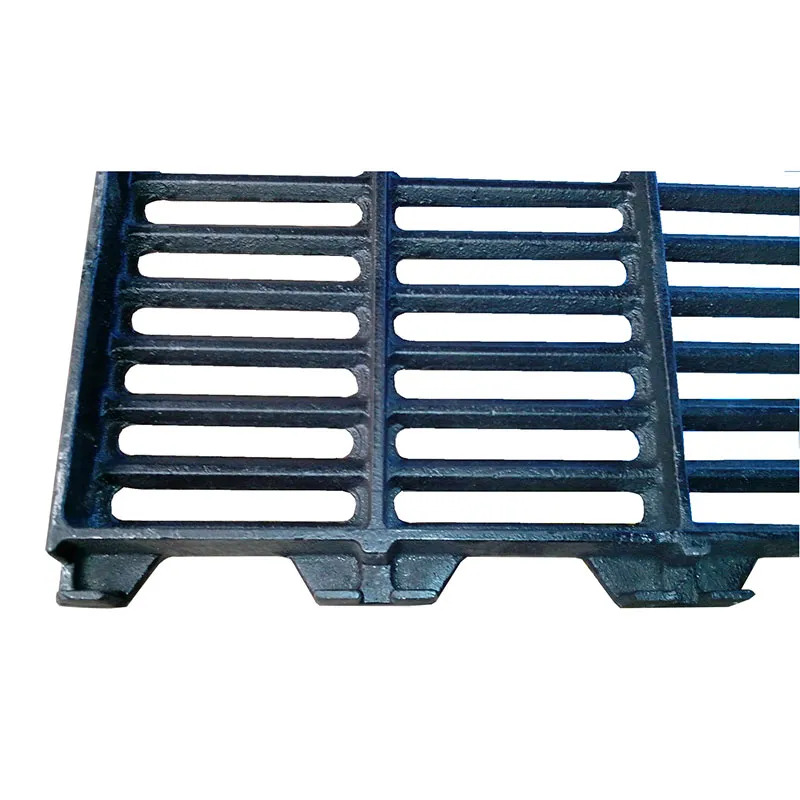
Many modern floors are either slatted—allowing waste to fall through—or solid with drainage systems. This approach is connected directly to larger themes like welfare protocols and regulatory standards.
Key Components That Define Good Flooring for Pigs
Durability
As you might guess, pig flooring must endure heavy wear. The pigs’ hooves are surprisingly tough, and their movements cause abrasion and impact. Concrete is common due to its strength, but it can be hard on joints if not finished properly.
Hygiene & Drainage
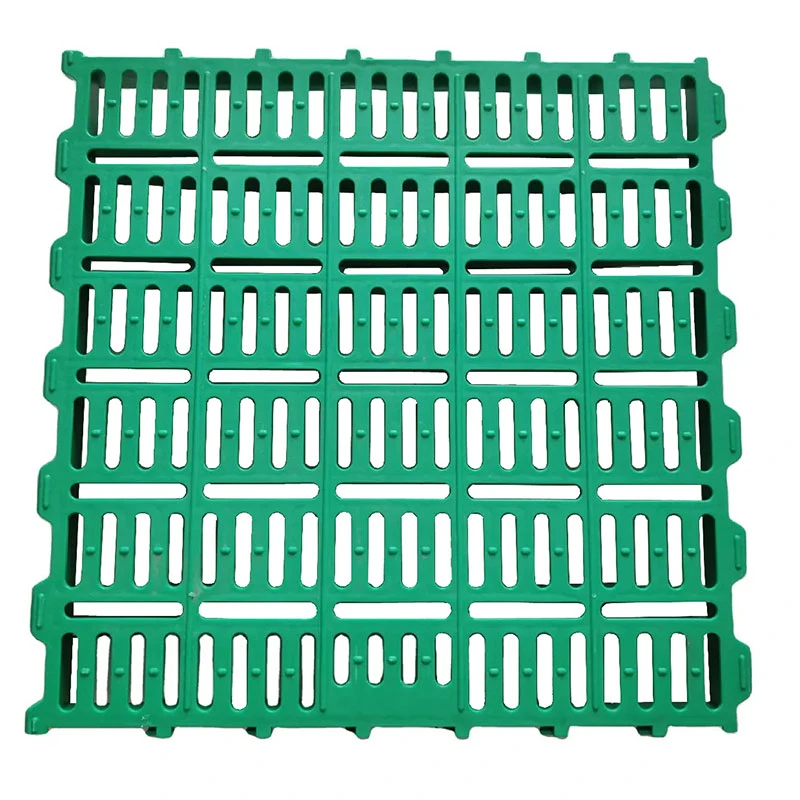
waste management is critical. Slatted floors often feature narrow gaps designed for waste to fall below, keeping pens drier and reducing ammonia buildup. Solid floors coupled with proper sloping and drainage systems can achieve the same effect. Both aim to reduce disease risks.
Animal Welfare
This is a big one. Hard floors can cause hoof injuries, joint problems, and foot lesions. So many designs now integrate softer mats or rubberized coatings to improve comfort without sacrificing hygiene.
Cost Efficiency & Installation
Farmers need a balance—floors that survive years without expensive maintenance and that don’t require massive initial outlays. Materials like polypropylene slats or composite panels are gaining popularity, offering lighter weight and easier installation.
Environmental Sustainability
Oddly enough, floors can influence environmental impacts. Non-absorbent, easy-clean floors reduce water usage and chemical cleaners. Plus, better waste management cuts down runoff pollution and greenhouse gases.
Flooring for Pigs in Action: Real-World Examples
Look at Denmark or the Netherlands, leaders in modern pig farming, where precision flooring reduces disease outbreaks and boosts efficiency. On the flip side, NGOs working in Southeast Asia emphasize affordable, locally sourced slats to help smallholders upgrade from mud or dirt floors, minimizing foot rot and infections.
In disaster-hit zones where pig farmers face rebuilding their livelihoods, modular flooring panels allow quick pen reconstruction. Meanwhile, industrial farms in North America experiment with heated floors to improve piglet survival in winter.
Mini Takeaway: Around the globe, flooring solutions adapt to local needs—from high-tech European farms to grassroots projects improving pig health in developing communities.
The Long-Term Benefits You Can’t Ignore
It’s about more than just flooring—it’s about trust and legacy. A well-designed pig floor:
- Improves animal health, cutting veterinary bills.
- Increases growth rates by reducing stress and injuries.
- Lowers environmental impact via better waste and water management.
- Makes daily farm work smoother and safer.
- Elevates farm reputation and consumer confidence.
Emotionally, it means treating animals with dignity—a growing priority among consumers and producers alike. Logically, it pays off by improving yields and protecting investments every year.
Innovations Shaping the Future of Flooring for Pigs
Tech is creeping in fast. Think sensors embedded in floors to monitor weight or gait changes, signaling early lameness. New materials like recycled plastics, composites with antimicrobial properties, and rubber tiles that adapt temperature are becoming viable. There's a push for sustainable flooring that uses renewable or recycled components without compromising strength.
Automation may soon extend to cleaning—with robotic scrapers and waste removal systems integrated with the floor design. It feels like pig farming is slowly entering the smart livestock era.
Overcoming Common Challenges in Pig Flooring
Despite all the advancements, common snags exist:
- Initial Cost: Advanced floors aren’t cheap upfront, which can deter small farms.
- Maintenance: Floors must resist cracking, corrosion, and warping.
- Comfort vs Hygiene: Softer floors sometimes trap waste and bacteria.
- Installation: Poor setup leads to uneven surfaces and drainage issues.
Solutions are emerging: leasing flooring systems, modular installations, hybrid surfaces combining slats and mats, and dedicated training to ensure proper care. Many engineers also recommend trial patches before full adoption—there’s no one-size-fits-all.
Product Specification Table: Typical Flooring for Pigs Options
| Type | Material | Drainage | Durability (years) | Comfort | Cost ($/m²) |
|---|---|---|---|---|---|
| Concrete Slatted | Reinforced Concrete | High | 15-20 | Low | 30-50 |
| Plastic Modular Slats | Polypropylene | High | 10-15 | Medium | 40-70 |
| Rubber Mat Flooring | Rubber Composite | Low | 8-12 | High | 50-80 |
| Composite Panels | Fiberglass/Plastic | Medium | 12-18 | Medium | 45-75 |
Vendor Comparison: Flooring for Pigs Providers
| Vendor | Material Types | International Shipping | Customization Options | Warranty |
|---|---|---|---|---|
| AgriFloor Inc. | Concrete, Plastic | Yes | Slat size, layout | 5 years |
| PigMat Solutions | Rubber, Composite | Limited | Thickness, color | 3 years |
| Global Livestock Floors | Plastic, Fiberglass | Yes | Panel size, drainage | 7 years |
Frequently Asked Questions About Flooring for Pigs
Q1: What type of flooring is best to reduce diseases in pig farms?
A1: Slatted floors, especially plastic or concrete slats with adequate drainage, help keep pens dry and waste separate, significantly lowering bacterial build-up. Combined with regular cleaning, this reduces disease spread.
Q2: How often should pig flooring be replaced or repaired?
A2: It varies by material and usage. Concrete floors can last 15+ years with maintenance, while rubber mats might need replacement every 8-12 years. Regular inspections ensure early repairs and prevent injuries.
Q3: Can softer flooring completely prevent hoof injuries?
A3: Softer flooring reduces impact stress and lesions but does not eliminate injuries altogether. Proper maintenance, pen design, and animal monitoring remain essential.
Q4: Are modular flooring systems easy to install for small farms?
A4: Yes. Modular systems, especially plastic slats, are lightweight and can be installed without heavy machinery, ideal for remote or small-scale farms looking to upgrade quickly.
Q5: How does environmental sustainability tie into pig flooring?
A5: Sustainable flooring options minimize chemical use and water consumption during cleaning and improve manure management, helping reduce emissions and soil contamination.
Wrapping It Up: Why Flooring for Pigs is More Than Just a Surface
It might seem like a simple detail, but flooring for pigs stands at the crossroads of animal welfare, farm efficiency, and environmental stewardship. Investing time and thought into selecting and maintaining the right flooring translates directly into healthier animals, better yields, and a more sustainable industry.
For farmers, engineers, and stakeholders keen on modernizing pig farming, explore our offerings and expertise in flooring for pigs. Because sometimes, the foundation really does make all the difference.
Cheers to better floors, happier pigs, and smarter farming!
References
Post time: Dec . 02, 2025