Evolution of Swine Production: Industry Trends and the Modern Fattening Pen
The global livestock industry, particularly swine production, is undergoing a profound transformation driven by increasing demand for efficiency, enhanced animal welfare standards, and sustainable practices. Modern pig farming operations require sophisticated infrastructure to optimize growth rates, minimize resource consumption, and ensure the health of the herd. Central to this evolution is the design and implementation of advanced housing solutions, prominently featuring the fattening pen.
Key industry trends influencing pen design include the push for automation, improved biosecurity protocols, and precision feeding systems. Farmers are increasingly seeking robust, easy-to-clean, and adaptable penning solutions that integrate seamlessly with automated feeding and waste management systems. This focus aims to reduce manual labor, improve hygiene, and provide a controlled environment conducive to rapid and healthy weight gain, ultimately impacting the economic viability of swine operations and the overall quality of the final product.
The Anatomy and Manufacturing Process of a Modern Fattening Pen
A fattening pen, specifically designed for finishing pigs, represents a critical phase in the pig farming lifecycle, accommodating pigs from approximately 25-30 kg until they reach market weight (typically 100-120 kg). These pens are engineered to provide an optimal environment for growth, focusing on feed accessibility, water provision, waste removal, and environmental comfort.
Manufacturing Process: From Raw Material to Robust Structure
The production of high-quality Fatten Finishing Penning in Pig Farming Equipment involves a multi-stage manufacturing process, emphasizing durability, hygiene, and structural integrity. The primary materials selected are hot-dip galvanized steel for frame components, high-strength PVC for partitions, and combinations of plastic or cast iron for slatted flooring.
- Material Sourcing & Preparation: High-grade steel tubes and sheets are selected, meeting international standards for metallurgical composition. PVC sheets are sourced for their chemical resistance and ease of cleaning.
- Precision Cutting & Shaping: Steel components undergo CNC laser cutting and tube bending to achieve precise dimensions for posts, gates, and support structures. This ensures modularity and ease of assembly.
- Welding & Assembly (Frame): Skilled technicians perform MIG/TIG welding to assemble the primary steel frames. Post-welding, all welds are inspected for integrity and strength.
- Hot-Dip Galvanization: The assembled steel frames are then subjected to hot-dip galvanization. This process involves immersing the steel in molten zinc (typically 450°C), creating a metallurgically bonded coating that provides superior corrosion resistance, crucial for the harsh, ammoniated environments of pig farms. This significantly extends the service life beyond that of painted or electro-galvanized alternatives.
- PVC Panel Extrusion/Molding: PVC panels for partitions are either extruded or molded, designed with smooth surfaces to prevent dirt accumulation and simplify cleaning. These panels often feature interlocking designs for secure fitting.
- Flooring Production: Slatted flooring, critical for waste management and animal comfort, is manufactured from high-strength engineering plastics or durable cast iron, depending on the specific application area within the pen (e.g., plastic for lying areas, cast iron for feeding areas).
- Quality Control & Testing: Throughout the process, components are subjected to rigorous quality checks. Final assembled pens undergo load-bearing tests (e.g., simulating pig weight and impact) and material integrity tests. Compliance with standards such as ISO 9001 for quality management and relevant agricultural equipment standards (e.g., ANSI/ASAE S361.3 for livestock housing) is strictly adhered to. The typical service life of such a galvanized steel fattening pen is estimated at 15-20 years under proper maintenance.
- Packaging & Shipment: Components are carefully packaged to prevent damage during transit, ready for installation in target industries such as large-scale commercial pig farms, breeding centers, and integrated agricultural enterprises.
The advantages in typical application scenarios include enhanced animal health due to superior hygiene, reduced veterinary costs, energy savings from optimized ventilation facilitated by proper pen design, and exceptional corrosion resistance from hot-dip galvanization, leading to lower maintenance expenses.
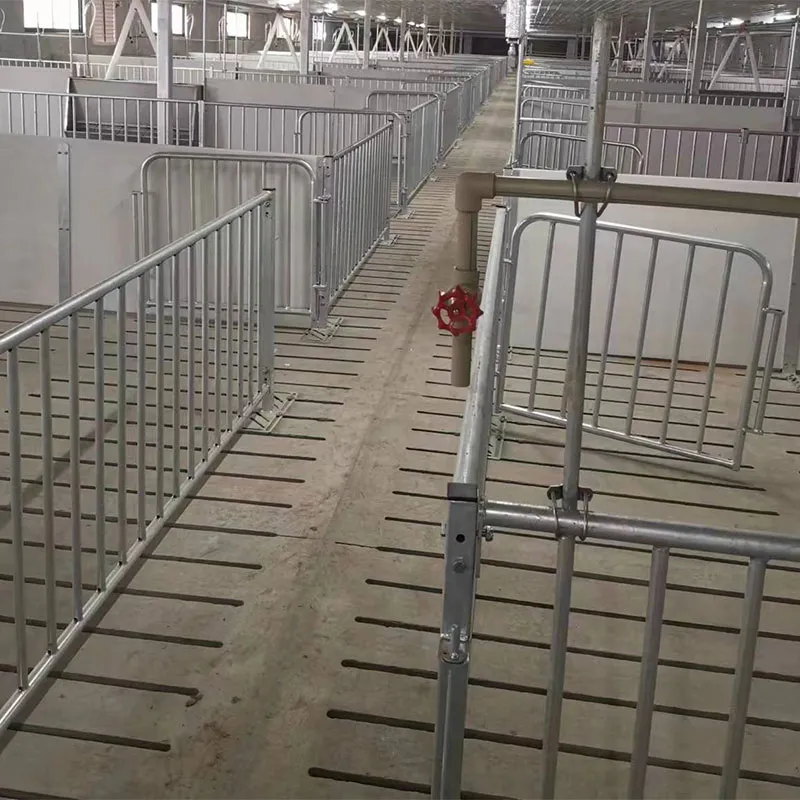
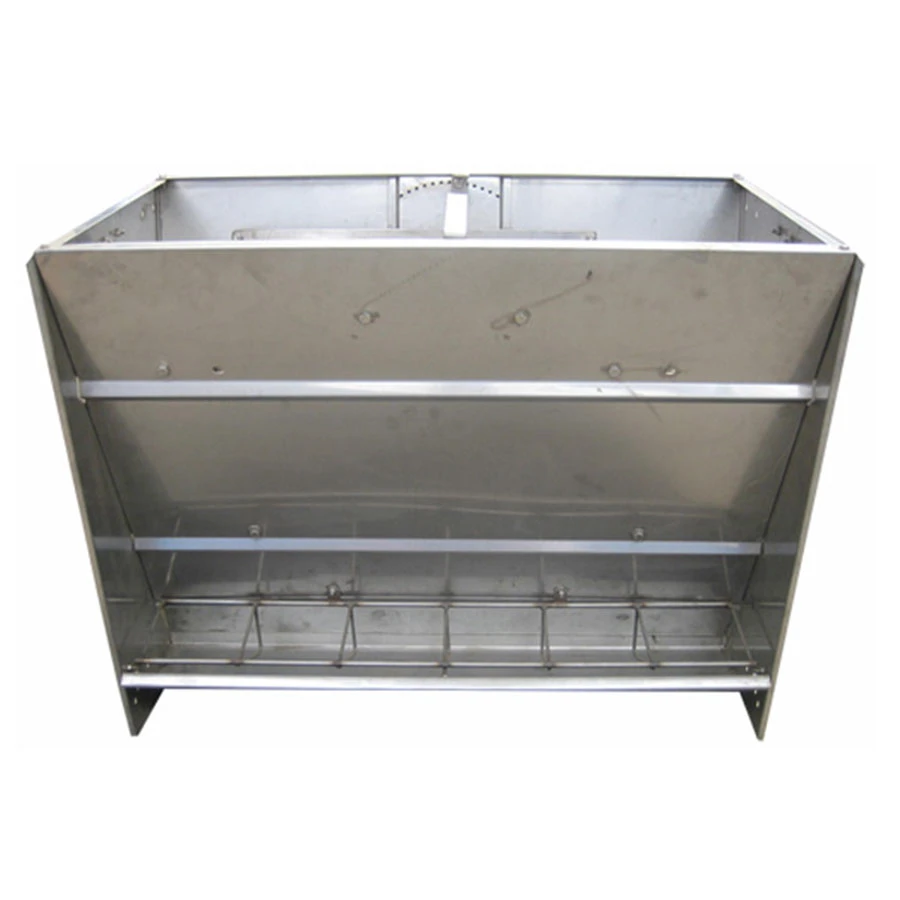
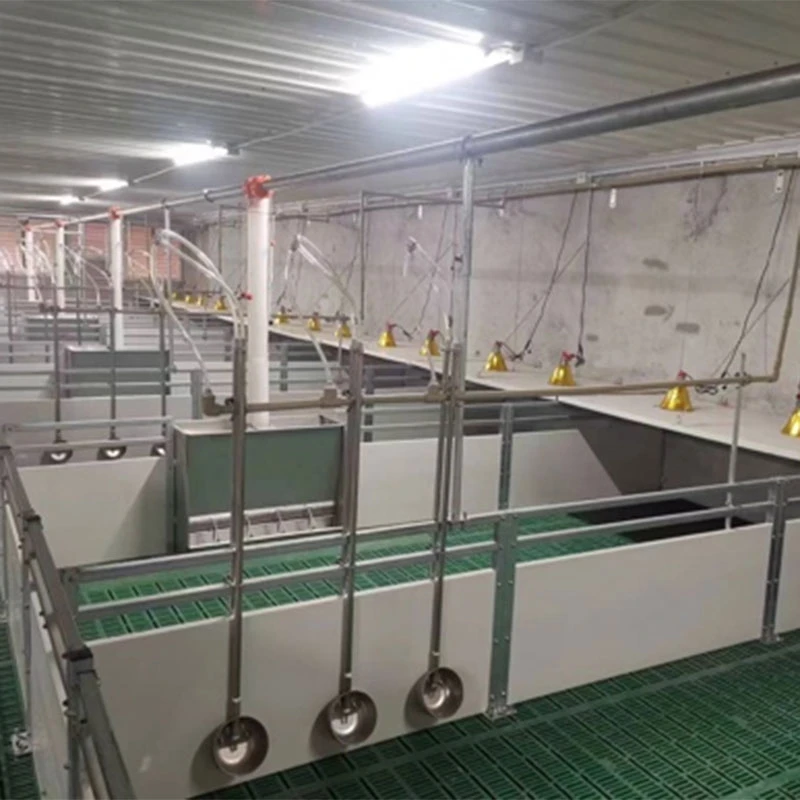
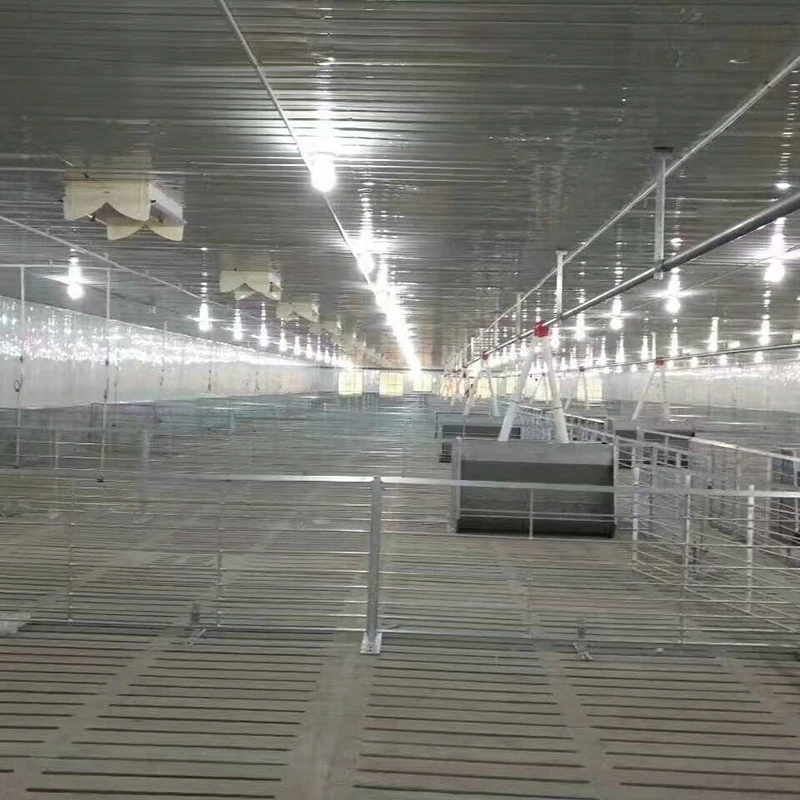
Figure 1: High-quality Fatten Finishing Penning system showcasing robust construction.
Technical Specifications and Performance Parameters
Understanding the precise technical specifications of a fattening pen is crucial for farm managers and project engineers to ensure optimal performance and integration into existing or planned facilities. The design of the Fatten Finishing Penning In Pig Farming Equipment focuses on durability, hygiene, and maximizing animal comfort and growth.
Key Product Specifications
| Parameter | Specification |
|---|---|
| Pen Dimensions (L x W x H) | Customizable, typical range 4.8m x 2.4m x 1.0m (for 10-12 pigs) |
| Frame Material | Hot-dip galvanized steel (≥80µm zinc coating) |
| Partition Material | High-strength PVC or galvanized steel bars |
| Flooring Type | Plastic slatted floor (lying area), Cast iron slatted floor (dunging area) |
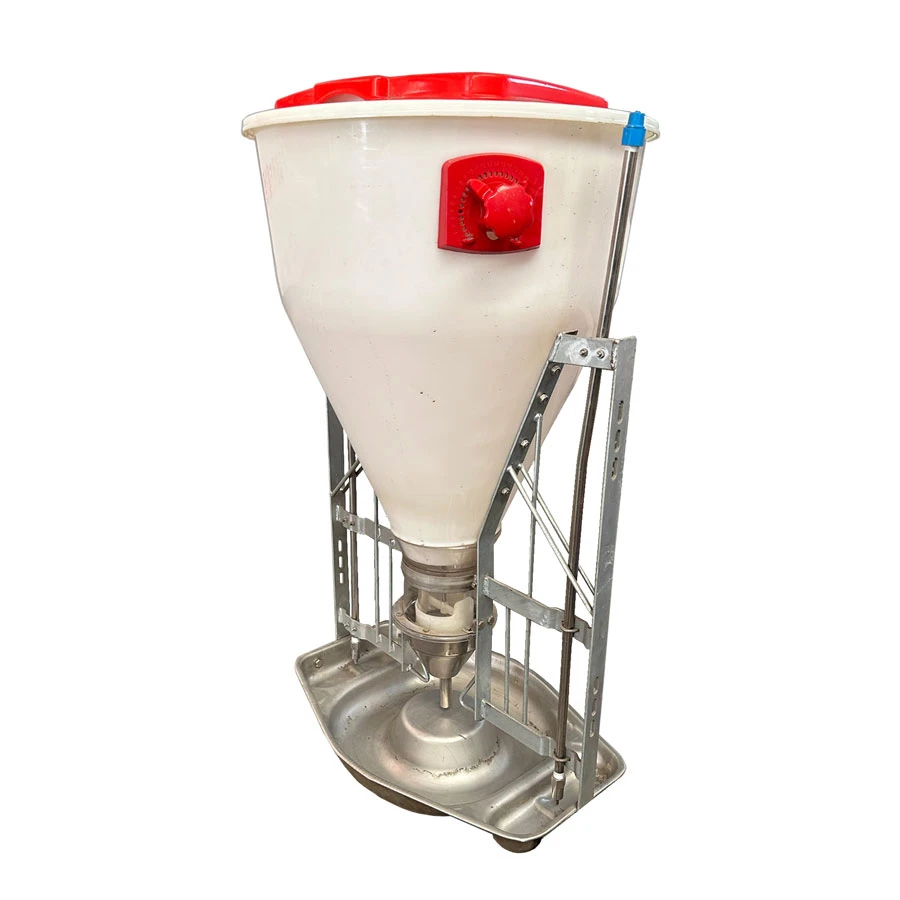
| Feeder Type & Capacity | Dry/wet feeder, Stainless steel, capacity up to 100 kg feed |
| Waterer System | Nipple drinkers (stainless steel), 2-3 per pen |
| Pen Capacity | 8-15 finishing pigs (depending on weight and local regulations) |
| Corrosion Resistance | Excellent (Hot-dip galvanized, ASTM A123/A123M standards) |
| Service Life | 15-20 years (minimum under proper maintenance) |
| Compliance Standards | ISO 9001:2015, CE certified, adheres to local animal welfare guidelines |
These specifications ensure that the fattening pen provides a durable, hygienic, and efficient environment for swine growth, supporting robust farm economics and animal welfare benchmarks. The hot-dip galvanization is particularly vital, offering superior protection against the corrosive ammonia-rich environment prevalent in pig housing, significantly outperforming powder-coated or electro-galvanized alternatives in longevity and maintenance requirements.
Application Scenarios and Technical Advantages
The strategic deployment of high-quality fattening pen systems is pivotal across various swine production models, from expansive commercial farms to specialized breeding operations. These systems are designed to maximize throughput and profitability, making them an indispensable component of any modern pen fattening project proposal pdf.
Typical Application Scenarios:
- Large-Scale Commercial Pig Farms: Essential for efficient batch management and high-volume production, integrating with automated feeding and climate control systems.
- Integrated Livestock Operations: Part of a comprehensive farm strategy that includes breeding, farrowing, nursery, and finishing stages, ensuring seamless transition and optimal growth at each phase.
- Research & Development Facilities: Used for controlled studies on feed efficiency, genetics, and animal behavior due to their standardized and hygienic environment.
- Educational Institutions: For practical training and demonstration of modern pig farming practices.
Technical Advantages:
- Optimized Feed Conversion Ratio (FCR): Precision feeding systems within these pens minimize feed waste and ensure consistent nutrient intake, leading to lower FCRs and reduced operational costs. Data shows that optimized penning can contribute to a 5-10% improvement in FCR compared to conventional systems.
- Enhanced Animal Welfare: Ergonomic design, appropriate space allocation (e.g., 0.8-1.2 m² per pig for finishing, as per European Union recommendations), and comfortable slatted flooring reduce stress, lameness, and aggressive behaviors, promoting healthier growth. This directly translates to better meat quality and reduced mortality rates.
- Superior Hygiene and Disease Control: Easy-to-clean surfaces (PVC, galvanized steel), efficient manure removal through slatted floors, and strategic pen design prevent the build-up of pathogens. This minimizes the need for antibiotics and contributes to higher biosecurity levels across the farm.
- Labor Efficiency and Automation Readiness: Modular design allows for quick assembly and disassembly. Compatibility with automated feeders, waterers, and ventilation systems significantly reduces manual labor, allowing staff to focus on animal health and management.
- Durability and Longevity: Hot-dip galvanized steel frames offer exceptional resistance to corrosion, abrasion, and impact, ensuring a long operational life (15-20 years) even in harsh agricultural environments, reducing the total cost of ownership.
- Environmental Impact Reduction: Efficient waste management systems integrate well with anaerobic digesters or manure processing, converting waste into energy or fertilizer, thus contributing to a more sustainable farming model.
These advantages collectively underscore the value proposition of investing in advanced fattening pen solutions, directly impacting the profitability, sustainability, and ethical standards of modern pig farming.
Vendor Comparison and Customized Solutions
Selecting the right vendor for a fattening pen system is a critical decision that impacts long-term operational efficiency and profitability. While various manufacturers offer penning solutions, key differentiators often lie in material quality, design innovation, support services, and the ability to provide customized solutions.
Comparative Analysis of Fattening Pen Systems
| Feature/Vendor Focus | Generic Vendor A (Cost-Focused) | Generic Vendor B (Mid-Range) | CXLivestock (Premium/Value) |
|---|---|---|---|
| Frame Material & Protection | Electro-galvanized/Painted steel | Powder-coated galvanized steel | Hot-dip galvanized steel (superior corrosion resistance) |
| Flooring Options | Basic plastic slats | Plastic & limited cast iron | Modular plastic, cast iron, or hybrid designs for specific areas |
| Feeder Integration | Basic dry feeders | Standard dry/wet feeders | High-capacity, automated dry/wet feeders, customizable positions |
| Customization Level | Minimal (standard sizes) | Limited adjustments | Extensive: dimensions, materials, layouts, accessory integration |
| Warranty & Support | 1-year, basic online support | 2-year, standard phone support | 3-5 years, dedicated project managers, on-site consultation & after-sales service |
| Certifications | Local standards only | Some international (e.g., ISO) | ISO 9001:2015, CE, adherence to international animal welfare guidelines |
Customized Solutions
Recognizing that no two pig farms are identical, the ability to provide tailored solutions is paramount. Leading manufacturers specialize in custom-engineered fattening pen systems to fit specific building layouts, operational flows, and regional climate conditions. Customization options include:
- Pen Dimensions and Layouts: Adjusting width, length, and height to optimize space utilization within existing structures or to meet specific animal density regulations.
- Material Selection: Choice of PVC panel thickness, different grades of galvanized steel, or specific flooring types (e.g., full plastic, full cast iron, or hybrid systems) based on budget, lifespan requirements, and animal comfort objectives.
- Integrated Feeding and Watering Systems: Customization of feeder design (single-sided, double-sided, ad-libitum), trough materials (stainless steel, plastic), and waterer types (nipple, bowl) to integrate with specific automated feeding lines.
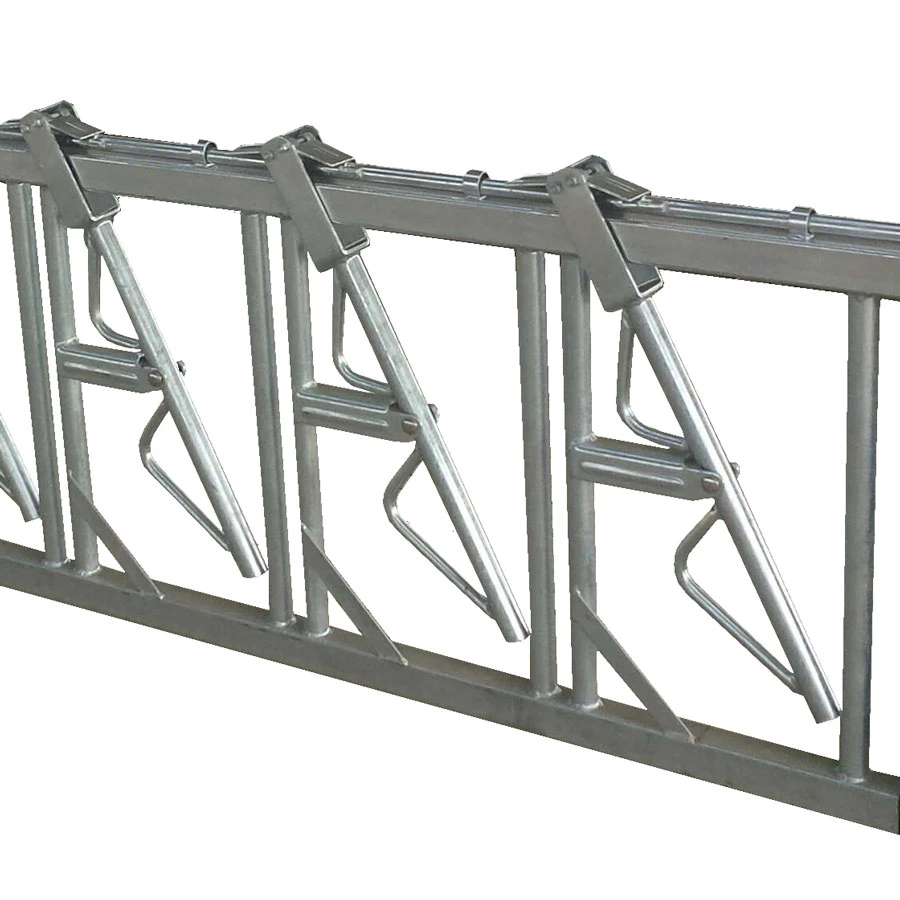
- Gate and Locking Mechanisms: Bespoke gate designs for ease of animal movement, robust locking systems for security, and quick-release mechanisms for emergency access.
- Ventilation and Climate Control Integration: Pens designed to optimize airflow and work synergistically with advanced ventilation and cooling systems, enhancing animal comfort and reducing energy consumption.
This level of customization ensures that the investment in a fattening pen system perfectly aligns with the farm's unique requirements, maximizing efficiency and return on investment.
Application Case Studies and Customer Success
Real-world application demonstrates the tangible benefits of investing in high-quality fattening pen systems. These case studies highlight how advanced pig farming equipment translates into measurable improvements in operational efficiency, animal health, and profitability for diverse clients.
Case Study 1: Large-Scale Integrated Pig Farm, Central Europe
A prominent integrated pig farm in Poland, aiming to modernize its finishing phase and increase capacity, implemented Fatten Finishing Penning In Pig Farming Equipment across three new barns. The project involved 1,200 individual fattening pen units, customized for enhanced space per pig and integrated with automated dry/wet feeding systems.
- Challenge: Outdated penning leading to inconsistent growth rates, higher labor costs for feeding and cleaning, and increased antibiotic usage.
- Solution: Installation of hot-dip galvanized steel pens with hybrid plastic and cast iron slatted flooring, and integrated precision feeders.
- Results (over 12 months):
- Feed Conversion Ratio (FCR) improved by 8%: From 2.9 to 2.65, leading to significant feed cost savings.
- Daily Weight Gain (DWG) increased by 6%: Average DWG rose from 800g to 848g.
- Labor Reduction: 30% decrease in time spent on feeding and cleaning tasks.
- Antibiotic Usage: Decreased by 25% due to improved hygiene and reduced stress-related illnesses.
- Client Feedback: "The new CX Livestock pens transformed our finishing operations. The durability is exceptional, and the economic benefits in terms of FCR and labor savings are beyond our expectations. This investment was key to our farm's growth and sustainability."
Case Study 2: Biosecure Research Facility, North America
A leading animal science research institution required state-of-the-art, highly standardized, and easy-to-sterilize penning for genetic and nutritional studies on swine. They selected customized fattening pen units for their finishing rooms.
- Challenge: Need for absolute biosecurity, consistent environmental control, and precise data collection across multiple experimental groups.
- Solution: Installation of modular stainless steel-paneled pens (custom material for enhanced sterilization), with fully automated individual feeders and integrated sensor systems for environmental monitoring.
- Results:
- Biosecurity Integrity: Achieved zero contamination events related to housing structure over a 3-year period.
- Data Consistency: Uniform pen environments allowed for highly reliable and reproducible research outcomes.
- Operational Efficiency: Quick sterilization cycles and minimal maintenance reduced downtime between research batches.
- Client Feedback: "The bespoke pen systems from CX Livestock exceeded our stringent requirements for research-grade equipment. Their engineering support and material selection were critical in establishing a gold standard for our swine research facility."
Trustworthiness: FAQ, Lead Time, Warranty, and Support
Building long-term partnerships in the B2B sector relies on transparency, reliability, and robust after-sales support. CX Livestock is committed to providing comprehensive information and services for our Fatten Finishing Penning in Pig Farming Equipment.
Frequently Asked Questions (FAQ)
- Q1: What is the typical lead time for a custom fattening pen project?
- A1: Lead times vary based on project scope, customization requirements, and current production schedule. Generally, for standard configurations, it's 4-6 weeks from order confirmation to shipment. For highly customized projects, it can range from 8-12 weeks. We provide a detailed project timeline upon quotation approval.
- Q2: What kind of maintenance do the hot-dip galvanized pens require?
- A2: The hot-dip galvanized finish offers superior corrosion resistance, significantly reducing maintenance needs. Routine maintenance includes regular cleaning with mild, non-corrosive detergents, checking for any structural damage, and ensuring all gates and latches operate smoothly. Annual inspections are recommended to maximize service life.
- Q3: Can these pens be integrated with existing farm automation systems?
- A3: Yes, our fattening pen designs are modular and highly compatible with most modern farm automation systems, including automated feeding lines, nipple drinker systems, and ventilation controls. Our engineering team can work with you to ensure seamless integration.
- Q4: Are your products compliant with animal welfare standards?
- A4: Absolutely. Our pen designs adhere to international animal welfare guidelines, providing adequate space, comfortable flooring, and access to feed and water, promoting animal health and well-being. We can also adapt designs to specific regional welfare regulations.
Lead Time & Fulfillment
Our manufacturing facility operates with stringent quality control and efficient production lines. Standard orders for our Fatten Finishing Penning In Pig Farming Equipment typically have a lead time of 4-6 weeks. For large-scale projects or complex customized solutions, a detailed production and delivery schedule will be provided by your dedicated project manager. We manage logistics globally, ensuring timely and secure delivery to your specified location.
Warranty Commitments
We stand behind the quality and durability of our products. All CX Livestock Fatten Finishing Penning systems come with a standard 3-year warranty against manufacturing defects and material failures under normal operating conditions. Extended warranty options are available for specific components or projects, demonstrating our confidence in the longevity of our hot-dip galvanized steel structures and other high-grade materials.
Customer Support and After-Sales Service
Our commitment to our clients extends far beyond the point of sale. CX Livestock provides comprehensive after-sales support, including:
- Technical Consultation: Expert advice on installation, operation, and maintenance of your fattening pen systems.
- Spare Parts Availability: A readily available inventory of spare parts to minimize downtime.
- Remote & On-site Support: Our team is accessible via phone, email, and video conferencing, with on-site technical assistance available for complex issues or new project commissioning.
- Training Programs: Offering training for your farm staff on the optimal use and maintenance of the equipment to maximize its lifespan and efficiency.
Our global network of service partners and dedicated project managers ensure that you receive prompt and effective support, regardless of your location, making CX Livestock a trusted partner in your swine production endeavors.
Conclusion
The modern fattening pen is more than just a housing structure; it is a meticulously engineered system designed to optimize every aspect of swine finishing. From robust materials and precision manufacturing to integration with advanced automation and adherence to strict animal welfare standards, the evolution of these pens directly impacts farm profitability, animal health, and environmental sustainability. Investing in high-quality, customized Fatten Finishing Penning In Pig Farming Equipment is a strategic decision for any forward-thinking swine producer looking to enhance efficiency, reduce costs, and ensure a competitive edge in the global market. CX Livestock is dedicated to providing superior solutions that meet these evolving demands.
References
- Food and Agriculture Organization of the United Nations (FAO). "Livestock Policy Brief 03: Pig Production." www.fao.org.
- American Society of Agricultural and Biological Engineers (ASABE). "ASAE Standards, S361.3: Design of Enclosures for Farm Livestock." www.asabe.org.
- National Pork Board. "Swine Care Handbook." www.porkcheckoff.org.
- European Food Safety Authority (EFSA). "Scientific Opinion on the welfare of pigs in different production systems." www.efsa.europa.eu.
Post time: Sep . 10, 2025