Understanding Fattening Pen: A Global Perspective on Livestock Management
Fattening pens might not be your everyday buzzword outside of livestock or agricultural circles, but their importance is hard to overstate. Simply put, a fattening pen is a specialized enclosure used to efficiently feed and manage livestock during the fattening phase before market or slaughter. Worldwide, this practice underpins food security, economic livelihoods, and sustainable farming disciplines across diverse geographies—from the vast cattle ranches of the Americas to bustling dairy farms in Europe and Asia.
Grasping the nuances of fattening pens offers not just a window into agriculture but into broader global challenges: feeding a growing population, optimizing resource use, and balancing animal welfare with productivity. In this piece, I’ll walk through the what, why, and how of fattening pens, sprinkled with real-world use cases, technology trends, and practical insights.
Why the Fattening Pen Matters Globally
According to the Food and Agriculture Organization (FAO), global meat demand is projected to increase by almost 1.7% per year through 2030. Agriculture, especially intensive livestock management practices like those involving fattening pens, plays a critical role in meeting this demand sustainably. But there's a catch: many smallholder farmers or emerging economies face challenges in scaling efficient fattening systems due to lack of infrastructure, feed quality, or management know-how. This contributes to food insecurity in some regions, particularly sub-Saharan Africa and parts of Asia.
Fattening pens help by optimizing feed conversion rates and reducing the time animals need to reach market weight. This is not just economic efficiency but a global contribution to more sustainable meat production — using less land and water per kilo of protein.
Oddly enough, even in disaster zones or humanitarian contexts where livestock assets are crucial for survival, fattening pens find innovative applications, helping communities to rebuild resilient food systems. It’s a quiet but powerful piece of the agricultural puzzle.
What Exactly Is a Fattening Pen?
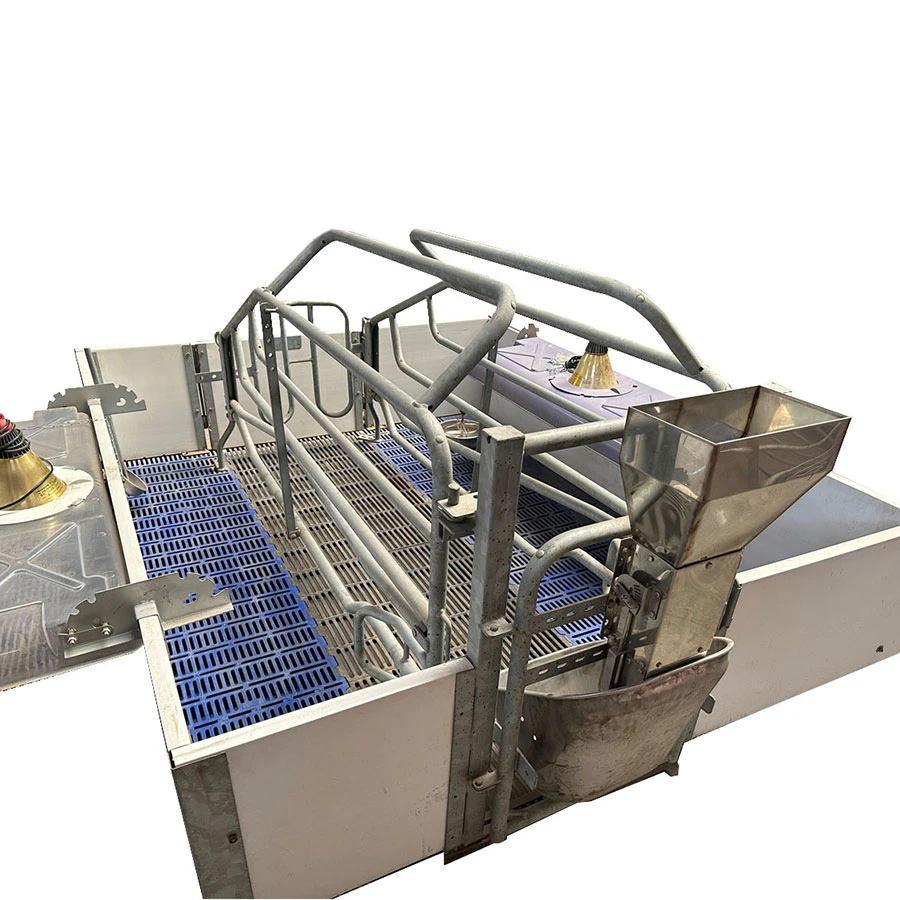
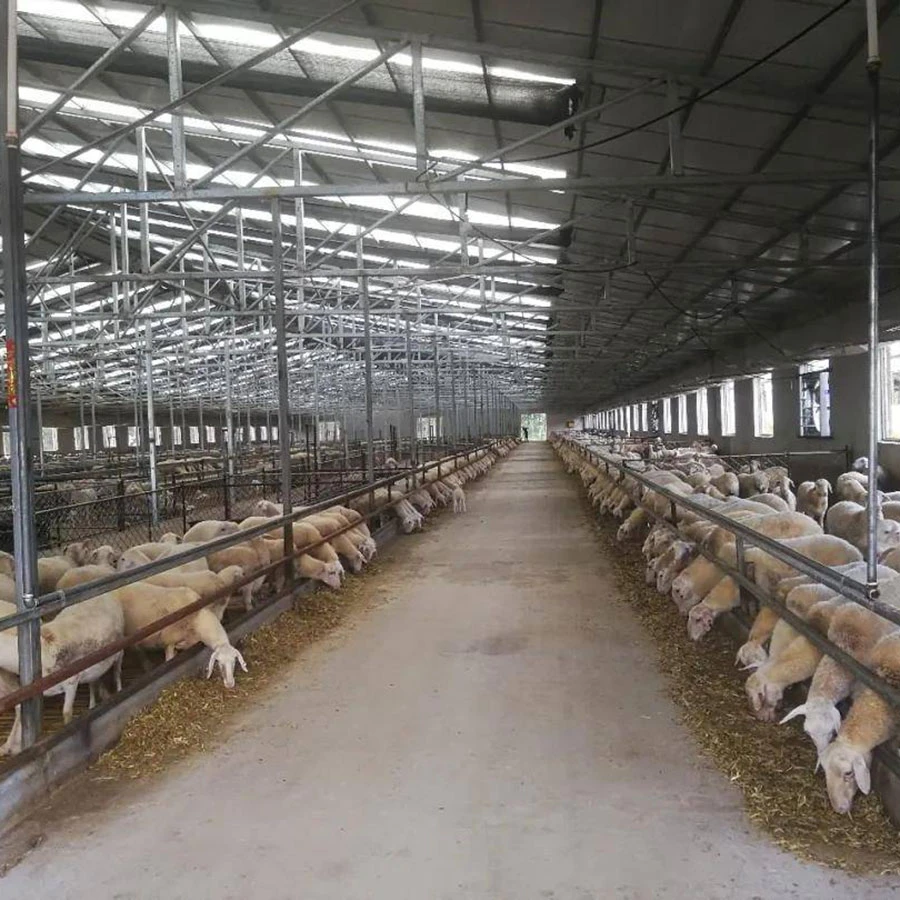
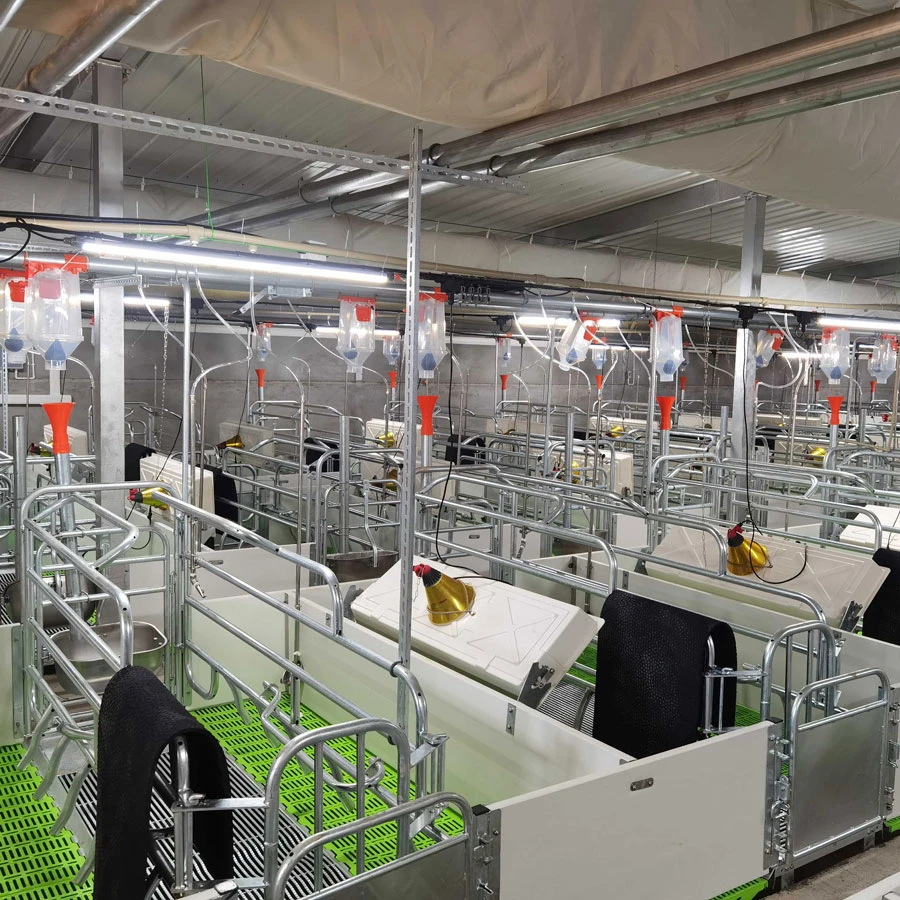
At its core, a fattening pen is an enclosure designed specifically to house and feed livestock—typically cattle, sheep, or goats—during their growth period, immediately prior to sale or slaughter. Unlike breeding pens or pasture grazing, fattening pens focus on maximizing weight gain in a controlled environment.
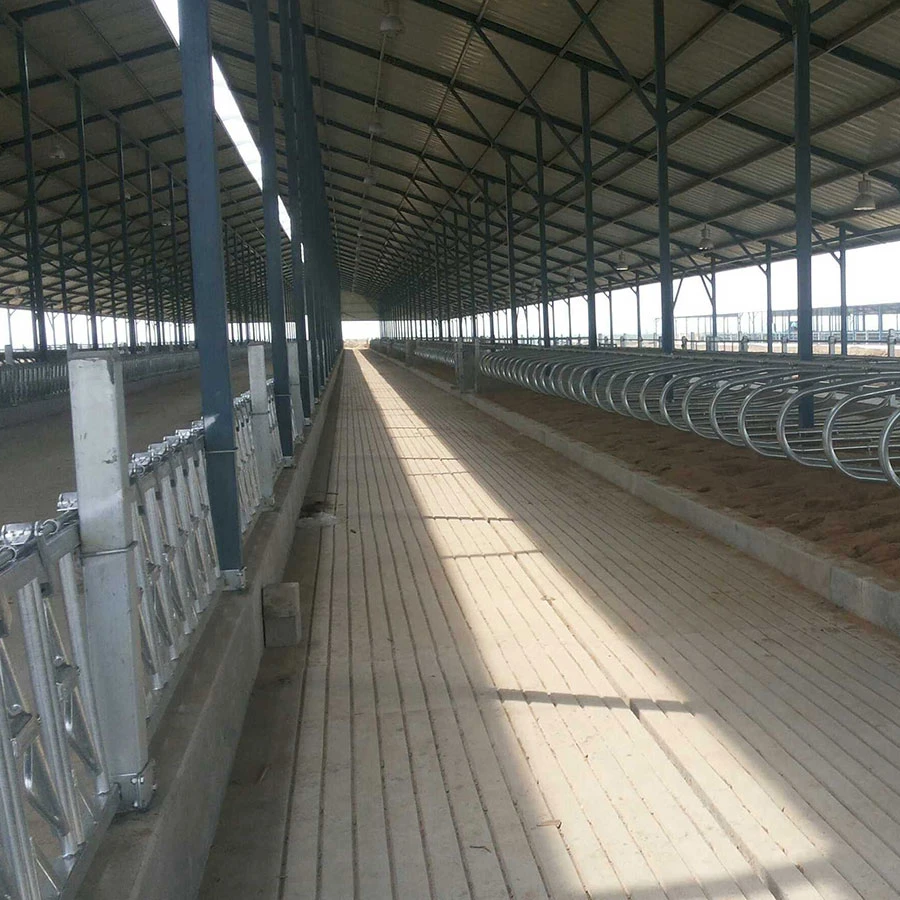
Think of it as a specialized feedlot. The idea is to concentrate animals in a tailored space where they can be monitored closely, given tailored nutrition, and protected from stressors that could slow feeding efficiency. It fits tightly with modern livestock operations and plays a vital role in improving yields without simply expanding farmland.
Key Components of a Fattening Pen
1. Durability and Safety
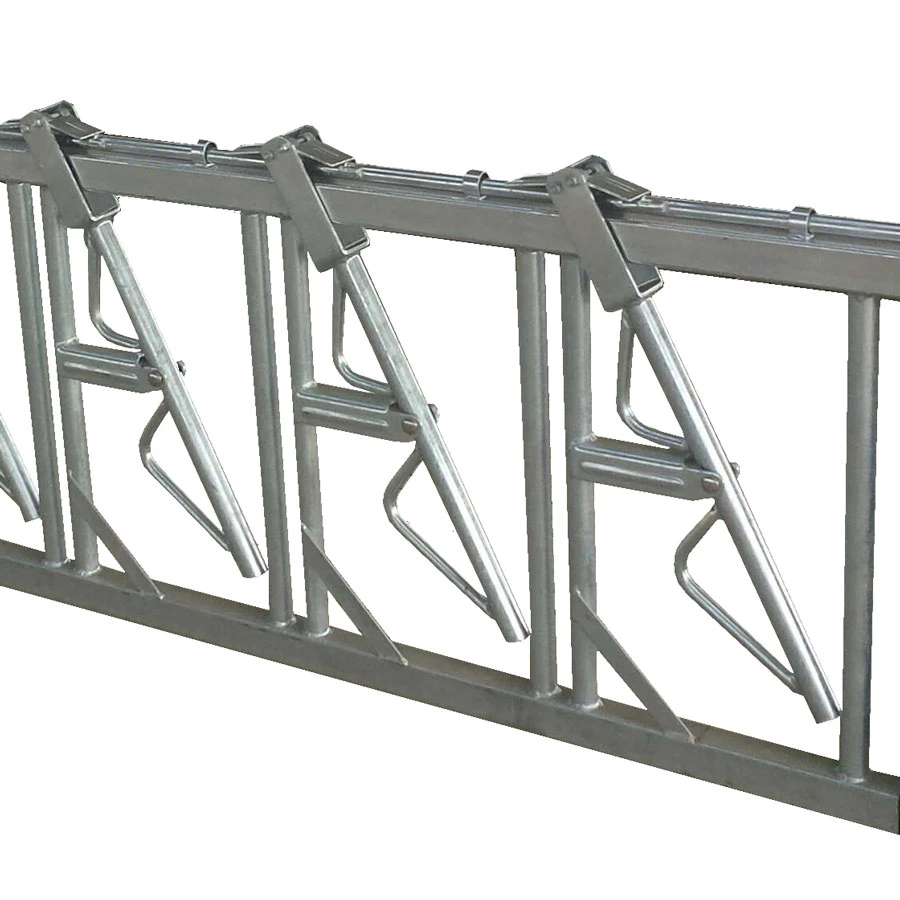
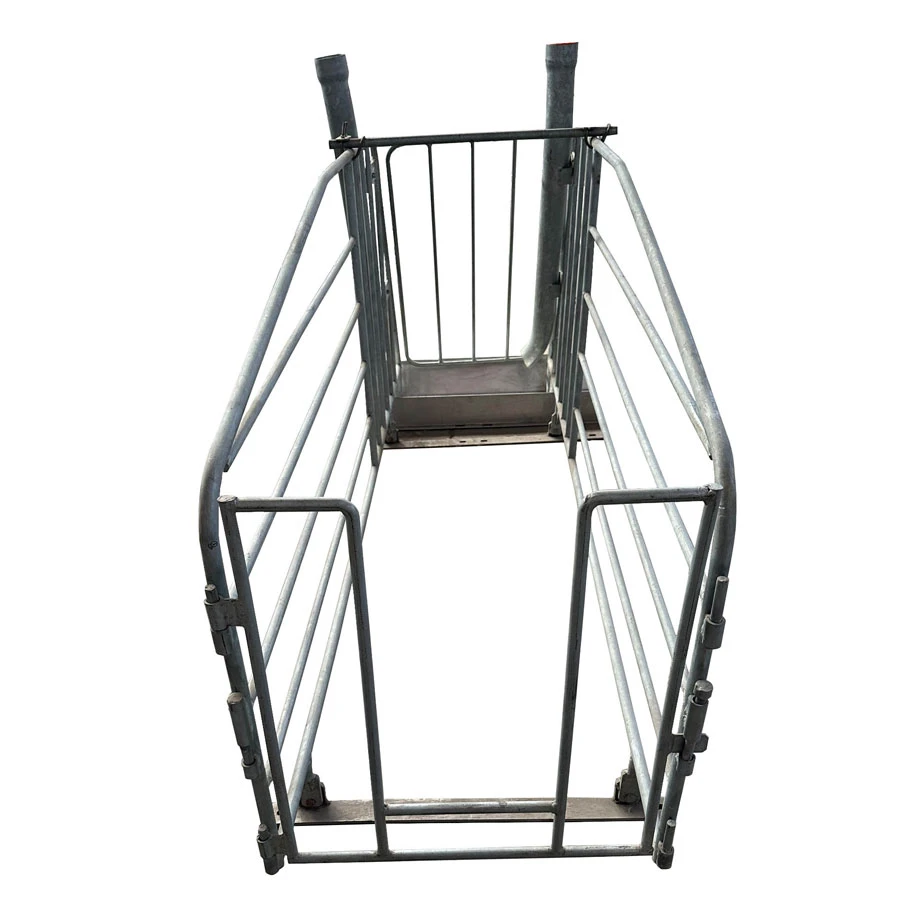
Fattening pens must be constructed from sturdy materials — often galvanized steel or durable wood — to withstand the strength of animals and varying weather conditions. Safety for both livestock and handlers is paramount, which means no sharp edges, secure gates, and adequate spacing to prevent injury.
2. Size and Scalability
Pen size varies depending on animal species and farm scale. Effective design balances space for animal comfort with operational efficiency. Many farms start small and scale up, so modular or expandable pen systems are increasingly popular.
3. Ventilation and Comfort
Proper airflow reduces heat stress and respiratory problems. Covering parts of the pen for shade and ensuring dry bedding are equally vital to a good fattening environment.
4. Feed Management Facilities
Feed troughs or mangers must be easy to clean and refill. Efficient feed distribution directly influences growth rates, so practical layout matters here.
5. Drainage and Waste Handling
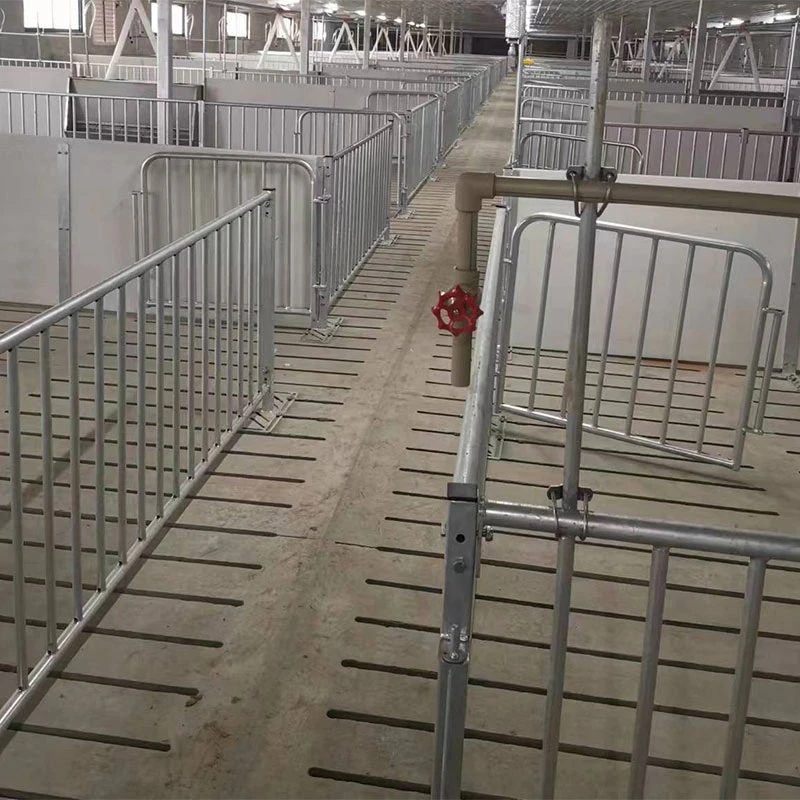
Fattening pens need well-designed drainage to avoid water stagnation, reduce disease risk, and facilitate manure collection, which can be repurposed as fertilizer.
Mini takeaway:
Building or upgrading a fattening pen is more than just fencing animals in. It demands attention to the quality and specifics of design to support animal welfare, boost productivity, and align with sustainable farming goals.
Fattening Pens in Action: Global Use Cases
From the wide plains of Argentina powering beef exports, to the communal small-scale fattening operations in rural Kenya, fattening pens are versatile and adapted to different needs.
- In industrial-scale feedlots (e.g., U.S. Midwest), huge pens equipped with climate controls and automated feeding deliver rapid weight gain but require significant capital.
- In developing countries, affordable, locally constructed pens support backyard farmers to fatten animals for market, boosting incomes and food availability.
- Emergency relief scenarios utilize mobile fattening pen setups to shelter and nurture rescued livestock affected by floods or conflicts, safeguarding a vital asset for farmers.
These practical deployments highlight a resourceful blend of tradition and technology.
Fattening Pen Specification Table
| Feature | Typical Specification | Notes |
|---|---|---|
| Material | Galvanized steel frame with wooden sideboards | Corrosion-resistant for longevity |
| Dimension (per animal) | 12–15 sq feet | Allows ample movement and feeding access |
| Gate Type | Sliding or hinged with locking mechanism | Ensures secure animal containment |
| Flooring | Compacted dirt or concrete with sloping | Facilitates drainage and easy cleaning |
| Shelter | Partial shade roof or tarpaulin covers | Protects animals from sun and rain |
Comparing Top Vendors of Fattening Pen Solutions
| Vendor | Product Range | Customization | Price Range (USD) | Global Reach |
|---|---|---|---|---|
| AgriStructure Co. | Steel & Modular Pens | High | $2,000–$15,000 | North America, Europe |
| FarmEquip Intl. | Wood & Steel Combination | Medium | $1,200–$10,000 | Asia, Africa |
| LivestockTech Ltd. | Automated Feeding Systems | High | $5,000–$25,000 | Global |
Why Invest in a Fattening Pen? Advantages You Can’t Ignore
There’s more than just the numbers behind fattening pens; they touch social and environmental chords, too.
- Improved feed efficiency: Controlled feeding means less waste, faster growth – which ultimately lowers costs and resource use.
- Animal health and welfare: Pens reduce exposure to predators or harsh environments. When designed right, stress lowers, and weight gain improves.
- Economic empowerment: Especially in rural communities, fattening pens amplify income potential and food availability.
- Environmental sustainability: Proper waste management in pens limits soil contamination and optimizes nutrient recycling.
- Innovation readiness: Integrating IoT to monitor behavior, feeding, or climate conditions is becoming feasible and affordable.
What’s Next? Trends and Innovations in Fattening Pen Designs
To think about future fattening pens, digital transformation is key. Smart sensors that track feeding patterns or body condition scoring drones? Already underway.
Material advancements like recycled composites or bamboo-based panels are gaining ground — balancing durability and carbon footprint. Solar-powered automatic feeding stations help farms maintain productivity while reducing energy costs.
Policy-wise, international guidelines (ISO 17283 on animal housing) push for improved welfare standards — a sign that the humble fattening pen won't be stuck in the past for long.
Common Challenges and How They’re Tackled
Despite all the benefits, there are bumps along the way. Limited capital in rural areas, feed quality variations, and pen maintenance still pose hurdles.
Expert tips include modular pen kits for gradual investment, community pooling of resources, and using local materials for easier upkeep. NGOs and startups are partnering to deliver tech-enabled solutions that fit regional realities.
Frequently Asked Questions About Fattening Pen
Q1: How do fattening pens improve livestock productivity compared to free-range grazing?
A1: Fattening pens provide controlled nutrition, reduce energy spent roaming, and allow easy monitoring of animal health. This environment accelerates weight gain and improves feed conversion efficiency compared to free-range systems where variability is high.
Q2: Can small-scale farmers afford to build and maintain fattening pens?
A2: Yes, many low-cost, locally sourced designs exist that balance affordability with durability. Modular pens and cooperative ownership models also help reduce upfront costs and maintenance burdens.
Q3: Do fattening pens pose animal welfare concerns?
A3: When designed with appropriate space, ventilation, hygiene, and enrichment, fattening pens support welfare. Problems arise when overcrowding or poor management occur, so good practices are essential.
Q4: How can I learn more about effective fattening pen construction?
A4: Agricultural extension services, local universities, and organizations like the FAO offer free guidelines. Additionally, resources from vendors specializing in fattening pen equipment often provide detailed specs and consultation.
In Conclusion: The Lasting Impact of Fattening Pens
The fattening pen is much more than a livestock enclosure; it’s a cornerstone of a sustainable and productive agricultural future. Whether you’re a farmer looking to optimize yields, a humanitarian working to restore food systems post-crisis, or an innovator seeking greener cattle management, fattening pens offer practical, scalable solutions.
So, if you’re curious to explore or upgrade your livestock operations, why not start by exploring the latest in fattening pen designs and technologies? The advantages ripple through economies, ecosystems, and communities.
References
Post time: Dec . 02, 2025