Understanding Farrowing Flooring: Why It Matters Globally
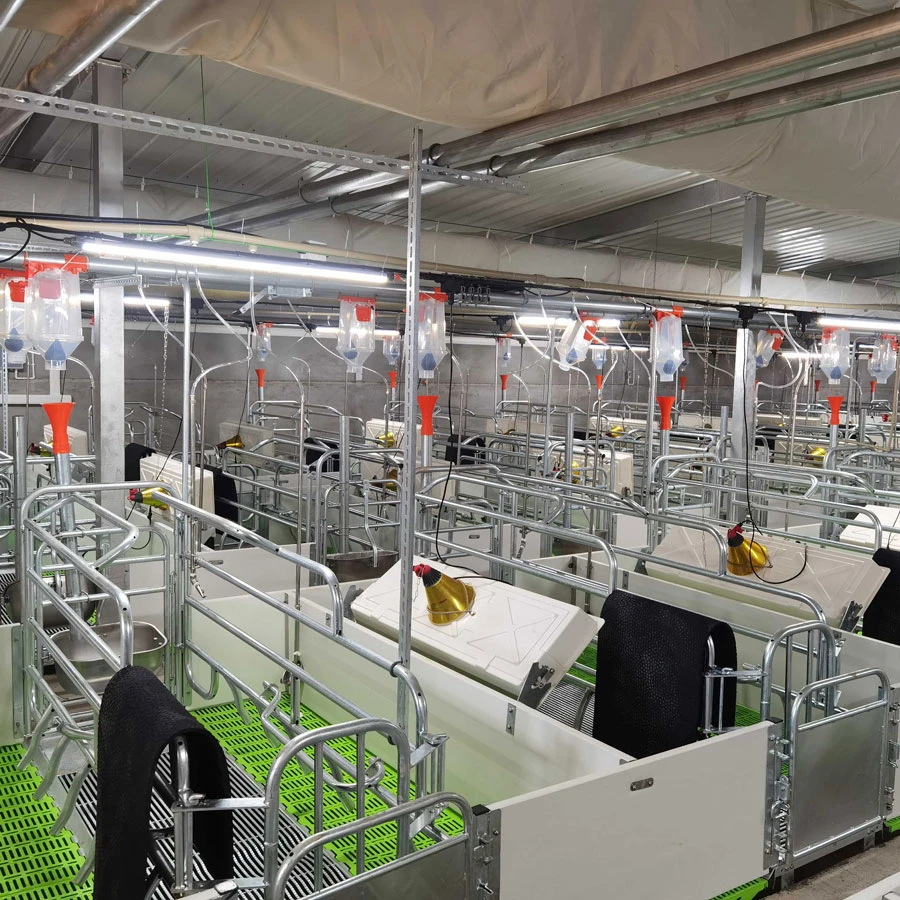
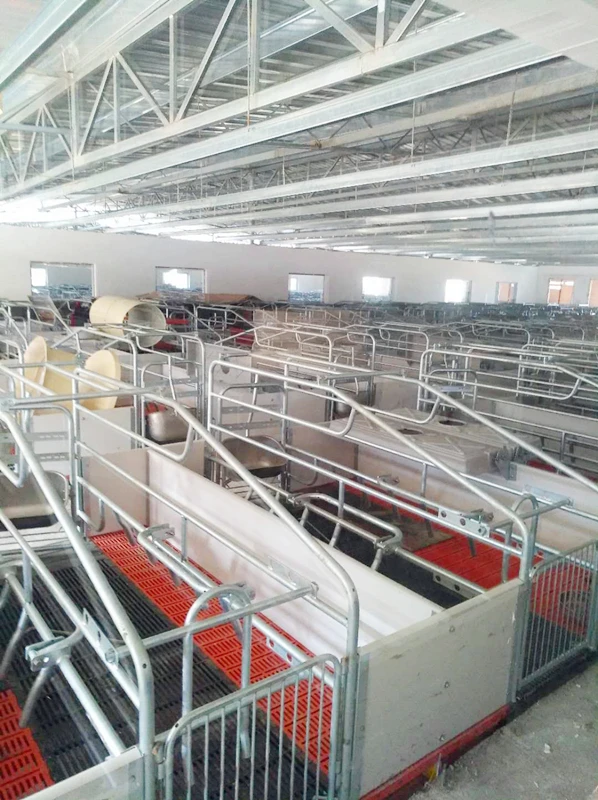
If you’re reading this, chances are you’ve run across the term farrowing flooring somewhere in the livestock or farming world. But beyond the jargon, it’s worth asking: what exactly is farrowing flooring, and why is it so important on a global scale? Simply put, farrowing flooring refers to the specially designed floor surfaces used in sow pens during farrowing — that is, when the mother pig gives birth and nurses her piglets. The design and material of these floors are crucial: they affect animal welfare, productivity, hygiene, and disease control.
Globally, pork production is a critical sector, with the Food and Agriculture Organization (FAO) noting that pig meat accounts for over 36% of the world’s meat consumption. As demand rises, so does the need for careful management practices — and the right farrowing flooring can be a linchpin in this effort.
The Global Context: Why Farrowing Flooring Is More Than Just a Farm Detail
In emerging economies from Southeast Asia to Latin America, smallholder farms often struggle with hygiene and disease prevention in animal husbandry — issues farrowing flooring can directly impact. On a larger scale, industrial farms in Europe and North America face regulatory and ethical pressures to deliver better conditions for sows and piglets alike.
According to the World Bank, improving livestock infrastructure, including farrowing floors, contributes significantly to food security and rural livelihoods. This isn’t about just placing any old concrete slab beneath a pen—it’s about materials, design, drainage, and animal comfort. Problems like piglet crushing, infections, or foot injuries all trace back, in part, to inadequate flooring solutions.
What Exactly Is Farrowing Flooring?
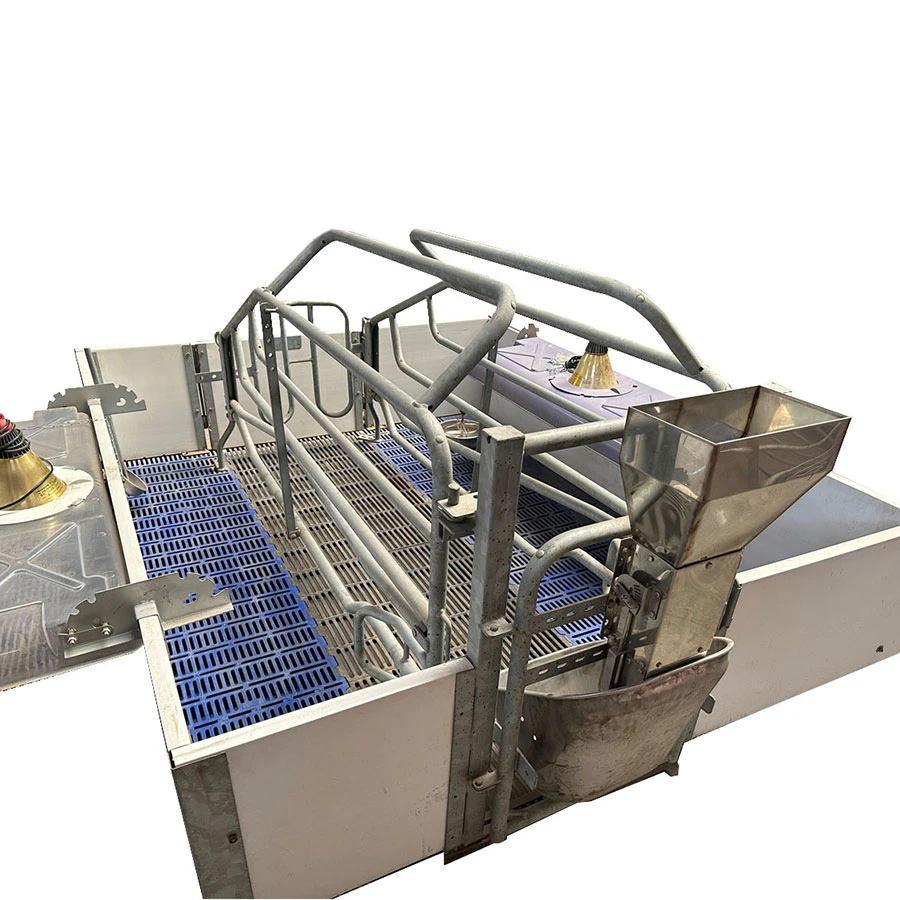
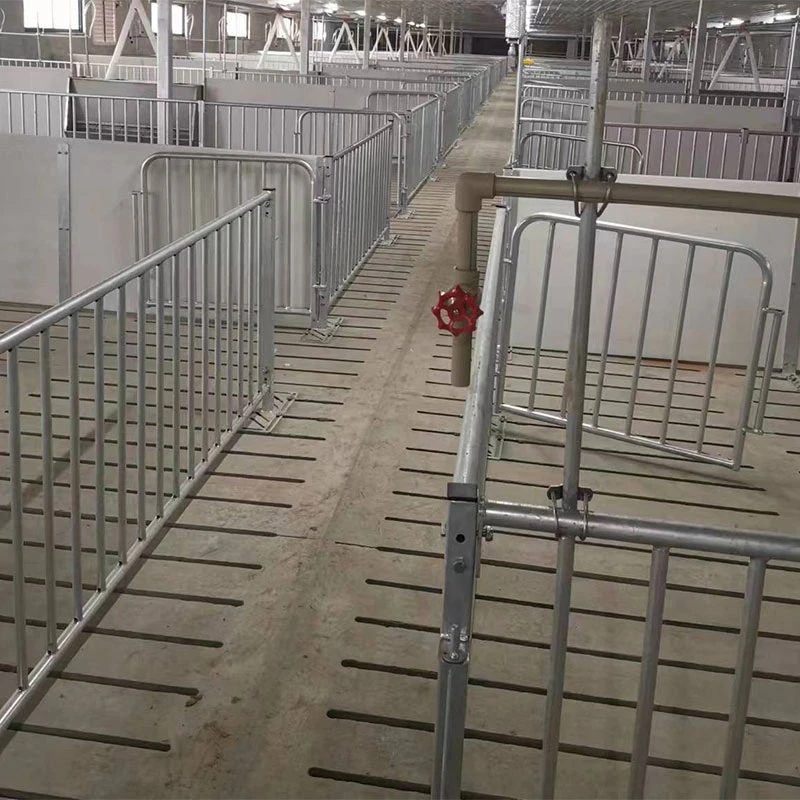
In the simplest terms, farrowing flooring is the floor surface in a farrowing crate or pen where sows give birth and nurture piglets. It’s designed to provide a safe, hygienic, and comfortable environment that supports pig health and welfare. This can include slatted floors, solid floors with bedding, or hybrid types — but the key is optimizing for cleanliness, drainage, durability, and thermal properties.
Think of it as the foundation of a piglet’s first home — except this home also needs to be a mini cleanroom of sorts, with easy waste removal and minimal injury risks. Many modern farrowing flooring products incorporate plastics, metals, or concrete with coatings, reflecting a sort of industrial-but-empathetic design philosophy to meet farming and welfare standards.
Key Features to Look for in Farrowing Flooring
Durability & Strength
These floors have to withstand constant wear not just from the heavy sow but also from cleaning equipment, weather if partially outdoors, and chemical disinfectants. This means robust materials like reinforced concrete or engineered polymers often get the nod. Cracks or warping can cause injuries, so durability isn’t a luxury — it’s a necessity.
Optimal Drainage
Waste management is a big deal. Flooring needs well-engineered slope and slats to ensure urine and feces don’t pool. Standing moisture spikes infection risks and can be disastrous for piglet survival rates. Many farrowing floors use slatted designs to solve exactly this.
Thermal Comfort & Hygiene
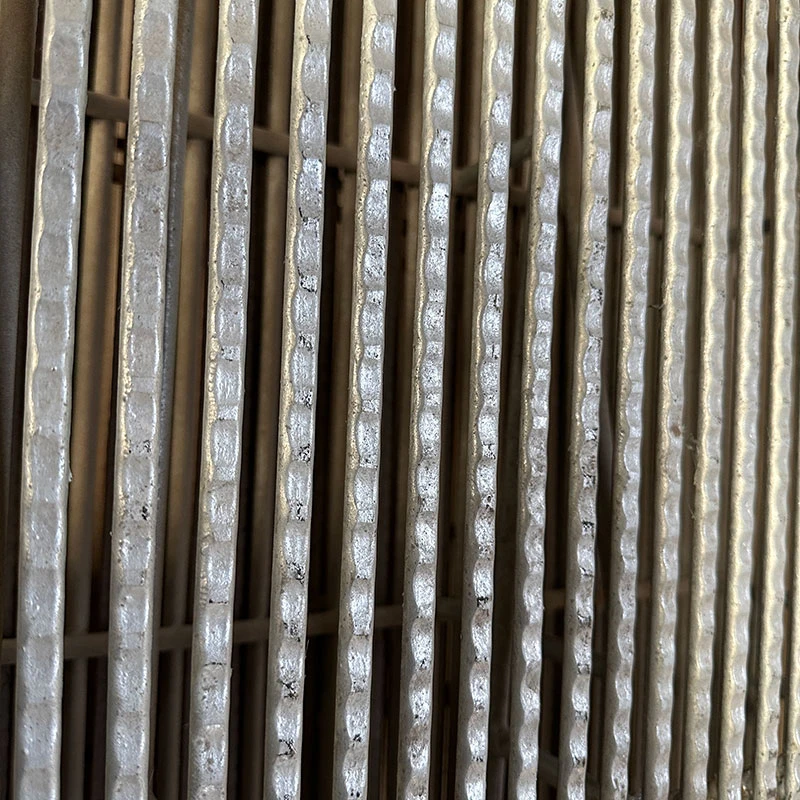
Piglets are especially vulnerable to cold. Flooring that retains too little or too much heat can stress newborns. Some floors incorporate heat pads or materials with suitable thermal mass to keep piglets cozy — which often means better survival. Also, surface texture matters for cleaning ease and reducing microbial buildup.
Cost Efficiency and Maintenance
Farm owners naturally want the best bang for their buck. Flooring that requires less frequent repair or replacement, and cuts labor time in cleaning, is a winner. This also factors into sustainability, reducing resource consumption over the long run.
Practical Applications Across the Globe
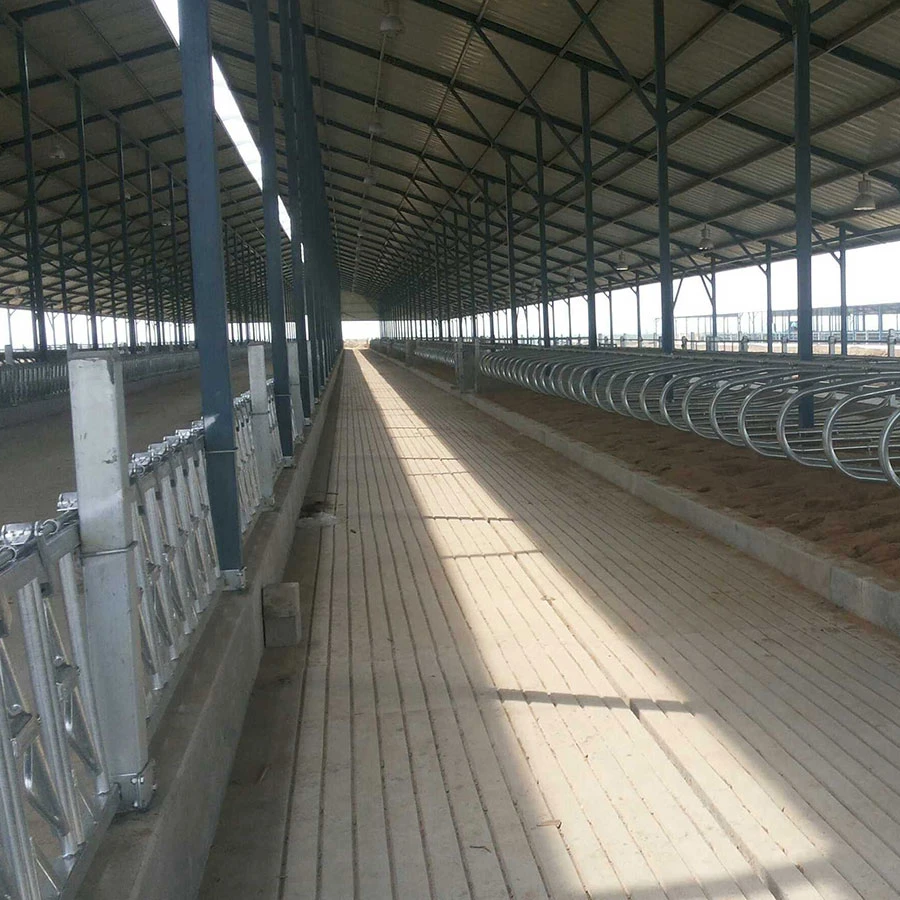
From high-tech farms in Denmark to family-run operations in Vietnam, farrowing flooring solutions vary — but the goals align. In Europe, for example, welfare laws push for systems minimizing piglet crushing and improving sow movement. Hence, slatted floors with non-slip surfaces are common.
Meanwhile, in countries with tropical climates, farrowing flooring might include cooling systems or materials resistant to humidity and pests. Humanitarian and development agencies working to improve rural farming infrastructure also promote better farrowing flooring to boost food security and reduce disease.
One interesting case: a cooperative in Brazil implemented farrowing flooring upgrades that included concrete slatted floors and improved drainage, resulting in a 20% rise in piglet survival rates within a year — that’s a big deal for farmers living hand-to-mouth.
Mini Takeaway:
Choosing the right farrowing flooring is more than a structural decision — it’s tied to animal well-being, farm profitability, and even community livelihoods worldwide.
Why Invest in Quality Farrowing Flooring?
- Improved Animal Welfare: Less injury, better thermal comfort, and cleaner surfaces reduce stress on sows and piglets, contributing to healthier litters.
- Economic Benefits: Increased piglet survival and easier cleaning translate to lower feed and veterinary costs, improving profit margins.
- Environmental Sustainability: Proper drainage and durable floors lower waste runoff and resource use, supporting greener farming.
- Regulatory Compliance: Meeting local and global welfare standards protects farmers from penalties and opens export opportunities.
It’s a blend of logic and emotion, really — farmers feel better when their animals thrive, and we as consumers trust products from farms with high welfare standards.
What’s Next? Trends Shaping the Future of Farrowing Flooring
Technology is slowly weaving itself into this niche. Expect to see:
- Smart Flooring Solutions: Embedded sensors to monitor sow movement, temperature, or moisture levels in real-time.
- Eco-friendly Materials: Biodegradable or recycled composites reducing carbon footprints.
- Automated Cleaning Systems: Robotics or timed wash cycles integrated with floor designs.
- Sustainability Certifications: Green building standards applied to livestock housing infrastructure.
These innovations could push farrowing floors from “just a surface” to a dynamic system influencing animal well-being at scale.
Challenges and How to Address Them
Despite advances, some challenges persist. High upfront costs can deter smaller farmers. Slatted floors sometimes cause hoof injuries if designs are off. Also, regional climate variations demand customized solutions, complicating standardization.
Fortunately, solutions like modular farrowing flooring that can be adapted or expanded as needed are gaining traction. Plus, extension services and NGOs increasingly offer training and financing to support wider adoption globally.
Product Specification Snapshot
| Feature | Typical Material | Benefit | Common Use-Case |
|---|---|---|---|
| Slatted Concrete | High-strength concrete | Excellent drainage, durable | Large commercial farms |
| Plastic Modular Panels | HDPE or polypropylene | Easier installation, gentle on hooves | Small to mid-scale, flexible layouts |
| Solid Floors with Bedding | Concrete or wood base + straw | Comfortable, natural feel but harder to clean | Traditional farms, organic setups |
Vendor Comparison: Leading Farrowing Flooring Providers
| Provider | Specialty | Typical Customers | Price Range (USD) |
|---|---|---|---|
| AgriFloor Solutions | Concrete slatted flooring with reinforced design | Large industrial farms worldwide | $25-$40 / m² |
| PigTech Modular | Plastic modular panels for easy scaling | Small to medium farms, NGOs | $30-$50 / m² |
| EcoFarm Bedding Systems | Bedding-compatible solid floors | Organic and heritage farms | $15-$25 / m² |
Frequently Asked Questions About Farrowing Flooring
Q1: Why is slatted flooring often preferred over solid floors in farrowing pens?
A1: Slatted floors provide superior drainage of urine and feces, reducing moisture buildup. This improves hygiene and lowers disease risks. However, slats must be sized carefully to prevent piglet injuries. Solid floors with bedding offer comfort but require more upkeep to stay clean.
Q2: Can farrowing flooring be used in outdoor or semi-outdoor farrowing systems?
A2: Yes, but materials must withstand weather and temperature extremes. Reinforced concrete with non-slip surfaces or durable modular plastic panels designed for outdoor use are common choices. Proper drainage remains critical to keep animals dry and healthy.
Q3: How does farrowing flooring contribute to piglet survival?
A3: Flooring that maintains good thermal comfort, prevents injuries, and promotes hygiene helps piglets survive the vulnerable farrowing period. For example, floors retaining moderate warmth or allowing heat pads reduce chilling, a major cause of mortality.
Q4: Is upgrading farrowing flooring cost-effective for small farms?
A4: While initial costs can be a hurdle, many farmers report improved survival rates and lower vet expenses offset costs over time. Modular systems offer scalable investments fitting smaller budgets and can enhance welfare standards.
Wrapping It Up: The Long-Term Value of Farrowing Flooring
In the grand scheme, farrowing flooring might seem like just a ‘floor,’ but really it’s the foundation — literally and figuratively — of better pig farming practices worldwide. Whether you’re an industrial farm manager or development agency worker, paying attention to flooring design can yield better animal welfare, economic outcomes, and sustainability.
Fascinated? There’s much more to explore and innovate in this space. For practical insights, product options, and expert advice, be sure to check out our resources on farrowing flooring. Because at the heart of great farming is strong, thoughtful infrastructure.
Mini Takeaway:
Investing in farrowing flooring isn’t just an upgrade — it’s an investment in a safer, cleaner, and more productive future for farms worldwide.
References
Post time: Dec . 02, 2025