Understanding the Importance of a Reliable Fence for Pigs
When you think about livestock management, fences might seem like a no-brainer. But the fence for pigs is actually a vital piece of agricultural infrastructure that’s both simple and essential worldwide. Why does it matter? Well, keeping pigs contained is more than about boundaries — it’s about safety, productivity, and sustainable farming. Around the globe, pig farming supports millions of livelihoods, and well-designed fencing is often the unsung hero behind healthy herds and stable food supplies.
According to the Food and Agriculture Organization (FAO), pig production accounts for over a third of the world’s meat consumption, making efficient livestock containment a global priority. But there’s more at stake. Proper fencing reduces disease transmission, prevents environmental degradation, and upholds animal welfare standards. So, understanding fences for pigs isn’t only for farmers—it's crucial for anyone invested in food security or rural development.
The Global Context: Why A Fence for Pigs Matters More Than Ever
Pig farming isn’t just a rural affair; it’s an industry with significant economic and social implications worldwide. The UN reports that approximately 970 million pigs are raised globally, illustrating how integral effective fencing is to managing those numbers safely. Particularly in densely populated or vulnerable regions, pig fences help mitigate risks of animal escapes, which can cause agricultural damage and spread diseases like African Swine Fever.
But here’s a challenge: traditional fencing materials and designs don’t always work everywhere. In tropical regions, the climate can accelerate wear and tear. In developing countries, cost and availability of materials can pose hurdles. And in fast-growing farming operations, scalability and adaptability become critical.
Hence, the fence for pigs addresses these practical challenges — helping farmers keep pace with growing demand while protecting both animals and land.
What Exactly Is a Fence for Pigs?
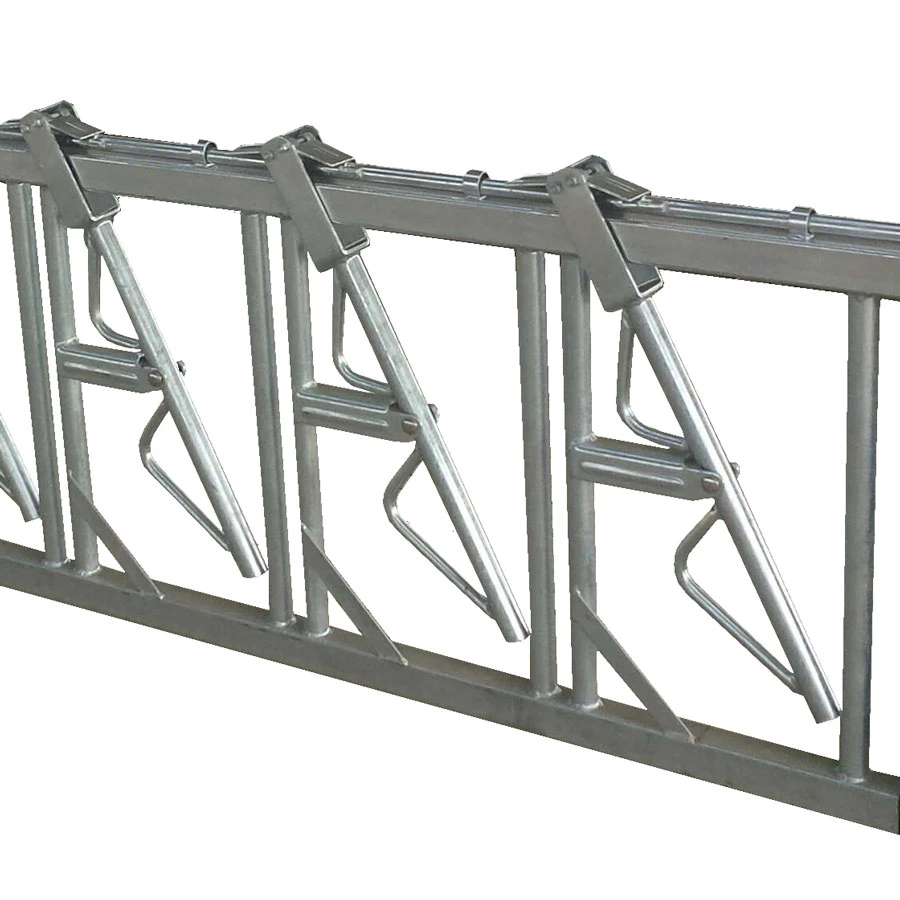
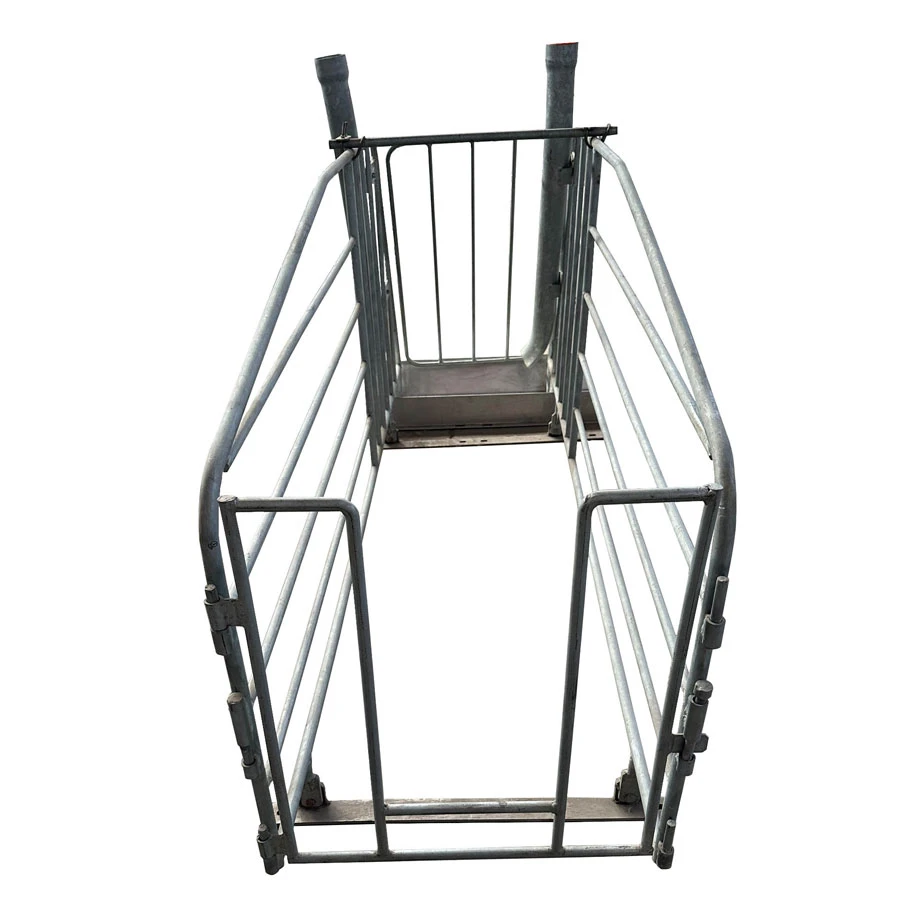
Simply put, a fence for pigs is a structure—usually made from wire, metal, or other durable materials—designed to contain pigs within a defined area. But it’s more than a barrier; it’s tailored to the unique behaviors of pigs who are strong, curious, and prone to rooting and pushing. Modern designs often include features like flexible mesh, smooth wires to avoid injury, and adequate height to prevent escapes.
This kind of fencing is closely connected to contemporary farming needs, where animal welfare, productivity, and environmental concerns mesh tightly. In humanitarian contexts, such as after natural disasters or in refugee camps, quickly deployable pig fences help communities revive local livestock economies, often the backbone of food security and income.
Core Components of Effective Pig Fences
1. Durability
One can’t overstate how essential durable materials are. Pigs don’t respect flimsy — they push, nudge, and sometimes chew. That’s why galvanized steel or high-tensile wire meshes, often coated to resist rust, are popular choices. Durability means lower maintenance and longer service life, which is wallet-friendly in the long run.
2. Scalability & Flexibility
Farming operations grow, and fencing needs to keep up. Modular fence panels and adjustable heights help farmers scale their pig habitats without costly overhauls. Flexibility also means easier repair after damage.
3. Cost Efficiency
Budget-friendly doesn’t mean cheap. The sweet spot is materials and design that balance upfront costs with lifespan and performance. For smallholder farmers, access to affordable options can be life-changing.
4. Animal Safety & Welfare
A pig-friendly fence avoids sharp edges, uses smooth wires, and allows animals to interact naturally without injury. After all, safe animals are productive animals.
5. Ease of Installation
Fast and simple to install fences save time and labor. In emergency or developing contexts, fences that don’t require heavy machinery or specialized tools get pigs contained quicker — a practical boon.
Product Specification Table for a Typical Fence for Pigs
| Feature | Description |
|---|---|
| Material | Galvanized steel wire mesh, PVC coated |
| Height | 1.2 meters (adjustable panels available) |
| Mesh size | 50 x 50 mm opening for hoof safety |
| Wire gauge | 16 gauge high-tensile wire |
| Installation | Modular panels with pole stakes included |
| Expected lifespan | 7–10 years with proper maintenance |
Where Are Pig Fences Making a Difference Around the World?
It’s fascinating how something as basic as a pig fence can influence diverse ecosystems and economies. In Southeast Asia, where smallholder pig farming is a livelihood for millions, fences reduce conflicts with neighbors and wildlife. African countries deploying fences post-epidemic help contain outbreaks and rebuild herds.
In developed countries, precision livestock farming integrates pig fences with sensor tech for monitoring health and movements, boosting efficiency and welfare simultaneously.
Even in disaster recovery zones, portable fences help displaced farmers quickly restart pig rearing—crucial for survival and income restoration. For example, NGOs in Haiti and the Philippines have developed rapid-deploy pig fencing kits suitable for tropical climates and rough terrain.
Comparing Popular Vendors of Pig Fences
| Vendor | Material | Cost Range (USD) | Features | Best For |
|---|---|---|---|---|
| AgriFence Solutions | Galvanized steel, PVC-coated | $200–$350 / 10 panels | Modular, easy install, UV resistant | Medium farms, temperate zones |
| PigSafe Systems | Synthetic mesh with steel frame | $400–$600 / 10 panels | Lightweight, portable, anti-rust | Disaster relief, smallholders |
| RuralCraft | High-tensile wire mesh | $150–$300 / 10 panels | Economical, robust, local supply | Small farms, budget-sensitive |
The Advantages and Long-Term Value of Good Pig Fencing
Investing in a quality pig fence pays off beyond just keeping fences intact. First up, it drives down replacement and repair costs thanks to durable materials. Environmentally, good fences mean less damage to adjacent farmland and waterways, preserving ecosystems.
Socially, farmers gain peace of mind—knowing their hogs are safe, healthy, and protected against predators or theft. There’s a dignity factor too; proper fencing aligns with better animal welfare practices, which consumers and regulators increasingly demand.
Innovations like integrated gates, sensor attachments, or solar-powered deterrents turn fences from static barriers into smart livestock management tools, blending tradition with technology.
Future Trends & Innovations in Pig Fencing
Looking forward, pig fences are evolving with materials like biodegradable composites that reduce environmental footprints. Digital transformation plays a part too — GPS-based monitoring, motion sensors, and IoT devices are making pig pens smarter.
Automated gates and electric fencing with solar support are becoming accessible even for smaller farms, improving energy efficiency and response times. In some regions, regulations now encourage fences that are wildlife-friendly while still secure.
All this means that fences for pigs may soon look less like a traditional enclosure and more like integrated parts of a broader smart-farming ecosystem — which is, frankly, pretty exciting.
Common Challenges and Solutions in Pig Fencing
Despite advances, challenges remain. In tropical climates, corrosion and mold can degrade fences faster than expected. Poor installation or low-quality materials cause premature failures. Some pig breeds root aggressively and challenge weaker fencing types.
Solutions? Recommend galvanizing or coating metal surfaces, scheduling regular maintenance, and choosing designs suited to specific pig behavior. Employing modular, replaceable panels helps local repairability. And in tricky terrains, hybrid fence designs combining earthworks with mesh can work wonders.
FAQ: Frequently Asked Questions About Fence for Pigs
- Q1: What is the best material for pig fence in humid climates?
- A: Galvanized steel wire mesh with a PVC coating is typically recommended. It prevents rusting and withstands moisture better than untreated steel or wood.
- Q2: How high should a pig fence be to prevent escapes?
- A: Usually, a height of 1.2 meters (approximately 4 feet) is sufficient for most breeds. However, some active or larger pigs may require slightly higher fencing.
- Q3: Can electric fencing be used for pig containment?
- A: Yes, but it should be combined with strong physical barriers. Electric fences deter pig pushing but alone may not handle rooting or stubborn pigs effectively.
- Q4: How often should pig fences be inspected and maintained?
- A: Regular inspections every 3–6 months are advisable. Promptly repairing holes or sagging can prevent escapes and reduce overall maintenance costs.
- Q5: Are portable pig fences practical for smallholder farmers?
- A: Absolutely. Portable fences offer flexibility, especially for rotational grazing or emergency setups. They can be light, easy to install, and adapt to changing farm needs.
Wrapping It Up: Why a Thoughtful Fence for Pigs Pays Dividends
All in all, a well-chosen fence for pigs is a cornerstone of efficient, safe, and humane pig farming. It supports global food security, environmental stewardship, and farmer livelihoods alike. If you’re curious about options that combine durability, cost-efficiency, and smart design, why not explore some innovative solutions tailored to your needs?
Visit our website at https://www.cxlivestock.com to discover a variety of fencing options that can transform the way you manage your pigs.
Thanks for hanging out with me on this fence talk — it’s sometimes the smallest barriers that have the biggest impact.
Post time: Dec . 02, 2025