Understanding Environmental Control Systems for Poultry Houses
When you think about poultry farming, you might picture a barn full of clucking birds or crates stacked in a warehouse. But underneath that simple image lies a complex challenge: how to keep these animals comfortable, healthy, and productive. That’s where the environmental control system for poultry houses comes in—a blend of technology, design, and sustainability aiming to optimize conditions on a global scale.
Why does it matter? Well, poultry farming feeds billions, supports livelihoods worldwide, and when done wrong, can have environmental or ethical consequences. Understanding how modern systems work and why they’re essential is more than just industry jargon; it’s about balancing efficiency with welfare and sustainability.
The Global Context: Why Environmental Control Systems Are More Crucial Than Ever
Globally, poultry production has doubled in the last two decades, according to the FAO. Rising demand means farmers are under pressure to scale up without sacrificing animal welfare or environmental health. The United Nations estimates the world population will reach nearly 10 billion by 2050, increasing the need for efficient food production technologies.
Yet farmers in many regions still face unpredictable climates, disease outbreaks, and energy costs. Without proper control systems, poultry houses can become breeding grounds for illness, reduce growth rates, and increase mortality. The ISO 14462 clearly recommends environmental monitoring to boost productivity and sustainability.
In short: poultry farmers have to juggle economics, animal care, and the environment. These systems aren’t just "nice to have"—they’re a core solution to real challenges.
Mini Takeaway
The growing global demand for poultry underscores the need for sophisticated environmental control systems to ensure health, productivity, and sustainability.
What Exactly Is an Environmental Control System for Poultry Houses?
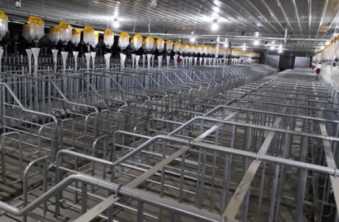
Simply put, it’s a collection of technologies and methods designed to control airflow, temperature, humidity, lighting, and air quality inside poultry housing. Think of it as the "climate control center" of a massive chicken coop that balances everything from ventilation fans to sensors to heating units.
It's similar to the HVAC system in your home but far more nuanced because it needs to mimic ideal conditions for thousands of birds simultaneously, adjusting dynamically as weather or flock needs change. Beyond comfort, it also minimizes disease risk and improves feed efficiency—two big wins for farmers.
Core Components of Environmental Control Systems
1. Ventilation and Airflow Management
Proper ventilation removes harmful gases like ammonia and controls humidity. Many systems use adjustable fans, air exchange vents, and ducting to keep fresh air flowing evenly. Oddly enough, too much ventilation can cause chill stress, so balance is key.
2. Temperature Regulation
Poultry are sensitive to temperature swings. The system integrates heaters or coolers with precise thermostats to maintain the ideal range (usually 18–24°C for broilers). Advanced setups use heating mats and cooled pads for spot treatment.
3. Humidity Control
Humidity impacts bird health and litter quality. Sensors monitor moisture levels, and systems may include misting or dehumidifying stations to keep things balanced. Too dry? Respiratory issues. Too damp? Disease risk rises.
4. Lighting Systems
Lighting affects growth and behavior; many systems use programmable LED lights to mimic natural cycles. This encourages feeding and resting patterns that promote welfare and productivity.
5. Monitoring and Automation
Modern environmental control systems include digital sensors, cloud-based control panels, and app reminders. Automation adjusts system components in real-time—kind of like a thermostat with a brain.
6. Durability and Adaptability
Since farms can be remote or subject to weather extremes, robust construction and the option to scale the system up or down are practical necessities.
Mini Takeaway
These core features come together to create a controlled, optimized environment that helps farmers manage their flocks more efficiently and humanely.
Environmental Control Systems for Poultry Houses in Action Worldwide
From rural farms in Southeast Asia to large-scale operations in the U.S., these systems have become indispensable. For example:
- In the U.S., automated ventilation systems have reduced respiratory diseases by up to 30%, according to a 2022 USDA report.
- Smallholder farmers in Africa benefit from solar-powered environmental control kits, helping beat electricity shortages while improving poultry survival rates.
- In Europe, regulations require farms to demonstrate environmental standards, pushing widespread adoption of integrated control systems.
Oddly enough, one case study from Vietnam showed that installing a basic environmental control system doubled egg production in just one season—something that local farmers hadn't dared hope for.
Why Are These Systems Worth the Investment?
- Cost savings: Improved feed conversion ratios and less disease mean less money down the drain.
- Animal welfare: Healthier, less stressed birds are more productive and reduce ethical concerns.
- Sustainability: Reduced ammonia emissions and energy-efficient designs align with global environmental goals.
- Reliability: Automated systems lower the need for constant manual intervention, reducing labor costs.
- Innovation: Farmers gain more control and insight with real-time data, improving decision-making.
Innovations and Future Trends
Just when you think these systems couldn’t get smarter, the industry pushes on:
- IoT and AI integration: Systems using machine learning to predict flock needs and optimize energy use.
- Renewable energy: Solar and wind-powered environmental control units reduce carbon footprints.
- Eco-friendly materials: Moving toward biodegradable or recyclable system components.
- Remote monitoring: Apps allowing farmers to check conditions and adjust settings from miles away.
- Modular designs: Quick-to-install, scalable solutions tailored for different farm sizes.
Facing Challenges Head-On
That said, adopting environmental control systems isn’t always plain sailing. Common hurdles include high upfront costs, lack of technical know-how among farmers, and infrastructure challenges like unreliable electricity. For instance:
- Cost barriers: Many small farms can’t afford full automation upfront.
- Maintenance issues: Without local services, breakdowns can be long and costly.
- Climate unpredictability: Extreme weather events sometimes override system capabilities.
Innovations like solar power integration, training programs, and flexible financing are helping tackle these. I heard from an expert recently that the key is to design systems with the user in mind, balancing tech features with local realities.
Frequently Asked Questions About Environmental Control Systems for Poultry Houses
- Q: How does an environmental control system improve bird health?
- A: By regulating temperature, humidity, ventilation, and lighting, these systems reduce environmental stressors that cause disease and poor growth, leading to healthier flocks.
- Q: Are these systems expensive to install and maintain?
- A: Costs vary with complexity and scale. While upfront investment can be significant, many farms experience savings on feed and vet bills, making it cost-effective long-term.
- Q: Can small farms benefit from such systems, or is it only for industrial operations?
- A: Scalable solutions exist for smallholders as well, often combining solar power and simple automation to overcome infrastructure limits.
- Q: How do environmental control systems address sustainability?
- A: They optimize energy use, reduce emissions like ammonia, and can integrate renewable energy sources — all reducing environmental impact.
- Q: Is it difficult to retrofit older poultry houses with these systems?
- A: Retrofitting is feasible but can require structural adjustments. Many vendors offer modular kits designed for easy integration.
Product Specification Table: Sample Environmental Control System
| Feature | Specification | Details |
|---|---|---|
| Ventilation | Variable speed fans | Adjust airflow up to 12,000 m³/h |
| Temperature Control | Digital thermostat & heaters | Range 10°C to 40°C |
| Humidity Sensors | Humidity & moisture sensors | Maintains 50%-70% relative humidity |
| Lighting | Programmable LED | Day/night cycles with dimming |
| Control Interface | WiFi-enabled touchscreen | Remote access via mobile app |
Comparing Leading Vendors of Poultry Environmental Control Systems
| Vendor | Strengths | Suitable For | Price Range |
|---|---|---|---|
| AgriClimatePro | Highly customizable, AI-powered automation | Large commercial farms | $$$ (premium) |
| Eco-Poultry Systems | Solar-powered options, eco-friendly materials | Small and medium farms in remote areas | $$ |
| FarmSmart Tech | Affordable basic models, easy installation | Smallholder farms and startups | $ |
Wrapping Up: Why These Systems Matter Long Term
In the end, an environmental control system for poultry houses is less about gadgets and more about balance – balancing nature with technology, productivity with welfare, cost with sustainability. The best producers know this balance is fragile yet vital.
If you’re considering boosting your poultry operation’s efficiency or starting anew with modern tech, now is the time. The future is digital, green, and smarter — and these systems could make all the difference.
Visit our website: https://www.cxlivestock.com to learn more about smart environmental control systems that fit your farm.
Mini Takeaway
Optimized environmental control in poultry houses is a cornerstone of modern agriculture that delivers health, sustainability, and economic advantages.
References
Post time: Dec . 02, 2025