Efficient hydration management is a cornerstone of successful livestock husbandry, particularly in small ruminant farming where access to clean water directly correlates with growth rates and overall health. The implementation of a specialized goat water trough ensures that animals have a consistent, uncontaminated water source, reducing the risk of waterborne diseases and behavioral stress within the herd.
Across the global agricultural landscape, the shift toward automated and semi-automated watering systems has revolutionized how farmers manage their resources. By utilizing a high-quality goat water trough, producers can significantly minimize water wastage and labor costs associated with manual filling and cleaning, allowing for a more scalable approach to herd expansion.
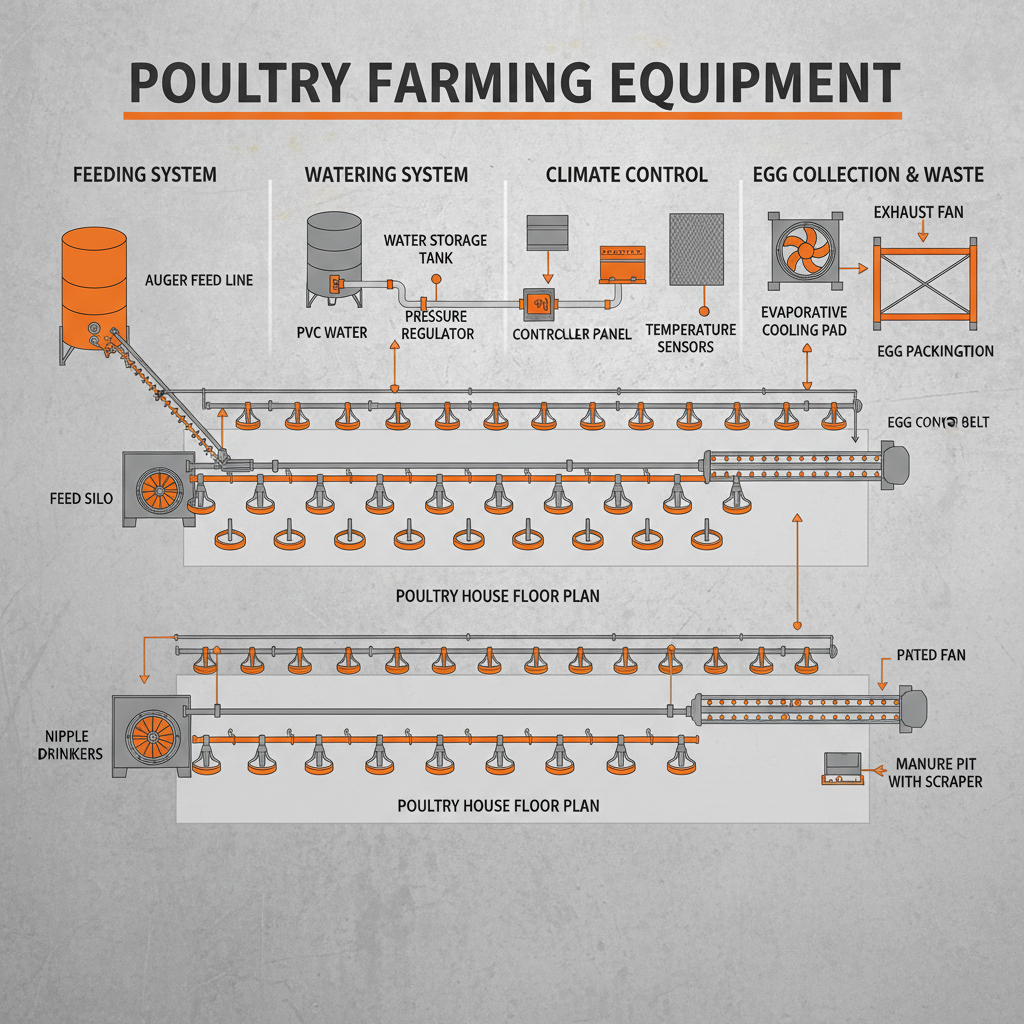
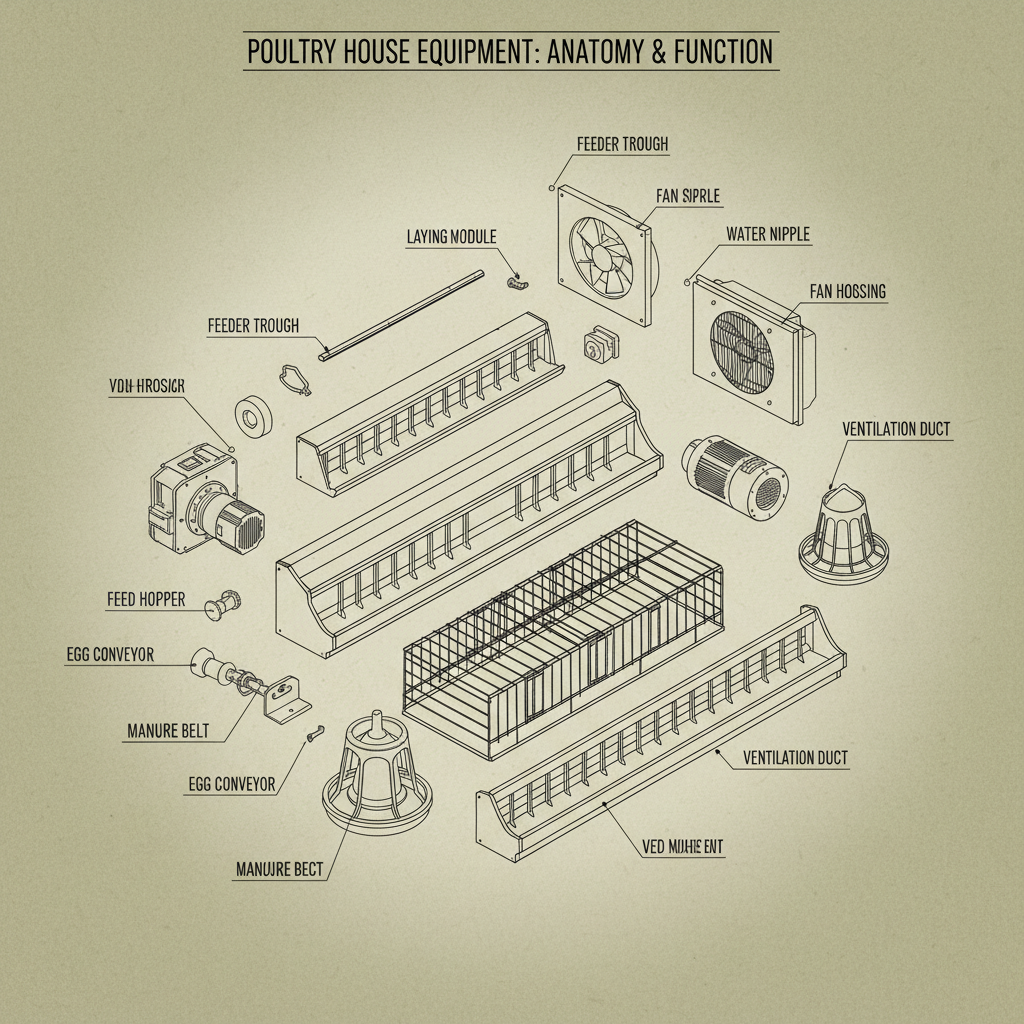
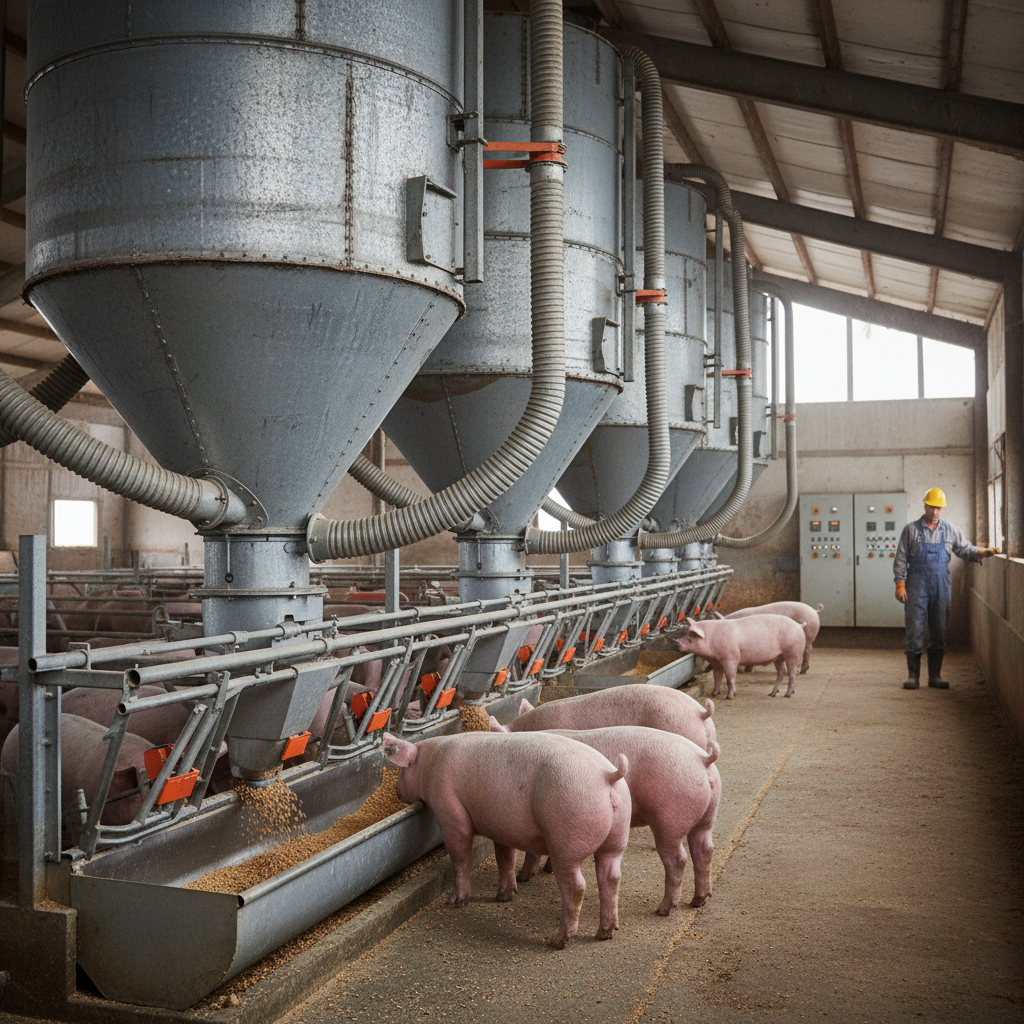
Integrating these systems into a broader framework of livestock equipment—ranging from feeding systems to climate control—creates a synergistic environment for animal welfare. Investing in a durable goat water trough is not merely a purchase of hardware, but a strategic move toward optimizing the operational efficiency of a modern farm.
Global Relevance of Goat Water Troughs
The global demand for goat products, including milk and meat, has seen a steady rise, pushing farmers to adopt more scientific management practices. In regions where water scarcity is a pressing issue, the efficiency of a goat water trough becomes critical to ensure that every drop of water is utilized effectively without excessive evaporation or contamination.
Industry data suggests that optimized hydration systems can improve livestock productivity by up to 15% by reducing stress and illness. This makes the deployment of standardized, high-quality watering equipment a priority for commercial farms seeking to align with international livestock welfare standards.
Defining the Modern Goat Water Trough
A goat water trough is a specialized containment vessel designed to provide a clean and accessible water supply for goats. Unlike general-purpose buckets, these troughs are engineered to withstand the physical rigors of livestock behavior, such as nudging and stepping, while maintaining a constant water level.
In the context of modern industry, these troughs are often integrated into larger automated systems. By connecting a goat water trough to a float-valve system or an automatic refill line, farmers can eliminate the daily chore of manual filling, ensuring that animals never face periods of dehydration.
Beyond simple functionality, the modern trough serves as a hygienic barrier. By elevating the water source and using non-porous materials, it prevents the accumulation of algae and the entry of debris, which is essential for maintaining the health of the animal's digestive and immune systems.
Core Components for Durability and Hygiene
The effectiveness of a goat water trough depends heavily on its material composition. High-density polyethylene (HDPE) or galvanized steel are commonly used to ensure the structure does not corrode or leak over time, providing a stable environment for the herd.
Hygiene is maintained through the integration of smooth interior surfaces in the goat water trough, which prevent biofilm buildup. Additionally, the inclusion of drainage plugs allows for rapid cleaning and disinfection, which is a critical requirement for disease prevention in high-density farming.
Scalability is another core factor, where modular trough designs allow farmers to expand their watering capacity as the herd grows. This flexibility ensures that the goat water trough remains an asset rather than a limitation during the farm's growth phases.
Performance Metrics in Hydration Systems
When evaluating the efficiency of watering equipment, farmers look at several key performance indicators including water waste levels, cleaning frequency, and animal accessibility. A well-designed goat water trough should minimize splashing and spilling while providing enough space for multiple animals to drink simultaneously.
Comparing different styles of troughs reveals that automated float-valve models generally outperform manual troughs in terms of labor reduction and water consistency. The following data illustrates the comparative ratings of various trough configurations based on operational efficiency.
Efficiency Ratings of Goat Water Trough Configurations
Global Applications and Use Cases
In large-scale commercial operations across North America and Europe, the goat water trough is often part of a fully integrated automated system. These systems use sensors to monitor water levels and quality, ensuring that the herd has a continuous supply of potable water without human intervention.
In developing agricultural zones, such as parts of Africa and Asia, the focus shifts toward low-maintenance, high-durability troughs. In these remote industrial zones, a robust goat water trough that can be easily repaired with local materials is highly valued, providing a reliable way to secure animal health in challenging environments.
Long-Term Value and Sustainability
The long-term value of investing in premium watering equipment manifests in reduced veterinary costs and improved animal growth rates. A high-quality goat water trough reduces the incidence of water-borne parasites, which can otherwise lead to significant losses in herd productivity and weight gain.
From a sustainability perspective, automated troughs significantly lower the water footprint of a farm. By preventing overflow and leakage, the goat water trough helps farmers conserve precious water resources, aligning their operations with global environmental goals and reducing waste.
Beyond the logical benefits, there is an emotional component of animal welfare. Providing clean, easy-to-access water through a proper goat water trough reduces animal competition and stress, fostering a calmer environment that benefits both the livestock and the handlers.
Future Innovations in Watering Technology
The future of livestock hydration is leaning heavily toward digital transformation. We are seeing the emergence of "smart" troughs that can detect when a specific animal is drinking, allowing farmers to monitor individual water intake as a proxy for health monitoring and early disease detection.
Material science is also evolving, with the introduction of antimicrobial coatings for the goat water trough. These coatings actively inhibit the growth of bacteria and algae, further reducing the need for chemical cleaners and manual scrubbing, making the system more eco-friendly.
Integration with IoT (Internet of Things) will soon allow the goat water trough to alert farm managers via smartphone when water quality drops or when a leak is detected in the supply line, ensuring zero downtime in hydration services.
Analysis of Goat Water Trough Technology Trends
| Technology Level |
Primary Material |
Maintenance Effort |
Efficiency Score |
| Traditional Manual |
Concrete/Plastic |
High |
4/10 |
| Basic Automated |
Galvanized Steel |
Medium |
7/10 |
| Advanced HDPE |
High-Density Poly |
Low |
8/10 |
| IoT Integrated |
Composite/Steel |
Very Low |
10/10 |
| Antimicrobial |
Coated Poly |
Low |
9/10 |
| Solar Powered |
Mixed Materials |
Medium |
8/10 |
FAQS
The best material depends on your environment, but High-Density Polyethylene (HDPE) and galvanized steel are top choices. HDPE is favored for its corrosion resistance and ease of cleaning, while galvanized steel offers superior physical durability against aggressive livestock. Both prevent water seepage and provide a hygienic drinking surface.
For optimal health, troughs should be scrubbed and disinfected at least once a week. However, if you use an automated system with antimicrobial coatings, the interval may be extended. Regular cleaning prevents the growth of algae and the buildup of biofilms that can harbor harmful bacteria.
Yes, many troughs designed for goats are also suitable for sheep or calves due to similar height and drinking requirements. However, for larger cattle, a larger capacity and more robust mounting system would be necessary to handle the increased weight and pressure.
Installing a high-precision float valve is the most effective way to prevent overflow. Additionally, ensuring the trough is placed on a level surface and using "anti-splash" rims can significantly reduce water loss caused by animals playing with the water.
While the initial cost is higher than manual buckets, the long-term ROI is significant. You save hundreds of hours in labor and reduce water waste. When factored into the increased health and growth rates of the animals, automated troughs usually pay for themselves within the first year.
The best method is to elevate the trough off the ground using support brackets. This prevents goats from stepping into the water or kicking dirt into it. Using a trough with a narrow opening or integrated guard rails can also discourage animals from climbing into the vessel.
Conclusion
Optimizing livestock hydration through the use of a high-quality goat water trough is a fundamental step toward professional farm management. By focusing on durable materials, hygienic designs, and automated delivery systems, farmers can ensure their herds remain healthy, productive, and stress-free while simultaneously reducing operational labor and water waste.
As we move toward an era of precision agriculture, the integration of smart technologies into watering systems will further refine animal care. We encourage producers to evaluate their current hydration infrastructure and upgrade to modern solutions that prioritize both animal welfare and environmental sustainability. Visit our website: www.cxlivestock.com