What Is a Hog Self Feeder and Why Does It Matter?
If you’re managing hogs, you probably know that feeding isn’t just about tossing food around—it’s a balancing act of efficiency, animal welfare, and cost savings. That’s where the humble hog self feeder steps into the limelight. These are devices designed to let pigs eat freely, without constant human intervention, improving health outcomes and farm productivity globally.
Why does this matter? You’d be surprised — the global pig farming market is projected to reach nearly $300 billion by 2027 (Statista 2023), and at a time when food security and sustainable livestock farming are growing challenges, understanding how to optimize feeding systems like hog self feeders can genuinely impact economies and communities worldwide.
Global Context: Feeding the World’s Pigs, One Self Feeder at a Time
Pig farming, as an agricultural mainstay, is particularly vital in Asia, Europe, and parts of the Americas. According to the UN Food and Agriculture Organization (FAO), pigs constitute about 36% of global meat production. But feeding millions of hogs efficiently is a perennial challenge. Traditional feeding methods often lead to feed waste, uneven consumption, and animal stress—all factors dents farm profitability and sustainability.
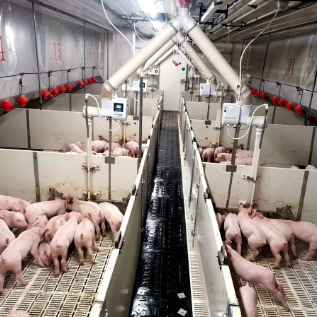
Hog self feeders are increasingly deployed to address these challenges by automating the feed delivery process and ensuring pigs feed at their own pace. As farms scale up, and labor costs climb, these feeders become central to maintaining balance. Plus, they uphold biosecurity standards by minimizing human contact.
Mini takeaway: Self feeders reduce labor, optimize feed use, and contribute to healthier herds—key in meeting rising food demand sustainably.
So, What Exactly Is a Hog Self Feeder?
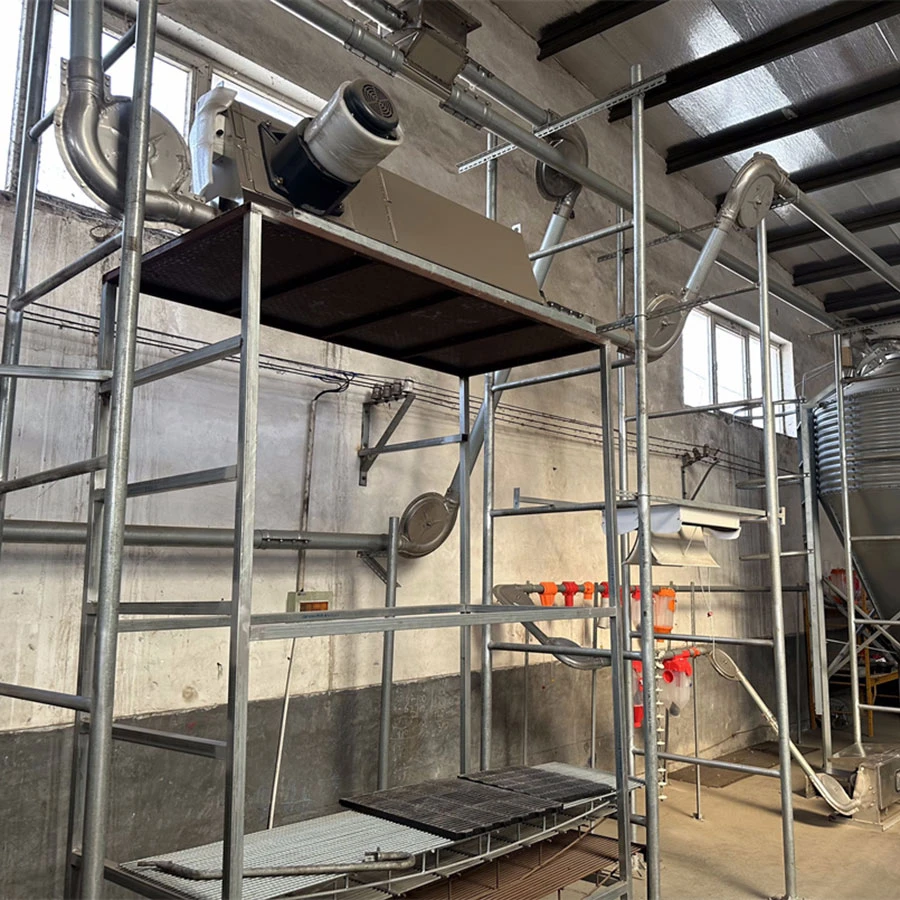
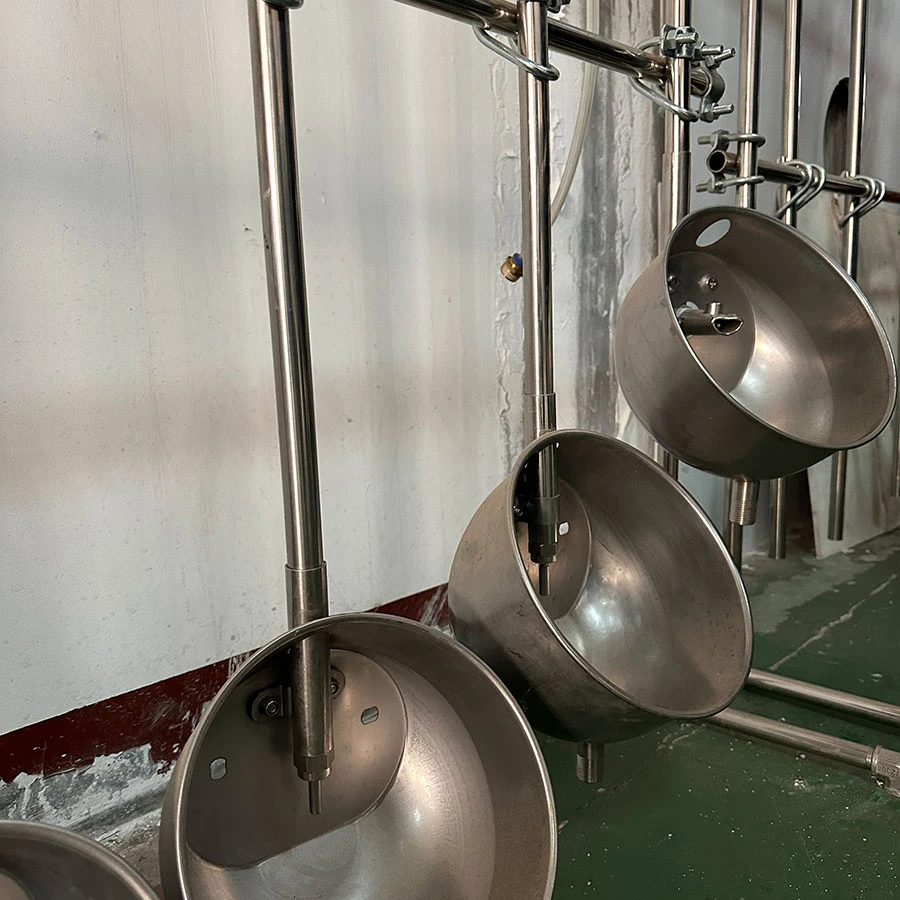
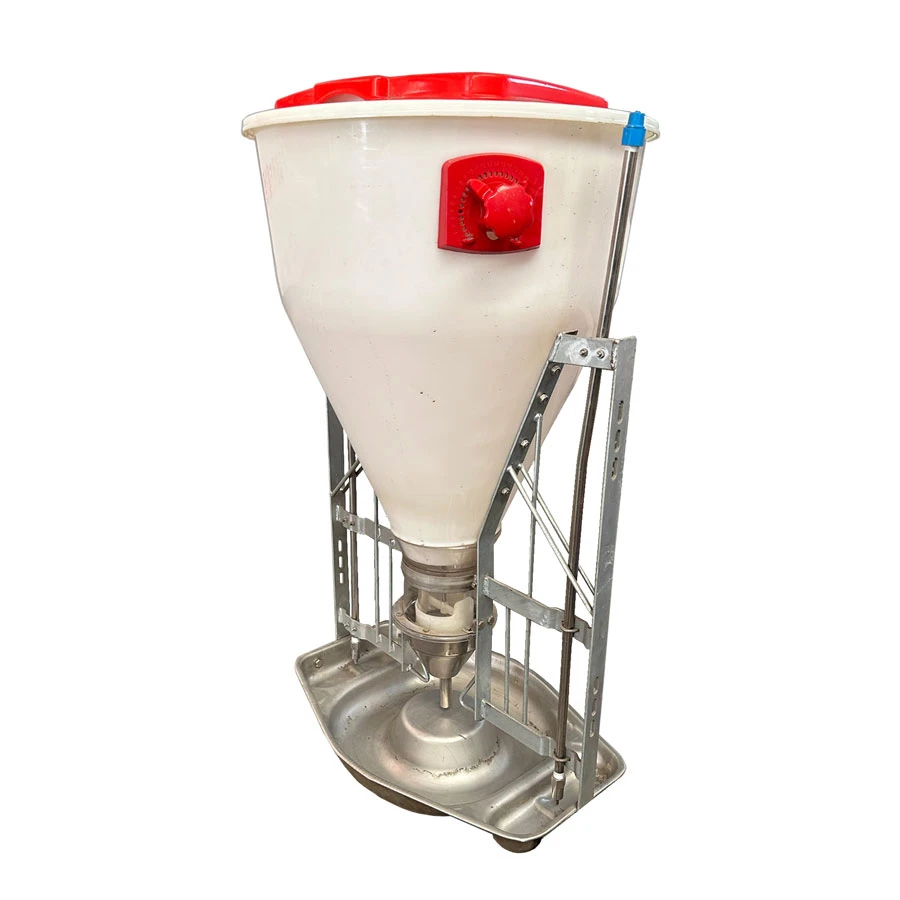
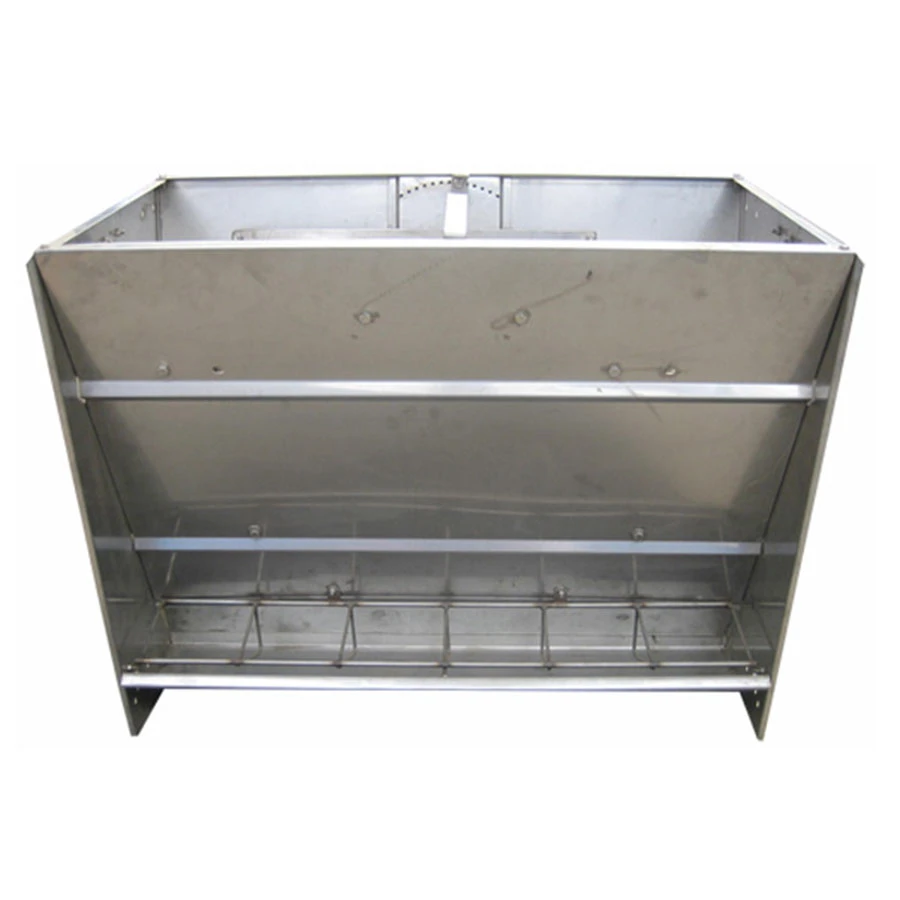
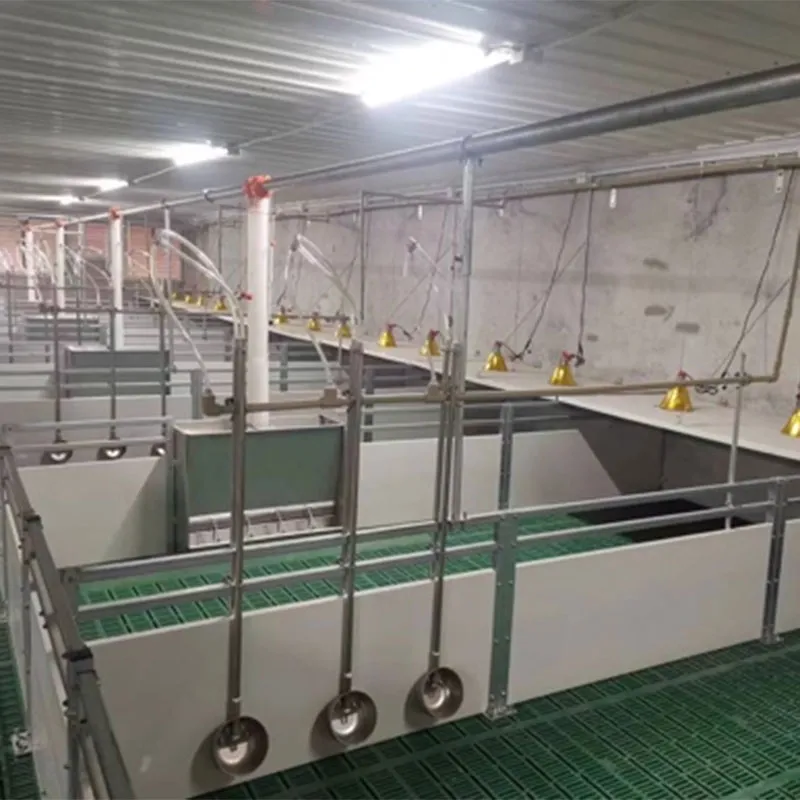
Put simply, a hog self feeder is a device or system that allows pigs to access feed freely without needing daily hand-feeding. Think of it as a pig’s buffet: the animals can eat according to their needs, preventing both overfeeding and hunger.
These are practical innovations rooted in farm automation, part of a broader push towards precision livestock farming. On a humanitarian note, better feeding systems improve animal welfare, which aligns with global standards like those from the World Organisation for Animal Health (OIE).
In real terms: it’s about trust — the feeder trusts the pig to eat correctly, and the farmer trusts the feeder to minimize waste and health risks.
Core Components to Consider in Hog Self Feeder Design
Durability
Feeding devices must withstand rough use: from pig bites to weather elements if outdoors. Manufacturers lean on galvanized steel or heavy-duty plastics to offer feeders that can last years. Durability means less frequent replacement, which is a big cost saver.
Scalability
A feeder system needs to suit everything from small backyard farms to mega commercial operations. Modular designs, often adjustable for different pig sizes, help farmers scale feeding capacity as herds grow.
Cost Efficiency
A core attraction of hog self feeders is minimizing feed waste — which can account for up to 30% of feed loss in some setups. Efficient hopper designs and flow controls play a large part here.
Ease of Cleaning
Hygiene is vital. Dirty feeders can harbor bacteria and cause disease. Designs include removable trays or smooth, non-porous surfaces to make cleaning faster and more thorough.
Automation & Monitoring
The newest feeders come with digital sensors that track feed levels and pig eating patterns, communicating with farm apps. While this tech ups the price, many farmers swear by the convenience and data-driven insights.
Mini takeaway: A good hog self feeder combines tough materials, scalable design, and smart features — all balanced against price and farm priorities.
Global Applications: Real-World Success Stories with Hog Self Feeders
In Asia’s dense pig farming hubs — especially China and Vietnam — hog self feeders help overcome labor shortages. Large-scale farms report improvements in feed conversion ratios (FCR) by 5–8% using automated feeders. Similarly, in parts of Eastern Europe, farmers have adopted these systems to speed up production cycles and control feeding costs amid inflation woes.
Oddly enough, beyond traditional farms, humanitarian agriculture projects in rural Africa have begun experimenting with simple self feeders to boost pig rearing initiatives, critical for women’s economic empowerment. Organizations like Heifer International note that small-scale farmers using feeders see better growth rates and piglet survival.
In post-disaster zones—say after floods or hurricanes—portable hog self feeders enable quick re-establishment of livestock operations where manual feeding would be impossible.
Advantages & Long-Term Value of Hog Self Feeder Systems
There’s the immediate obvious benefit: reduced labor costs. But beyond that, feeders offer:
- Feed Consistency: Pigs can eat small meals throughout the day, improving digestion and reducing stress-related illnesses.
- Sustainability: Less wasted feed means fewer resources used in growing, transporting, and disposing of excess food.
- Animal Welfare: Pigs have more control, which lowers aggression and competition.
- Economic Reliability: Predictable feeding patterns assist in herd health management, improving production forecasts.
- Innovation Edge: Farmers who adopt these feeders often gain a competitive advantage through better data and system integration.
Emotionally, many farmers talk about the peace of mind having a system delivering steady feed without daily grind struggles.
Emerging Trends and Innovations in Hog Self Feeder Technology
The push for sustainability is pushing feeder design in fresh directions:
- Solar-Powered Feeders: Self-contained feeders with solar panels provide power for sensors where grid access is limited.
- Smart Sensors & IoT Integration: Feeding data are increasingly accessible via apps; some systems predict feed needs based on pig growth patterns and automatically reorder supplies.
- New Materials: Biodegradable plastics and antimicrobial surfaces are being trialed to reduce environmental footprint and pathogen risk.
- Automated Sorting: Early-stage tech separates pigs by eating speed or size, adjusting feed delivery accordingly.
Frankly, the industry feels like it’s on the cusp of a mini revolution with tech we used to only see with dairy cattle or poultry.
Challenges and Practical Solutions
Despite all this, hog self feeders aren’t perfect. Challenges include:
- Initial Cost: Advanced feeders require upfront investment that smaller farms might struggle with.
- Maintenance: Moving parts and sensors demand regular checks.
- Adaptation: Some pigs initially underuse feeders due to habit.
- Feed Type Limitations: Certain grinder or mash feeds clog feeders.
Solutions? Leasing programs ease costs. Farmer training programs improve animal acclimatization. Engineers are designing clog-free feed channels. Maintenance plans bundled with purchases ensure longevity.
Frequently Asked Questions About Hog Self Feeders
- Q: What is the average lifespan of a hog self feeder?
- A: Most feeders, especially those made from galvanized steel, last 5 to 7 years with proper care. Plastic models vary but typically last 3 to 5 years. Regular cleaning and maintenance can extend lifespan considerably.
- Q: Can hog self feeders reduce feed waste significantly?
- A: Yes, by controlling the flow of feed and allowing pigs to eat at their own pace, self feeders can reduce feed waste by up to 30% compared to traditional trough feeding.
- Q: Are digital smart feeders worth the investment?
- A: For large-scale operations, yes. They offer valuable data insights, help monitor pig feeding behavior, and automate restocking, which can save labor and optimize growth rates over time.
- Q: How easy is it to clean and maintain these feeders?
- A: Modern designs emphasize ease of cleaning, often with removable parts and smooth surfaces. Regular washing prevents disease, especially in humid or outdoor conditions.
- Q: Can these feeders be used in all climates?
- A: Generally, yes. Some models are weatherproof for outdoor use, while others work better indoors. Accessories like rain covers or heating elements assist in harsher climates.
Product Specification Table
| Specification |
Standard Model |
Smart Feeder |
Heavy-Duty Outdoor |
| Material |
Galvanized Steel |
Steel + Plastic Composite |
Reinforced Steel |
| Capacity (feed volume) |
80 kg |
100 kg + Sensor Monitoring |
120 kg |
| Automation |
Manual Feed Flow |
Automated Feed Dispensing |
Manual with Weatherproof Features |
| Cleaning Method |
Removable trays |
Detachable + App Alerts |
Hose washable, heavy gauge |
| Price Range |
$120–$180 |
$450–$650 |
$220–$300 |
Vendor Comparison Table
| Vendor |
Product Range |
Technology Level |
Global Shipping |
Price Point |
Best For |
| AgroFeed Inc. |
Standard and Smart Feeders |
High (IoT-enabled) |
Yes, worldwide |
$$$ |
Large commercial farms |
| RuralFarm Equip |
Basic / Mid-range Feeders |
Low to Medium |
Regional |
$ |
Small to medium farms |
| EcoFeed Solutions |
Eco-friendly and solar feeders |
Medium to High |
Limited to Americas and Asia |
$$ |
Sustainable farms |
Wrapping It Up — Why Invest in Hog Self Feeders?
Understanding and implementing hog self feeders is a step towards smarter, more sustainable pig farming. The technology, while rooted in a simple concept, nudges farms towards efficiency, animal welfare, and cost control—three pillars that increasingly define successful livestock enterprises globally.
If you’re curious to explore practical solutions or upgrade your farm’s feeding system, consider starting with trusted vendors and models tailored to your herd size and environmental conditions. Feel free to explore more about
hog self feeder options and innovations to find the right fit.
### Mini takeaway: Whether you’re a smallholder or a commercial giant, the right feeder system can transform feeding from a daily headache into a streamlined, productive process—and that’s a win any day.
References:
- FAO. “Pig Meat Market Review.” Food and Agriculture Organization of the UN, 2023. https://www.fao.org
- Statista. “Global Pork Market Size 2023-2027.” Statista Research, 2023. https://www.statista.com
- World Organisation for Animal Health. “Animal Welfare Standards.” OIE, 2023. https://www.oie.int