Understanding Cow Restraint Devices: Why They Matter More Than You Think
When you hear “cow restraint devices,” you might picture a barnyard scene with farmers corralling cattle. But these devices are much more than just handy farming tools; globally, they represent a vital intersection of livestock welfare, agricultural efficiency, and food security. With the world’s population expected to hit nearly 10 billion by 2050 according to the UN, livestock management — including safely and humanely restraining cattle — becomes a critical piece of global agricultural puzzle.
Moreover, aside from boosting productivity, proper cow restraint helps minimize injuries to both animals and handlers, enhances veterinary care implementation, and supports humane treatment standards. Understanding these devices means understanding a cornerstone of modern animal husbandry that impacts economies, supply chains, and even environmental sustainability worldwide.
The Global Context: How Cow Restraint Devices Align with Industry and Sustainability
According to the Food and Agriculture Organization (FAO), over 1.5 billion cattle worldwide require proper handling to maintain health and productivity. Yet, one of the issues faced by farmers, large commercial operations, and veterinary professionals alike is how to safely and efficiently manage these animals. The challenge isn’t trivial—cattle are strong and sometimes unpredictable animals, and handling them without proper equipment can lead to stress, injuries, and even loss.
Developing regions are seeing a particular need, where increasing livestock farming is a direct solution against food insecurity. Yet without appropriate restraint devices, setbacks can occur. This is why organizations such as the International Organization for Standardization (ISO) are advocating standards for humane animal handling and containment, placing cow restraint devices under a sharper global spotlight.
Mini takeaway:
- Effective cow restraint devices underpin safer, more sustainable cattle management worldwide.
- They play a role in tackling food security and animal welfare challenges.
What Exactly Are Cow Restraint Devices?
Put simply, cow restraint devices are mechanical systems designed to safely hold cattle in place for various purposes: medical treatment, transportation, breeding, weighing, or hoof care. They prevent unnecessary movement, reducing risk to the animal and the handler. Far from being cruel, well-designed restraint devices emphasize animal dignity and stress reduction.
From traditional squeeze chutes to modern hydraulic or electronic systems, these devices have evolved to meet the dual needs of efficiency and humane treatment — a combination increasingly demanded by global consumers and regulatory bodies alike.
Core components and types typically include:
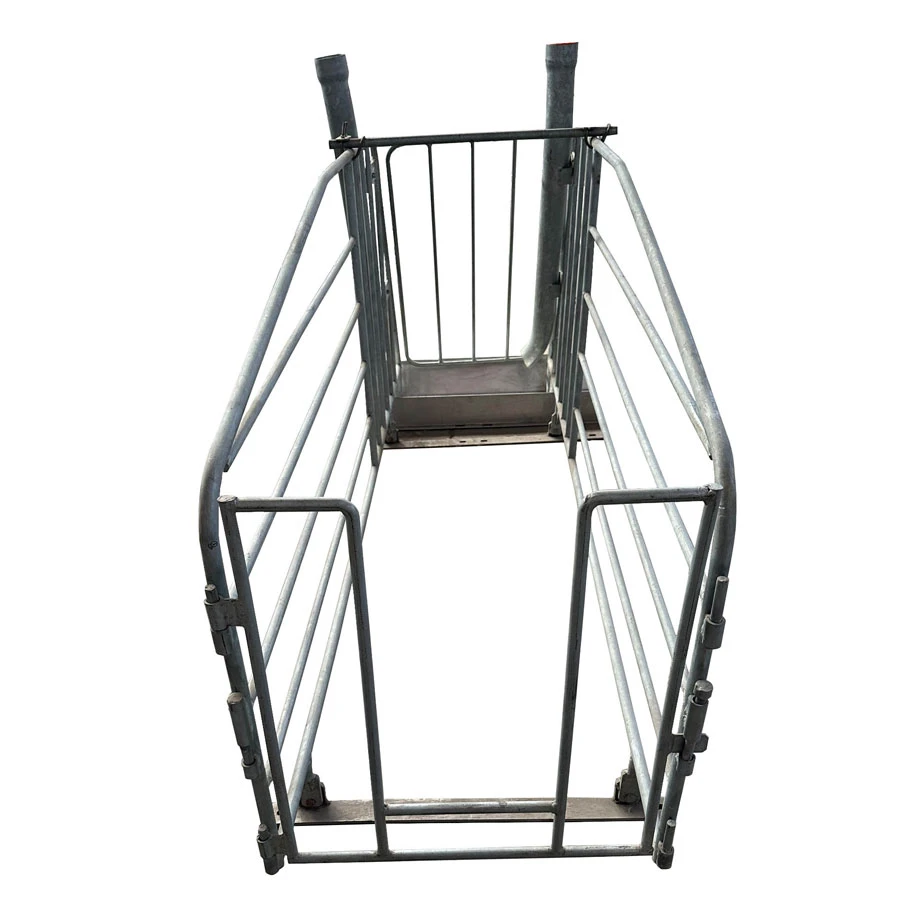
- Squeeze Chutes: Adjustable sides to gently hold cattle.
- Head Restraints: Secure the animal’s head during procedures.
- Sorting Gates: Facilitate selection without stress.
- Portable Systems: For remote or emergency use.
Mini takeaway:
- Cow restraint devices are about safety and humane handling.
- They come in various designs tailored to specific cattle handling needs.
Key Features to Look for in Cow Restraint Devices
1. Durability and Material Quality
Given the heavy-duty nature of cattle farming, devices need to withstand rough use and weather variations. Many manufacturers employ galvanised steel or stainless steel frames to combat rust and extend lifespan — crucial when investment costs are considered.
2. Ease of Use and Safety
Devices should enable quick operation with minimal training. Features like quick-release mechanisms or padding reduce injury risks. Plus, ergonomics matter — as poor design can harm handlers just as much as the animals.
3. Cost Efficiency
Balancing initial purchase price against longevity and maintenance is a tightrope walk. Some devices favor simplicity and affordability; others deliver advanced features at higher price points but require less labor and downtime.
4. Scalability and Portability
For smallholders or relief operations, lightweight, portable restraints are essential. Large commercial farms, on the other hand, prefer permanent installations integrated into broader livestock management systems.
5. Animal Welfare Compliance
Some models meet or exceed welfare guidelines set by organizations like the World Organisation for Animal Health (OIE). That can be a selling point for international livestock markets.
Mini takeaway:
- Choosing the right device hinges on durability, safety, cost, and compliance.
- One size doesn’t fit all; adaptability is key.
Where Are Cow Restraint Devices Making a Real Impact?
Across continents and industries, cow restraint devices fit diverse contexts:
- Developing Regions: NGOs and governments use portable systems in vaccination campaigns or disease control.
- Commercial Dairy Farms: Permanent hydraulic chutes streamline milking and medical checks.
- Beef Production: Sorting and loading gates reduce stress during transfer and shipping.
- Veterinary Clinics & Research: Specialized restraint stations aid diagnosis and surgery, ensuring animal and staff safety.
- Disaster Relief & Emergency Situations: Mobile restraint devices facilitate livestock care when infrastructure is compromised.
For example, in Kenya’s rural communities, several agricultural NGOs credit efficient cow restraint devices with increasing vaccination coverage while reducing cattle stress — a real leg up for livestock health and public trust.
Mini takeaway:
- Restraint devices are versatile assets in both everyday farming and emergency response.
- They contribute directly to animal health and operational efficiency worldwide.
A Quick Look at Typical Product Specifications
| Feature | Description | Typical Value/Range |
|---|---|---|
| Material | Frame and components | Galvanised steel, stainless steel |
| Dimensions | Overall size for medium cattle | 2m L x 0.8m W x 1.5m H |
| Weight capacity | Max safe animal weight | Up to 1,200 kg |
| Portability | Ease of transport | Foldable, wheels optional |
| Safety features | Padding, quick releases | Standard on most models |
How Vendors Stack Up: A Comparative Overview
| Vendor | Product Range | Customization Options | Price Range | Lead Time |
|---|---|---|---|---|
| AgriSafeguard | Squeeze chutes, head gates, mobile units | Medium (color, size) | $1200–$3500 | 4–6 weeks |
| LivestockTech | Hydraulic and electronic restraints | High (advanced tech options) | $3000–$8000+ | 6–8 weeks |
| FarmEase Co. | Basic manual devices, portable chutes | Low (standard models) | $800–$2000 | 2–4 weeks |
Advantages of Investing in Quality Cow Restraint Devices
In real terms, the benefits are compelling. Firstly, there’s the safety factor: fewer injuries on both sides — animal and human. Over time, that reduces veterinary bills and downtime caused by accidents or animal stress.
Then there’s efficiency: faster, smoother cattle handling means higher throughput at veterinary clinics, slaughterhouses, or farms — translating to direct cost savings and better resource utilization.
Animal welfare is no longer just a buzzword but a market demand. Devices designed with welfare in mind increase consumer trust, opening doors to premium markets, especially in Europe and North America where regulations are stringent.
And finally, sustainability: these durable, low-maintenance devices reduce waste and environmental impact when compared to makeshift or low-quality alternatives.
What’s Next? Emerging Trends in Cow Restraint Devices
Technology keeps knocking at the barn door. Expect innovations like:
- Automated systems that integrate sensors and IoT devices, monitoring animal health in real-time during restraint.
- Eco-friendly materials replacing traditional steel to reduce carbon footprint and improve recyclability.
- Remote operation features to reduce human-animal contact stress even further.
- Modular designs for rapid deployment in emergency or remote areas.
Such developments hint at a future where cow restraint is seamless, safe, and highly sustainable.
Challenges and Smart Solutions
It’s not all smooth sailing though. Challenges include:
- High upfront costs hindering smallholder adoption.
- Training gaps limiting effective use.
- Rough terrain or lack of infrastructure complicating deployment.
Addressing these requires combining affordable portable designs with community-based training programs and targeted subsidies. Collaboration between NGOs, governments, and manufacturers can bridge these gaps. Sometimes, simple design tweaks born from field feedback create quantum leaps in usability.
FAQ: Common Questions About Cow Restraint Devices
Q: How do I choose the right restraint device for small-scale farming?
A: Look for portability, affordability, and ease of use. Manual squeeze chutes or foldable portable gates often fit best, providing functionality without complex maintenance.
Q: Are these devices safe for all cattle breeds?
A: Most devices are adjustable to accommodate different sizes and breeds. Always check weight capacity and consult manufacturers or experts for breed-specific needs.
Q: Can these restraint devices improve animal welfare compliance?
A: Absolutely. Using standardized, well-designed restraint systems reduces stress and injury risk, which aligns with global welfare standards like those from OIE.
Q: How long do typical cow restraint devices last?
A: With proper maintenance, many last 10 years or more, especially models made from galvanized or stainless steel designed for heavy usage.
Q: Where can I find reliable suppliers for cow restraint devices?
A: Trusted vendors like those listed above are a good start, and you can explore industry-specific marketplaces or reach out to agricultural organizations for recommendations.
Bringing it All Together: Why Cow Restraint Devices Deserve Your Attention
In summary, investing in the right cow restraint devices is more than a farm upgrade — it’s a strategic decision shaping animal welfare, operational efficiency, and global food security. For farmers, vets, NGOs, and supply chain players, these devices strike a subtle but essential balance between tradition and innovation.
Ready to explore solutions further? Visit our website: cow restraint devices for a curated selection tailored to your needs.
References
Post time: Nov . 25, 2025