What’s a Zinc Cattle Trough and Why Should You Care?
Imagine a simple, durable trough — one that’s galvanized or coated with zinc — designed to provide water or feed to cattle while withstanding the unpredictable elements of farms across the world. That’s a zinc cattle trough in essence. Now, why should it matter globally? Well, livestock farming feeds billions, shapes rural economies, and supports livelihoods. Reliable cattle watering solutions, like zinc troughs, ensure animals stay healthy, farmers avoid unnecessary losses, and water wastage goes down. In short, seeing the humble zinc cattle trough as part of a larger ecosystem, from food security to sustainable agriculture, makes a big difference for planners and farmers alike.
Global Context: Why Zinc Cattle Troughs Are More Relevant Than Ever
Livestock accounts for over 40% of global agricultural GDP (FAO, 2021), providing income and nutrition worldwide. But with an estimated 20% of water resources used inefficiently in agriculture (UN Water, 2023), solutions that conserve water and ensure animal welfare are essential. That’s where zinc cattle troughs step in — their durability and corrosion resistance reduce maintenance, and their design minimizes water spillage. In regions prone to drought or with limited infrastructure, having low-cost and sturdy feeding equipment is indispensable.
Still, a recurring challenge is durability in harsh weather and contamination risk. Many livestock operations struggle with rusted or cracked troughs that need frequent replacement, leading to waste and increased costs. Zinc coatings, which inhibit corrosion, address that problem effectively, making zinc cattle troughs a practical choice for improving farm resilience.
What Exactly Is a Zinc Cattle Trough?
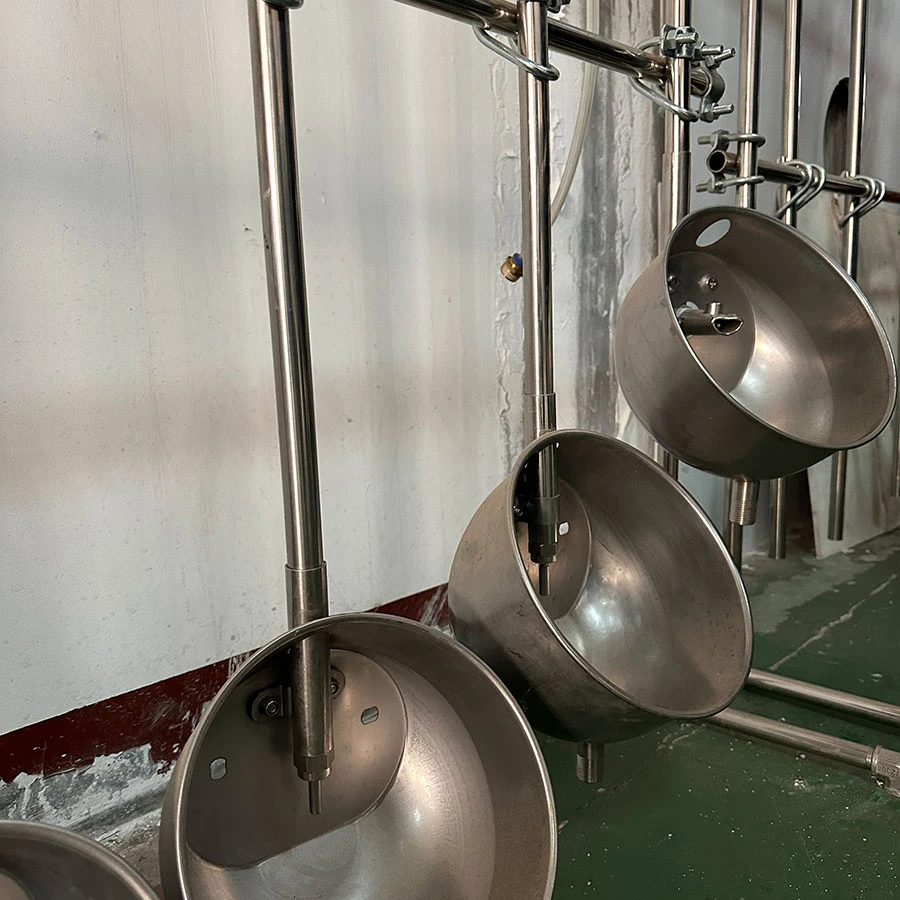
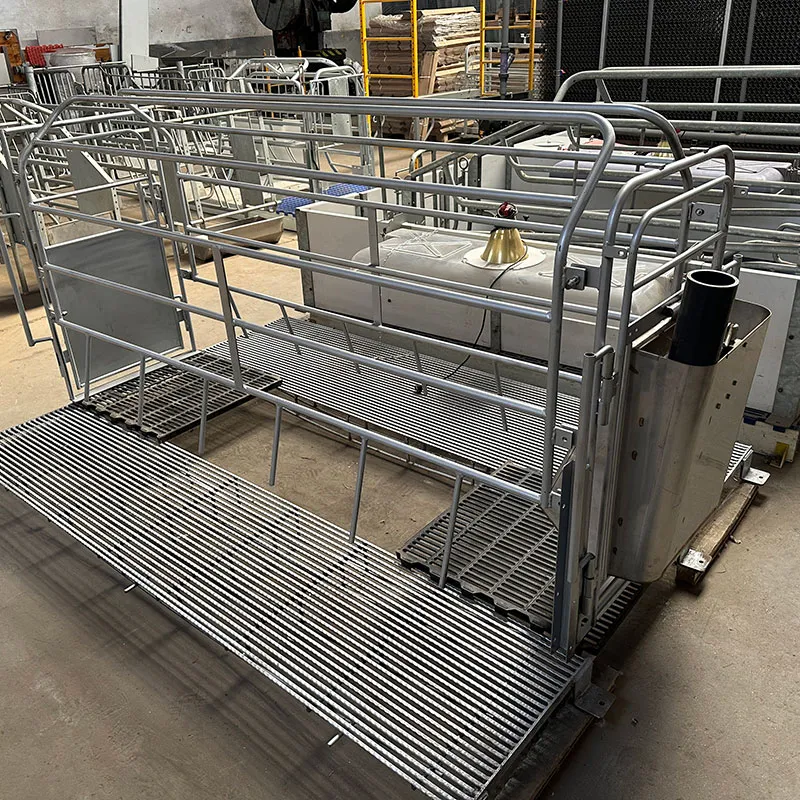
Put simply, a zinc cattle trough is a livestock watering (or feeding) bowl or tank, usually made of steel with a zinc coating applied through a galvanization process. This zinc layer protects the metal underneath from rust and damage. The troughs come in various shapes and sizes, designed for different herd sizes and farm setups. The zinc coating is especially vital for outdoor use, where exposure to moisture and soil happens daily. These troughs often connect to water supply lines or can be manually filled.
Beyond basic animal care, they connect to modern farming systems emphasizing sustainability and efficiency. For instance, some are integrated into automated watering systems, reducing labor and monitoring animal intake digitally — odd to imagine a zinc trough keeping pace with IoT tech, but it’s happening.
Key Characteristics of Zinc Cattle Troughs
1. Durability Through Corrosion Resistance
Zinc acts like a protective shield against rust — vital because water and weather constantly test any metal’s limits. Proper galvanization means fewer replacement cycles, ultimately saving farmers money and time.
2. Ease of Cleaning and Maintenance
A slick, clean surface discourages algae growth and bacterial buildup, crucial for animal health. Zinc’s smoothness makes these troughs easier to rinse and disinfect than rougher materials.
3. Cost Efficiency Without Compromise
While stainless steel troughs exist, zinc troughs strike a balance — cheaper upfront but with respectable longevity. For cash-strapped operations, that value proposition often wins.
4. Scalability and Adaptability
Available in sizes from small calf units to large tanks feeding dozens of animals, zinc troughs can scale alongside growing herds, adapting to diverse geographic climates and farm practices.
5. Resistance to Physical Damage
Cattle aren’t gentle creatures. Zinc troughs tend to handle impacts, bumps, and scratches better than uncoated metals, leading to fewer leaks or breaks during daily use.
Mini Takeaway:
In practical terms, zinc cattle troughs offer a resilient, cost-conscious, and versatile solution that addresses several farming pain points at once.
How Zinc Cattle Troughs Make a Difference Globally
Around the globe, from the expansive ranches of Australia to smallholder farms in Kenya, zinc cattle troughs are quietly supporting livelihoods.
- In Australia: Harsh sun and saline soils threaten livestock equipment, but zinc troughs resist corrosion and facilitate water access on remote stations.
- In Sub-Saharan Africa: NGOs equip rural farmers with zinc-coated troughs to improve livestock health and reduce water contamination risks during drought relief efforts.
- Industrial Feedlots in the U.S. and Europe: Automated zinc trough systems integrate with modern sensors, offering precision livestock farming technologies.
One local cooperative in Brazil shared how shifting to zinc-coated water troughs slashed their annual maintenance budgets, freeing funds for veterinary services. It’s a small change with a ripple effect.
Advantages and Long-Term Benefits of Using Zinc Cattle Troughs
- Reduced Replacement & Repair Costs: Zinc's corrosion resistance extends trough life by years compared to bare steel.
- Enhanced Animal Welfare: Clean, reliable water encourages better hydration and health, raising overall herd productivity.
- Sustainability: Longer-lasting equipment means less metal waste, fewer replacements, and better resource use.
- Peace of Mind: Farmers avoid emergency repairs during critical seasons, which can save entire herds in drought or cold spells.
Beyond logic and cost, zinc troughs give a subtle dignity to farm life — they stand tough so animals and herders can focus on the work without fretting about basic needs.
Product Specifications for a Typical Zinc Cattle Trough
| Specification | Details |
|---|---|
| Material | Galvanized steel with minimum 275 g/m² zinc coating |
| Dimensions | 120cm (L) × 60cm (W) × 35cm (H) |
| Capacity | Up to 120 liters |
| Weight | Approx. 15 kg |
| Finish | Smooth galvanized coating with rust inhibitors |
| Warranty | 5 years against corrosion defects |
Vendor Comparison: Zinc Cattle Trough Suppliers at a Glance
| Vendor | Pricing (per unit) | Material Quality | Customization Options | Delivery Speed |
|---|---|---|---|---|
| FarmEquip Co. | $85 - $110 | Standard Zinc Coating | Size and paint colors | 2 weeks |
| Livestock Solutions | $95 - $120 | Enhanced Zinc+ Polymer Layer | Custom sizes and automated system integration | 1 week |
| AgriTech Supplies | $75 - $105 | Standard Zinc Coating | Limited customization, mostly stock sizes | 3 weeks |
Looking Forward: What’s Next for Zinc Cattle Troughs?
The industry isn’t standing still. R&D is testing hybrid coatings combining zinc with eco-friendly polymers to extend life further, especially in coastal or acidic soils. I’ve spoken to several manufacturers exploring nanotextured surfaces to naturally resist algae buildup — kind of magical to think a metal surface could be self-cleaning in the future.
Digital integration is another hot area. Smart troughs can now monitor temperature, water levels, and cattle drinking behavior — a boon for precision livestock management and welfare monitoring. As sustainability policies tighten globally, manufacturers are also pushing to reduce zinc usage without compromising corrosion protection, cutting environmental footprints.
Challenges and How to Overcome Them
Zinc troughs have their issues. For one, zinc coatings can wear unevenly if the trough edges sustain repeated damage, exposing steel beneath to rust. Sometimes local water chemistry accelerates corrosion, especially with high salinity. Logistics and access can be problematic for remote farmers who lack suppliers nearby.
Practical solutions? Regular inspections and maintenance help — a quick fresh coat of zinc paint can do wonders. Some innovators propose modular trough designs with replaceable panels, cutting down long-term replacement costs. NGOs and cooperatives improve access by bundling bulk purchases and offering training on upkeep.
FAQs About Zinc Cattle Troughs
Q1: How long can a zinc cattle trough typically last?
With proper maintenance, including avoiding physical damage and regular cleaning, a galvanized zinc cattle trough can last 10 to 15+ years. Corrosion resistance slows material degradation significantly compared to untreated steel.
Q2: Can zinc cattle troughs be used in automated watering systems?
Absolutely! Many zinc troughs are compatible with sensor-based controllers and water pumps. Vendors often offer models specifically designed with fittings for automation, integrating well into modern livestock management.
Q3: Are zinc cattle troughs environmentally friendly?
Zinc itself is recyclable and less resource-intensive than stainless steel. The durability reduces waste due to fewer replacements, and new coatings are being developed to minimize zinc runoff, improving environmental profiles.
Q4: What size zinc cattle trough should I choose for my herd?
It depends on the herd size and species. Generally, a trough holding 100-120 liters suits 20-30 adult cattle, but smaller troughs work well for calves or small farms. Consult with suppliers for sizing based on your specific needs.
Wrapping Up: Why the Zinc Cattle Trough Still Holds Its Ground
Zinc cattle troughs may seem like a simple product, but their impact is far-reaching — from supporting global food security to enabling sustainable farming. For farmers, they represent a cost-effective way to keep animals hydrated and healthy with minimal fuss. For the industry, zinc troughs symbolize a subtle yet crucial intersection of materials science, agriculture, and environmental responsibility.
Curious to explore top-quality products that withstand harsh farm conditions but don’t bust your budget? Visit our catalogue at zinc cattle trough for more detailed options and expert advice.
References:
Post time: Dec . 02, 2025