Understanding Stainless Steel Hog Feeders for Sale: Why It Really Matters
If you’re involved in pig farming, whether on a backyard scale or running large commercial operations, you’ve likely encountered the challenge of feeder durability and hygiene. This is where stainless steel hog feeders for sale come into the picture — not just as another product, but a solution designed to streamline feeding efficiency while safeguarding animal health. Globally, with pork consumption rising steadily, reliable feeding equipment has become a linchpin of sustainable livestock farming.
It’s no surprise that the demand for robust feeders aligns closely with efforts to improve animal welfare and reduce operational costs. Plus, in a world keen on sustainability, stainless steel — thanks to its recyclability and longevity — stands out as a smart choice.
Mini takeaway: When you understand the role stainless steel hog feeders play, it’s easier to appreciate their impact on farm productivity and animal care worldwide.
The Bigger Picture: Why Stainless Steel Hog Feeders Are Globally Relevant
To really grasp why stainless steel hog feeders are a hot commodity, let’s zoom out for a moment. According to the United Nations’ Food and Agriculture Organization (FAO), global pork production has increased by about 25% over the last decade (1). This growth means more pressure on farmers to find equipment that lasts, operates smoothly, and helps maintain sanitary conditions, especially in regions with tropical climates where corrosion risks skyrocket.
Moreover, the pig farming industry faces an ongoing challenge: feed waste and contamination. Both can lead to significant economic losses and health issues among herds. Stainless steel feeders address these problems head-on by resisting rust, being easy to clean, and reducing feed spoilage rates.
For example: Southeast Asia, a major pork consumer and producer, increasingly adopts these feeders to cope with humid environments and heavy rainfall. Their resilience helps farmers avoid the constant replacement costs seen with plastic or galvanized alternatives.
Mini takeaway: With pork demand climbing, especially in challenging climates, stainless steel feeders solve critical problems related to hygiene and durability, helping farms thrive.
What Exactly Are Stainless Steel Hog Feeders?
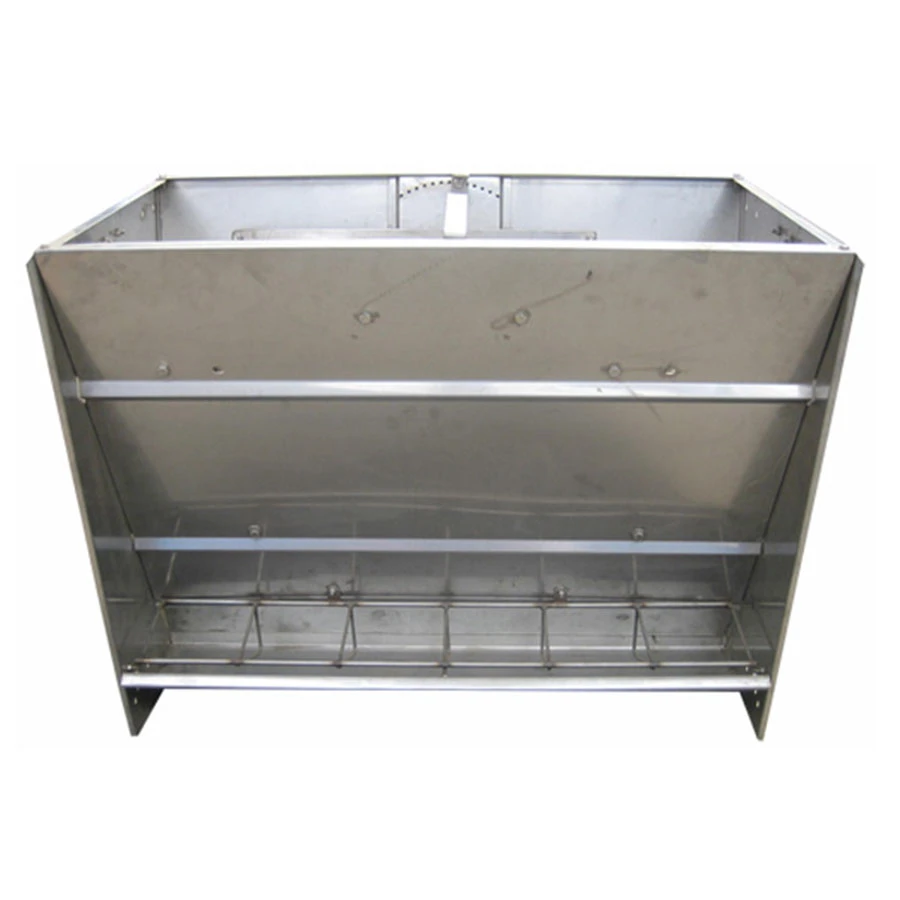
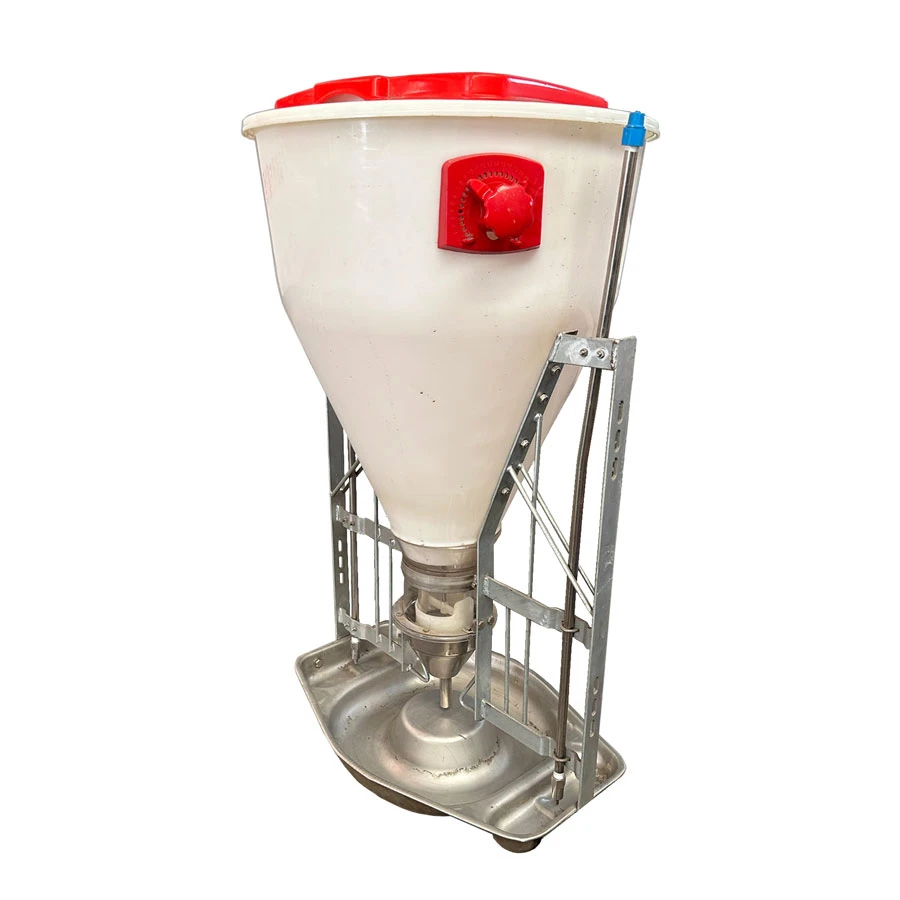
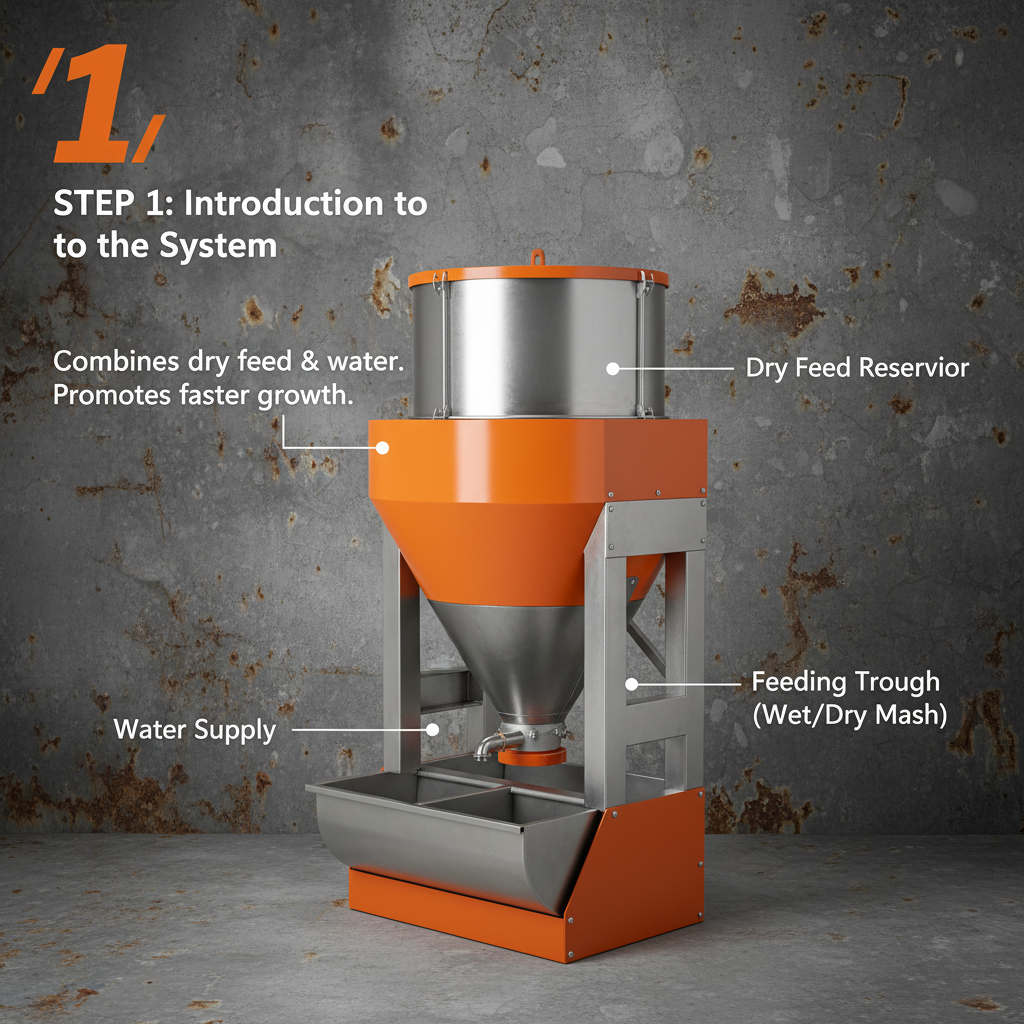
Put simply, stainless steel hog feeders are feeding troughs or bins made predominantly of stainless steel, designed specifically for swine operations. They come in various shapes and sizes — from small troughs for weaners to larger bins for sows and finishing pigs.
Why stainless steel? Because it combines strength with corrosion resistance. This makes it superior to materials like plastic or untreated metal, which can crack or corrode over time, especially under constant exposure to moisture, pig drool, and feed acids.
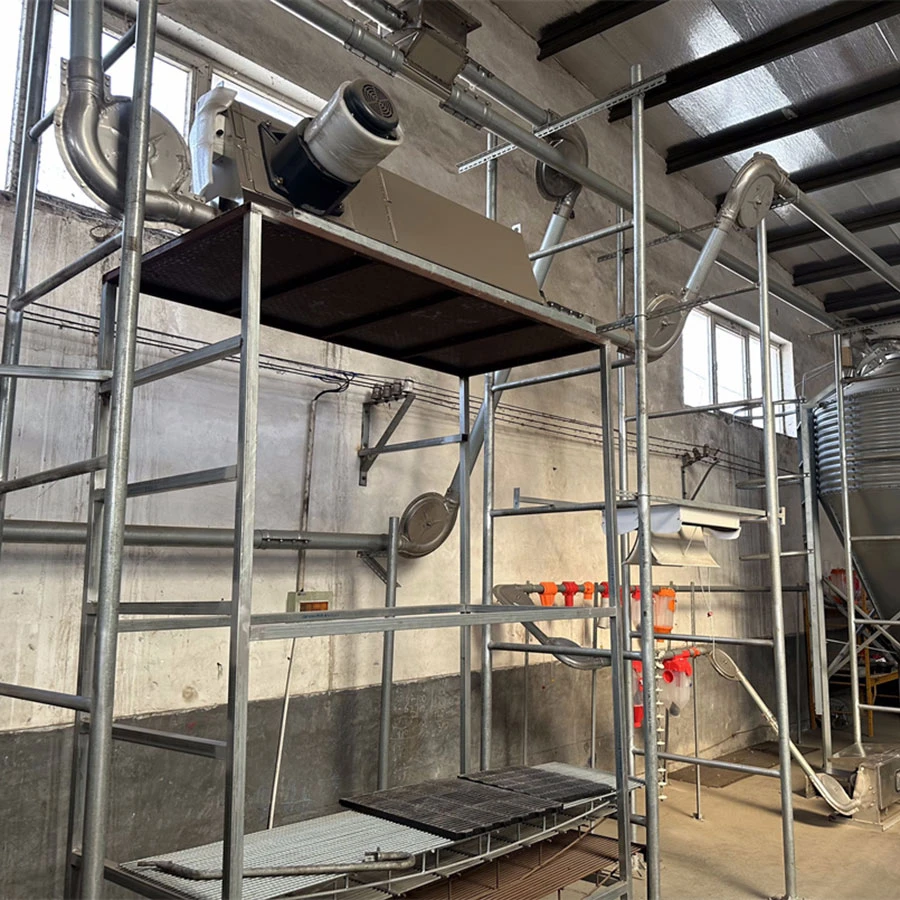
In terms of industry impact, these feeders fit neatly into the modern agricultural push for “smart farming.” They enhance workflow efficiency, reduce disease vectors, and often integrate well with automated feeding systems — an increasingly popular trend worldwide.
Mini takeaway: Stainless steel hog feeders represent a simple, but high-impact evolution in feeding tech, marrying durability with farm hygiene in ways other materials can’t match.
Key Factors to Consider When Choosing Stainless Steel Hog Feeders
1. Durability and Corrosion Resistance
One of the primary selling points: stainless steel won’t rust like traditional iron feeders. This means feeders last longer, resist dents and scratches, and maintain their structural integrity through harsh cleaning cycles.
2. Feed Efficiency and Waste Reduction
Well-designed feeders minimize feed spillage and contamination. Some come with adjustable trough depths or built-in barriers, making sure that hogs have just the right access without messing around too much. This is a subtle but important factor because feed wastage can cost hundreds, even thousands annually.
3. Hygiene and Ease of Cleaning
In the fight against diseases like swine flu or PRRS, sanitation is vital. Stainless steel feeders often feature smooth surfaces without crevices, allowing for quick and thorough cleaning — which frankly beats scrubbing brittle plastic or chipping old metal.
4. Scalability and Farm Size Compatibility
Whether you’re running a 50-head family farm or a 5,000-head commercial operation, stainless steel feeders come in scalable sizes and designs. Some vendors even offer modular units that can be easily expanded or customized.
5. Cost Efficiency Over Time
While initial investments tend to be higher than plastic or galvanized feeders, stainless steel feeders generally pay off through fewer replacements, reduced feed waste, and lowered maintenance costs. It’s a classic “buy once, cry once” scenario.
6. Environmental Impact
Stainless steel is recyclable, which adds sustainability credence. Some farms view these feeders not just as equipment, but as part of a larger eco-friendly, circular economy effort.
Mini takeaway: Picking the right stainless steel feeder boils down to durability, design, waste control, and how they fit your farm’s scale and budget.
How Stainless Steel Hog Feeders Are Used Around the World
In real-world scenarios, these feeders are especially prominent in regions with humid or wet climates — think Southeast Asia, parts of Africa, and portions of Latin America. For instance, in Vietnam’s Mekong Delta, farmers switch to stainless steel feeders during the rainy season to avoid rust and microbial buildup found in traditional feeders.
Meanwhile, large commercial producers in the US and Europe use these feeders integrated into automated systems, reducing labor needs and improving feed accuracy. Organizations working with farming co-ops in post-disaster zones also prefer them for their durability and ease of transport.
Oddly enough, not all regions have fully embraced them yet; in some areas investment cost remains a barrier, but gradual adoption is underway thanks to education and subsidies.
Mini takeaway: Whether in tropical small farms or snow-chilled industrial settings, stainless steel hog feeders make feeding reliable and efficient.
Advantages and Long-term Value of Stainless Steel Feeders
- Cost savings: Fewer replacements and less feed waste add up quickly.
- Animal welfare: Cleaner feeding areas mean healthier pigs.
- Labor reduction: Easier cleaning frees up time for other tasks.
- Environmental stewardship: Brings sustainability to pig farming.
- Reliability & trust: Familiar brands and proven performance breed confidence.
There’s an emotional side here too — farmers often speak about “peace of mind” knowing their feeders will hold up through tough seasons. It's not just about expense; it’s about dignity. The dignity we owe animals and people working in agriculture.
What’s Next? Trends Shaping Stainless Steel Hog Feeders
Innovation hasn’t stopped here. We’re seeing feeders combined with IoT sensors to monitor feed levels remotely, which sort of feels like sci-fi but is very real on some farms (2). There's also a push toward even more sustainable materials and finishes that reduce contaminants further without chemicals.
Another trend: automation-friendly designs, made to fit robotic feeding arms that distribute rations precisely, reducing human error.
Energy-efficient manufacturing and the use of recycled steel are gaining traction, which aligns with global ISO standards for eco-friendly agriculture (3).
Common Challenges and How Industry Experts Are Addressing Them
Admittedly, stainless steel feeders aren’t perfect. The upfront cost can deter smaller producers. Some also find the metal surfaces too slick, causing feed to clump or slide. And in very abrasive environments, scratches can accumulate.
To counter these issues, vendors offer different grades of stainless steel and textured finishes to improve feed retention. Financing options are mushrooming to make purchases easier. Also, education programs are helping farmers understand the total cost of ownership benefits, which are often overlooked.
Frequently Asked Questions About Stainless Steel Hog Feeders
Q1: Are stainless steel hog feeders more cost-effective than plastic ones?
A1: While stainless steel feeders have a higher initial price, they offer better longevity and reduce feed wastage, making them more cost-effective over time.
Q2: How easy is it to clean stainless steel feeders?
A2: Very easy — stainless steel’s smooth surface resists residue buildup, allowing quick washes that keep feeding areas hygienic and reduce disease risk.
Q3: Can stainless steel hog feeders be customized for different farm sizes?
A3: Absolutely. Many manufacturers provide adjustable or modular feeders tailored for small-scale to large commercial operations.
Q4: Do stainless steel feeders withstand harsh weather conditions?
A4: Yes. Their corrosion resistance makes them suitable for humid and wet environments where plastic or iron feeders would degrade quickly.
Q5: Where can I find reliable stainless steel hog feeders for sale?
A5: Trusted suppliers with verified quality are available online and regionally. For a good selection, check out stainless steel hog feeders for sale to explore durable and well-reviewed options.
Product Specification Table
| Specification | Details |
|---|---|
| Material | 304 or 316 Stainless Steel |
| Capacity | From 10kg to 200kg feed holding |
| Dimensions | Multiple sizes; customizable |
| Surface Finish | Polished or matte |
| Cleaning | Dishwasher safe / pressure wash compatible |
| Warranty | 1-3 years depending on vendor |
Vendor Comparison Table
| Vendor | Product Range | Price Range | Warranty | Additional Features |
|---|---|---|---|---|
| AgriSteel Co. | Basic to premium feeders | $$ | 2 years | Modular designs with anti-spill edges |
| FarmEquip Ltd. | Custom sizes and IoT ready | $$$ | 3 years | Smart feeding compatibility |
| SteelHog Solutions | Heavy-duty commercial feeders | $$$ | 3 years | Enhanced corrosion resist coating |
| EcoFeed Systems | Eco-friendly, recycled steel feeders | $$ | 1 year | Sustainably produced |
Final Thoughts: Why Investing in Stainless Steel Hog Feeders Makes Sense
Looking at all the factors, stainless steel hog feeders for sale offer a compelling mix of resilience, hygiene, and economy. They help farmers manage feed efficiently, protect animal health, and prolong equipment life — which in turn supports better sustainability and profitability.
If you’re weighing your options, think beyond just the upfront cost. In many cases, these feeders end up being a win-win. For more options and detailed specs, swing by stainless steel hog feeders for sale. It’s always good to browse a reliable catalog before making the jump.
Thanks for sticking through this feed rundown. Whether you’re a pig farmer, an agri-enthusiast, or just curious, understanding how such tools impact the bigger picture is fascinating stuff.
References
Post time: Dec . 02, 2025