Why Plastic Mesh Flooring Is Winning in Industrial Applications
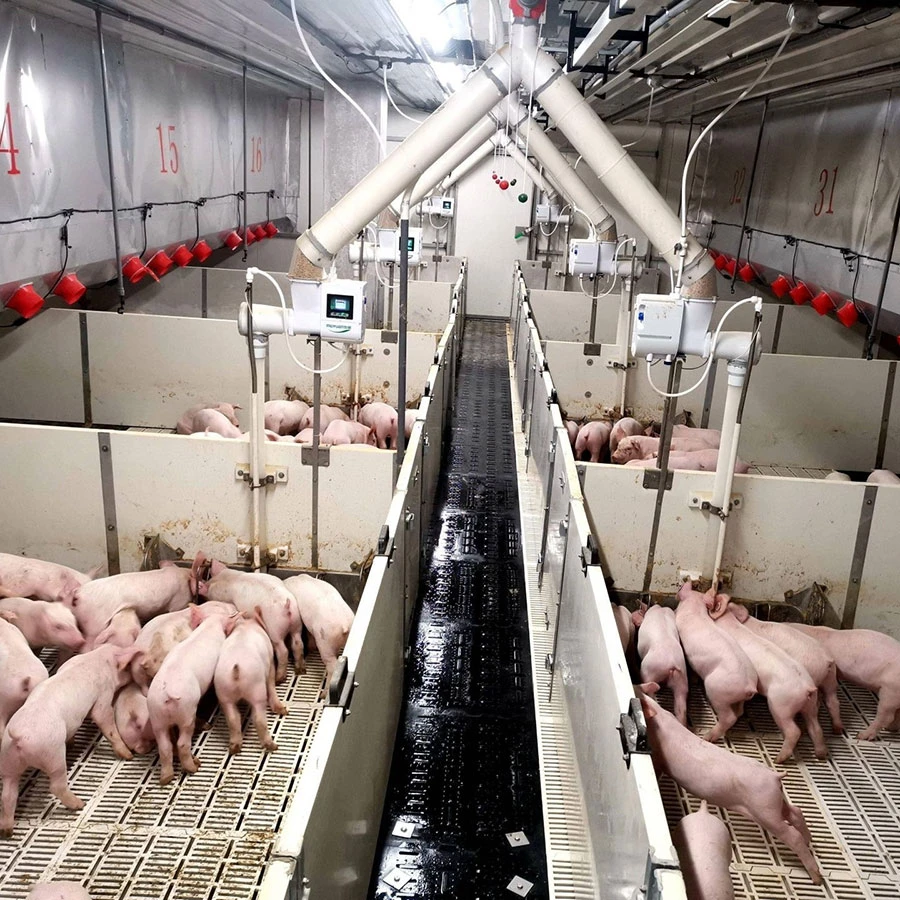
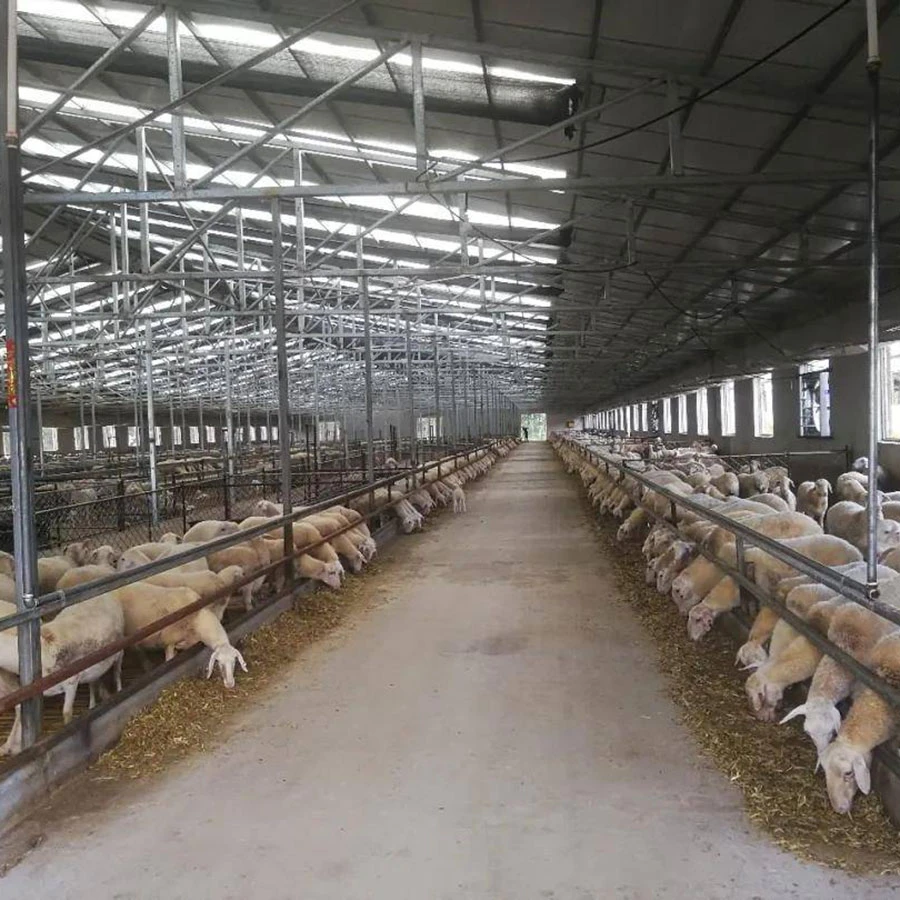
Having spent years dealing with industrial equipment—from conveyor belts to drainage systems—I have to admit, plastic mesh flooring isn’t just another “nice-to-have” item. It actually feels like one of those quietly brilliant innovations that really gets the job done. You might not notice it staring you in the face every day, but it’s certainly there, holding up livestock stalls or industrial walkways with a kind of rugged efficiency I don’t easily forget.
What first caught my attention was how well these plastic mesh floors hold up against the elements—chemicals, moisture, abrasion—they just don’t give in easily. I mean, metal mesh floors rust, wooden slats rot, but these plastic alternatives keep their shape and function for years. And oddly enough, they’re easier to clean too, which is a big deal in places where hygiene isn’t just a guideline, it’s the law.
Material Matters: Designing Plastic Mesh Floors That Last
It turns out the secret sauce is in the polymer blend and design geometry. Most of these floors are made from high-grade polypropylene or polyethylene—both tough plastics with excellent chemical resistance and UV stability. That means even when you’re blazing through another summer or dealing with corrosive farm chemicals, the floor keeps its integrity.
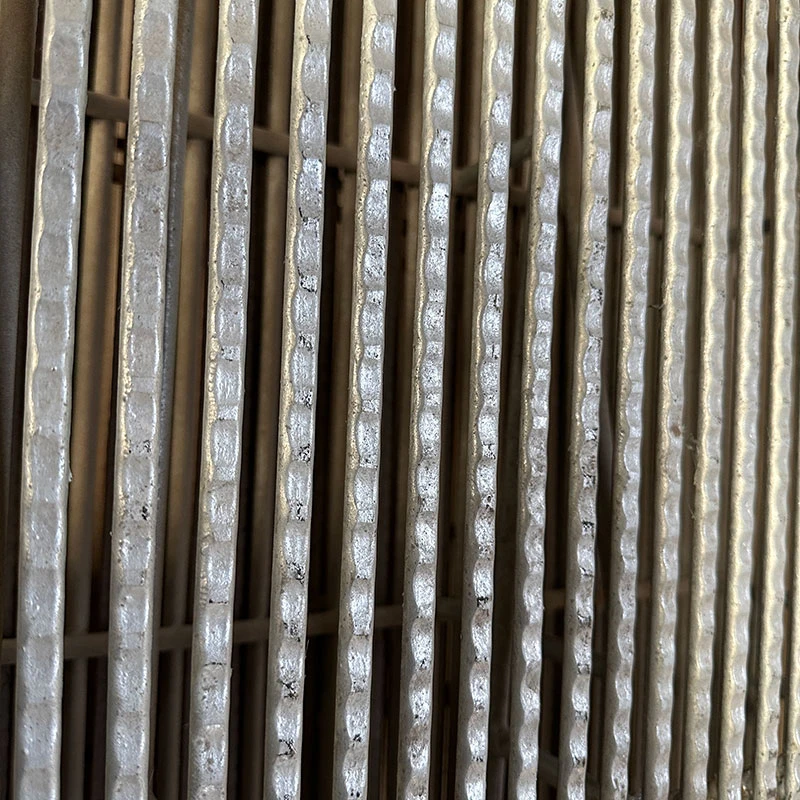
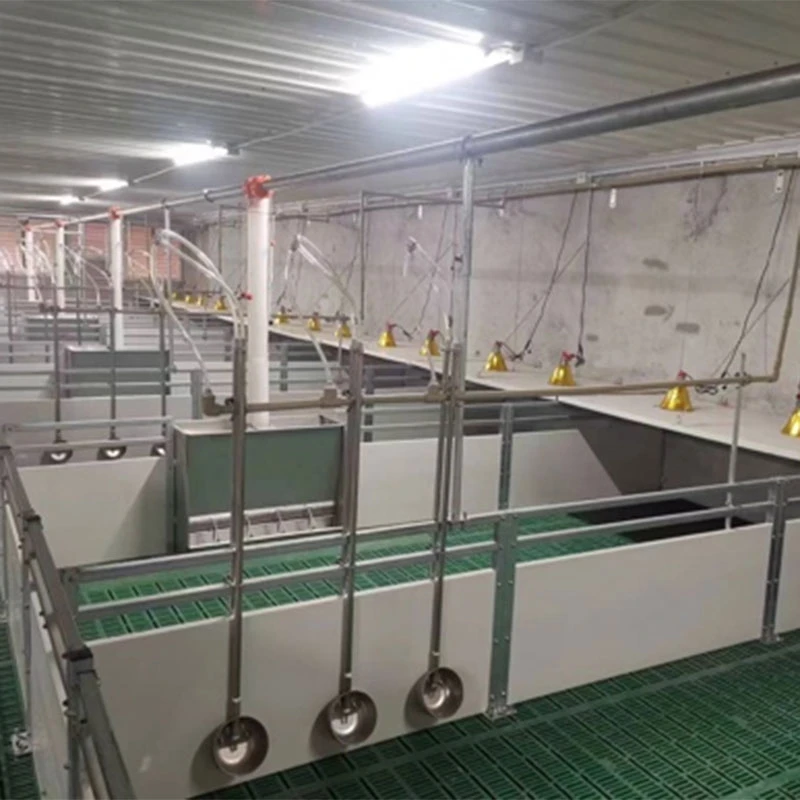
Plus, the mesh design isn’t arbitrary: it’s calculated to maximize drainage and airflow while retaining strength. This reduces moisture build-up and keeps animals or workers from slipping around. I’ll say it again—good grip matters, especially when you’re handling livestock or heavy equipment.
Typical Specifications of Plastic Mesh Flooring
| Specification | Details |
|---|---|
| Material | High-density polypropylene (HDPP) or polyethylene (HDPE) |
| Module Size | Typically 600 x 600 mm or customizable |
| Thickness | 20–35 mm depending on load requirements |
| Load Capacity | Up to 1,000 kg/m² (static load) |
| Chemical Resistance | Resistant to acids, alkalis, livestock disinfectants |
| Surface | Non-slip texture with anti-bacterial properties |
| Installation | Interlocking panels with optional frames |
Picking the Right Supplier: A Quick Comparison
Choosing a vendor can get tricky. You want quality, but you also want service, delivery speed, maybe some customization, and heck, decent pricing. Here’s a quick look at some of the usual suspects in the plastic mesh flooring market. Spoiler: not all plastic mesh floors are born equal.
| Vendor | Material Quality | Customization | Delivery Time | Price Range |
|---|---|---|---|---|
| CXL Livestock | Premium HDPP, UV-stabilized | High – custom sizes & colors | 1–2 weeks | Mid to High |
| Vendor B | Standard polyethylene | Limited options | 3–4 weeks | Budget |
| Vendor C | Recycled plastics | Moderate; some colors | 2–3 weeks | Mid-range |
Real-World Insight: How a Farm Changed Their Flooring Game
I recently came across a dairy farm that had been struggling with wooden slatted floors. The wood kept splintering and rotting in a few years, and the cleaning routine was a nightmare. Switching over to plastic mesh flooring from CXL Livestock not only improved cleanliness but also reduced hoof infections drastically. The upgrade wasn’t cheap, but their vet bills dropped noticeably within months. That kind of feedback isn’t rare; it’s just that sometimes, you have to see it firsthand to really appreciate it.
Frankly, plastic mesh flooring is still an underappreciated hero in many industrial and agricultural setups. If you want a flooring option that’s easy to maintain, safely drains fluids, and stands up to the daily grind, plastic mesh flooring might just be exactly what you need.
References and musings:
- Industry surveys on livestock flooring durability (2022–2023)
- Discussions with farm managers regarding flooring hygiene and animal health
- Manufacturer datasheets and material testing reports (various suppliers)
Post time: Nov . 12, 2025