Understanding Metal Hog Feeders: A Vital Link in Modern Livestock Management
At first glance, metal hog feeders might seem like a simple piece of farm equipment — just a container to dish out food to pigs. But zoom out, and you'll see how crucial they are to sustaining efficient, hygienic, and humane swine farming globally. From massive industrial operations in the American Midwest to smallholders in developing nations, these feeders play a pivotal role in food security, animal welfare, and economic viability. Understanding what makes a good metal hog feeder isn’t just for farmers; it’s part of a global conversation on sustainable agriculture and livestock welfare.
The Global Importance of Metal Hog Feeders in Livestock Farming
Livestock farming supports about 1.3 billion people worldwide and contributes roughly 40% of global agricultural GDP, according to FAO statistics. Within that huge sector, pig farming is a leading source of protein and income, especially in Asia and Europe. Here’s where metal hog feeders come in: they help reduce feed wastage, control portioning, and limit the spread of disease by facilitating cleaner feeding conditions.
But there’s a persistent challenge — many small to medium farms still rely on makeshift or wooden feeders that break down quickly or harbor bacteria. Metal hog feeders made from durable steel alloys respond directly to this problem; they are robust, easier to sanitize, and designed to withstand the rough-and-tumble pig environment. And let’s be honest, pigs aren’t exactly gentle creatures when they’re hungry.
Mini Takeaway:
- Efficient metal hog feeders reduce feed waste and spread of disease.
- They serve both industrial and smallholder farms worldwide, supporting food security.
What Exactly Are Metal Hog Feeders?
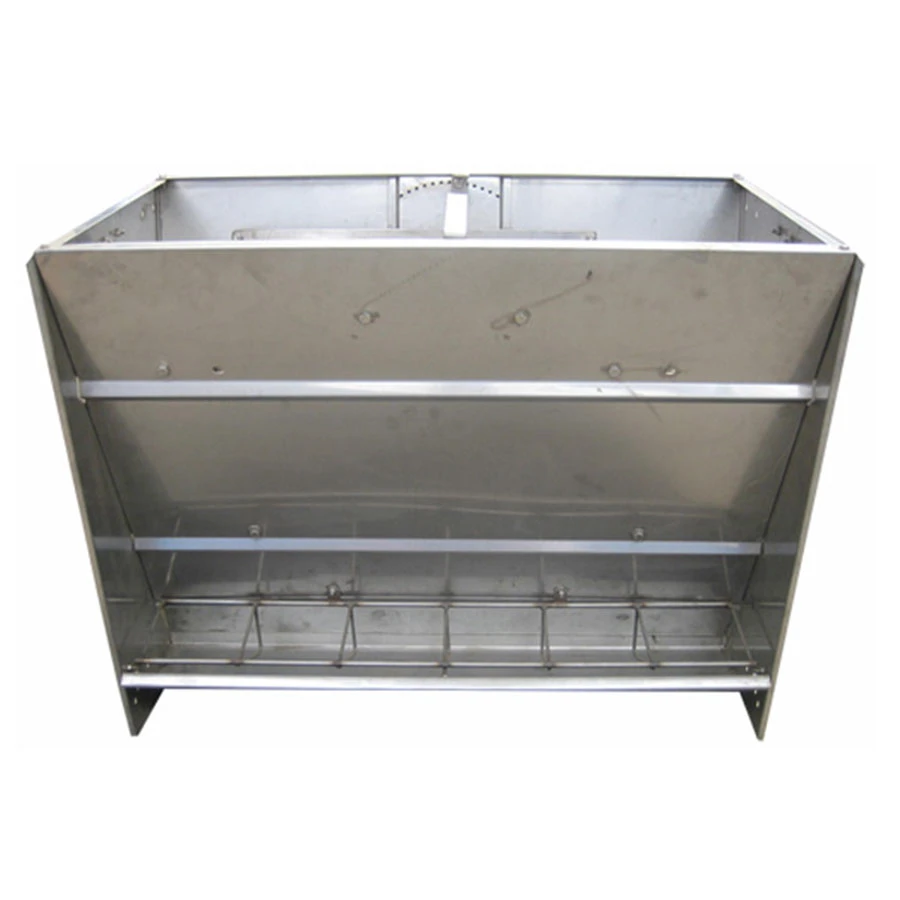
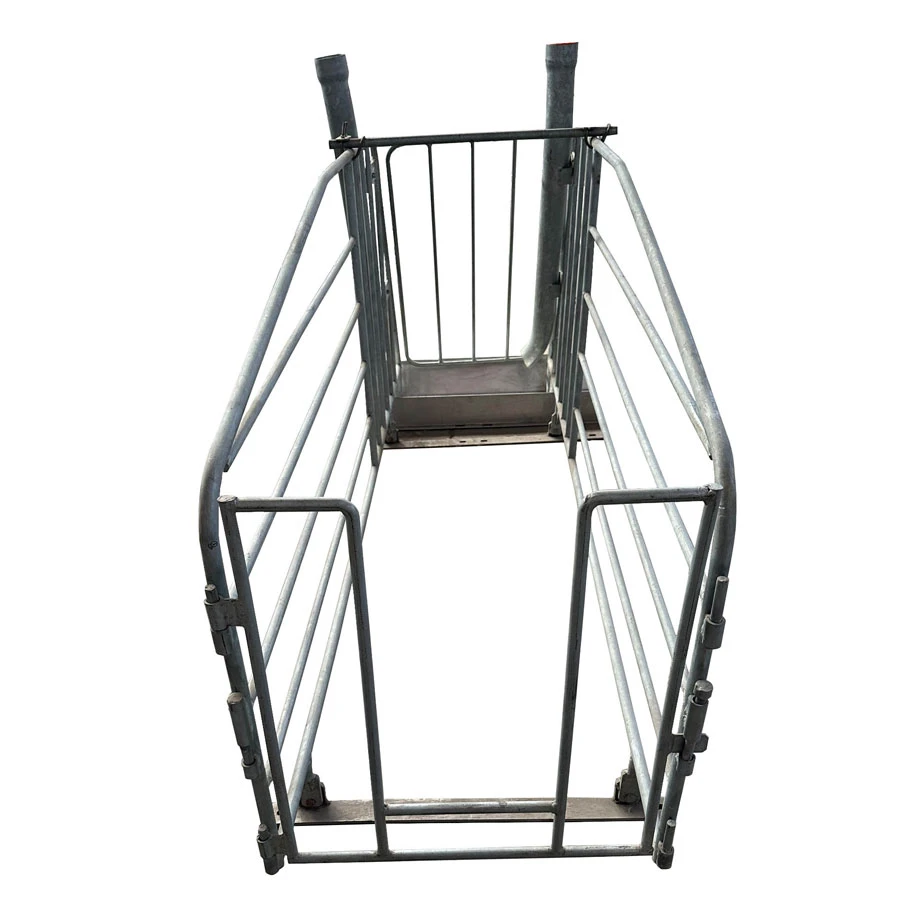
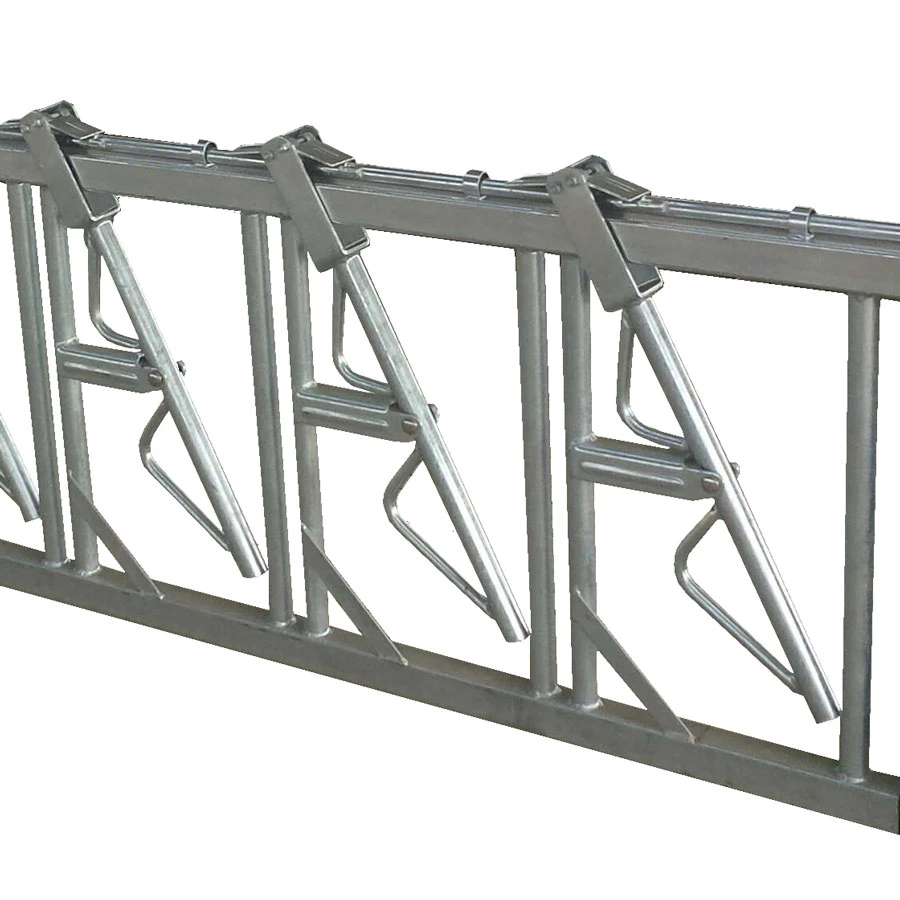
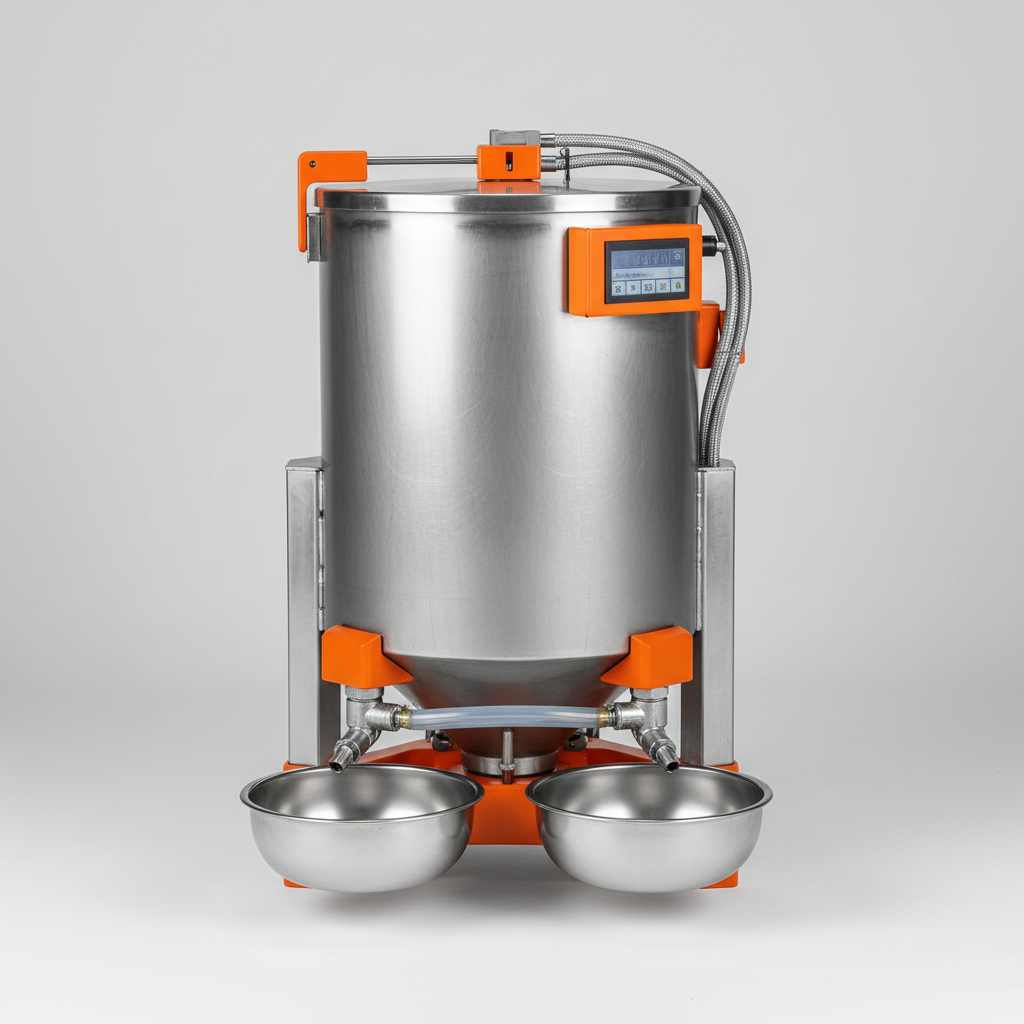
Simply put, metal hog feeders are feeding troughs or containers constructed primarily from metals like galvanized steel or stainless steel, designed specifically for pigs (hogs). Their shape, size, and features accommodate the pigs’ feeding behaviors while minimizing spillage and contamination.
In modern agriculture, these feeders are tailored to multiple farming scales — from compact designs for smaller pens to heavy-duty troughs for industrial farms. More than just “feed holders”, they help automate portions, improve sanitary conditions, and extend the feed’s freshness.
On a broader level, they contribute to the evolving relationship between technology and animal husbandry, where clever design supports ethical farming, productivity, and sustainability.
Core Components of Metal Hog Feeders: What Makes Them Tick?
Durability
One of the first things anyone notices about a good metal hog feeder is its toughness. Galvanized steel coatings protect against rust; the sturdy build withstands constant pig pressure. Durability means less frequent replacement and lower costs over time.
Ease of Cleaning
Sanitation is non-negotiable. Metal feeders are easier to clean compared to wood or plastic alternatives, helping reduce bacterial buildup. Smooth edges, minimal nooks, and corrosion-resistant finishes add to hygiene.
Feed Efficiency
Effective feeder design minimizes feed wastage. Features like lip guards or raised edges ensure that less feed ends on the floor. It’s both an economic and environmental win.
Adaptability
Feeder sizes and shapes must suit different pig ages and farming setups. Adjustable or modular feeders are a boon here — accommodating growing pigs or varying farm layouts without extra investment.
Cost Efficiency
While initial metal feeders can be pricier than wooden feeders, their longevity and feed savings generally lead to better overall ROI.
Safety
Sharp edges are obviously a no-go. Design considerations ensure pigs don’t get hurt on feeder surfaces, which supports overall animal welfare.
Mini Takeaway:
- Metal hog feeders balance durability, hygiene, and efficiency.
- Cost and safety also shape design choices.
Real-World Applications of Metal Hog Feeders
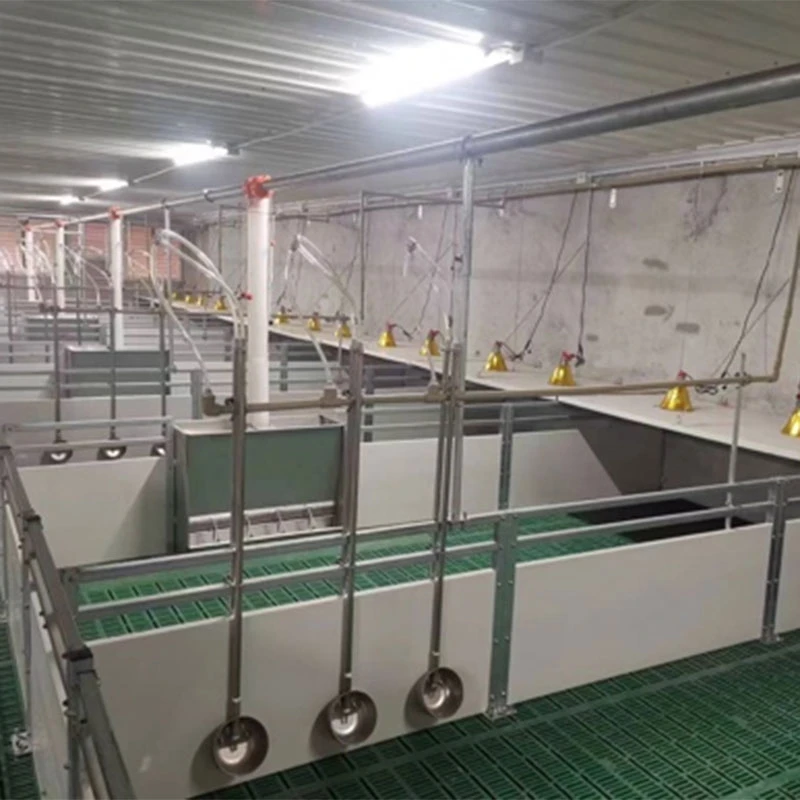
Across the globe, metal hog feeders are a mainstay in pig farming systems. In the U.S., large-scale producers rely on automated metal feeder systems integrated into their barns, reducing labor while improving feed accuracy. Meanwhile, in Southeast Asia, smallholder farmers increasingly invest in affordable galvanized feeders, often supplied by NGOs to improve local food security.
Oddly enough, metal feeders even show up in emergency and post-disaster relief efforts. For instance, in regions where natural disasters disrupt agriculture, temporary pig shelters equipped with sturdy metal feeders help maintain livestock nutrition and livelihood continuity.
Finally, environmentally progressive farms in Europe adopt stainless steel feeders compatible with waste recycling systems, helping reduce farm runoff pollution.
Metal Hog Feeder Specifications: A Typical Product Overview
| Specification | Details |
|---|---|
| Material | Galvanized Steel with powder-coated finish |
| Dimensions | 70cm (L) x 35cm (W) x 30cm (H) |
| Capacity | Up to 50 kg feed |
| Features | Anti-spill lip, non-toxic coating, bolt-mountable base |
| Weight | 6.5 kg |
| Warranty | 2 Years manufacturer limited warranty |
Comparing Leading Metal Hog Feeder Vendors
| Vendor | Material Quality | Price Range | Customization Options | Global Shipping |
|---|---|---|---|---|
| AgriMetal Supply | High-grade galvanized steel | $$ | Size, coating color | Yes |
| FarmEquip Pro | Stainless steel options | $$$ | Custom sizes, branding | Limited |
| RustFree Solutions | Powder-coated galvanized steel | $ | Standard sizes | Yes |
| Global Animal Feeders | High-grade galvanized & stainless | $$$ | Fully custom manufacturing | Yes |
Advantages & Long-Term Value of Using Metal Hog Feeders
The benefits of investing in metal hog feeders go well beyond durability. Economically, reduced feed wastage alone can save substantial sums over a farm’s lifespan. And when you factor in lower replacement costs, feeding efficiency, and cleaner pens, they become a smart business decision.
From a social perspective, well-designed feeders contribute to animal welfare — reducing stress and injury risks. This can improve overall growth rates and yields, translating to more reliable income streams for farmers. Plus, cleaner feeding setups cut down veterinary costs linked to illness.
Environmental benefits neatly tie in as well. Using durable, recyclable metal components supports circular economy practices and reduces plastic or wood waste, which often struggle to last or can leach harmful substances.
Emerging Trends and Innovations in Metal Hog Feeders
Technology is quietly transforming even this humble device. The future holds feeders equipped with IoT sensors that track feed consumption patterns and pig behavior, alerting farmers about health or environmental issues early on.
Green energy-powered automated feeders reduce labor and optimize feed delivery. Advances in powder coating and corrosion-resistant alloys are making feeders lighter and more eco-friendly. Meanwhile, new manufacturing methods like 3D metal printing open doors for bespoke designs tailored perfectly to farm needs.
Overcoming the Challenges in Metal Hog Feeder Usage
Even the best metal hog feeders face hurdles. Corrosion, especially in humid or acidic environments, remains a concern without proper coatings. Heavy feeders can be cumbersome for small-scale farmers to move or clean.
Luckily, innovation addresses these through things like modular feeder components for easier handling and advanced rust inhibitors. Training programs are helping farmers optimize feeder usage, and suppliers increasingly offer maintenance guidance alongside products.
Frequently Asked Questions About Metal Hog Feeders
- Q: How do metal hog feeders improve pig health compared to wood feeders?
- A: Metal feeders are easier to clean and less porous, reducing bacterial buildup that can cause illnesses. Their smooth surfaces reduce injury risk, promoting better health and growth.
- Q: What should I consider when choosing a metal hog feeder for a small farm?
- A: Look for feeders with manageable weight, corrosion-resistant coatings, appropriate size for your herd, and easy-to-clean design to balance cost with efficiency.
- Q: Can metal hog feeders be customized for automated feeding systems?
- A: Yes, many vendors offer feeders designed to integrate with automated feeders, including features like sensor mounts, software compatibility, and modular sizes.
- Q: How long do typical metal hog feeders last under normal farm conditions?
- A: With quality materials and proper maintenance, metal feeders generally last 5–10 years, often outliving plastic or wood versions by several years.
- Q: Are metal hog feeders environmentally sustainable?
- A: Absolutely. They reduce waste by minimizing feed spillage and are recyclable at the end of their life cycle, supporting sustainable farming practices.
Final Thoughts and Next Steps
Metal hog feeders might not grab headlines in the livestock industry, but they are silently enabling more efficient, humane, and sustainable pig farming worldwide. Their long lifespan, reduced feed waste, and role in animal welfare mean they’re a solid investment for any producer. If you’re looking to upgrade or invest in reliable feeders, consider quality metal options and metal hog feeders specifically designed to meet diverse farming needs.
Ready to boost your farm’s efficiency and sustainability? Explore a range of durable, well-designed metal hog feeders tailored for your operation at CX Livestock.
Mini Takeaway:
- Metal hog feeders offer economic, health, and environmental advantages.
- Emerging tech promises even smarter, sustainable feeding solutions.
- Choosing the right feeder depends on farm size, budget, and management style.
References
Post time: Dec . 02, 2025