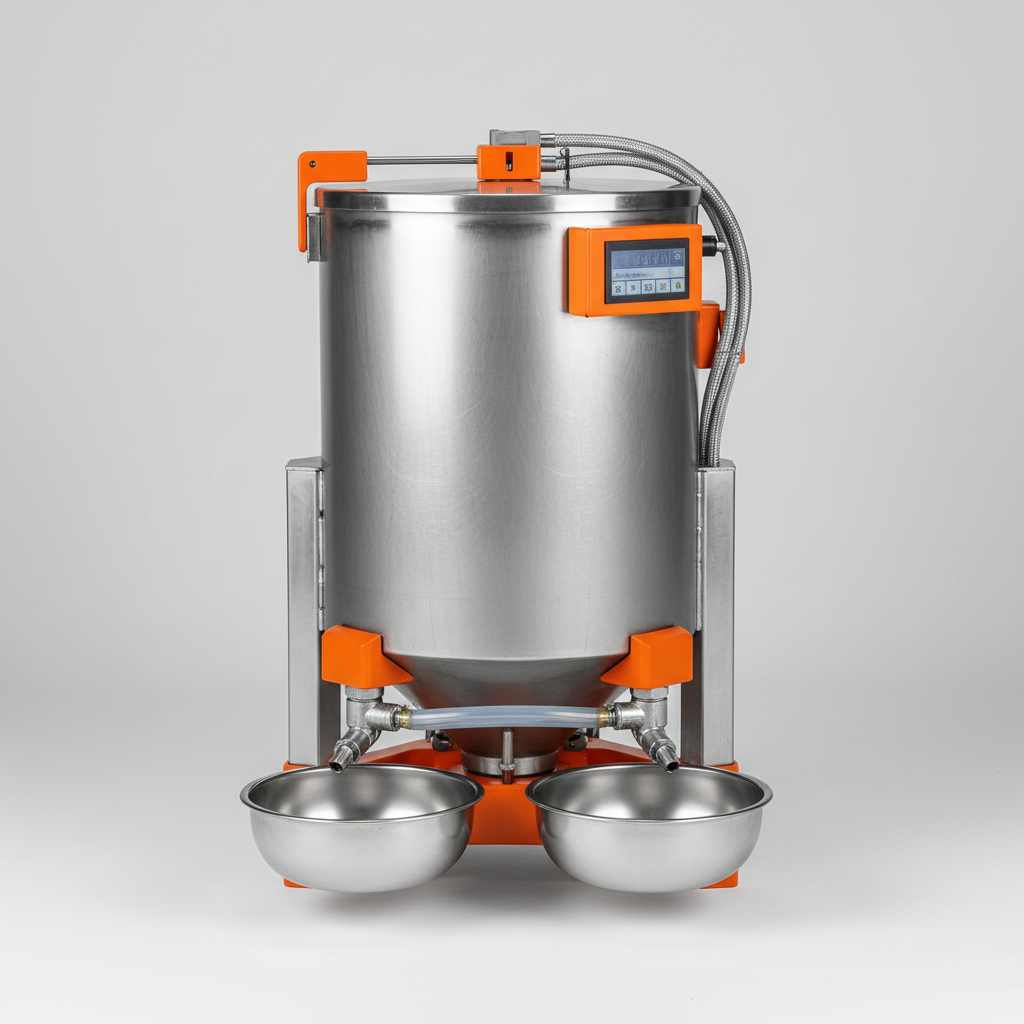
Navigating the Market for High-Performance Hog Feeders for Sale
In the rapidly evolving landscape of modern pig farming, optimizing feed efficiency and animal welfare is paramount for profitability and sustainability. The demand for advanced hog feeders for sale has never been higher, driven by a confluence of factors including rising feed costs, stringent biosecurity requirements, and the global push towards more humane livestock practices. Farmers and agricultural enterprises are increasingly seeking robust, hygienic, and intelligent feeding solutions that not only minimize waste but also support optimal growth rates and herd health.
Industry trends indicate a significant shift towards automated and semi-automated feeding systems, particularly those constructed from durable, corrosion-resistant materials like stainless steel. This move is supported by data from the Food and Agriculture Organization (FAO), which consistently highlights feed as the largest operational cost in swine production, often accounting for 60-70% of total expenses. Therefore, investments in high-efficiency feeders offer a rapid return by improving feed conversion ratios (FCR) and reducing spoilage. Moreover, the increasing adoption of wet/dry feeders and specialized farrowing and finishing feeders underscores a strategic focus on tailored nutrition delivery for different life stages of pigs. The emphasis is on long-term value, hygiene, and adaptability to various farm sizes and operational models.
The Importance of Advanced Feeding Systems
Modern pig production demands precision. Antiquated feeding methods often lead to significant feed waste, uneven growth rates within a herd, and increased labor requirements. Contemporary feeders address these challenges through innovative designs that control feed delivery, prevent spillage, and simplify cleaning. The choice of feeder material, especially the growing preference for stainless steel hog feeders for sale, is critical for biosecurity and longevity, resisting corrosion from feed additives, cleaning agents, and the harsh farm environment. Furthermore, the rise of hog self feeders for sale signifies a move towards automation, empowering pigs to access feed ad-libitum while minimizing human intervention, crucial for labor efficiency and stress reduction.
Precision Manufacturing: The Process Flow of Modern Hog Feeders
The manufacturing of high-quality pig troughs and feeders involves a meticulous process that guarantees durability, hygiene, and optimal functionality. Our commitment to engineering excellence ensures that every unit meets stringent industry standards for target industries such as large-scale commercial pig farms, breeding centers, and research facilities within the agro-industrial sector. Emphasizing advantages like energy saving through efficient feed delivery and superior corrosion resistance, our products offer an extended service life far exceeding conventional alternatives.
Manufacturing Process Steps:
-
1. Material Selection & Procurement: We meticulously select high-grade materials, primarily AISI 304 or 316L stainless steel for superior corrosion resistance, and hot-dip galvanized steel (meeting ASTM A123 standards) for robust structural components. The choice hinges on the specific feeder design and application, prioritizing longevity and hygiene in aggressive farm environments.
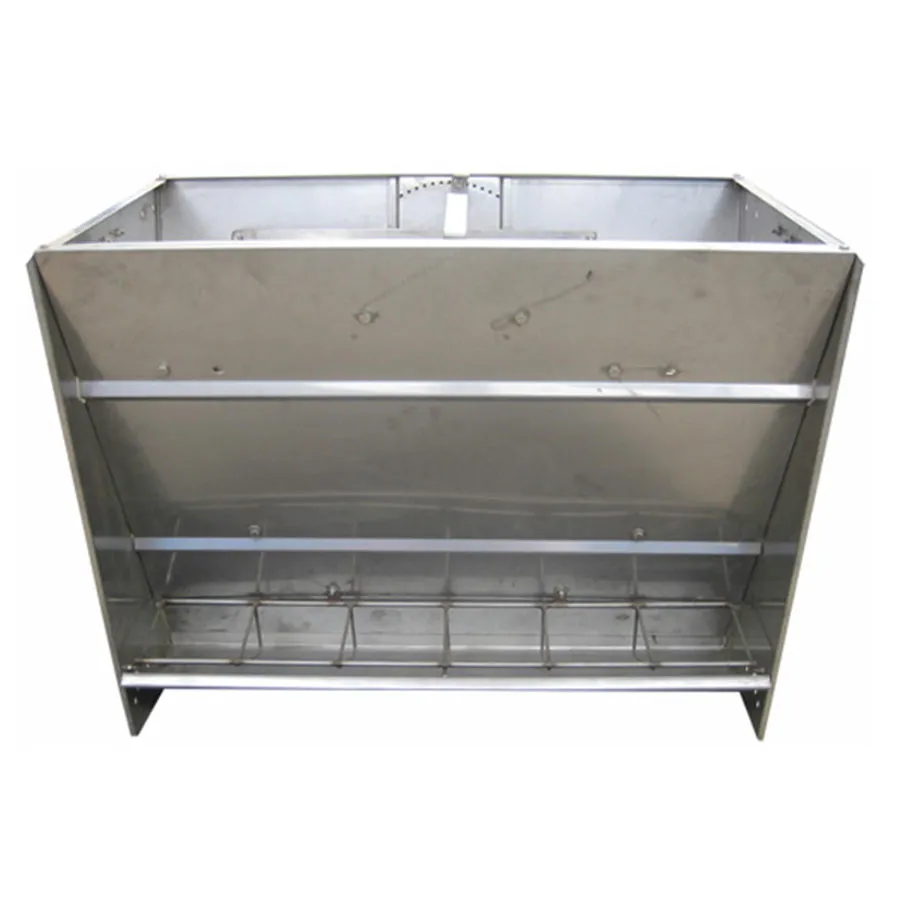
- 2. Precision Cutting & Shaping: Raw material sheets and tubes undergo advanced CNC laser cutting and plasma cutting for precise component generation. This is followed by automated bending and hydraulic pressing operations to form intricate shapes for hoppers, troughs, and dispensing mechanisms, ensuring consistent dimensions and minimal material waste.
- 3. Welding & Assembly: Components are joined using TIG (Tungsten Inert Gas) or MIG (Metal Inert Gas) welding techniques, particularly for stainless steel, to create strong, seamless joints that resist bacterial accumulation and corrosion. Precision jigs are utilized during assembly to maintain geometric accuracy, crucial for the smooth operation of feeding mechanisms.
- 4. Surface Treatment: For galvanized steel components, a thorough hot-dip galvanization process ensures a thick, durable zinc coating for unparalleled rust protection. Stainless steel parts undergo passivation, an electrochemical treatment that enhances their natural corrosion resistance by forming a protective oxide layer, while also improving surface hygiene.
- 5. Mechanism Integration & Calibration: Adjustable feed dispensing mechanisms, often utilizing a multi-stage control system, are integrated. Each mechanism is carefully calibrated to ensure accurate and consistent feed flow, preventing bridging and ensuring feed is always available on demand without spillage. This optimization contributes significantly to energy saving by reducing manual adjustments and feed waste.
- 6. Rigorous Quality Control & Testing: Every feeder undergoes comprehensive inspection. This includes dimensional verification, weld integrity checks, material composition analysis (e.g., spectral analysis for stainless steel), and functional testing of dispensing mechanisms. Products adhere strictly to ISO 9001:2015 quality management standards and relevant agricultural equipment safety norms like ASABE S400. Durability tests simulate years of farm use, ensuring a typical service life exceeding 10-15 years under normal operating conditions.
- 7. Packaging & Logistics: Finished feeders are securely packaged to prevent damage during transit, often utilizing custom crating or palletization suitable for international shipping.
This elaborate process ensures that every unit of hog feeders for sale delivered is a product of precision engineering, built for maximum efficiency and longevity in demanding agricultural environments.
Technical Specifications and Performance Parameters
Understanding the precise technical specifications of hog feeders for sale is crucial for making informed procurement decisions. Our feeders are engineered to deliver superior performance, directly impacting feed conversion ratios (FCR) and herd health. Below is a detailed breakdown of typical parameters for our Pig Trough and Feeder systems, designed for optimal functionality and longevity.
Product Specification Table: Pig Trough And Feeder
| Parameter | Specification | Benefit/Feature |
|---|---|---|
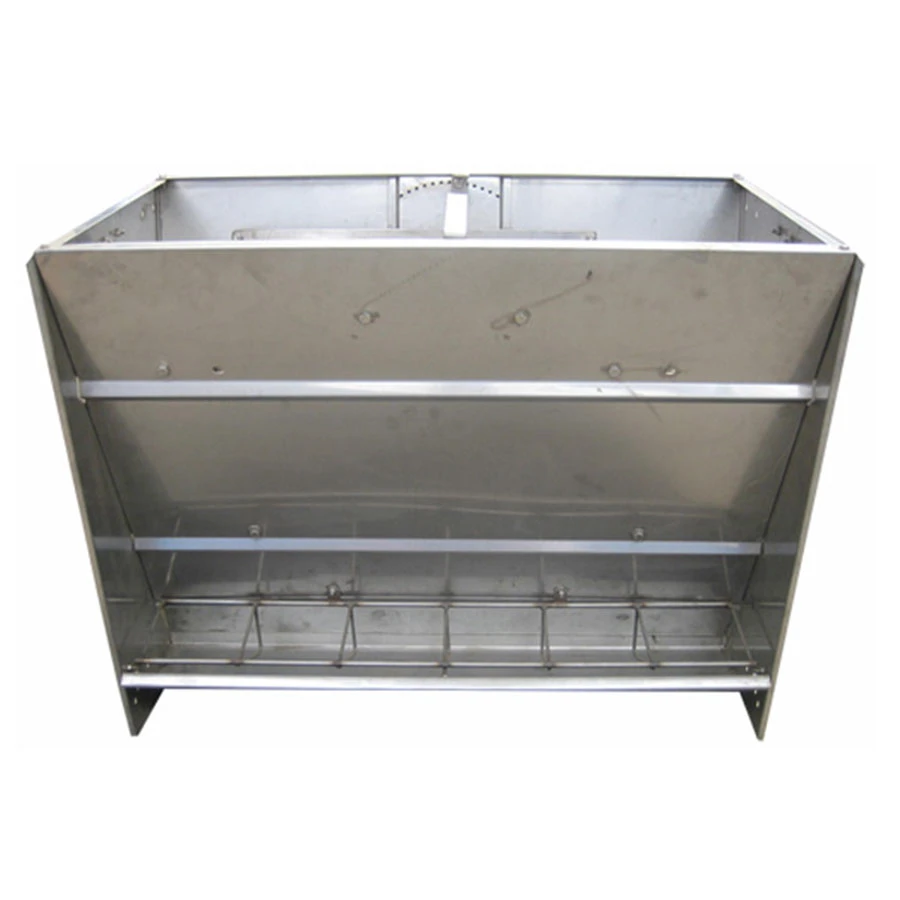
| Material Construction | AISI 304 Stainless Steel (Hopper, Trough), Hot-dip Galvanized Steel (Frame, Support) | Exceptional corrosion resistance, superior hygiene, easy to clean, long service life, suitable for diverse feed types. |
| Capacity Range | Typically 50 kg to 200 kg (dry feed equivalent), adaptable for 10-50 finisher pigs per unit. | Reduced frequency of refilling, caters to various herd sizes, supports ad-libitum feeding strategies. |
| Feed Ports / Spaces | 2 to 10 feeding spaces, dependent on model (e.g., single-sided vs. double-sided). | Minimizes competition among pigs, promotes even growth, reduces stress. |
| Feed Delivery Mechanism | Adjustable gravity-fed or lick-feed system, often with a wet/dry option. | Precision feed flow control, minimizes waste, accommodates various feed consistencies (meal, pellet, wet mash). |
| Dimensions (L x W x H) | Vary by model, e.g., 1000mm x 500mm x 900mm (standard finisher feeder). Custom sizes available. | Space optimization, adaptability to different pen layouts, ergonomic design for pig access. |
| Adjustability | Multi-point feed gate adjustment with visual indicators. | Fine-tuning feed delivery to match pig age/weight and diet, critical for FCR optimization. |
| Service Life Expectancy | 10-15+ years under recommended maintenance. | High return on investment, reduced replacement costs, sustainable farm operation. |
| Compliance Standards | ISO 9001:2015 (Quality Management), CE Certified (European Safety), ASABE S400 (Agricultural Equipment Safety). | Ensures product quality, safety, and reliability, facilitating international market acceptance. |
These parameters underscore our commitment to delivering robust feeding solutions that are not just durable but also intelligently designed for peak performance and long-term economic benefit.
Versatile Application Scenarios for Optimal Pig Production
Our range of hog feeders for sale is designed to seamlessly integrate into various stages of pig production, from farrowing to finishing. The adaptability and robust construction make them ideal for diverse farming environments, emphasizing feed efficiency and biosecurity across all application scenarios. These feeders contribute significantly to minimizing feed waste, ensuring consistent nutrient intake, and simplifying farm management for unparalleled productivity.
Typical Application Environments:
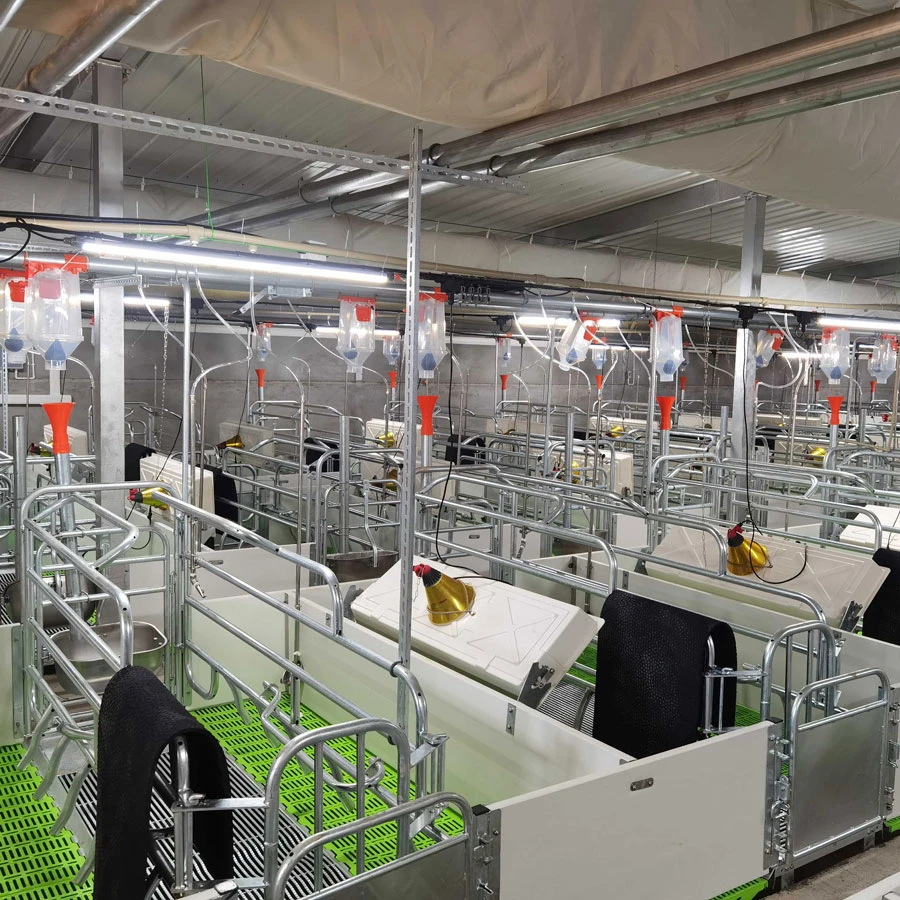
- Farrowing Units: Specialized feeders designed for lactating sows and their piglets. These units often feature separate compartments or adjustable heights to accommodate both, ensuring sows receive adequate nutrition for milk production while providing easy access for piglets to creep feed, promoting early growth and reducing sow weight loss.
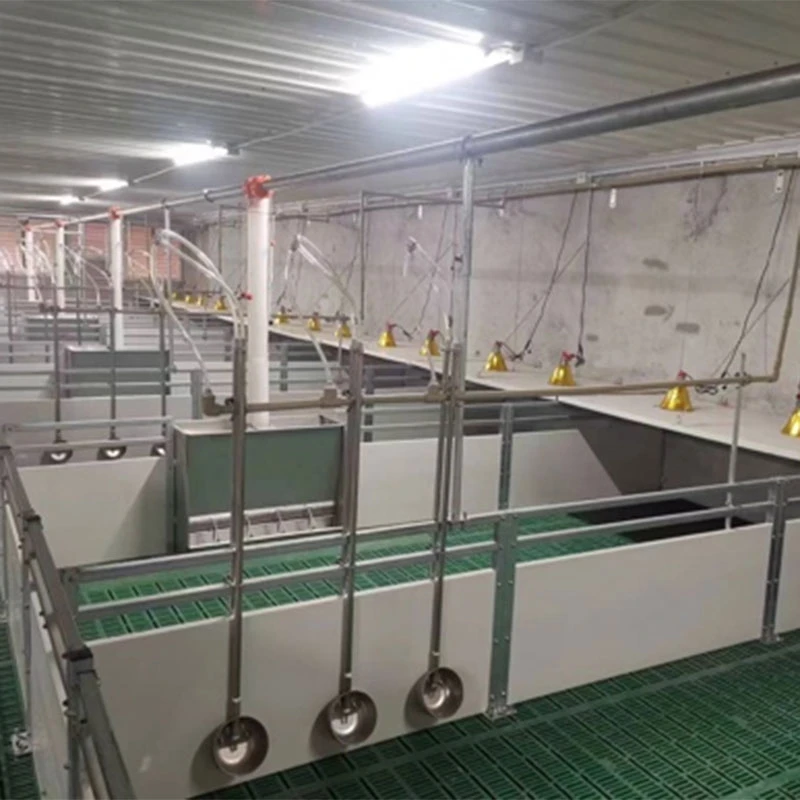
- Weaner/Nursery Sections: Feeders for young pigs post-weaning, critical for transition. These feeders typically have smaller, easily accessible troughs and highly adjustable feed mechanisms to prevent overfeeding or feed bridging, supporting the delicate digestive systems of piglets and promoting rapid, healthy growth.
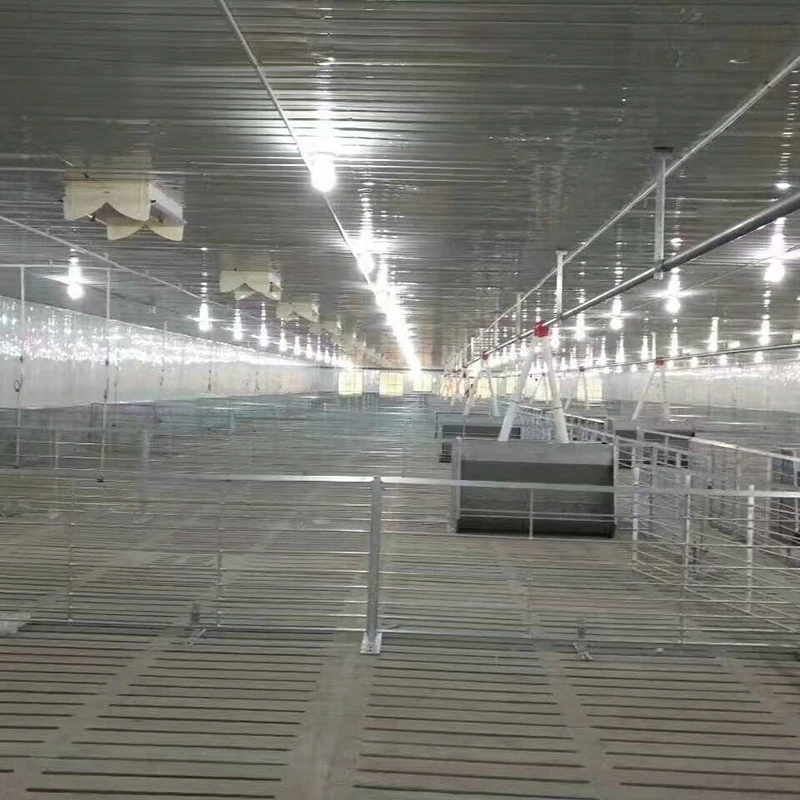
- Grower/Finisher Facilities: High-capacity hog self feeders for sale designed for larger pigs, minimizing human intervention. These robust feeders, often constructed from stainless steel hog feeders for sale, feature multiple feeding spaces and sophisticated feed delivery systems (e.g., wet/dry feeders) to maximize intake and accelerate weight gain, directly impacting slaughter readiness.
- Gestation Pens: While often using controlled feeding, specialized troughs can be integrated for specific dietary needs or ad-libitum access to certain supplements, contributing to sow health and reproductive performance.
- Research & Development Farms: Precision feeders are invaluable for controlled feeding trials, allowing researchers to accurately measure feed intake and FCR under various dietary and environmental conditions, thereby optimizing feed formulations and management strategies.
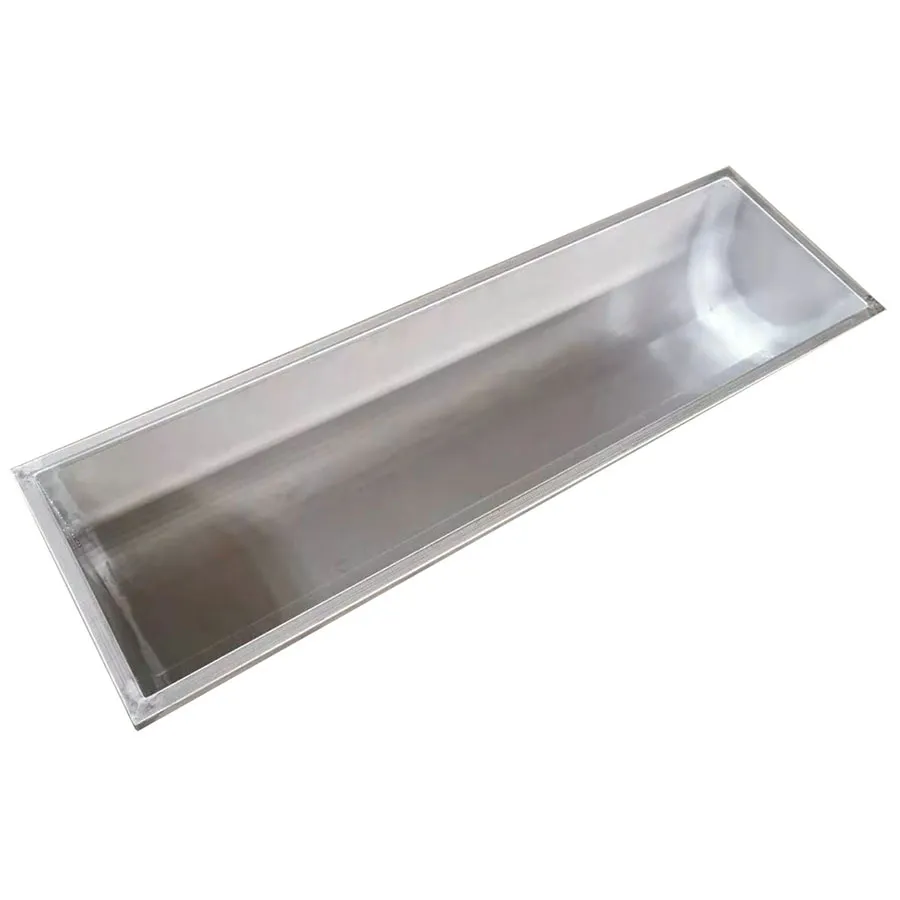
In each scenario, the focus remains on ensuring hygienic feed presentation, minimizing waste, and supporting the specific nutritional requirements of pigs at different physiological stages. This adaptability allows farms to achieve higher efficiency and better animal welfare outcomes across their entire operation.
Unparalleled Technical Advantages in Pig Feeding Equipment
Our advanced range of hog feeders for sale provides a distinct competitive edge through a suite of technical advantages. These benefits are not merely features but engineered solutions designed to enhance operational efficiency, reduce costs, and improve animal welfare within modern pig farming operations. Our commitment to innovation ensures that our feeders exceed industry benchmarks.
Key Technical Advantages:
- Superior Feed Conversion Ratio (FCR): Precision feed delivery mechanisms prevent spillage and ensure consistent access to fresh feed. Studies show optimized feeder designs can improve FCR by 5-10%, leading to substantial feed cost savings over a production cycle. Our designs minimize waste by up to 20% compared to conventional troughs.
- Exceptional Corrosion Resistance and Hygiene: Predominantly constructed from AISI 304/316L stainless steel hog feeders for sale, our products are highly resistant to acids, alkalis, and moisture, preventing rust and bacterial growth. Smooth, crevice-free surfaces facilitate thorough cleaning and disinfection, crucial for biosecurity and disease prevention.
- Robust Durability and Extended Service Life: Utilizing heavy-gauge stainless steel and industrial-grade hot-dip galvanized components, our feeders are built to withstand the harsh conditions of intensive pig farming. With a design life exceeding 10-15 years, they offer a low total cost of ownership (TCO) compared to less durable alternatives.
- Optimized Feed Delivery and Flow: Patented agitation and anti-bridging mechanisms ensure a continuous, uniform flow of various feed types (meal, pellets, wet mash). Adjustable feed gates allow for precise control over feed availability, adapting to different pig ages and growth stages.
- Enhanced Animal Welfare: Ergonomically designed feeding spaces reduce competition and stress among pigs, promoting more uniform growth within the herd. Wet/dry feeder options encourage water intake alongside feed, which is proven to enhance digestion and overall pig health.
- Reduced Labor and Maintenance: The self-feeding design of many of our units, categorizing them as hog self feeders for sale, minimizes manual feed distribution. Easy-to-clean surfaces and modular construction simplify maintenance, leading to significant labor cost reductions for farm operators.
- Modular and Scalable Design: Our feeders are designed with modularity in mind, allowing for easy expansion, customization, and integration into existing or new farm setups. This flexibility supports diverse farm sizes and future growth.
These advantages collectively translate into tangible benefits for our clients, ensuring a higher return on investment, improved herd health, and more sustainable pig production practices.
Vendor Comparison: Choosing the Right Hog Feeder Partner
Selecting the right supplier for hog feeders for sale is a critical decision that impacts long-term operational costs, animal health, and farm productivity. While many manufacturers offer feeding solutions, discerning buyers prioritize technical superiority, material quality, and comprehensive support. This comparison highlights key differentiators to consider when evaluating various vendors.
Comparative Analysis of Hog Feeder Offerings:
| Feature/Criterion | Our Premium Feeder Solution | Standard Galvanized Feeder | Basic Plastic Feeder |
|---|---|---|---|
| Primary Material | AISI 304/316L Stainless Steel, Heavy-duty Hot-dip Galvanized Steel | Commercial Grade Hot-dip Galvanized Steel | UV-stabilized Polypropylene or HDPE |
| Corrosion Resistance | Excellent (Ideal for wet/dry and acidic feeds, cleaning agents) | Good (Prone to wear in highly corrosive environments over time) | Moderate (Can degrade with UV exposure, cleaning chemicals, or physical stress) |
| Hygiene & Cleaning | Superior (Smooth, non-porous surfaces, easy disinfection, minimizes bacterial biofilm) | Good (Can have rougher surfaces, some difficulty in complete disinfection) | Fair (Porous surface can harbor bacteria, challenging to sterilize, can scratch easily) |
| Service Life | 10-15+ Years (High ROI, minimal replacement) | 5-8 Years (Moderate ROI, eventual replacement costs) | 2-5 Years (Low initial cost, high frequent replacement costs) |
| Feed Waste Reduction | Optimized design (up to 20% reduction), adjustable precise feed flow | Moderate design, some spillage possible | Minimal anti-waste features, significant spillage common |
| Target Pig Group | All stages (farrowing, nursery, grower, finisher), specialized models available | Nursery, Grower, Finisher | Often limited to nursery or smaller groups |
| Customization Options | Extensive (Dimensions, capacity, feed mechanisms, integration with automation) | Limited (Standard models only) | Very limited (Off-the-shelf only) |
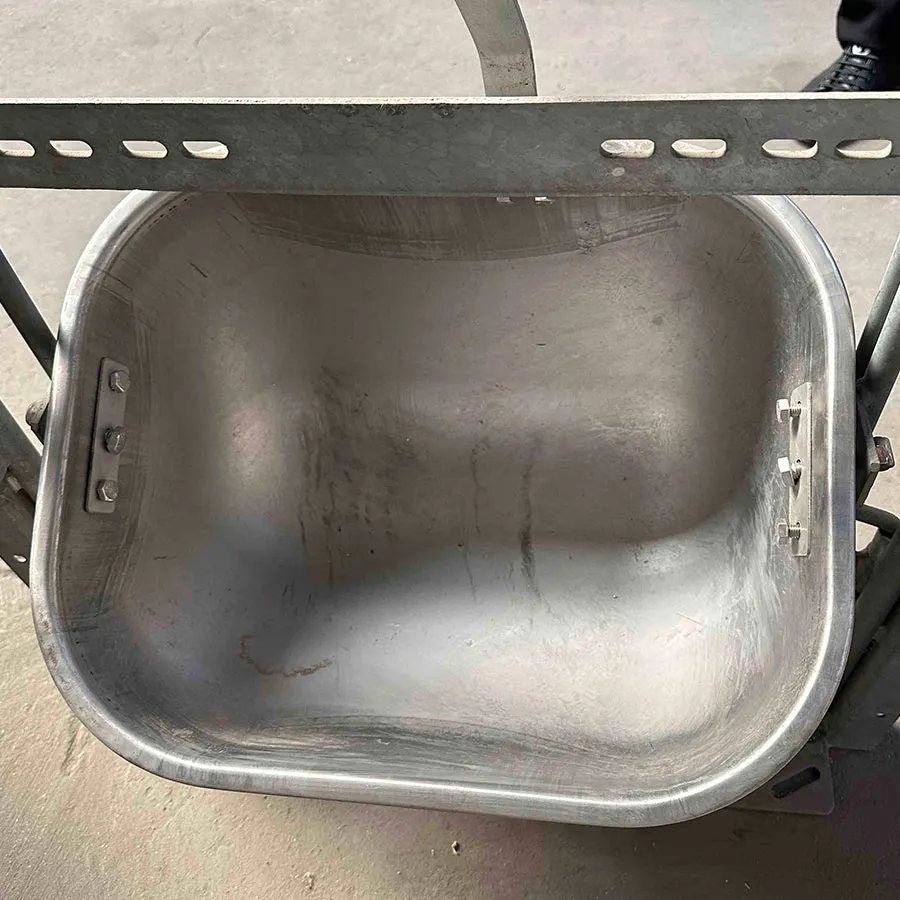
This comparison clearly illustrates the superior long-term value and performance offered by premium stainless steel hog feeders for sale. While initial investment might be higher, the benefits in terms of durability, hygiene, feed efficiency, and reduced operational costs far outweigh the upfront expenditure, establishing us as a preferred partner for discerning agricultural enterprises.
Tailored Solutions: Customization for Unique Farm Needs
Recognizing that no two pig farms are identical, we offer extensive customization options for our hog feeding solutions. This bespoke approach ensures that our products integrate perfectly with your specific operational layout, herd management practices, and growth objectives. From minor adjustments to complete redesigns, our engineering team collaborates closely with clients to develop feeders that meet precise requirements, maximizing efficiency and return on investment.
Customization Capabilities Include:
- Dimension and Capacity Modifications: Adjustments to length, width, height, and hopper volume to fit unique pen sizes, building constraints, or desired feeding intervals.
- Material Grade Selection: Option for AISI 316L stainless steel for environments requiring even higher corrosion resistance (e.g., specific feed additives, coastal regions).
- Specialized Feeding Mechanisms: Development of bespoke wet/dry systems, unique lick-feed designs, or integration with advanced automated feed delivery systems for precise control.
- Integration with Existing Infrastructure: Designing feeders for seamless connection to specific feed lines, water systems, or existing pen partitioning, minimizing installation complexity.
- Custom Mounting Solutions: Adaptations for various mounting types, including floor-standing, wall-mounted, or suspended systems, to optimize space and accessibility.
- Enhanced Biosecurity Features: Incorporating additional design elements, such as higher backsplashes, deeper troughs, or specialized covers, to meet stringent biosecurity protocols.
- Branding and Labeling: Custom branding or specific labeling requirements for large-scale operations or distribution partners.
Our engineering team employs advanced CAD software and Finite Element Analysis (FEA) to ensure customized designs maintain structural integrity and performance, adhering to all relevant standards. This capability allows us to provide truly optimized solutions, ensuring our clients receive the most effective hog self feeders for sale tailored to their exacting specifications.
Real-World Impact: Application Case Studies
Our commitment to delivering high-performance feeding equipment is best demonstrated through the measurable successes of our clients. These case studies highlight how tailored feeding solutions lead to significant improvements in operational efficiency, feed conversion, and overall profitability. Our consistent partnerships with leading agricultural enterprises underscore our authoritative standing in the market.
Case Study 1: Large-Scale Finisher Farm Modernization (Midwest USA)
A major commercial pig farm operating over 10,000 finisher pigs sought to upgrade its outdated wooden and plastic feeding systems, which suffered from high feed waste and poor hygiene. They invested in 200 units of our double-sided stainless steel hog feeders for sale, specifically designed for wet/dry feeding.
- Challenge: 15% estimated feed waste, frequent feeder repairs, and challenges in maintaining biosecurity due to material degradation.
- Solution: Deployment of our AISI 304 stainless steel wet/dry feeders with multi-stage adjustable feed gates and integrated water nipples.
- Results (within 12 months):
- Feed Waste Reduction: Documented decrease from 15% to under 3%, saving over $150,000 annually in feed costs.
- FCR Improvement: Average FCR improved by 0.05 points (e.g., from 2.80 to 2.75), leading to faster growth rates and earlier market readiness.
- Labor Savings: 25% reduction in cleaning time and zero feeder-related maintenance issues reported, freeing up staff for other critical tasks.
- Animal Health: Reduced incidence of digestive issues and improved overall herd uniformity.
Case Study 2: Nursery Farm Expansion (Southeast Asia)
A rapidly expanding nursery farm, increasing capacity by 5,000 piglets, required reliable and hygienic feeders to support early growth stages. They opted for our specialized nursery feeders, focusing on ease of cleaning and minimal feed bridging.
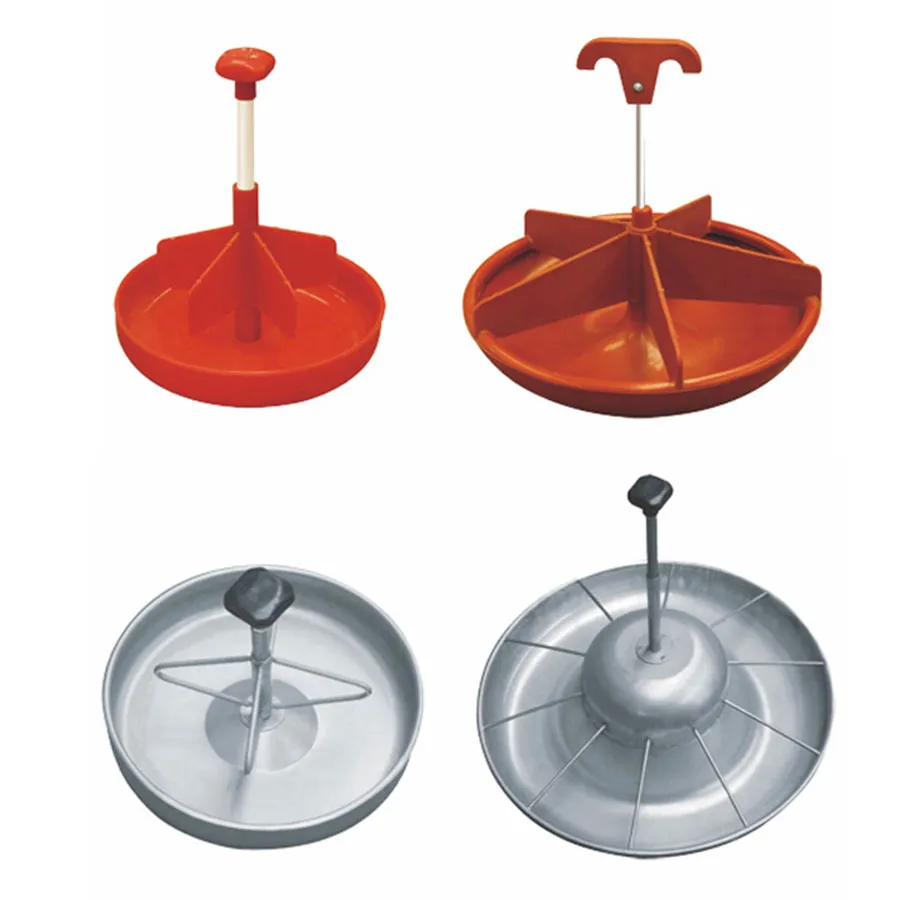
- Challenge: Previous feeders were difficult to clean, leading to inconsistent feed intake and occasional disease outbreaks.
- Solution: Installation of 100 custom-sized hog self feeders for sale from our range, featuring smooth internal surfaces and easily accessible cleaning points.
- Results (within 6 months):
- Disease Control: Significant reduction (estimated 40%) in nursery mortality rates directly attributed to improved hygiene and consistent feed access.
- Growth Uniformity: Enhanced piglet uniformity at weaning and transfer, streamlining subsequent stages.
- Operational Efficiency: Cleaning cycles shortened by 30%, increasing available time for animal observation.
These examples demonstrate the tangible benefits clients gain by choosing our expertly engineered feeding solutions, showcasing our experience and the authoritativeness of our products in diverse real-world applications.
Trust and Reliability: Your Partner in Pig Farming Equipment
Building trust with our B2B clients is paramount. We stand by the quality and performance of our feeding equipment through transparent policies, robust support, and clear commitments. Our dedication to trustworthiness ensures a seamless procurement experience and reliable long-term partnership.
Frequently Asked Questions (FAQ)
Q1: What materials are your feeders primarily made from?
A1: Our feeders are primarily constructed from high-grade AISI 304 or 316L stainless steel for feed contact surfaces and hot-dip galvanized steel for structural frames, ensuring maximum durability and hygiene.
Q2: What is the estimated service life of your feeders?
A2: With proper maintenance, our stainless steel hog feeders for sale are designed for a service life exceeding 10-15 years, offering an exceptional return on investment.
Q3: Can your feeders be customized for specific farm layouts or pig stages?
A3: Yes, we offer extensive customization options for dimensions, capacity, feed mechanisms, and material grades to precisely match your operational needs. Our engineering team will work with you to develop tailored solutions.
Q4: How do your feeders contribute to improved feed conversion ratios?
A4: Our feeders feature precision-engineered feed delivery mechanisms that minimize spillage and bridging, ensuring consistent access to fresh feed. This reduces waste and encourages optimal intake, directly improving FCRs by 5-10% compared to less efficient designs.
Lead Time & Fulfillment
Standard models of our feeding solutions typically have a lead time of 4-6 weeks from order confirmation to dispatch, depending on order volume and current production schedules. Custom orders require a more specific timeline, usually ranging from 8-12 weeks, as they involve design finalization and specialized manufacturing. We maintain transparent communication throughout the order fulfillment process, providing regular updates on production status and shipping estimates.
Warranty Commitments
We provide a comprehensive 2-year warranty on all manufacturing defects and material failures for our Pig Trough And Feeder equipment from the date of purchase. This warranty underscores our confidence in the quality and durability of our products, offering peace of mind to our clients. Full terms and conditions are available upon request.
Dedicated Customer Support
Our commitment extends beyond product delivery. We offer dedicated after-sales support, including technical assistance for installation, operation, and maintenance. Our team of experienced agricultural equipment specialists is available to provide guidance and troubleshoot any issues, ensuring the long-term optimal performance of your hog self feeders for sale. Contact us via phone or email for prompt and professional assistance.
Conclusion
Investing in high-quality hog feeders for sale is a strategic decision that directly impacts the profitability, sustainability, and efficiency of modern pig farming operations. Our commitment to advanced engineering, superior materials like stainless steel, and client-centric customization ensures that our feeding solutions offer unmatched durability, hygiene, and feed efficiency. By reducing waste, improving FCR, and enhancing animal welfare, our feeders provide a significant competitive advantage, delivering a substantial return on investment for agricultural enterprises globally.
References
- Food and Agriculture Organization of the United Nations (FAO). "The State of Food and Agriculture (SOFA)." Annual reports, various years.
- American Society of Agricultural and Biological Engineers (ASABE). "Standards for Agricultural Equipment." ASABE Standards S400, S602, etc.
- National Pork Board. "Swine Production Handbook." Best Management Practices for Pork Production, various editions.
- Journal of Animal Science. Peer-reviewed articles on swine nutrition and feed efficiency.
- ISO (International Organization for Standardization). ISO 9001:2015 - Quality management systems.
Post time: Sep . 12, 2025