The Practical Impact of a Galvanised Cattle Water Trough
At first glance, the humble galvanised cattle water trough might not seem like a tech breakthrough or environmental marvel — but it’s quietly reshaping agricultural practices worldwide. Whether you're a farmer in Kansas or managing livestock in parts of sub-Saharan Africa, providing safe, reliable water access to cattle is pivotal. Understanding these troughs means recognizing a global push for sustainable farming, animal welfare, and food security. Not to mention, investing in the right trough can save you time, costs, and headaches down the road.
How a Galvanised Cattle Water Trough Fits into Global Agriculture
Globally, livestock accounts for nearly 40% of agricultural GDP according to the Food and Agriculture Organization (FAO). Water access is a critical bottleneck, especially in arid and drought-prone regions.
For instance, in Australia and parts of the U.S., drought conditions have made decades-old watering systems obsolete. This is where galvanised water troughs come in, their corrosion-resistant coating ensures durability under extreme weather. The United Nations has also emphasized water-efficient livestock infrastructure as key to sustainable rural development (UN Water Decade).
However, the challenge remains: how to combine cost-effectiveness with long-term performance. A cheap plastic trough might crack after a season; a wooden one may rot. Galvanised steel offers a dependable middle ground — but only if designed right.
What Exactly Is a Galvanised Cattle Water Trough?
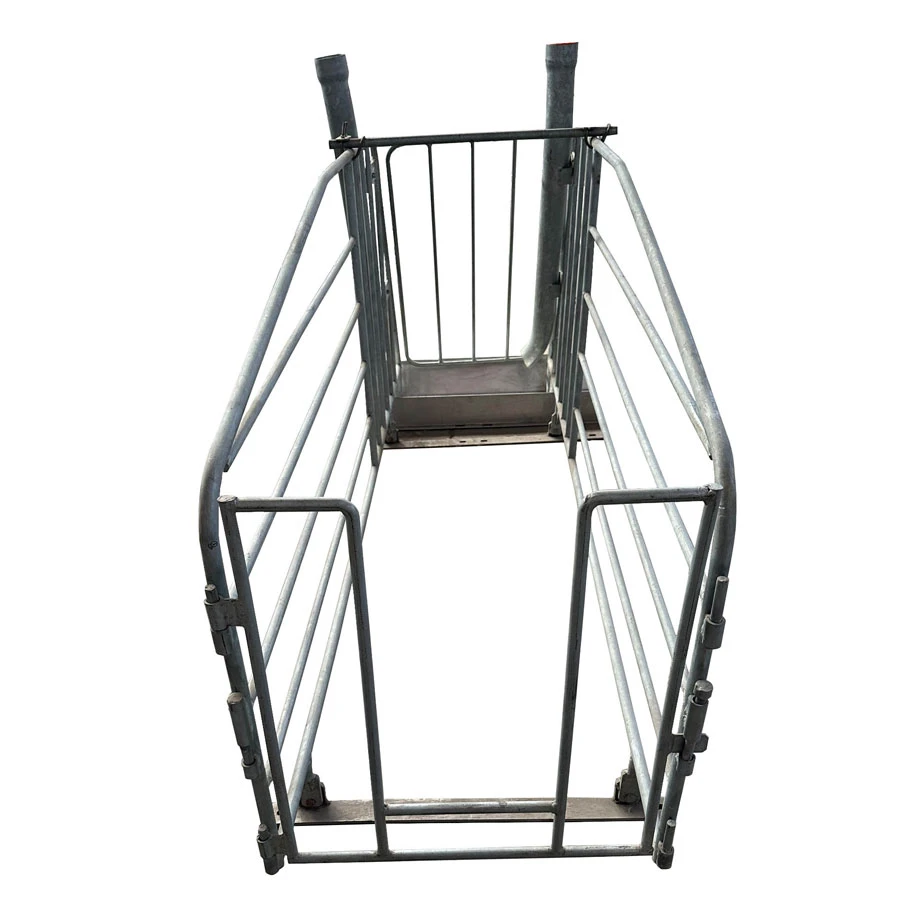
Simply put, it's a water container for cattle, made from steel that’s been coated with zinc (galvanised) to prevent rust. This coating extends the life of the trough, even when exposed to rain, mud, and the less-than-gentle touches of cattle.
In industry terms, it’s part of animal husbandry infrastructure — a crucial piece of the puzzle that links effective livestock raising with food production and climate resilience. On the humanitarian side, these troughs represent innovation for communities vulnerable to water scarcity and livestock diseases, helping secure livestock health and livelihoods.
Core Components That Make These Troughs Effective
1. Durability & Corrosion Resistance
The galvanising process coats the steel thoroughly, creating a shield against rust and wear. This means fewer replacements and less maintenance — especially vital in harsh climates or remote areas.
2. Capacity & Size Flexibility
Sizes vary, from small portable troughs for rotational grazing to large fixed structures for feedlots. Matching capacity to herd size avoids water wastage and ensures animals stay hydrated efficiently.
3. Ease of Installation & Maintenance
Most galvanised troughs are designed to be set up quickly with basic tools. Their smooth coatings make cleaning simple, reducing risks of algae buildup or contamination.
4. Cost Efficiency Over Lifetime
Though initial costs might be higher than plastic or wooden alternatives, their longevity translates into better ROI. Fewer replacements mean less environmental waste too.
5. Safety & Welfare Features
Rounded edges, smooth surfaces, and appropriate depth prevent injury to animals — small design nuances that matter a lot in everyday farm life.
| Specification | Range / Values | Notes |
|---|---|---|
| Material Thickness | 1.5 - 3.0 mm | Thicker steel boosts durability |
| Capacity | 50 – 500+ liters | Varies by herd size |
| Galvanising Coating | Hot-dipped zinc; 80-150 μm thickness | Standard in livestock troughs |
| Dimensions | Various (e.g., 100x60x40 cm) | Customizable per farm need |
| Weight | 15 – 35 kg | Depends on size & material |
Global Applications of Galvanised Cattle Water Troughs
From the dusty plains of Kenya to the green pastures of Ireland, farmers and agencies rely on galvanised cattle water troughs for hydration infrastructure. In places like India’s drought-prone regions, NGOs deploy these troughs rapidly to improve livestock survival during water shortages.
Industrial cattle feedlots across North America often invest in automated systems combined with galvanised troughs for durability and hygiene. Meanwhile, in Australia, government grants help sheep and cattle farmers upgrade old, unsafe water points with modern galvanised equipment.
Oddly enough, their use extends beyond farms. Some remote industrial mining sites use galvanised troughs for onsite livestock or working horses, employing robust materials to withstand tough conditions.
Why Choose a Galvanised Cattle Water Trough? The Benefits
- Longevity: Outlasts plastic/wooden alternatives by years, reducing replacement costs.
- Safety: Designed to prevent injury and contamination, preserving animal welfare.
- Sustainability: Steel is recyclable, and galvanised coatings minimize corrosion waste.
- Cost-Effectiveness: Initial investment pays off through fewer repairs and replacements.
- Reliability: Performs well under varying climates, often requiring little maintenance.
Emotionally, knowing your livestock has constant access to clean water builds trust and confidence — whether you’re managing thousands of heads or just a handful. It’s innovation at its most practical.
Upcoming Innovations & Trends in Cattle Watering Solutions
Future trends lean heavily into automation and sustainability. Solar-powered water pumps combined with galvanised troughs optimize water use while reducing environmental impact. Smart sensors can monitor water levels remotely, a tech leap for remote farms.
Material science is also exploring even tougher coatings and hybrid composites, aiming to combine the strength of galvanising with lighter weight options for easier transportation.
Legislations and certifications around animal welfare (ISO 23503 is in progress) push manufacturers to improve design standards continually — game-changers for the sector.
Challenges & Smart Fixes in Galvanised Trough Use
Problems? Sure. For one, galvanised coatings may wear unevenly if the trough is scratched or dented, leading to rust spots. To avoid this, some farmers add protective liners or employ regular maintenance checks.
Also, sourcing large troughs in remote areas can be costly and slow; modular designs that assemble onsite are gaining popularity. Some newer vendors offer customized sizes, speeding up delivery for niche farm needs.
Drainage and freezing in colder climates remain issues but can be mitigated with built-in heating systems or insulated models.
Comparing Leading Galvanised Cattle Water Trough Suppliers
| Supplier | Product Range | Customization | Lead Time | Price Range |
|---|---|---|---|---|
| FarmEquip Co. | Small to Large Troughs | Yes, onsite assembly | 2-4 weeks | $$ |
| SteelLivestock Ltd. | Industrial sizes + accessories | Limited | 4-6 weeks | $$$ |
| Rural Solutions | Mid-range sizes, portable | Yes, with custom colors | 1-3 weeks | $ |
Frequently Asked Questions About Galvanised Cattle Water Troughs
- Q: How long does a typical galvanized cattle water trough last?
- A: With proper maintenance, most galvanised troughs last 10-20 years, sometimes longer. Their zinc coating prevents rusting effectively if the surface isn't scratched or damaged.
- Q: Can galvanised troughs be used in freezing climates?
- A: Yes, but without proper insulation or heating, water can freeze. Many suppliers offer insulated models or recommend location strategies to reduce freezing risk.
- Q: Are there environmental concerns with galvanized steel?
- A: The galvanising process is safe, and steel is recyclable. Using galvanized troughs can reduce waste compared to plastic ones that degrade more quickly.
- Q: What is the best way to clean and maintain a galvanised water trough?
- A: Regular rinsing with fresh water, periodic scrubbing to prevent algae, and inspecting for dents or scratches keeps troughs in top shape.
- Q: Where can I buy a custom-sized galvanized cattle water trough?
- A: Vendors like FarmEquip Co. and galvanised cattle water trough suppliers often provide customization options with reasonable lead times.
Wrapping Up: Why the Galvanised Cattle Water Trough Stands the Test of Time
Ultimately, investing in a galvanised cattle water trough is investing in reliability, animal welfare, and long-term savings. They’re simple, yes, but that’s their strength. In a world increasingly hungry for sustainable agricultural solutions, these troughs quietly support some of the hardest-working livestock operations globally.
Thinking of upgrading your watering system? Visit our website for options tailored to your needs — because your herd deserves nothing less.
References
Post time: Dec . 02, 2025