The Essentials of a Cattle Drinking Trough Galvanised 1800mm: Why It Matters Worldwide
If you’re involved in livestock farming or agricultural infrastructure, you’ve likely come across the term cattle drinking trough galvanised 1800mm. At first glance, it sounds purely technical—a steel trough sized at 1.8 meters and galvanised against rust. But dig a little deeper, and you’ll see how vital these troughs are to global food security, animal welfare, and sustainable farming across continents.
Globally, livestock supplies roughly 40% of the world’s agricultural GDP, according to the Food and Agriculture Organization (FAO). Majoring on good hydration in cattle is no small matter; a quality drinking trough can spell the difference between healthy herds and costly disease outbreaks. And that’s where the humble galvanised 1800mm trough steps into the spotlight.
Mini takeaway: Beyond being just a container, a cattle drinking trough galvanised 1800mm plays a quiet yet critical role in livestock health and farming efficiency globally.
Why the Cattle Drinking Trough Galvanised 1800mm Has a Place on the World Stage
In a world increasingly focused on sustainable agriculture and climate resilience, how we care for animals has never been more scrutinised. The 1,800mm galvanised trough isn’t just any water feeder; it’s a globally-adopted solution designed to withstand rugged conditions — from the arid plains of Africa to the lush pastures of Europe.
Statistically, the World Bank notes that livestock contributes to roughly 20% of global agricultural emissions, but innovations in husbandry—like improved drinking equipment—can help reduce losses due to dehydration and disease. In many developing regions, inefficient watering systems directly correlate to reduced meat and milk yields, impacting local economies and food security.
Not to mention, farmers face challenges such as harsh weather, remote locations, and resource constraints. These galvanized troughs are a direct response to those hurdles: rust-resistant, easy to install, and sized just right for medium to large herds.
Mini takeaway: The trough answers a critical global issue—how to make livestock management efficient and sustainable in widely varying environments.
What Exactly Is a Cattle Drinking Trough Galvanised 1800mm?
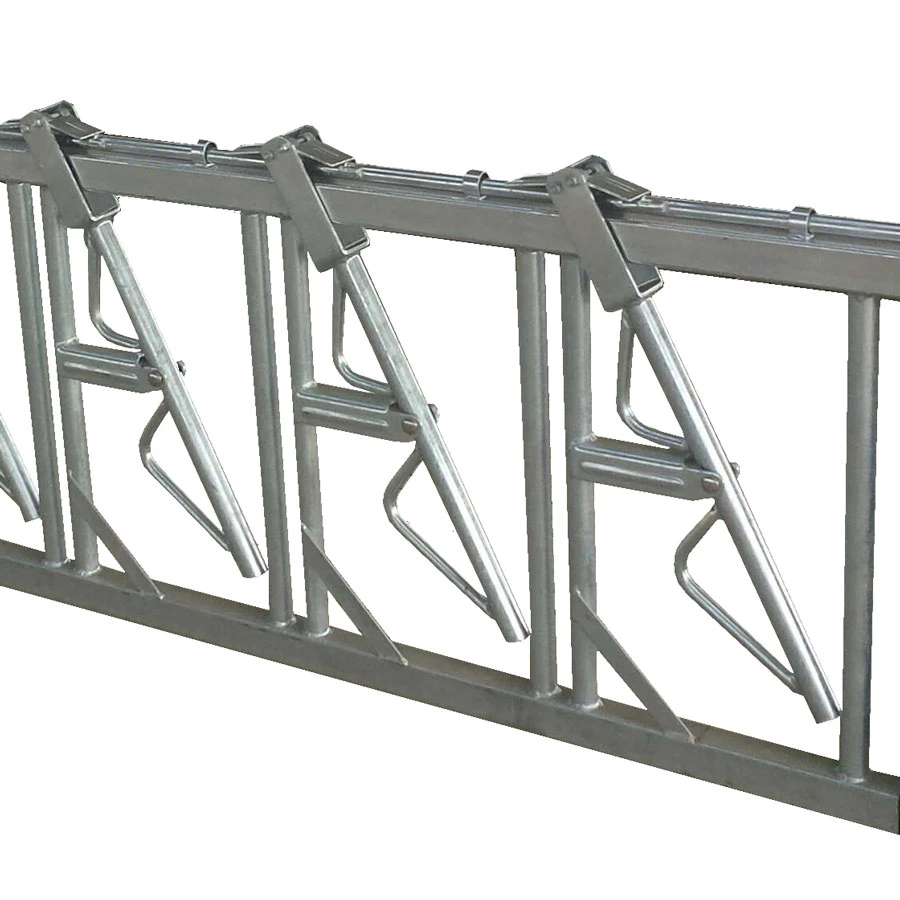
Simply put, it’s a sturdy water container made from steel that’s been coated with zinc (galvanised) to resist rust and corrosion. Sized at roughly 1.8 meters in length, this trough accommodates several cattle drinking simultaneously—helping reduce crowding and competition among animals.
These troughs form an integral part of modern feeding systems. The galvanisation process extends their life, making them usable in outdoor, humid, or otherwise harsh agricultural environments without frequent replacements—a godsend for farmers balancing cost and durability.
They’re no wonder they feature in everything from commercial feedlots to humanitarian livestock support projects, often replacing plastic or wooden troughs that degrade quickly or fail under hard use.
Key Factors That Make These Troughs Tick
Durability: Built to Last Decades
The galvanised coating prevents rusting and corrosion when exposed to moisture, sun, and dirt. It’s well-known that untreated steel wouldn’t last long in outdoor farm settings, but these troughs can often exceed 10 years of reliable service.
Capacity and Size
At 1800mm length, the trough is large enough for groups of cattle but still manageable and transportable. This balance suits a range of farm sizes—from medium family farms to larger commercial operations.
Ease of Installation and Maintenance
Most troughs come with mounting holes or pre-drilled brackets, making setup straightforward. Maintenance is simple: occasional cleaning and checking for structural damage are enough to keep them running smoothly.
Cost Efficiency
Compared to concrete basins or newer automated watering systems, galvanised troughs are affordable and have a great cost-to-lifespan ratio.
Animal Welfare and Health
The smooth, rust-free surface prevents injury to animals' mouths and helps maintain water hygiene, cutting down on bacterial growth and contamination.
Sustainability
Since the steel is recyclable and the trough lasts years, it’s a more sustainable option than plastic alternatives which contribute to pollution.
Mini takeaway: When you weigh durability, cost, and welfare, the galvanised 1800mm trough is kind of the Goldilocks solution—not too big, not too small, but just right.
Global Applications & Real-World Use Cases
In Australia and New Zealand, these galvanized troughs support massive cattle stations covering thousands of hectares, where reliable water access is a logistical challenge. Meanwhile, NGOs operating in drought-prone regions of East Africa equip smallholder farmers with these troughs to reduce livestock mortality.
Even in northern Europe, where cold climates prevail, farmers value them for their resilience against frost damage and corrosion. Sometimes, the troughs are linked to gravity-fed or automated watering systems, adding tech features for efficiency.
In post-disaster relief operations, rapid water provisioning for surviving livestock is critical. Galvanised troughs serve as durable, reusable infrastructure to quickly restore essential services.
Advantages & Long-Term Value of Investing in Galvanised Troughs
- Cost Savings: Reduced replacement and maintenance needs save money over years.
- Improved Health: Adequate hydration means healthier, more productive animals.
- Environmental Benefits: Reduced plastic waste and recyclability of steel.
- Social Impact: Supports farmers’ livelihoods and food security, especially in developing areas.
- Reliability: Resists harsh weather and handling.
If you pause to think about it, a water trough might not seem glamorous, but it’s the backbone of trustworthy livestock care. The peace of mind it brings—to farmers and their animals—is priceless.
Looking Ahead: Trends & Innovations in Cattle Drinking Technology
Industry leaders experiment with coating enhancements—zinc-iron hybrids, or even antimicrobial paints—that further extend life and improve hygiene. Solar-powered watering systems linked to galvanised troughs allow automatic refills without manual labor, especially in remote places.
Smart sensors can track water consumption patterns to flag health issues early, reducing vet bills and improving welfare. And sustainability remains front and center: recycled steel and eco-friendly manufacturing processes are becoming standard.
Facing Challenges and Emerging Solutions
One nagging issue is the initial weight of steel troughs: While durable, they can be bulky to move. Some manufacturers now offer modular-link troughs or use lighter high-strength alloys to ease transport. Another concern is algae buildup—frequently a risk with static water. New designs with integrated covers or ultraviolet lamps in the water line help combat this.
Weather extremes, especially freezing winters, also pose risks. Farmers use additives or trough heaters to prevent water freezing, a smart workaround to prolong trough usability year-round.
Frequently Asked Questions About Cattle Drinking Trough Galvanised 1800mm
- Q: How long does a galvanised cattle drinking trough typically last on a farm?
- A: Under normal outdoor conditions with basic maintenance, these troughs last about 10 to 15 years, sometimes longer depending on climate and use. The galvanisation protects against rust, significantly extending their lifespan compared to untreated steel.
- Q: Can the 1800mm size accommodate large herds efficiently?
- A: Yes, the 1.8-meter length is considered optimal for medium to large herds, allowing several cattle to drink at once and reducing aggression around water points. Larger operations might use multiple troughs arranged strategically.
- Q: Are galvanised troughs compatible with automated watering systems?
- A: Absolutely. Many galvanized troughs are designed with fittings or brackets to integrate with automatic waterers, solar-powered pumps, or float valves, making them versatile for modern farms.
- Q: How easy is it to clean and maintain these troughs?
- A: Cleaning is straightforward—periodic rinsing and scrubbing to remove algae or debris is usually sufficient. The smooth galvanized surface inhibits rust and bacterial growth, simplifying maintenance.
- Q: Where can I purchase reliable cattle drinking trough galvanised 1800mm options?
- A: Numerous agricultural suppliers worldwide stock these troughs. For curated selections and volume discounts, see cattle drinking trough galvanised 1800mm.
Comparing Popular Galvanised Trough Vendors
| Vendor | Material Grade | Warranty | Customization Options | Average Price (USD) |
|---|---|---|---|---|
| FarmEquip Co. | Z275 galvanised steel | 5 years | Length & height adjustments | $120 |
| AgroTrough Ltd. | Z350 galvanised steel (heavier coating) | 7 years | Custom colours, integrated sensor mounts | $145 |
| Livestock Solutions | Standard galvanised with antimicrobial coating | 6 years | Integrated heating-ready design | $165 |
Typical Product Specifications for a Cattle Drinking Trough Galvanised 1800mm
| Specification | Details |
|---|---|
| Length | 1800 mm (1.8 meters) |
| Width | 600 mm |
| Height | 400 mm |
| Material | Galvanised steel (Z275 coating) |
| Capacity | Approx. 350 liters |
| Weight | ~35 kg |
| Finish | Hot-dip galvanised with smooth edge treatment |
Wrapping Up: Why This Simple Trough Deserves a Spot on Your Farm
At the risk of sounding like a broken record, the cattle drinking trough galvanised 1800mm really is a backbone piece in livestock management worldwide. It’s where practicality meets durability, cost-effectiveness blends with animal care, and global food security is nudged forward one sip at a time.
If you are in the market, considering an upgrade, or designing a new facility, investing in these galvanized troughs is smart. Visit us at cattle drinking trough galvanised 1800mm for a reliable selection tailored to your needs.
Until next time, may your herds stay hydrated and your farming operations run smoothly!
References:
- FAO. (2021). The Role of Livestock in Food Security and Economic Development. FAO Livestock
- World Bank. (2022). Livestock and Climate Change Report. World Bank
- ISO 1461:2009 - Hot dip galvanized coatings on fabricated iron and steel articles. ISO
Post time: Dec . 01, 2025