Understanding the Importance of the Cattle Trough Galvanised
At first glance, a cattle trough galvanised might seem like an unassuming piece of farm equipment. But globally, it's a quietly pivotal element in livestock management and agricultural efficiency. Why? Because providing clean water access to herds not only impacts animal health but also connects directly to food security and sustainable farming practices worldwide.
Across developing and developed countries alike, galvanised cattle troughs are relied upon to deliver durable, weather-resistant water solutions that require minimal maintenance. With some 1.5 billion cattle worldwide, ensuring their hydration safely and efficiently is a core concern for farmers, veterinarians, and global food agencies alike.
Takeaway: Galvanised cattle troughs play a subtle yet crucial role in sustaining livestock health and supporting global agriculture.
Global Context: Why Cattle Watering Solutions Matter
The global cattle population is staggering—FAO reports about 1.5 billion head as of recent data—and the demand for meat and dairy products keeps rising alongside population growth and urbanization trends. However, in many remote or resource-challenged regions, providing reliable water sources is still difficult. Here, a galvanised cattle trough becomes more than just a container; it’s a lifeline.
In regions like Sub-Saharan Africa and parts of Asia, poor water infrastructure leaves herders struggling. Contaminated water sources cause disease, and flimsy or makeshift troughs quickly corrode, increasing labor and replacement costs. By contrast, globally standardised galvanised cattle troughs offer a scalable solution that integrates fencing, water channels, and feeding points with durability and hygiene in mind.
Yet challenges remain. Climate change increases drought frequency, making efficient water storage and delivery paramount. International bodies and agricultural standards, such as ISO, recognize these needs and encourage adoption of durable galvanized steel livestock water points.
Takeaway: The galvanised cattle trough addresses critical global challenges around water reliability, livestock health, and farming resilience.
Defining the Cattle Trough Galvanised
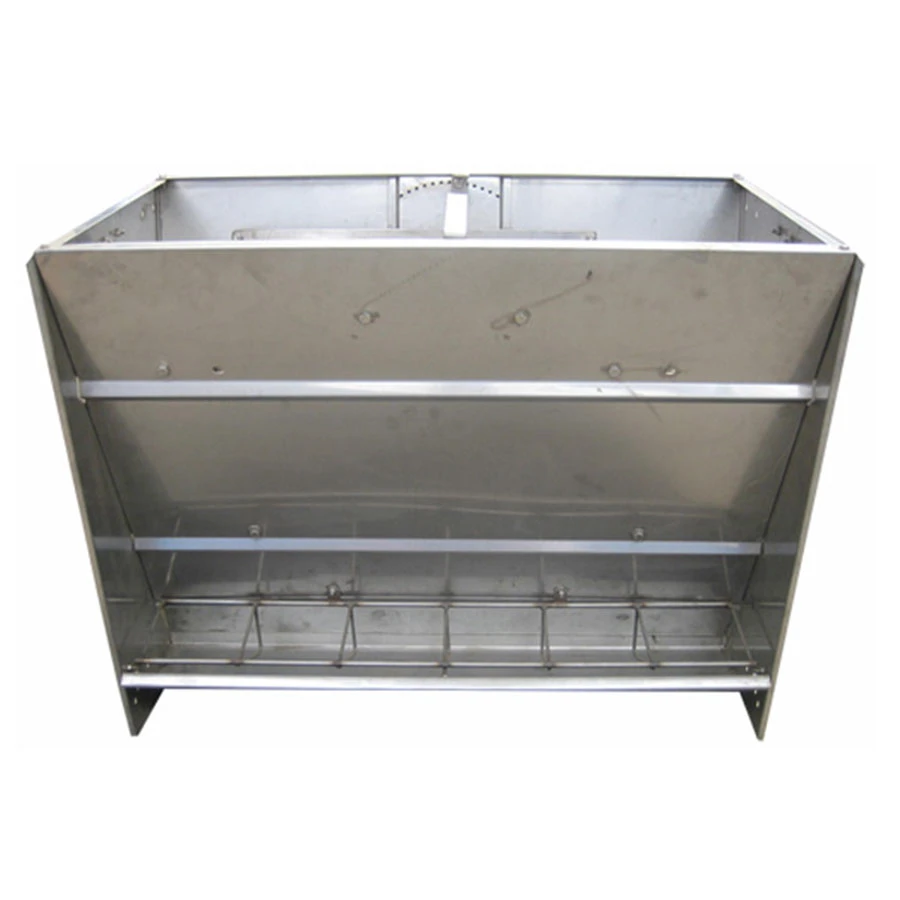
Put simply, a cattle trough galvanised is a livestock watering container made from steel or metal sheets treated with a protective zinc coating to resist rust, corrosion, and harsh weather. This galvanizing process is the heart of its longevity — it can last years longer than plain steel or concrete without cracking or deteriorating.
Essentially, these troughs serve one central function: holding and dispensing clean drinking water for cattle in farms, ranches, feedlots, or communal grazing lands. But they're also embedded within the big picture of modern agricultural engineering—where efficient water delivery, hygiene, and durability must come together (some might say evenly balanced like a well-kept pasture!).
Takeaway: Galvanising transforms ordinary steel troughs into rugged, long-lasting water stations essential for modern livestock farming.
Core Components and Practical Considerations
Durability and Corrosion Resistance
The zinc coating on galvanised troughs shields the metal from oxidizing. Practically, this means less maintenance, fewer replacements, and reduced downtime—critical in places where replacing infrastructure isn't easy.
Capacity and Size Scalability
Cattle troughs come in various sizes; from simple single-cow units to large communal watering stations that serve hundreds of animals at once. Choosing the right capacity is key to managing water wastage and ensuring herd needs are met without excessive labor.
Ease of Installation and Mobility
Many galvanised troughs are designed to be portable or easily installed with minimal tools, which helps farmers quickly adapt watering points based on grazing rotation or seasonal changes. This flexibility is often underestimated but valuable.
Hygiene and Cleanability
Because galvanized surfaces resist algae and bacterial growth better than bare metals or concrete, maintaining hygiene is simpler. Animals are less likely to get sick from stagnant or contaminated water, improving overall herd health.
Cost Efficiency Over Time
While the initial cost can be higher than basic troughs, the extended lifespan and reduced maintenance expenses often make galvanised cattle troughs more economical in the long haul.
| Specification | Typical Value | Notes |
|---|---|---|
| Material Thickness | 1.5 - 2.5 mm | Balance of durability and weight |
| Water Capacity | 100 - 2000 L | Varies by model and herd size |
| Galvanization Standard | ISO 1461 | Hot-dipped zinc coating |
| Weight | 30 - 150 kg | Depends on size and design |
Global Applications & Use Cases
Galvanised cattle troughs find their way into a variety of settings:
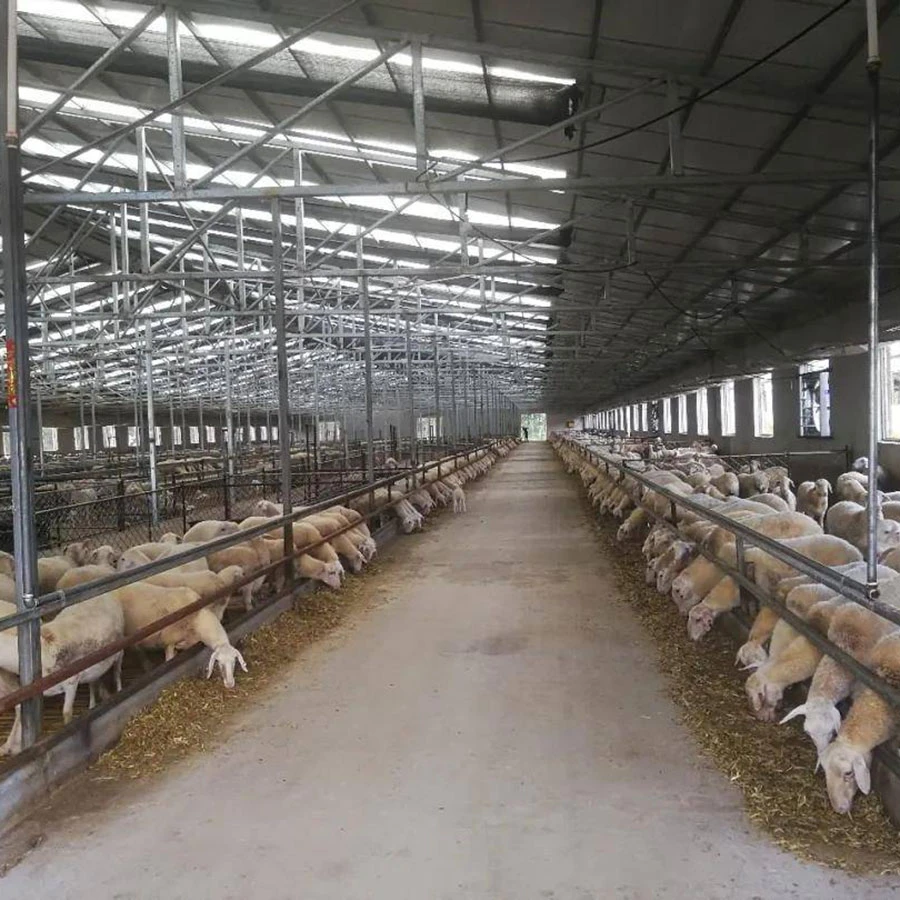
- Ranching & Farming: In North America and Australia, large-scale cattle operations use heavy-duty galvanised troughs integrated with automated watering systems.
- Developing Regions: NGOs install simple galvanized troughs in Sub-Saharan Africa to improve water access for small-holder farmers, cutting down livestock diseases.
- Disaster Relief: Rapid deployment troughs with galvanised steel are employed after floods and droughts to maintain emergency livestock watering.
- Community Grazing Lands: In parts of South Asia, communal galvanized troughs reduce competition and conflict over water resources.
Takeaway: From industrial farms to humanitarian operations, galvanized cattle troughs offer adaptable water solutions worldwide.
Advantages & Long-Term Value
If you’re wondering why so many farmers and agencies opt for galvanised troughs, here’s the short list (though, honestly, these benefits echo loudest in practice):
- Cost Savings: Long lifespan means fewer replacements and repair costs.
- Animal Welfare: Clean water access reduces disease and increases productivity.
- Sustainability: Durable materials mean less environmental waste and resource use.
- Trust & Innovation: Proven technology gives farmers confidence in their water infrastructure.
In real terms, it’s about dignity — for animals and people — knowing that livestock always have clean, accessible water. That builds trust between farmers, their herds, and their markets.
The Future of Galvanised Cattle Troughs: Trends to Watch
Even an old-school product like a galvanized cattle trough isn’t escaping innovation. Here’s what experts are buzzing about:
- Eco-Friendly Coatings: Research into more environmentally friendly galvanising processes aims to reduce zinc runoff and improve recyclability.
- Smart Sensors: Integration of IoT water-level and quality monitoring adds precision livestock management capabilities.
- Modular Designs: Customized, scalable troughs that fit exact herd sizes and farm layouts improve resource efficiency.
- Automation: Automated water refilling systems paired with galvanised troughs cut down labor in large operations.
Overall, the trajectory seems to blend traditional durability with smart tech — a combo that feels promising.
Challenges & Practical Solutions
Of course, nothing is perfect. Some issues with galvanized troughs include:
- Initial Cost: It can be a hurdle for low-income farmers, though offset by lifespan benefits.
- Transport & Handling: Heavier troughs can be tough to move without proper equipment.
- Corrosion in Harsh Environments: Saltwater or acidic soils might speed wear despite galvanising.
Experts suggest combining galvanised troughs with regular maintenance schedules, protective paint coatings for extreme conditions, and community investment programs to overcome these obstacles.
Practical FAQ About Cattle Trough Galvanised
- Q: How long does a galvanised cattle trough typically last?
- A: With proper maintenance, galvanised cattle troughs can last 15-20 years or more, significantly outliving uncoated metal or concrete alternatives.
- Q: Are galvanized troughs safe for animals?
- A: Yes, the zinc used in galvanizing is bonded strongly to the steel and doesn’t leach harmful levels under normal use, making it safe for livestock hydration.
- Q: Can galvanized cattle troughs be customized?
- A: Absolutely. Manufacturers often offer a range of sizes, shapes, and fittings to match herd sizes, installation environments, and specific farming needs.
- Q: How do galvanized troughs handle cold climates?
- A: They are sturdy and can withstand freezing temperatures, though some farmers add insulation or heating elements to prevent ice formation in water.
Conclusion: A Sustainable Solution for Livestock Water Needs
In sum, the galvanized cattle trough represents a solid investment in livestock health, farm productivity, and environmental sustainability. Its blend of durability, hygiene, and adaptability keeps it relevant across global contexts — whether on a remote farm or in a large-scale ranch. If you’re in the agricultural sector, considering or upgrading your cattle watering system, galvanised steel troughs are worthy of serious thought.
For more options and detailed products, visit our website and discover a wide range of galvanized cattle troughs tailored to your needs.
| Vendor | Material Quality | Customization | Delivery Time | Price Range |
|---|---|---|---|---|
| CX Livestock Supplies | ISO 1461 certified galvanized steel | High (sizes & features) | 2-3 weeks | $$$ |
| FarmPro Industrial | Standard galvanized sheet metal | Medium (basic options) | 4-6 weeks | $$ |
| RanchTech Solutions | Premium marine-grade galvanized steel | Custom engineering available | 1-2 weeks | $$$$ |
References:
Post time: Dec . 02, 2025