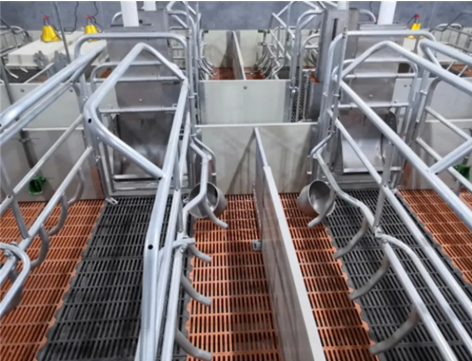
The Unsung Backbone: Why 10ft Cattle Hurdles Matter in Modern Livestock Management
When you think about the tools farmers rely on daily, 10ft cattle hurdles might not be the flashiest. Yet, globally, they’re quietly pivotal. From small family farms in New Zealand to sprawling ranches across the American Midwest, these structures make animal handling safer and more efficient — and that efficiency matters on a scale that impacts food supply chains, animal welfare standards, and even environmental sustainability.
Understanding the ins and outs of 10ft cattle hurdles isn’t just for ranchers or agricultural engineers: it’s a peek into how we move toward smarter, safer livestock management worldwide. Let’s look beyond the bars to why these hurdles keep turning up in farming strategies across continents.
Global Context: The Growing Importance of Efficient Livestock Handling
Livestock agriculture accounts for roughly 40% of global agricultural output according to the UN’s FAO (Food and Agriculture Organization). But here’s the catch — ensuring humane, effective handling remains a significant challenge. Mishandling not only stresses animals but increases injury risk and operational costs. Enter the humble 10ft cattle hurdle.
With over 1.4 billion cattle worldwide (FAO stats, 2023), moving and sorting these animals without hassle or harm is no small feat. The right hurdle design can mitigate injuries, reduce labor intensity, and speed up processes. This is crucial in regions battling food insecurity or where livestock is a financial lifeline.
Still, many farms, especially in developing areas, rely on makeshift or outdated setups, increasing risks for all involved. So, investing in standardized, reliable cattle hurdles aligns with both humanitarian goals and global market efficiency — a small fix with big ripple effects.
10ft cattle hurdles addresses a universal need: turning cattle movement from a chaotic event into a smooth, manageable process.
What Exactly Are 10ft Cattle Hurdles?
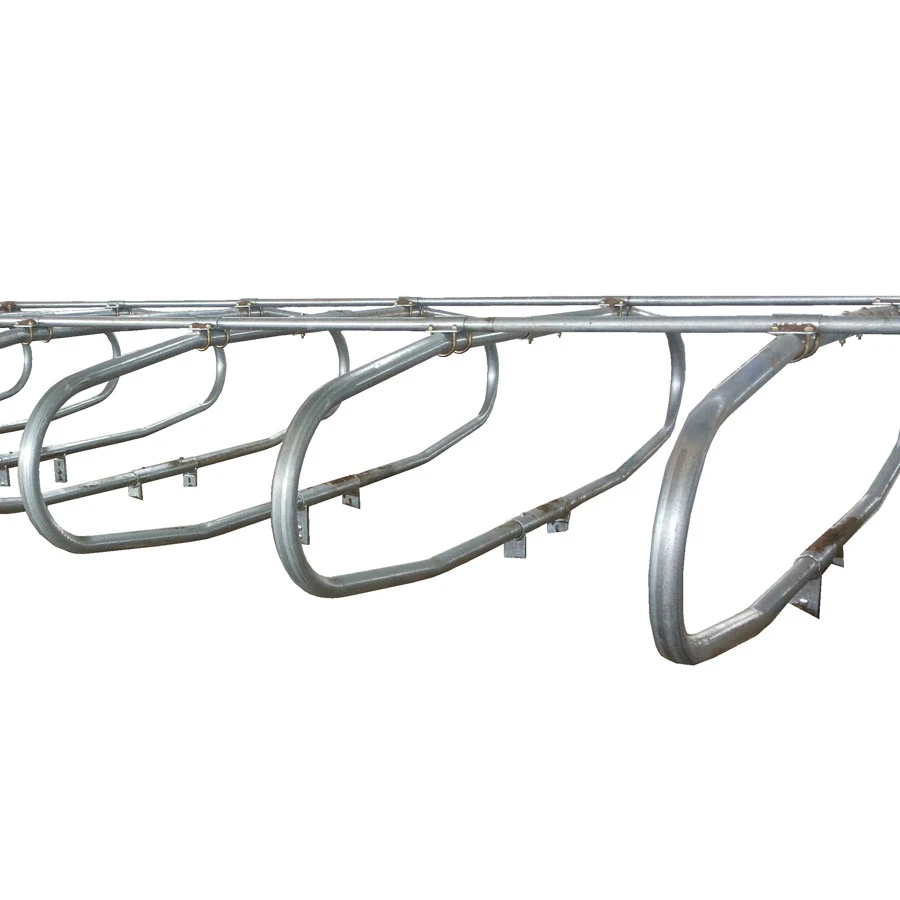
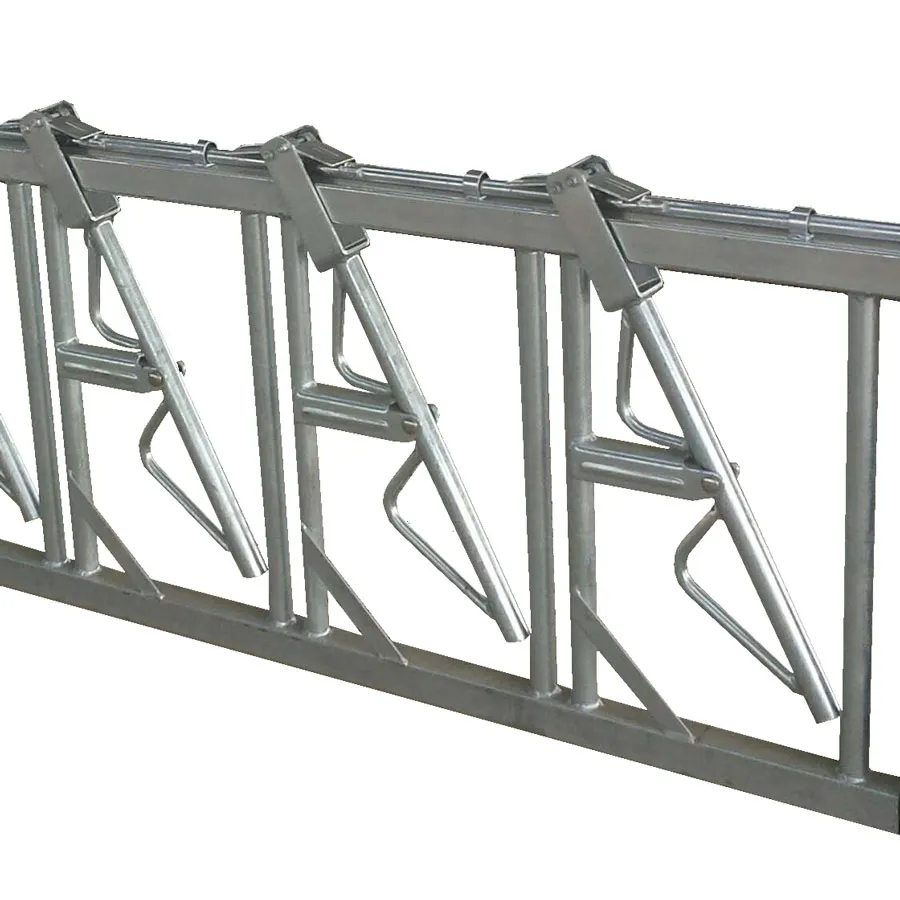
Put simply, a 10ft cattle hurdle is a portable fenced panel used for penning, guiding, or temporarily restraining cattle. Usually made from durable steel tubing, they measure roughly ten feet long, providing a manageable size to build pens or lanes of various configurations.
These hurdles create safe passageways and enclosures so animals can be sorted, vaccinated, or loaded onto trailers with minimal stress and maximum safety for both animals and handlers.
The modern 10ft hurdle also ties into larger trends — think modular farming systems, mobile veterinary stations, or emergency livestock management in disaster zones. Their portability and robustness make them indispensable in these contexts.
Core Components That Make A Difference
Durability and Material Quality
Most 10ft cattle hurdles use galvanized steel. This combats rust and withstands the rough outdoor environment. Longevity matters here — a flimsy panel might save you a few bucks upfront but costs in replacement and accidents add up fast.
Portability and Weight
They’re heavy enough to be sturdy but designed so a couple of people can move them. This balance is critical for farms that change layouts frequently or emergency responders who set up temporary holding pens.
Safety Features
Rounded corners, secure locking pins, and reinforced joints lessen injury risk. You’d be surprised how many older hurdles still have sharp edges or unstable welds, risking cuts or worse.
Customization and Connectability
The ability to connect several panels securely into chutes or large pens makes them versatile. Adjustable feet for uneven terrain and optional gates add flexibility.
Compliance with Standards
Those interested in animal welfare will find hurdles conforming to ISO 10990-3 (animal handling equipment guidelines) reassuring — it’s the kind of certification that signals thoughtful design.
How 10ft Cattle Hurdles Are Used Around the World
You might imagine cattle hurdles only on a ranch. But their applications stretch wide:
- In Australia, where cattle stations operate over thousands of hectares, 10ft hurdles help quickly create temporary yards for mustering.
- In Kenya and other East African countries, NGO disaster relief teams utilize portable hurdles to safely hold livestock displaced by drought or conflict.
- European dairy farms often deploy them in milking parlors and sorting areas because their modularity lets workers build compact, efficient handling systems.
- Native American ranchers in the US have adopted modern hurdles to reduce stress during round-ups, which historically involved more rudimentary fences.
In one example from a Midwest US cattle producer, switching from old wooden panels to galvanized 10ft cattle hurdles cut processing time by almost 30%. Handling became less hazardous, and their vet’s visits smoother, too.
These examples illustrate that despite varied environments and farm scales, the same basic tool plays a starring role.
The Advantages & Long-Term Value of Investing in Quality Cattle Hurdles
What you get with well-built 10ft cattle hurdles is more than just metal bars:
-
Cost efficiency: Reduced injuries mean less veterinary spend, fewer lost animals, and lower insurance premiums.
-
Durability: A hurdle that lasts 15+ years offsets its initial cost and reduces maintenance hassles.
-
Animal welfare: Minimizing stress protects not only ethical standards but productivity — calm cattle produce better meat and milk.
-
Labor savings: Safer, easier handling means fewer staff injuries or burnout.
-
Environmental sustainability: Steel is recyclable, and durable design reduces waste over time.
Emotionally, knowing you’re doing right by your animals gives a certain peace of mind, while practically, these hurdles increase everyday operational trustworthiness. Many engineers say, “If you can’t trust your cattle handling system, you’ve got bigger problems.”
Product Specification Table: Typical 10ft Cattle Hurdle Features
| Feature |
Specification |
Notes |
| Length |
10 feet (3.05 meters) |
Standard size for modular assembly |
| Material |
Galvanized Steel Tubing (38-50mm diameter) |
Rust-resistant, high strength |
| Weight |
~40-45 kg (88-99 lbs) |
Portable by two people |
| Locking Mechanism |
Spring-loaded pins / Bolt locks |
Ensures stable connections |
| Optional Accessories |
Feet adapters, gates, transport racks |
Customizable per farm needs |
Comparing Leading Vendors for 10ft Cattle Hurdles
| Vendor |
Material Quality |
Customization Options |
Average Price Per Panel |
Delivery Regions |
| Henke Manufacturing |
High-grade galvanized |
Feet adapters, gates |
$90 - $110 USD |
North America, Australia |
| CX Livestock Solutions |
Galvanized steel, ISO certified |
Full modular systems, custom gates |
$95 - $120 USD |
Global (incl. Africa, Asia) |
| AgriTech Panels |
Standard galvanized |
Basic feet adapters only |
$75 - $90 USD |
Europe, North America |
Looking Ahead: Trends Shaping The Future of 10ft Cattle Hurdles
The world’s not standing still, and neither is the humble cattle hurdle. Innovations in light-weight alloys could soon replace steel, further easing transport without sacrificing durability. Digitally integrated fences with RFID or biometric sensors are on the horizon, allowing handlers to monitor animal movement effortlessly.
Materials recycled from other industries, such as decommissioned oil rigs or automotive parts, could also give these hurdles a green new lease on life, supporting sustainability goals.
Sustainability policies from countries and exporters may eventually mandate higher animal welfare standards, fast-tracking the adoption of improved cattle handling equipment — hurdles included. It’s the kind of chain reaction that few expected but many quietly hope for.
Common Pain Points and How Experts Address Them
Let’s be frank, not every hurdle performs as expected. Issues crop up: some panels wobble on uneven ground, others lock awkwardly. Sometimes, transport logistics mean farmers can’t get the gear in time.
Innovations like adjustable feet, improved locking systems, and dedicated transport racks are answers to these real-world problems. Plus, vendors offer training on setup and use to maximize efficiency and safety.
Regional customization is another smart move: what works in dry Africa might falter in rainy Ireland. Manufacturers that listen and adapt tend to build the most loyal customer base.
FAQ: Your Burning Questions on 10ft Cattle Hurdles Answered
- Q: How quickly can I set up 10ft cattle hurdles for a temporary pen?
A: Typically, two people can assemble a basic pen using 6-8 hurdles within 20-30 minutes. Modular locking pins and pre-fabricated joints streamline the process, making even quick deployments feasible.
- Q: Are galvanized cattle hurdles safe for all cattle sizes?
A: Yes. Standard 10ft hurdles are designed to accommodate most adult cattle breeds, from smaller dairy cows to large beef cattle. For exceptionally large animals, heavier duty or reinforced versions are available.
- Q: Can I add gates or other accessories to existing hurdle panels?
A: Absolutely. Many vendors offer compatible gates, feet adapters, and transport racks that can connect seamlessly with standard 10ft hurdles.
- Q: How do these hurdles hold up in harsh weather or rugged terrain?
A: With galvanized steel and appropriate locking, quality hurdles resist rust and stand firmly on uneven ground, especially if equipped with adjustable feet. Still, regular inspections minimize surprises.
- Q: Is it feasible to import these cattle hurdles internationally?
A: Yes. Several manufacturers cater to global clients with shipping and customs support. It's wise to check for local certifications or standards compliance first.
Wrapping It Up: Why 10ft Cattle Hurdles Deserve More Spotlight
At first glance, these steel panels might seem modest — but their role in transforming livestock management worldwide is anything but. Safer animals, happier workers, smoother operations… the ripple effects are tangible and lasting.
If your herd handling setup is overdue for a rethink, or you’re managing emergency livestock situations where speed and safety are paramount, consider upgrading to top-quality 10ft cattle hurdles. They blend simplicity and innovation, built for today’s challenges and tomorrow’s possibilities.
Check out more details and explore your options right now at
https://www.cxlivestock.com — your next hurdle solution could be just a click away.
Mini Takeaways
- 10ft cattle hurdles offer a crucial blend of durability, portability, and animal welfare improvements.
- Global demand for efficient livestock handling is rising amid growing food security concerns.
- Modern hurdles align well with sustainability trends and evolving farming logistics.
- Choosing the right manufacturer and specifications can make all the difference in long-term value.
References
- FAO Livestock Sector Overview
- ISO 10990-3 Animal Handling Equipment Guidance
- Wikipedia – Cattle