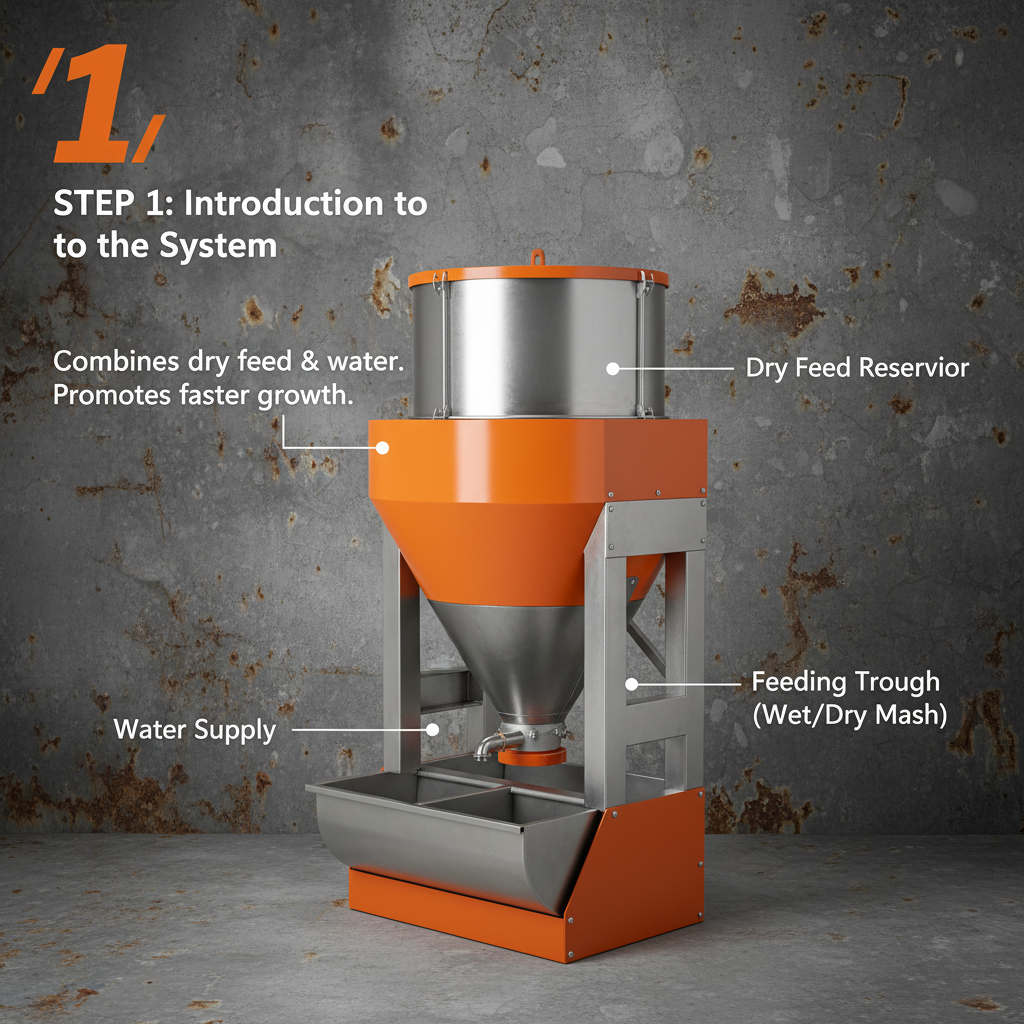
Exploring the 1 Ton Feed Bin for Sale: A Key to Modern Agricultural Storage
When you hear “1 ton feed bin for sale,” it might just sound like another agricultural supply listing. But, frankly, these bins are pivotal in global food storage and livestock feeding strategies. They help farmers and feed operators tackle one serious problem: how to keep feed safe, dry, and accessible without losing quality over time. And considering the worldwide demand for sustainable farming practices, understanding their design and applications isn’t just trivia — it’s a necessity.
Why Does the 1 Ton Feed Bin Matter Globally?
The global agricultural sector feeds billions, but the post-harvest loss of feed and grains remains a stubborn challenge. According to the Food and Agriculture Organization (FAO), roughly one-third of food produced globally goes to waste, and poor storage infrastructure is a huge part of that. On farms, especially in developing regions, reliable feed storage means healthier livestock and better yields, directly affecting food security. So if you’re hunting for a 1 ton feed bin for sale, think of it as a tool to boost efficiency and reduce loss in your operation’s food chain.
The challenge is clear: adequate storage must be scalable, durable, and cost-effective, especially in areas vulnerable to weather changes or pests. Oddly enough, bins like these often bridge the gap between subsistence farming and commercial success in emerging economies.
What Exactly Is a 1 Ton Feed Bin?
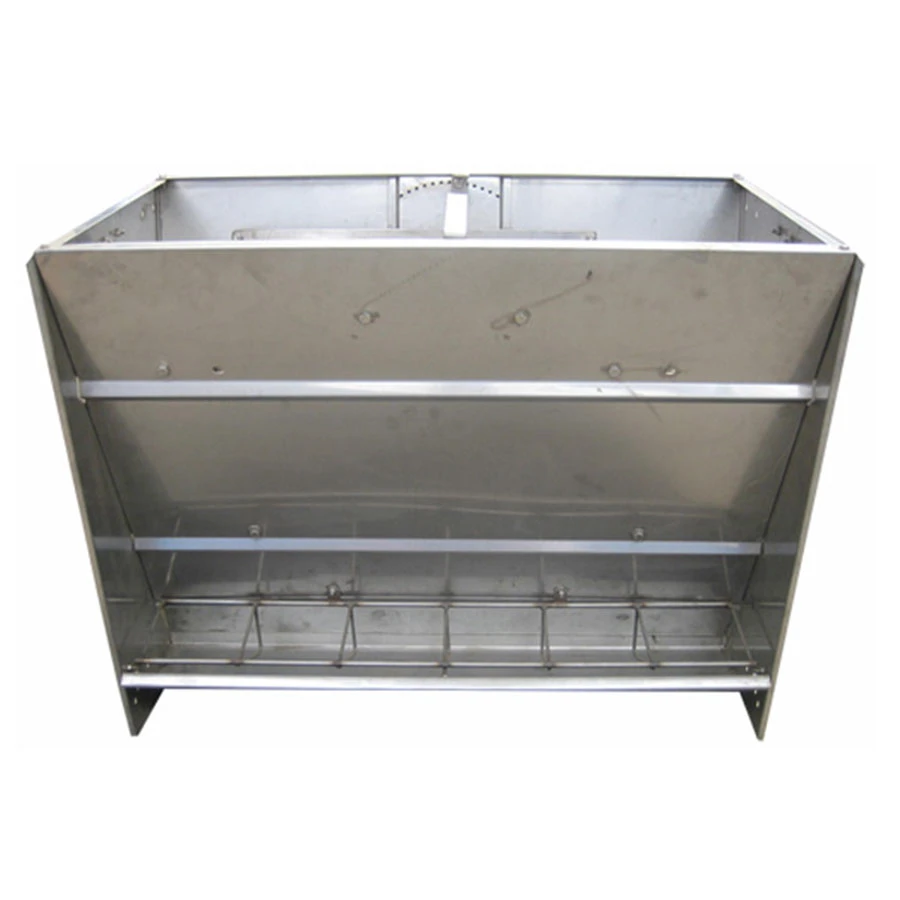
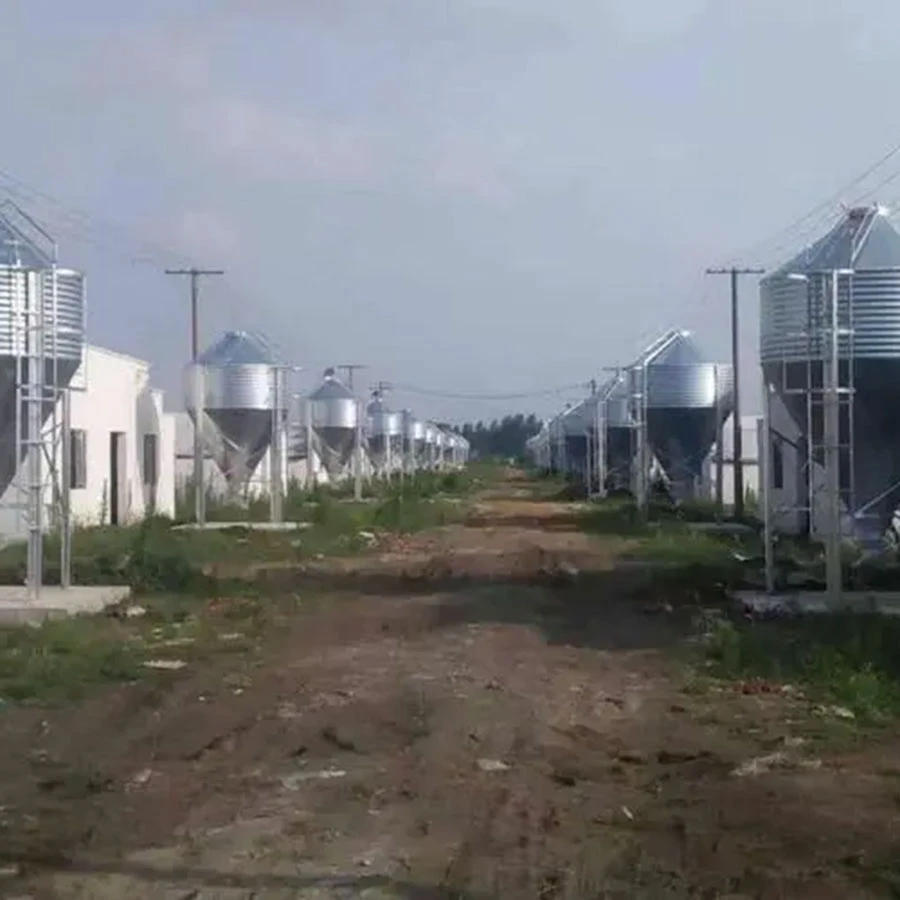
Put simply, a 1 ton feed bin is a containment device designed primarily for storing animal feed — enough to hold approximately 1 ton (2,000 pounds or about 907 kilograms) of material. They come in several materials (usually steel or heavy-duty plastic), sizes, and designs but all share a common purpose: protecting feed from moisture, contamination, and pests.
In the livestock industry, these bins support efficient feeding practices by enabling batch storage and easy access. For humanitarian efforts, they’re crucial in stabilizing food supplies during emergencies or in rural areas. In effect, such bins are cornerstones for a resilient supply chain.
Key Features and Core Components of a 1 Ton Feed Bin
1. Durability
Most feed bins are built to withstand harsh weather conditions — steel ones often come powder-coated to resist rust, while plastic models are UV stabilized. Durability means long-term usage without frequent replacements, which frankly saves a lot in maintenance costs.
2. Scalability
One ton might seem modest, but these bins are designed so multiple units can be stacked or used in concert. This flexibility supports farms of varying sizes and feeding regimes.
3. Access and Handling
Bins usually feature convenient lids and discharge chutes or valves. This makes feed dispensing easier and reduces contamination risks. Some advanced models even incorporate augers or conveyor attachments.
4. Environmental Protection
Effective sealing mechanisms prevent moisture entry, crucial to minimizing mold and spoilage. It’s a practical necessity, especially in humid climates.
5. Cost Efficiency
Prices vary widely based on materials and features, but the investment often pays off quickly by reducing feed wastage and labor hours.
Basic Specifications of a Typical 1 Ton Feed Bin
| Specification | Typical Value |
|---|---|
| Capacity | ~1 ton (around 2,000 lbs) |
| Material | Powder-coated steel or UV-resistant polyethylene |
| Dimension (approx.) | 4 ft diameter × 5 ft height |
| Weight (empty) | 150–250 lbs |
| Discharge | Slide gate or auger-ready |
Mini takeaway: The 1 ton feed bin is a robust, manageable size unit combining durability and user-friendly design — key ingredients for effective feed storage.
Global Applications: Where and Who Benefits?
From the vast farmlands of the American Midwest to smallholder farmers in sub-Saharan Africa, the relevance of 1 ton feed bins transcends geography. Agro-businesses use them in operations ranging from poultry farms in Southeast Asia to dairy farms in Europe.
Humanitarian agencies rely on standardized feed bins for quick distribution in disaster zones—think of post-hurricane relief efforts where quick, secure feed storage prevents secondary crises among livestock populations. In remote mining camps or isolated communities, these bins ensure feed remains uncontaminated where supply chains are fragile.
Even urban agricultural startups value them for vertical feed storage where space is limited but demand remains high.
How Different Vendors Stack Up
| Vendor | Material | Price Range | Warranty | Additional Features |
|---|---|---|---|---|
| AgriStore Co. | Powder-coated steel | $500 - $650 | 5 years | Slide gate, pest-proof seal |
| FeedGuard Ltd. | UV-resistant plastic | $400 - $550 | 3 years | Lightweight, easy assembly |
| FarmPro Systems | Steel with epoxy lining | $600 - $750 | 7 years | Auger-compatible, rust-resistant |
Advantages & Long-Term Value of Investing in a 1 Ton Feed Bin
It’s not just cost savings, though that’s a big part of the story. These bins improve sustainability by minimizing feed spoilage. Trust me, that “moisture-proof” claim isn’t just sales talk — quality storage preserves nutrient value, which means healthier animals and higher productivity.
There’s also social value: secure feed can support local economies by stabilizing prices and reducing dependency on imports or emergency supplies. From an emotional standpoint, livestock owners often mention the peace of mind they get knowing their feed won’t be ruined overnight. It’s about safety, dignity, and connection to your land and animals.
Future Trends & Innovations in Feed Bin Technology
Looking ahead, smart feeding solutions are emerging. Sensors embedded in bins can monitor moisture levels, temperature, and feed quantity, sending alerts to operators via mobile apps. It feels like a natural extension of the Internet of Things (IoT) into farming.
Materials are also evolving. Biodegradable composites and recycled plastics may soon replace traditional metals, reducing environmental footprint. Solar-powered aeration systems to keep feed dry? They’re not just a pipe dream — companies in Europe are testing these now.
Challenges & Expert Solutions
Of course, no solution is perfect. Some users report issues with bins rusting despite coatings, or pests invading through weak seals. Transporting bulky bins can be tricky, especially for smaller farms without mechanical assistance.
Experts suggest routine maintenance, upgrading older bins with sealing kits, and investing in modular designs that can be disassembled for transport. There’s also growing interest in collaborating with manufacturers for custom bins tailored to local climate and feed types.
Frequently Asked Questions About 1 Ton Feed Bin for Sale
Q1: What materials are best for a 1 ton feed bin if I live in a humid climate?
A: Steel bins with powder coating or epoxy lining, or UV-resistant polyethylene plastics are usually preferred. They provide good moisture resistance and avoid rusting. Adding desiccant packets or ventilation can further reduce humidity effects.
Q2: How often should I inspect and clean my feed bin?
A: A practical schedule is at least quarterly, more often in humid or pest-prone areas. Cleaning removes residual feed and prevents mold growth. Make sure to dry thoroughly before refilling.
Q3: Can these bins be stacked or linked together?
A: Typically, yes. Many manufacturers design bins for modular scalability, but stacking height limits vary. Always follow vendor guidelines to ensure stability and safety.
Q4: Are 1 ton feed bins suitable for small-scale urban farms?
A: Absolutely. Their size and design make them ideal for maximizing limited space while providing adequate feed storage for backyard or community farms.
Conclusion: Why the 1 Ton Feed Bin Is a Smart Investment
In real terms, the benefits of a 1 ton feed bin for sale ripple beyond simple storage. From enhancing livestock health to boosting food security and sustainability, these bins represent a pragmatic and forward-looking choice. Whether you’re a commercial farmer or involved with humanitarian feed distribution, investing in high-quality feed storage systems is an investment in long-term stability and growth.
Curious to explore your options? Visit our website https://www.cxlivestock.com to find the right 1 ton feed bin for your needs — because good feed storage is the foundation of successful farming.
Oddly enough, sometimes it’s the bin itself that quietly holds together the whole food supply puzzle.
- Food and Agriculture Organization (FAO). Global food loss statistics. fao.org
- ISO 22000:2018 Food safety management standards. iso.org
- United Nations Sustainable Development Goals — Zero Hunger. sdgs.un.org
Post time: Dec . 03, 2025