Crates for Pigs: A Global Perspective on Livestock Transport and Welfare
When you hear “crates for pigs,” it might conjure anything from simple wooden boxes to complex metal enclosures — but frankly, these humble structures play an outsized role in global agriculture and animal welfare. Understanding their design, applications, and innovations isn’t just for farmers; it’s a window into sustainable food systems, humane livestock management, and supply chain efficiency that ripple worldwide.
At its core, exploring crates for pigs lifts the veil on how millions of animals are safely moved and housed, impacting everything from meat quality to environmental footprint to compliance with animal welfare standards. Let’s dive in.
Why Crates for Pigs Matter on a Global Scale
Pigs form a cornerstone of livestock farming across continents—from Asia’s sprawling pig farms to Europe’s dense agricultural regions and the Americas’ industrialized meat production. According to the FAO, over 1 billion pigs are raised worldwide each year, with transport and containment systems impacting not only their health but farmers’ bottom lines.
But here’s the catch: transporting pigs has always been challenging. Stress during movement can cause injuries or illness, affecting animal welfare and market value. With growing global attention on humane treatment—especially closing in on EU’s and US’s welfare regulations—effective, durable crates for pigs become vital. They reduce risks, ease handling, and minimize losses.
Oddly enough, the humble crate also factors into biosecurity. Well-designed crates prevent disease spread during transport — a critical concern highlighted during recent viral swine fever outbreaks.
What Exactly Are Crates for Pigs?
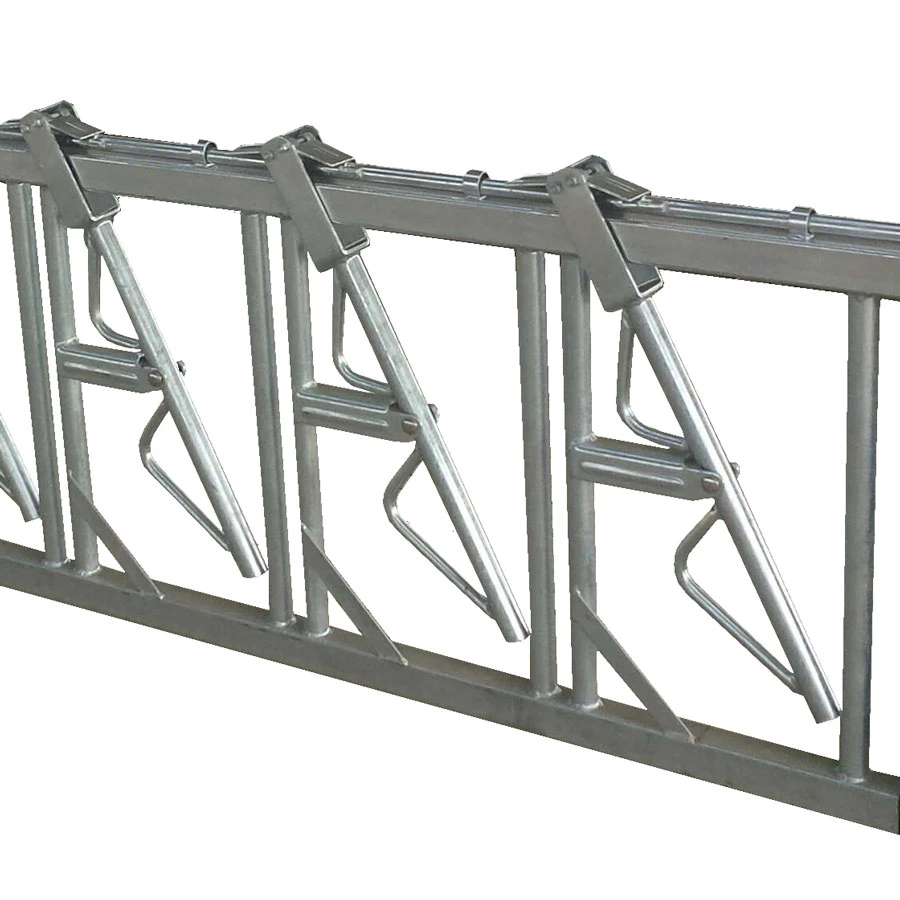
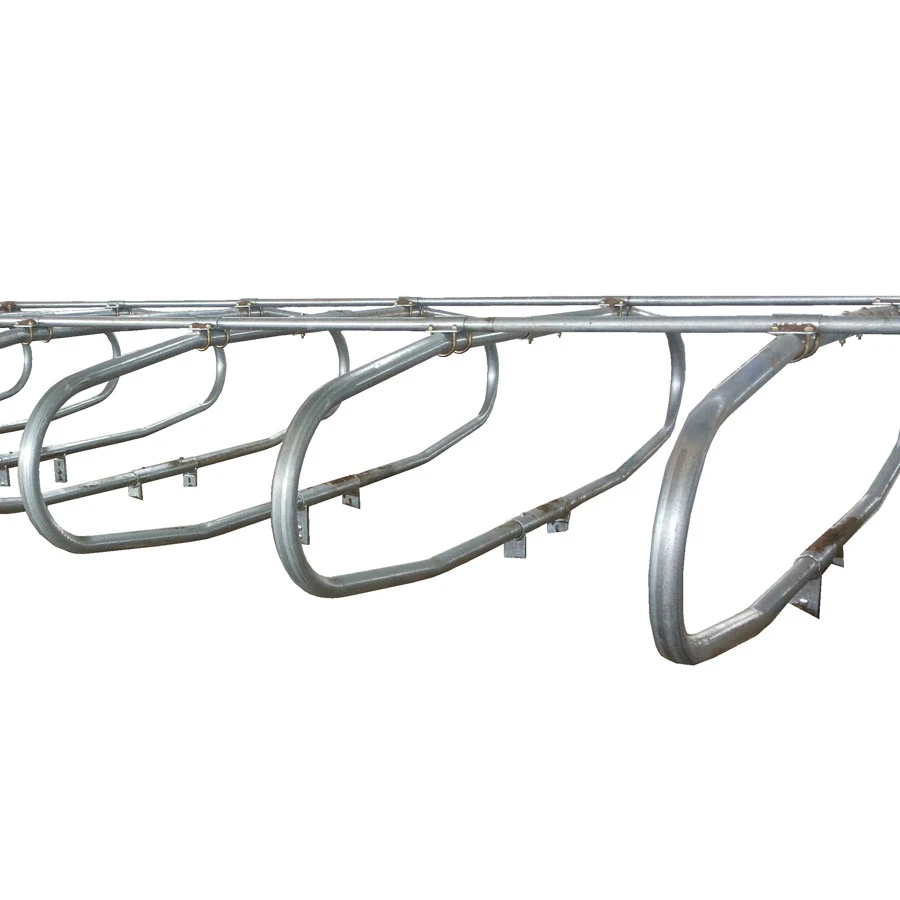
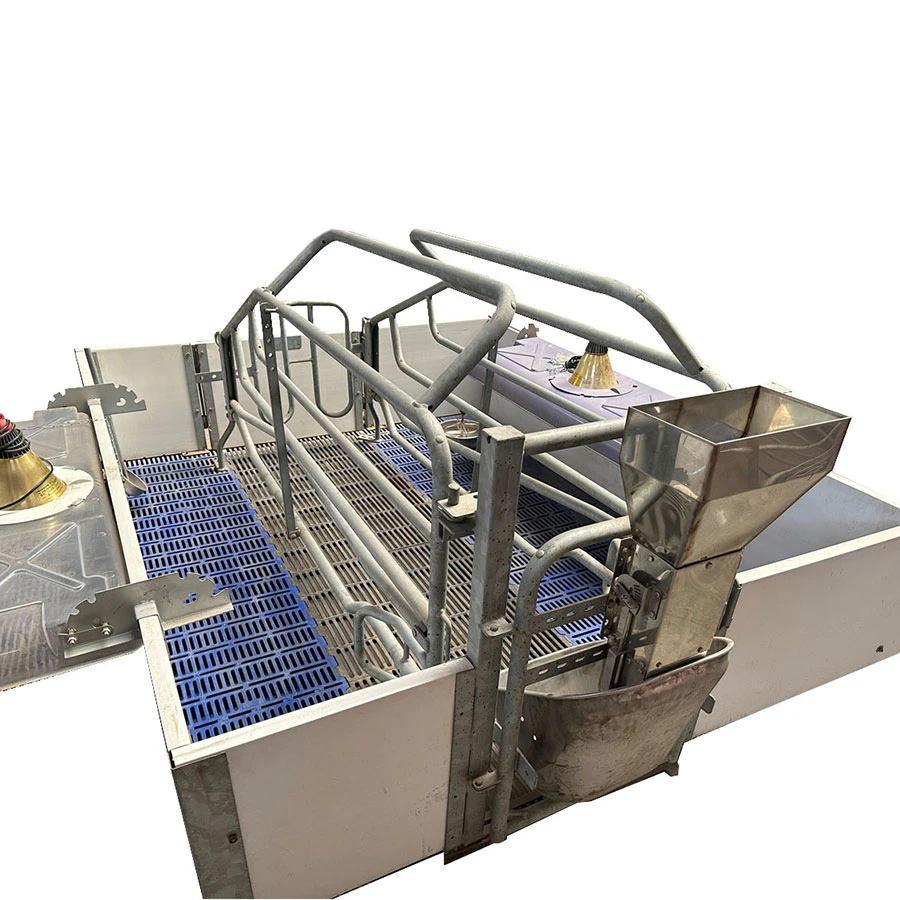
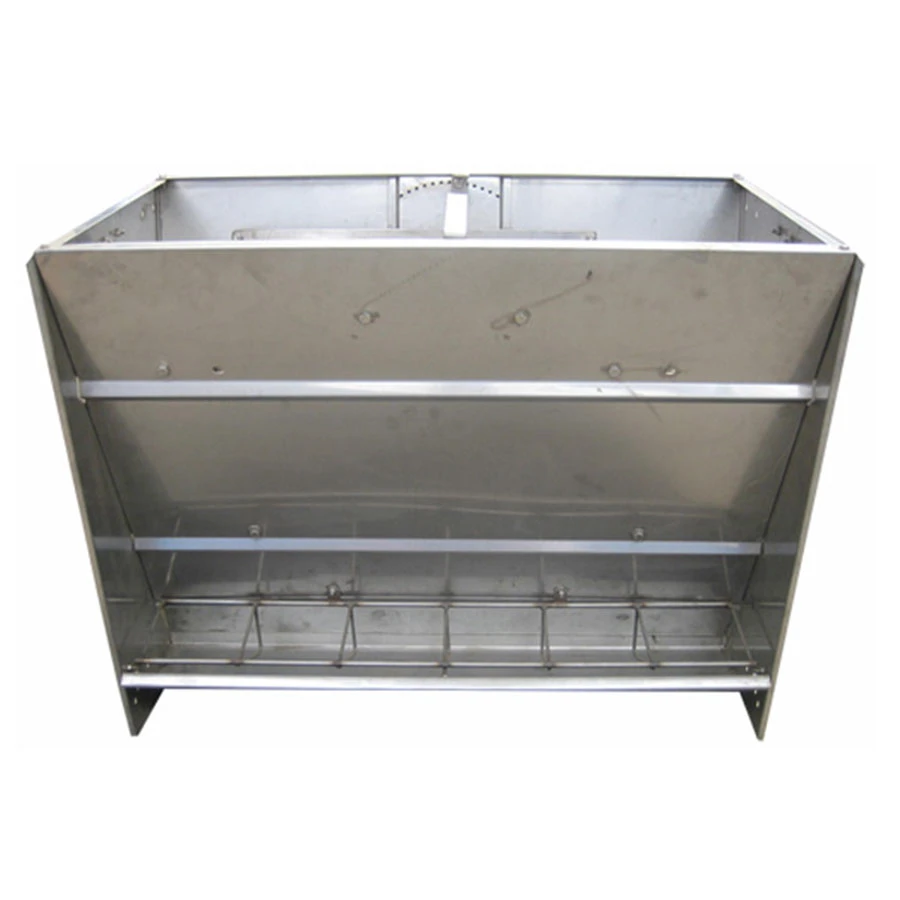
Simplistically, these crates are enclosures or containers designed specifically to hold pigs during transport or short-term housing. They range widely in design—from metal frame crates used on trucks to modular plastic units for temporary holding.
In modern livestock management, crates for pigs represent a compromise between containment and comfort—they restrain pigs enough to prevent injury from moving around but allow ventilation and some freedom to reduce stress levels.
They’re crucial in slaughterhouse logistics, veterinary checks, and farm transfers, linking humane design principles with industry needs.
Core Aspects of Effective Crates for Pigs
Durability and Material Choice
Durability is key. Many manufacturers use galvanized steel or high-grade plastics to withstand constant cleaning, weather exposure, and the pigs’ strength. You want crates that don’t warp, rust, or break easily because replacements cost time and money.
Ventilation and Comfort
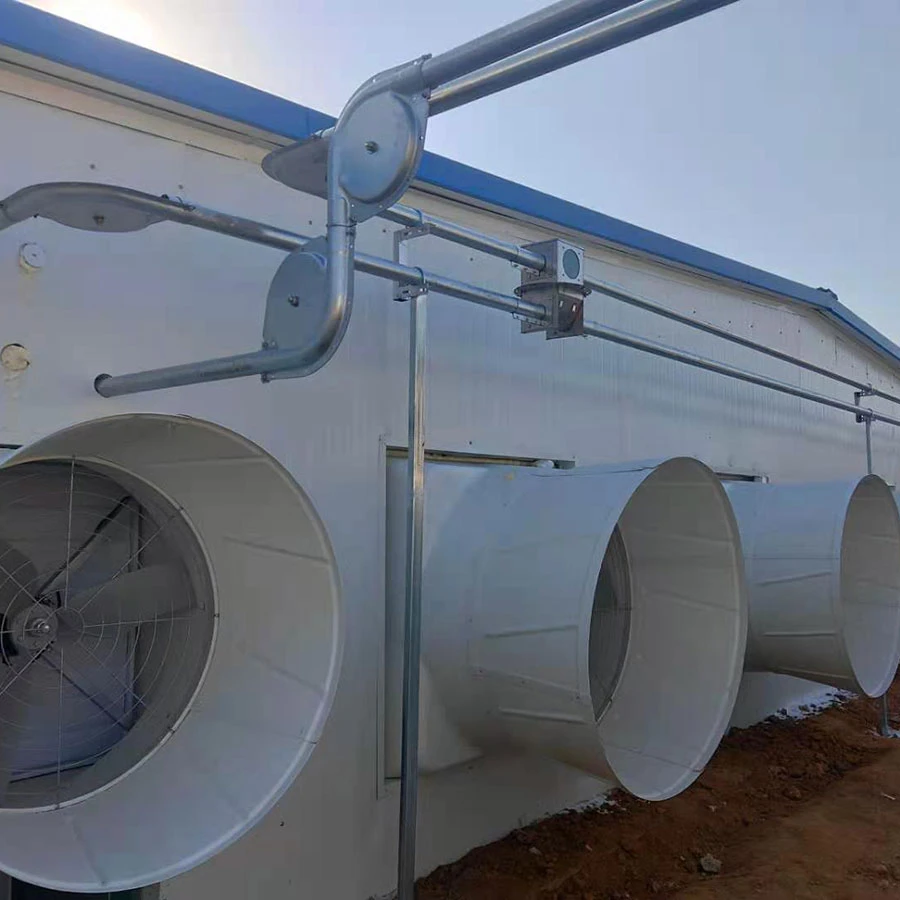
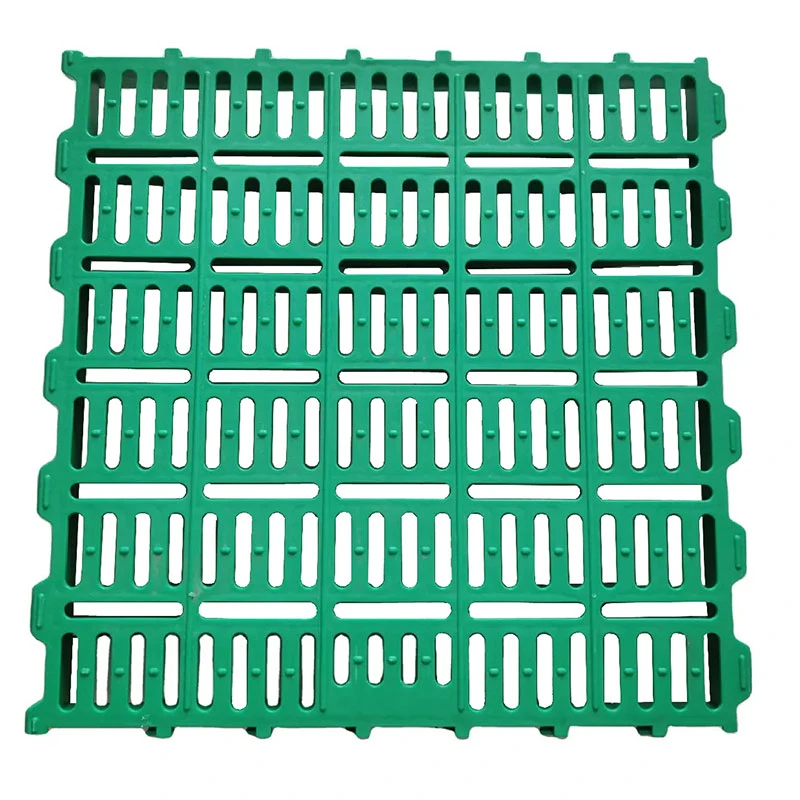
Pigs are sensitive to heat stress. Crates need open or mesh side panels for airflow. Some crates incorporate slatted floors to keep animals dry and comfortable—preventing infections.
Scalability and Modularity
Farmers often need flexibility: crates that stack, link, or adjust dimensions help accommodate different pig sizes or batch volumes. Modular builds enable easier cleaning and repairs.
Cost Efficiency
Budget constraints sometimes force farmers to choose cheaper crates, which can backfire if durability or welfare suffers. Finding a balance between upfront cost and long-term investment is vital for sustainable farming.
Compliance and Traceability
With stricter animal welfare laws, crates often need certification for humane standards and may include features for attaching identification tags—helpful for tracking health histories and transport records.
Where and How Are Crates for Pigs Used Globally?
- Asia: In intensive pig-farming regions like China and Vietnam, crates primarily assist in moving large numbers to processing centers with minimal stress and injury.
- Europe: Countries like Denmark and Germany focus heavily on welfare; crates often meet strict certification (e.g., ISO livestock transport standards) and tend to favor humane, ventilated designs.
- North America: Crates for pigs are part of large-scale agribusiness supply chains where integration with automated loading/unloading systems is increasingly common.
- Africa: Post-disaster and developmental projects sometimes employ mobile crates to assist rural farmers with safe transport and disease prevention.
For example, in the aftermath of natural disasters in Southeast Asia, NGOs have provided modular crates for pigs to help displaced farmers safely keep their livestock. Similarly, export farmers rely on sturdy crates for international shipping.
Product Specification Table: Typical Crate Models for Pigs
| Specification | Metal Frame Crate | Plastic Modular Crate | Wooden Transport Crate |
|---|---|---|---|
| Material | Galvanized Steel | High-Density Polyethylene (HDPE) | Pine Wood with Metal Fasteners |
| Weight | ~45 kg | ~20 kg | ~30-40 kg |
| Dimensions (L×W×H) | 180×70×90 cm | 150×65×80 cm (modular adjustable) | 180×75×85 cm |
| Ventilation | Open mesh sides | Perforated panels | Slatted panels |
| Stackable | Yes | Yes | No |
| Average Cost (USD) | $350 | $250 | $180 |
Comparing Leading Vendors of Crates for Pigs
| Vendor | Product Range | Warranty | Customization | Supports Intl Shipping |
|---|---|---|---|---|
| AgriSteel Co. | Metal and hybrid crates | 5 years | Yes | Yes |
| PolyFarm Systems | Plastic modular crates | 3 years | Limited | Yes |
| EcoWood Innovations | Sustainable wooden crates | 2 years | No | Limited |
The Advantages and Long-Term Value of Using Quality Pig Crates
Deploying well-designed crates for pigs contributes to numerous positive outcomes. Practically, they improve animal welfare by minimizing stress and injury. Logistically, they reduce labor intensity during loading and unloading. Economically, durable crates cut down replacement costs and improve supply chain reliability, protecting farmers’ investments.
From a social angle, humane transport boosts public confidence in meat production, increasingly connected to ethical concerns. Many consumers, oddly, don’t realize how much a simple crate influences the entire farming chain's reputation.
Innovative crates also support environmental goals. For instance, using recyclable plastics or sustainably sourced wood helps farms embrace green standards—aligning with global sustainable development goals outlined by the United Nations.
Looking Ahead: Innovations Shaping the Future of Pig Crates
Technology isn’t bypassing crates for pigs. Nowadays, smart crates with embedded sensors monitor temperature, humidity, and even animal behavior during transit. This digital transformation helps farmers and transporters react quickly to adverse conditions, improving outcomes.
Material science developments mean lighter, stronger, antimicrobial materials can lower disease transmission and reduce crate weight—thus saving fuel during transport.
Meanwhile, policymakers worldwide push for tougher animal safety regulations, forcing innovation in crate design. Sustainability will increasingly define these products, with biodegradable components or reuse schemes becoming mainstream.
Challenges and Cutting-Edge Solutions
Despite obvious benefits, challenges remain. Some crates lack standardization—making international use tricky. Costs can be prohibitive for smallholders, especially in developing countries. Maintenance also requires training and infrastructure.
However, modular and collapsible crates address storage and transport backhaul issues. NGOs are partnering with manufacturers to subsidize better crates for underserved farmers. Additionally, 3D printing offers custom parts on demand to extend crate life.
Frequently Asked Questions About Crates for Pigs
- What sizes are best for pig crates?
Generally, crates should match pig size to avoid injury—typically ranging from 130 cm (weaners) to 180 cm (finishers) in length. Adjustable or modular crates help accommodate growth stages. - Are plastic crates more hygienic than metal?
Plastics like HDPE resist corrosion and are easier to clean, reducing disease risk. Metal crates are sturdier but can rust if not maintained, which affects hygiene. - How long do pig crates typically last?
With regular maintenance, metal crates can last 8–10 years, plastics around 5–7 years, and wooden crates generally have shorter lifespans of 3–5 years depending on care and environment. - Do crates comply with animal welfare laws?
Top-tier crates meet standards such as those from the World Organisation for Animal Health. Always check certifications when purchasing. - Can I order customized crates internationally?
Yes, many vendors support international shipping and customization to meet regional requirements, though lead times and costs vary.
Final Thoughts on Crates for Pigs
Crates for pigs might seem a niche topic, but they’re anything but trivial. Their design and deployment shape animal welfare, farm economics, and sustainability worldwide. As global food demand rises and welfare concerns intensify, choosing quality crates proves a smart, ethical investment with long-term payoffs.
For anyone involved in livestock farming, animal transport, or agricultural supply chains, understanding crates for pigs is key. Explore trusted suppliers and product options with your specific needs in mind—and if you want to learn more or source innovative crates, start by visiting crates for pigs.
After all, a small box can carry big hopes — for animals, farmers, and consumers alike.
References
Post time: Dec . 02, 2025