Understanding Sow Farrowing Crates: More Than Just a Pigpen
If you’ve ever wondered how modern pig farming manages the delicate farrowing process while keeping both sow and piglets safe, then you’ve probably stumbled onto the topic of sow farrowing crates. Farrowing crates are essentially specially designed enclosures that accommodate sows during birthing and early lactation. But why does it matter so much? Well, globally, pig production touches billions of lives, not just economically but also in food security and animal welfare. The better we understand these crates—their design, uses, and challenges—the more we can help improve both productivity and ethical standards in farming.Global Context: Why Sow Farrowing Crates Matter Anywhere
The global pork industry is massive—producing over 110 million metric tons of pork annually according to the Food and Agriculture Organization (FAO). A large slice of this comes from modern farming systems reliant on sow farrowing crates to reduce piglet mortality, one of the biggest challenges in swine production. Without effective management of birthing and nursing conditions, piglets are at risk from crushing, starvation, and infections—issues directly addressed by innovative crate designs. As urbanization rises, and land-use intensifies, farms strive for higher efficiency on smaller footprints. Sow farrowing crates help farmers worldwide, from intensive operations in Europe to emerging markets in Asia, to contain sows safely, improve litter survivability, and ultimately supply demands for pork products. Organizations like ISO continually push standards on crate materials and animal welfare — acknowledging their key role in modern husbandry.What Exactly Are Sow Farrowing Crates?
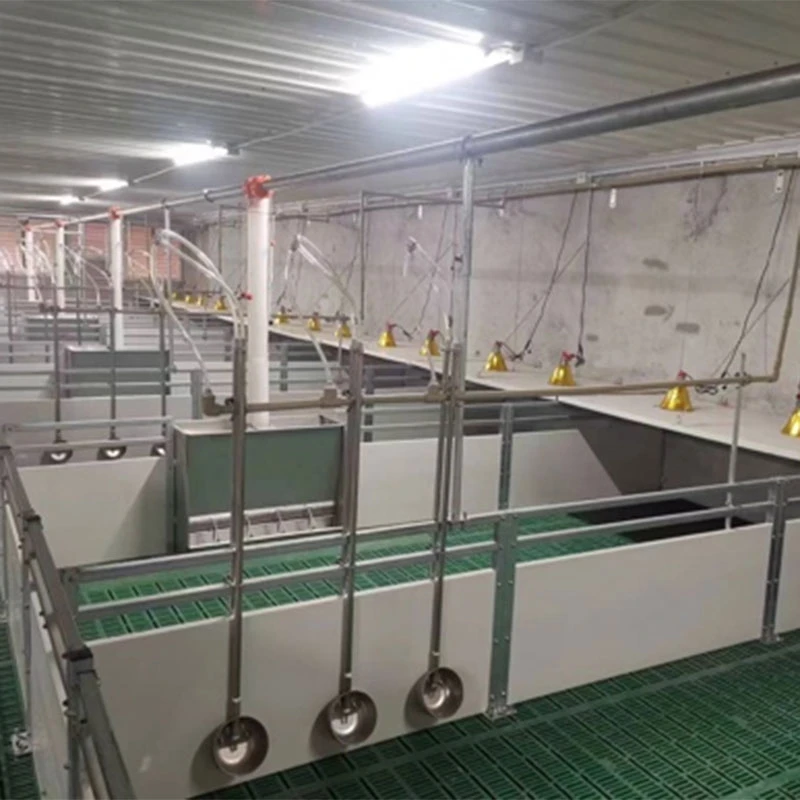
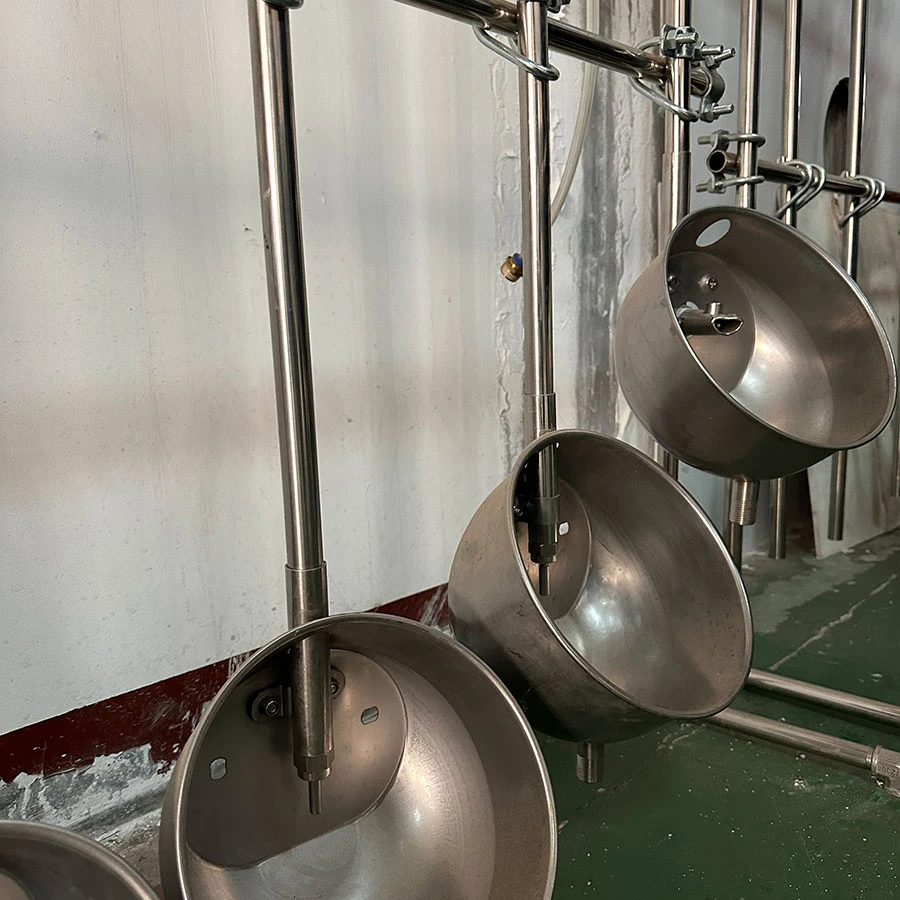
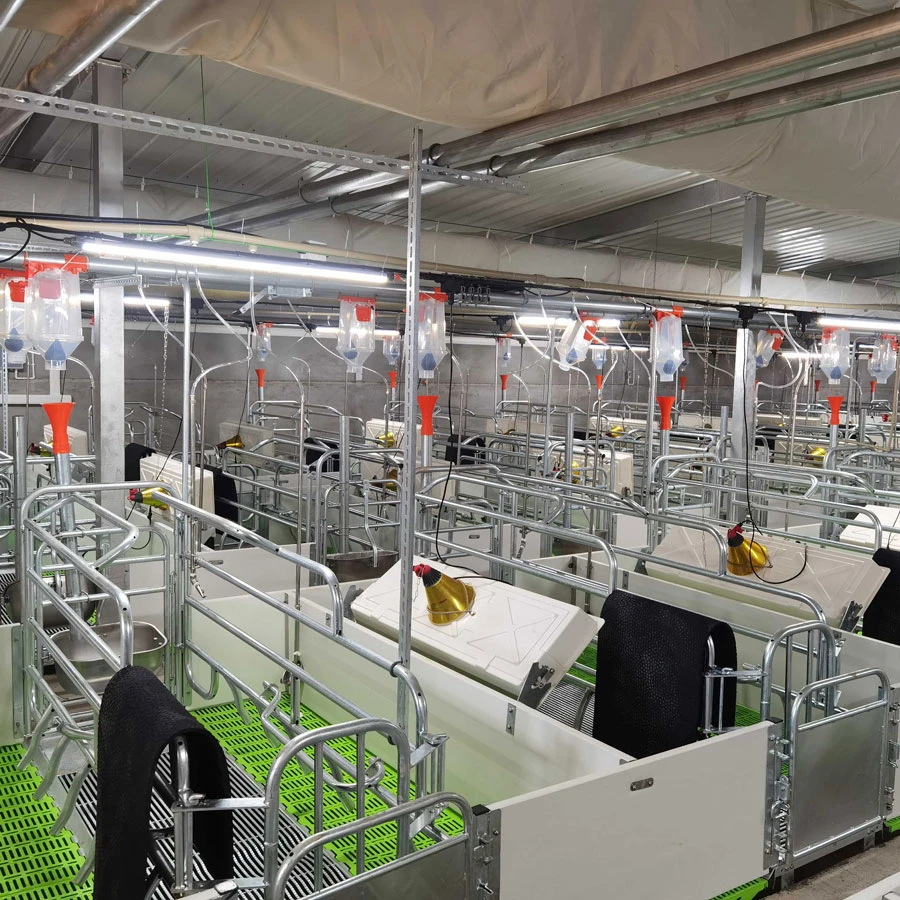
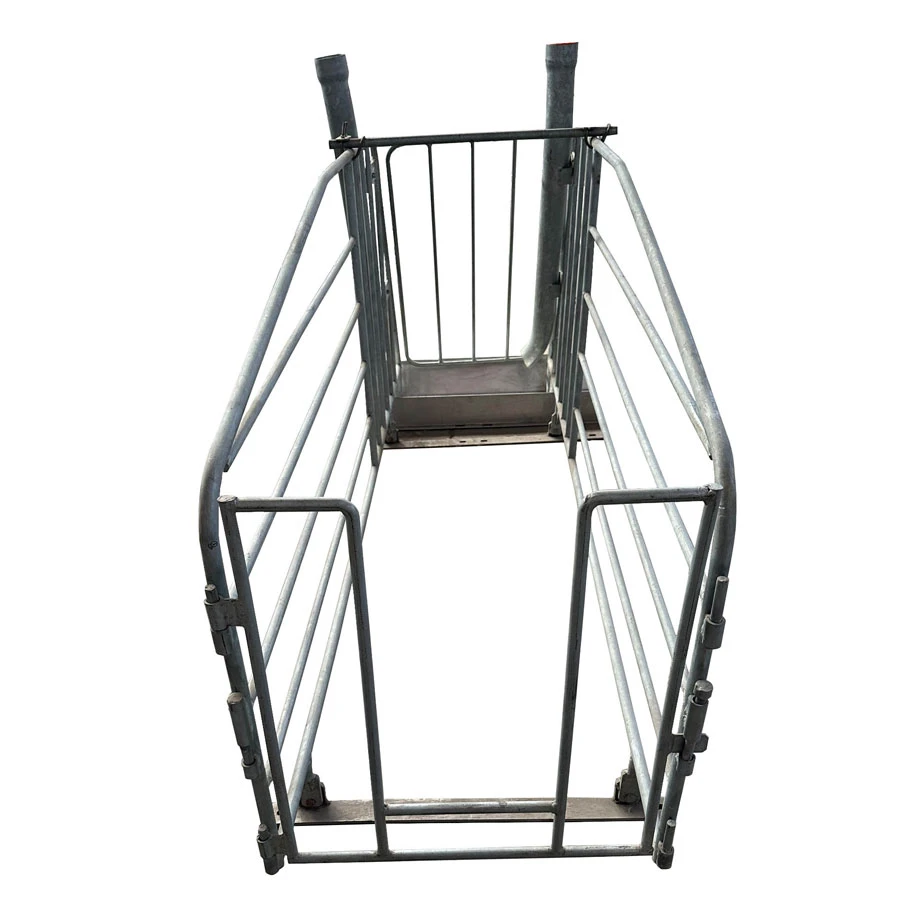
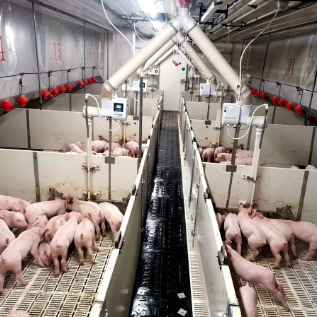
Simply put: a farrowing crate is a metal or composite enclosure that confines the sow largely to a limited space, allowing piglets room to nurse while preventing the sow from accidentally harming them. More than just a barrier, it’s a carefully engineered environment shaped by animal science, aiming to maximize welfare and productivity. The crates typically include a sow stall, piglet creep area with heat lamps, and sometimes feeding/accessories for controlled nutrition. While they might seem restrictive, these setups respond to a balancing act — allowing the sow some movement but primarily focusing on piglet survival during those fragile early days.Critical Features of Sow Farrowing Crates
1. Durability and Material Choice
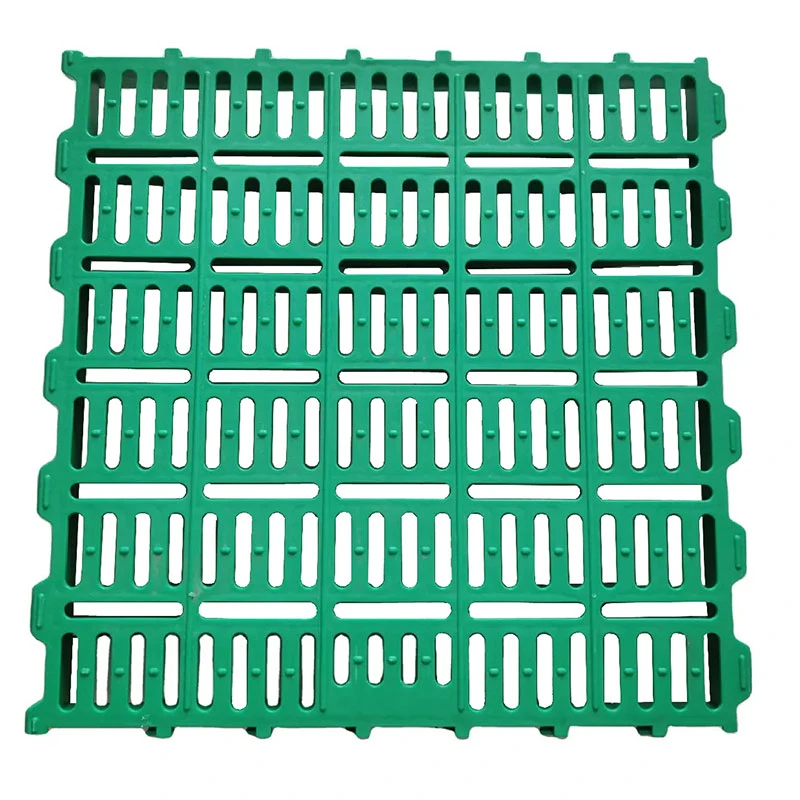
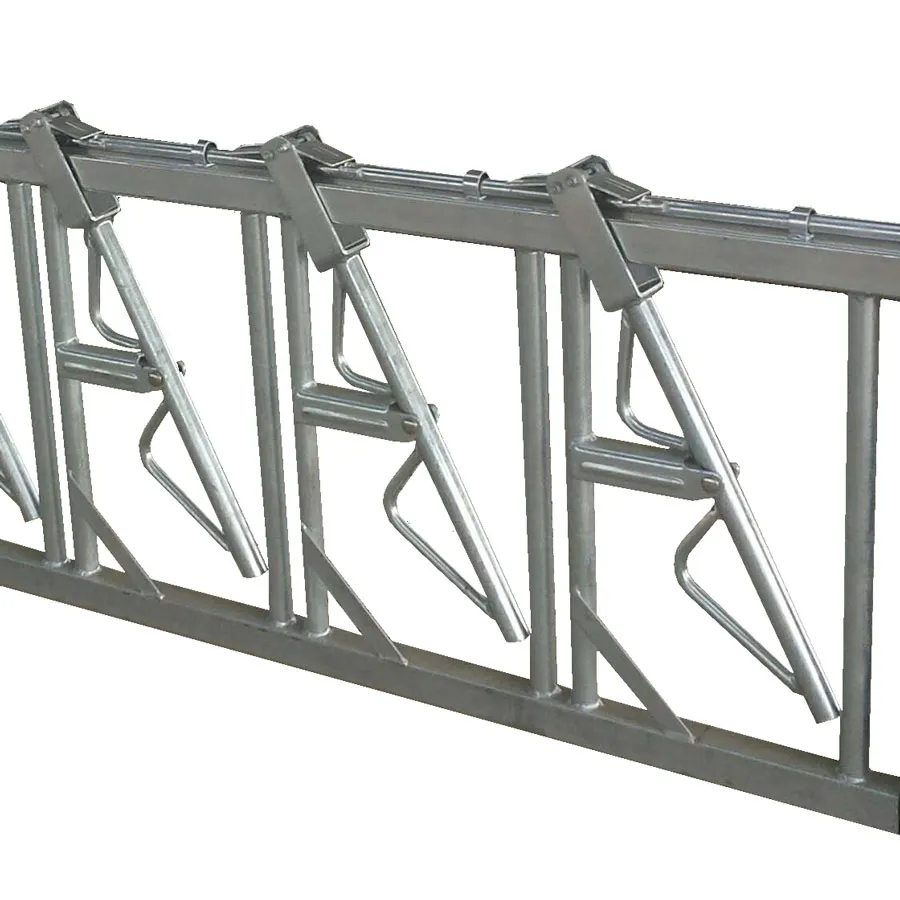
Using galvanized steel or high-grade polymers keeps crates rust-free and hygienic, supporting repeated cleaning cycles. Durability is vital since crates typically last several years in farm circuits.2. Animal Welfare Design
Adjustable widths and slanted bars help accommodate different sow sizes and behavior patterns, and many crates now meet welfare certifications that address pain, stress, and freedom of movement.3. Scalability & Modular Setup
Farms often need scalable solutions — crate systems that snap together for quick deployment or expansion. Modular designs help optimize space, accommodate herd growth, and ease maintenance.4. Cost Efficiency and Maintenance
While upfront costs vary, many engineers say the return on investment is clear with reduced piglet mortality and less labor-intensive care. Simplified cleaning processes also reduce downtime.5. Environmental Controls
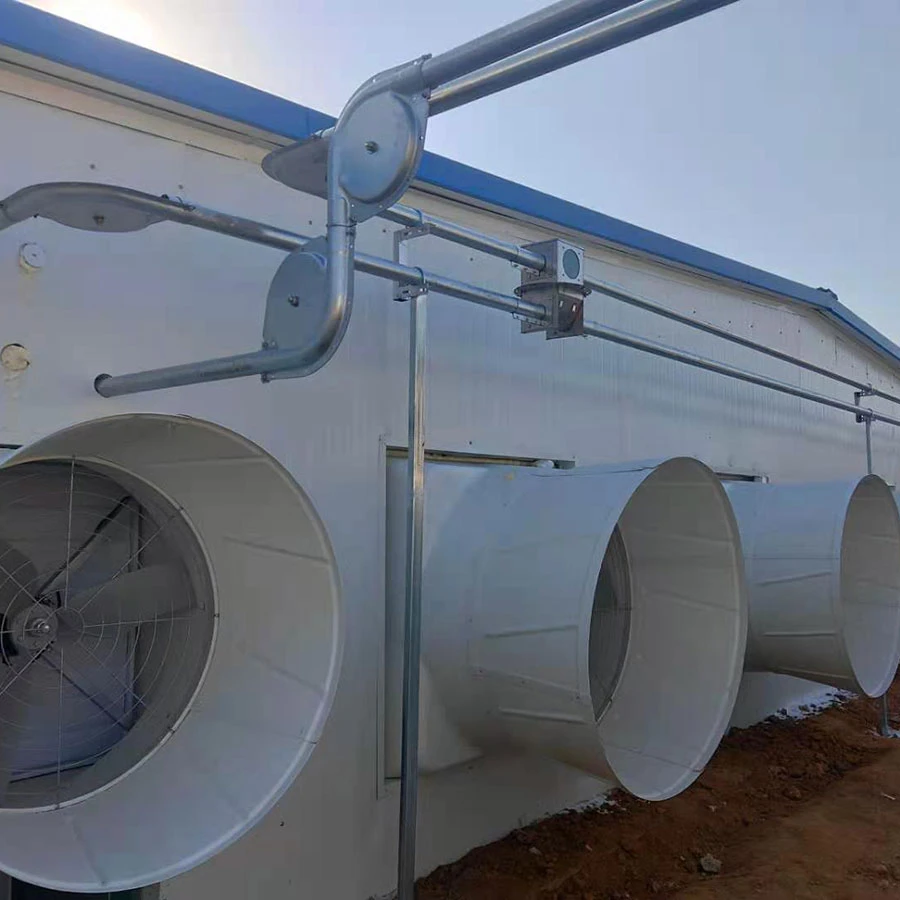
Integration of heating (for piglets), ventilation, and drainage improves overall success. Farrowing crates designed to support these systems contribute to healthier litters.6. Safety Features
Rounded corners, anti-slip floors, and adjustable gates reduce risk of injuries to both animals and handlers, which matters a lot — especially in busy operations.Mini takeaway: Sow farrowing crates are engineered solutions with an eye on welfare, cost, maintenance, and practical use. Their thoughtful design reflects decades of research and evolving farm needs.
Real-World Applications: Where Are These Crates Used?
From commercial pork operations in Denmark's highly regulated farms, to cooperatives in Vietnam adopting modern equipment, sow farrowing crates are central to improving survival rates. In many parts of Canada and the U.S., producer associations recommend crate designs that comply with updated welfare policies. Interestingly, some smallholder farms in Sub-Saharan Africa have started piloting low-cost crate adaptations for better control of farrowing, reducing losses significantly. Industrial farms in China, holding the world's largest pig herd, pair advanced farrowing crates with automation and sensor tech to monitor sow health and piglet activity — a step toward “smart” pig farming. On the other hand, in regions with more extensive systems like Brazil, crates offer farmers improved biosecurity during high-risk disease periods. Sow farrowing crates thus serve diverse geographies with similar goals: maximizing litter survival, optimizing farm space, and improving welfare—plus supporting sustainable pork supply chains worldwide.Sow Farrowing Crates: The Advantages Over Time
- Reduced piglet mortality: Careful physical boundaries prevent sows from crushing piglets, a leading cause of death. - Improved hygiene and disease control: Specialized drainage and cleaning ensure less infection. - Enhanced feeding management: Crates allow easier monitoring of sow appetite and milk production. - Better labor efficiency: Less time spent searching for vulnerable piglets or dealing with injury. - Boosted animal welfare: Controversial but generally accepted when designed to meet ethical guidelines. - Fundamental to farm viability: Increased productivity means economic viability without sacrificing humane treatment. Emotionally, these crates can represent progress in an industry historically criticized for rough treatment. Farmers and consumers alike benefit from systems designed to instill dignity and care.Innovations Shaping the Future of Farrowing Crates
Going green is a big deal, and novel crates increasingly incorporate recycled materials or energy-efficient designs — think solar-powered heat mats for piglets or adjustable crate widths controlled electronically. Some companies experiment with sensors embedded in crates that detect sow stress signals or track piglet nursing behavior automatically, feeding data to farm operators via apps. There’s even exploration into biodegradable crate liners, reducing plastic waste. Policy shifts toward improved animal welfare drive the design too. ISO and EU welfare directives promote redesigns that balance sow comfort with production needs. This regulatory trend pushes companies and farmers to innovate rather than simply maintain.Challenges and Workarounds in Current Farrowing Crate Use
Despite benefits, sow farrowing crates attract criticism over sow movement restrictions — animal rights groups highlight welfare concerns. Plus, initial setup costs can deter small farms. Ventilation or temperature regulation systems sometimes fail in large-scale operations, compromising crate benefits. Many experts suggest hybrid models, offering more freedom post-farrowing, or enriched crate designs that stimulate natural behaviors. The growing adoption of welfare-assured certificates encourages manufacturers to keep evolving. Farm operators are also training staff better to handle and monitor sows to minimize stress. Meanwhile, modular and rental crate programs lower upfront financial risks for smaller operations.FAQ: Practical Answers About Sow Farrowing Crates
- Q: How do sow farrowing crates improve piglet survival rates?
- A: By restricting sow movement just enough to prevent accidental crushing but allowing piglets access to nursing areas, crates markedly reduce injuries and early mortality during the fragile farrowing period.
- Q: Are sow farrowing crates suitable for all farm sizes?
- A: While primarily seen in commercial setups, modular and cost-conscious designs now allow smallholders and mid-sized operations to access crate benefits with scalable investments.
- Q: What materials are preferred for longevity in farrowing crates?
- A: Galvanized steel remains popular for its rust resistance and strength, while some farms incorporate composite plastics for ease of cleaning and weight reduction.
- Q: How do farrowing crates comply with animal welfare standards?
- A: Modern crates are designed to meet or exceed guidelines from organizations like the ISO or European Food Safety Authority, balancing safety with freedom of movement and minimizing stress.
- Q: Can improvements in crate technology integrate with farm automation systems?
- A: Absolutely. Many new crates come with built-in sensor integration, allowing real-time monitoring and data analytics to optimize sow and piglet management workflows.
Product Specification Table: Typical Sow Farrowing Crate Features
| Specification | Typical Range / Detail |
|---|---|
| Material | Galvanized Steel / Composite Polymer |
| Dimensions (L×W×H) | 2.1 m × 0.6–0.8 m × 1.1 m |
| Weight | 35–45 kg per crate |
| Flooring | Plastic slats / Concrete base with drainage |
| Optional Features | Heat lamp hook, adjustable width gates, sensor ports |
| Intended Lifespan | 5–10 years (depending on maintenance) |
Vendor Comparison: Popular Sow Farrowing Crate Providers
| Vendor | Material Quality | Customization Options | Price Range (per crate) | Notable Feature |
|---|---|---|---|---|
| AgriFarrow Tech | Galvanized Steel (heavy gauge) | Width adjustability, integrated sensor mounts | $350–$450 | Solar-powered piglet heaters |
| Livestock Solutions Inc. | Polymer composite with corrosion proof | Modular panel designs, easy setup | $300–$400 | Quick disassemble for cleaning |
| FarmGuard Equipment | Heavy galvanized steel with powder coating | Custom door styles, additional ventilation options | $400–$500 | Anti-slip adjustable floors |
Wrapping Up: Why Sow Farrowing Crates Are Here to Stay
Looking ahead, sow farrowing crates remain a cornerstone technology in swine production. They’re not just about holding animals — they’re intricate tools designed to merge animal welfare with efficiency, helping farmers feed a growing global population responsibly. As materials evolve and technology weaves in, they’ll get smarter, greener, and more humane. If you’re interested in exploring sow farrowing crates solutions that blend innovation and care, you’ll find plenty of options tailored to varied needs. Takeaway? Farrowing crates are a prime example of farming technology balancing old challenges with new solutions — and frankly, that’s a story worth keeping an eye on.References
Post time: Dec . 02, 2025