What Are Poultry Slats and Why Do They Matter Globally?
Poultry slats might sound like just another piece of industrial jargon, but they play a surprisingly crucial role in modern poultry farming and global food security. At their core, poultry slats are specialized flooring components designed for poultry houses—they support birds while enabling waste to fall through, improving hygiene and animal welfare. Around the world, clean and efficient poultry environments affect not just yields and farmer incomes, but also public health and environmental sustainability.
Understanding poultry slats is key to tackling challenges like disease control, labor efficiency, and feed conversion ratios in an industry expected to feed over a billion more people by 2050 (FAO). And beyond farmyards, they also connect to humanitarian efforts where livestock farming rebuilds livelihoods after crises. So, while poultry slats may seem niche, their impact ripples far beyond coop walls.
A Global Snapshot: The Rise of Poultry Slats in Modern Farming
Globally, poultry production has soared—according to the United Nations’ Food and Agriculture Organization, it’s one of the fastest-growing sectors in agriculture. The World Bank reports that poultry meat production tripled worldwide between 1990 and 2020, largely thanks to advances in housing and management.
But this boom introduced a new set of challenges: maintaining hygiene in densely populated flocks, reducing disease outbreaks, and cutting down labor costs. Traditional dirt floors and manual waste removal? Not quite up to the task. Enter poultry slats.
These slatted floors help farmers automate manure removal, improve air quality by reducing ammonia, and create safer environments for flocks. And by extension, healthier food sources for consumers globally.
Mini takeaway:
Poultry slats are more than flooring; they’re a foundational piece in the machinery driving global poultry growth sustainably.
What Exactly Are Poultry Slats?
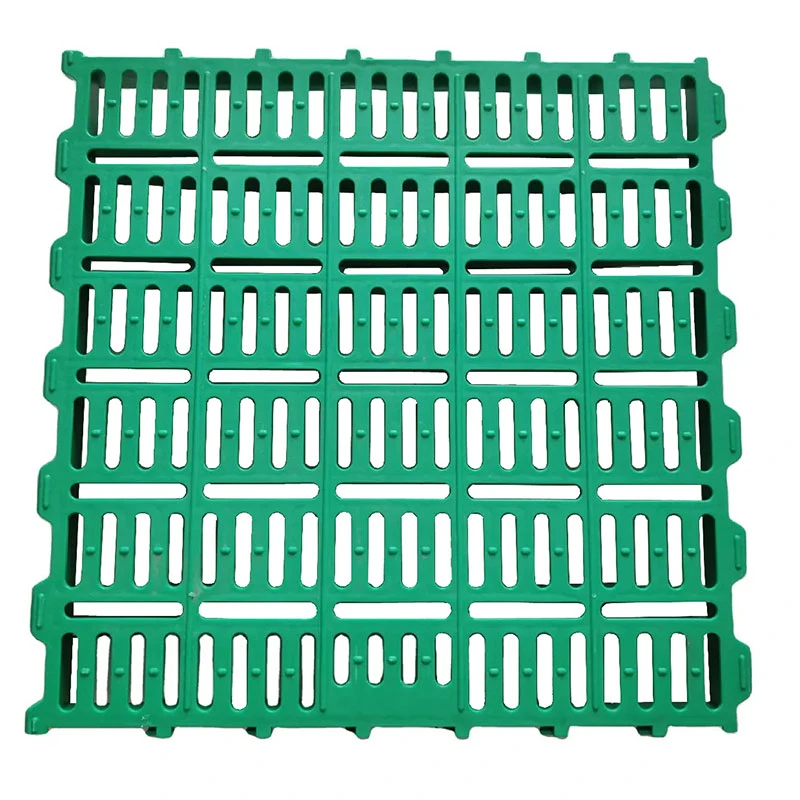
Let’s strip it back to the basics. Poultry slats are essentially panels—usually made from plastics, composites, or sometimes treated wood—with evenly spaced openings or grooves. You install them inside poultry houses, and the birds walk and rest on them.
The openings beneath allow droppings to neatly fall through into manure collection systems below. This separation cuts down ammonia levels and moisture on the surface, which lessens respiratory issues and disease risks.
In modern industrial poultry operations, slatted flooring enables better environmental controls and reduces the frequency (and harshness) of cleaning regimes. Some even come with antimicrobial treatments or interlocking edges for easy replacement and scalability.
Oddly enough, they also play a humanitarian role—for example, in smallholder livestock projects where maintaining good hygiene without costly inputs can mean the difference between survival and crop failure.
Mini takeaway:
Poultry slats may seem simple but are the unsung heroes of hygienic, high-performance poultry production.
Core Components to Consider When Choosing Poultry Slats
When you dig into the nitty-gritty of poultry slats, some stand out features matter more than others:
- Durability: With continuous use by thousands of birds, slats need to resist wear, weather, and sometimes chemicals. Many manufacturers use UV-stabilized plastic composites that can last 10+ years.
- Scalability & Modularity: Slats often come in interlocking sections, so you can scale up or swap out damaged parts easily without disrupting the whole house.
- Cost Efficiency: While initial investments vary, the savings come from reduced labor, disease, and feed conversion improvements. Some models weigh less for easier transport and installation, adding to long-term value.
- Non-slip Surface: Slats need traction to prevent bird injuries. Manufacturers often texture surfaces or add small ribs for grip without discomfort.
- Waste Management Compatibility: Designing slats with the right size and spacing affects manure dropping efficiency and compatibility with belts, pits, or rotary scrapers.
- Environmental & Health Impact: Some newer products include anti-microbial additives or recycled materials, improving sustainability footprints.
Mini takeaway:
Choosing the right poultry slats boils down to balancing durability, ease of maintenance, and environmental impact for your specific operation.
Real-World Applications of Poultry Slats Worldwide
The versatility of poultry slats shows up from backyard farms in Southeast Asia to massive industrial complexes in the U.S. and Europe. Their design adapts to every scenario—from broilers and layers to breeder houses.
For instance:
-
In post-disaster recovery zones, NGOs often supply slatted flooring to help re-establish poultry operations quickly and hygienically. This was done in Haiti after 2010’s earthquake and again in parts of Africa affected by drought.
-
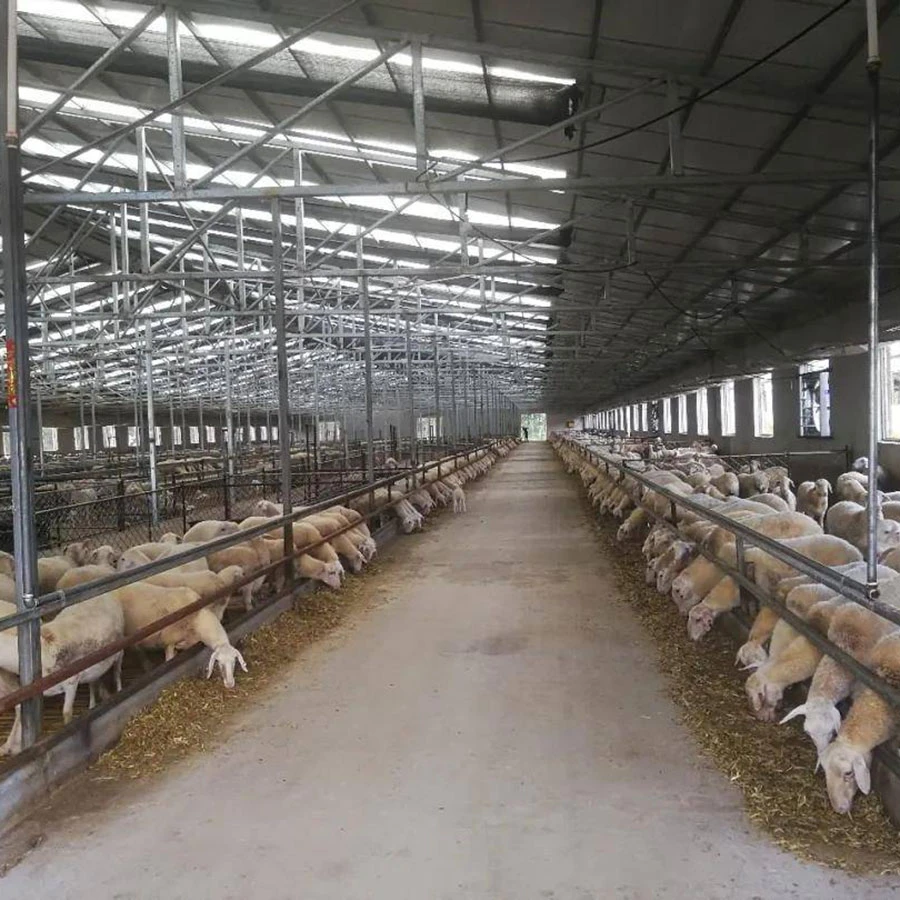
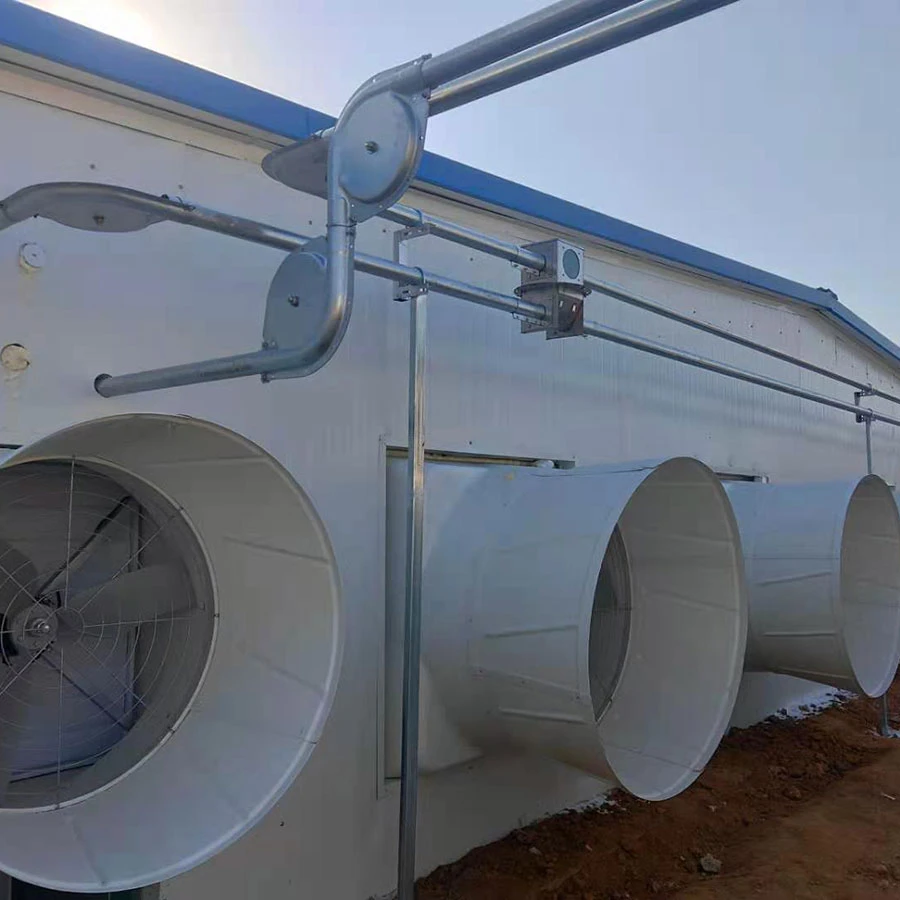
In large-scale commercial farms, slats are integrated with automated feeding and ventilation. This setup optimizes animal health and reduces human labor.
-
In remote regions, simpler plastic slats offer lightweight, durable, and transportable flooring options.
- Some organic or free-range farms even use slats in enclosed areas to meet welfare certification.
If you’re curious, you might want to check out
poultry slats suppliers who specialize in flexible, innovative products designed to fit diverse climates and scales.
Mini takeaway:
Poultry slats adapt to a wide range of needs — from disaster relief to high-tech industrial operations — making them truly global in reach.
Why Poultry Slats Make a Difference: Advantages and Long-Term Value
Let’s get honest: replacing traditional flooring with poultry slats isn’t just about convenience. There’s a ripple of benefits that are both emotional and economic.
- Cost Savings: Reduced cleaning time and disease risks translate to fewer veterinary bills and better feed efficiency.
- Sustainability: With improved manure separation and better ventilation, ammonia emissions drop—a win for workers and the environment.
- Animal Welfare: Better footing and cleaner surfaces reduce injuries and stress in flocks—leading to higher productivity.
- Trust & Innovation: For consumers, sustainable, high-hygiene farming reassures quality and food safety.
- Social Impact: Especially in developing countries, poultry slats empower farmers with modern tools, infusing dignity and economic opportunity.
Frankly, these benefits compound over years. I’ve seen farms where slat flooring literally transformed livelihoods.
The Road Ahead: Innovations and Future Trends in Poultry Slats
The future of poultry slats is not just plastic panels anymore — it’s intertwined with green energy, smart farming, and material science breakthroughs.
Emerging trends include:
- Biodegradable Slats: Researchers are exploring composites from agricultural waste to reduce plastic use.
- Automated Cleaning Systems: Integration with conveyor belts and robotic manure removal, cutting labor further.
- Sensor-Embedded Flooring: Monitoring bird health and activity in real-time, potentially detecting illness before outbreaks.
- Recycled Material Use: More brands use recycled plastics without sacrificing durability, aligning with circular economy goals.
In real terms, these technologies are at early stages but poised to shake up the industry in the next decade.
Common Challenges and How to Overcome Them
Of course, no solution is perfect. Poultry slats face hurdles too:
-
Initial Investment: Smaller farmers might find upfront costs daunting.
-
Installation Complexity: Poor fitting can cause stress or injury to birds.
-
Maintenance: Some materials can degrade under extreme weather conditions.
Experts recommend:
- Partnering with reputable suppliers who provide custom solutions.
- Training staff on installation and hygiene management.
- Considering phased adoption to spread costs.
Comparing Popular Poultry Slats: Product Specs
| Model |
Material |
Dimensions (mm) |
Weight (kg/m²) |
Longevity (Years) |
Surface Type |
| SlatPro 3000 |
UV-Stabilized HDPE Plastic |
1200 x 600 x 30 |
8.5 |
10+ |
Textured, non-slip |
| FarmGuard Elite |
Recycled Composite Wood |
1000 x 500 x 40 |
12.0 |
7 |
Ribbed surface |
| EcoFlex Slat |
Bioplastic Blend |
1100 x 550 x 35 |
7.0 |
5-8 |
Coarse-grain grip |
Vendors Comparison — What Sets Them Apart?
| Vendor |
Global Reach |
Customization Options |
Sustainability Initiatives |
Customer Support |
| CXL Livestock Supplies |
Worldwide |
High - custom sizes, logos |
Recycled material use, green packaging |
24/7 multilingual support |
| Global Slat Systems |
Europe, N. America |
Medium - standard modules |
Biodegradable prototypes |
Business hours only |
| AgriTech Solutions |
Asia, Africa |
Low - fixed product lines |
Focus on low-cost materials |
Limited online resources |
Frequently Asked Questions About Poultry Slats
- Q: How does poultry slat flooring improve bird health?
- A: By allowing manure to fall beneath the surface, poultry slats reduce wetness and ammonia buildup in the litter. This improved hygiene leads to fewer respiratory illnesses, less footpad disease, and overall better flock health.
- Q: Are plastic poultry slats more durable than wooden ones?
- A: Generally, yes. Plastic and composite slats resist moisture, rot, and insects much better than untreated wood, which means a longer lifespan and less maintenance in humid or high-waste environments.
- Q: Can poultry slats be customized for different bird species or housing sizes?
- A: Definitely. Many suppliers offer modular systems with customizable dimensions and surface treatments to accommodate broilers, layers, or breeders, as well as different environmental conditions.
- Q: What environmental benefits do poultry slats offer?
- A: By improving waste management and reducing ammonia emissions, poultry slats contribute to lessening the environmental footprint of poultry farms. Some models even use recycled or biodegradable materials to further sustainability goals.
Wrapping It Up: Why Poultry Slats Deserve Your Attention
Looking back, it’s clear that poultry slats are a quietly revolutionary product — blending engineering, animal welfare, and environmental awareness into something that truly modernizes poultry farming. From reducing disease risks and cutting costs to inspiring innovations for a greener future, their role can’t be overstated.
If you’re involved in poultry farming or livestock infrastructure, exploring the latest in poultry slat technology is more than worth your time. Curious? Feel free to visit
our website for insights, products, and expert advice tailored to your scale and needs.
---
### References
1. Food and Agriculture Organization of the United Nations (FAO) — [www.fao.org](https://www.fao.org)
2. World Bank Data on Agriculture and Livestock — [data.worldbank.org](https://data.worldbank.org)
3. ISO Standards on Livestock Housing — [www.iso.org](https://www.iso.org/committee/5911540.html)