Understanding the Pig Flooring System: Why It Matters Globally
If you’ve ever been curious about what exactly makes a pig flooring system so vital in modern swine production, you’re not alone. At its core, this system is about more than just a sturdy surface for hogs to stand on. It’s a critical element affecting animal health, farm efficiency, and even environmental outcomes. Globally, pig farming accounts for billions of dollars and feeds millions, but without the right flooring, issues like waste management, hygiene, and animal welfare spiral out of control. Understanding pig flooring systems benefits the entire supply chain — from farmers and vets to consumers — by boosting productivity and sustainability.
In fact, the UN Food and Agriculture Organization (FAO) estimates that as pork consumption grows worldwide, so does the need for smart livestock housing solutions to reduce disease and optimize resource use. A thoughtfully designed pig flooring system is one of those smart solutions.
The Global Context: Why Pig Flooring Systems Are More Relevant Than Ever
Let’s zoom out for a moment. Globally, pork is the most consumed meat after chicken, with production heavily concentrated in countries like China, the United States, and several parts of Europe. According to the World Bank, pig farming systems have had to evolve drastically due to climate change pressures, disease outbreaks (think African Swine Fever), and urbanization squeezing agricultural land.
The challenge? Traditional pig pens with solid or dirt floors often create unsanitary conditions. Manure buildup, wet floors, and poor ventilation spell trouble not only for the animals but also for workers and the environment. This is where the pig flooring system offers a lifeline — designed to enhance cleanliness through better drainage and durability to withstand the rigors of heavy hog traffic.
So, the pig flooring system is not just “flooring.” It’s a global issue of animal well-being and operational efficiency tied tightly to food security and sustainable agriculture.
What Exactly Is a Pig Flooring System?
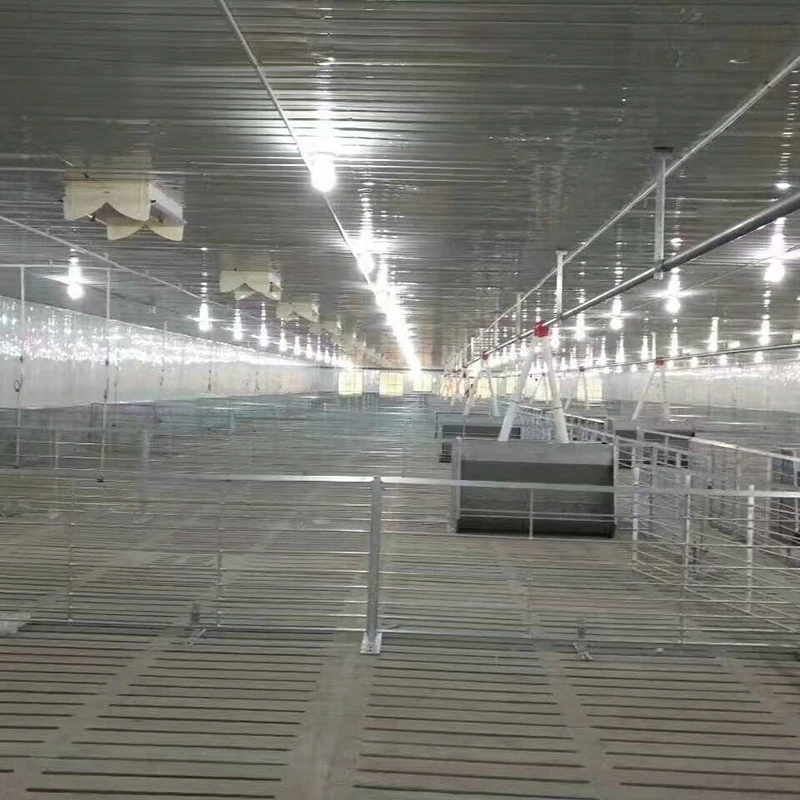
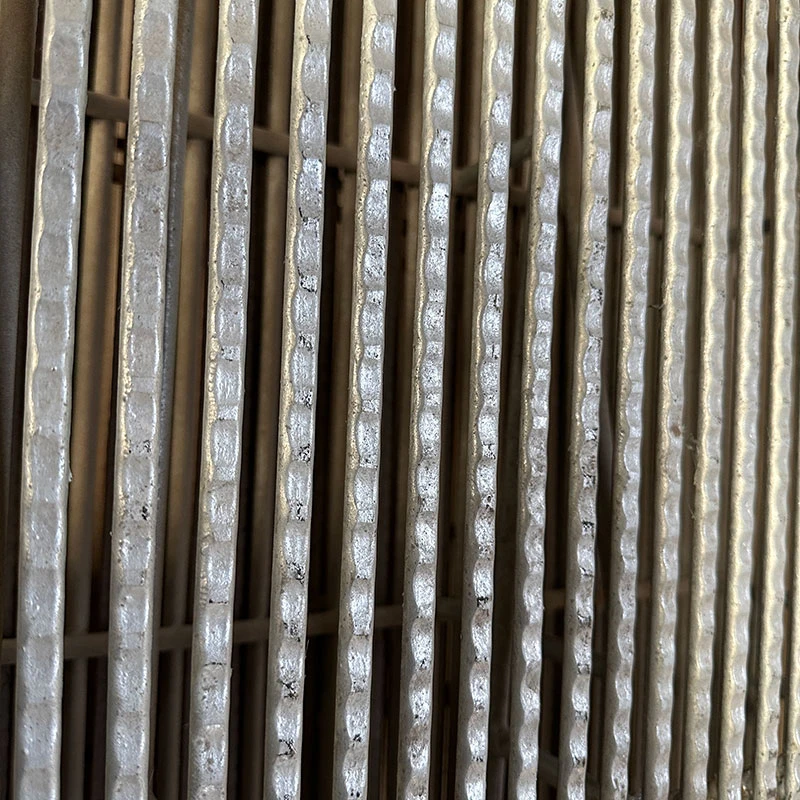
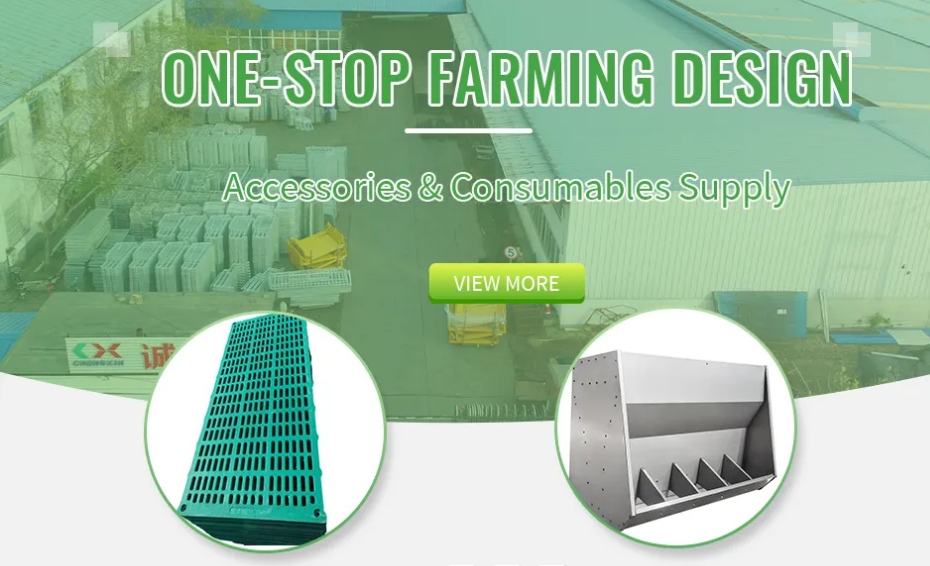
In the simplest terms, a pig flooring system refers to the materials, design, and layout of the floor inside pig pens or barns. Typically, these floors are made from concrete, plastic slats, or cast iron grids, and they’re engineered to provide comfort for the hogs while allowing waste to fall through or be flushed away efficiently.
Modern pig flooring systems are a bridge between industrial farming needs and humane animal husbandry. They improve hygiene by separating animals from their waste and minimize foot and joint injuries — a big deal when you want healthy pigs that grow well.
In humanitarian contexts, similar flooring concepts are used in emergency livestock shelters to help sustain local agriculture during disasters, proving that pig flooring isn't just an industrial concern but part of broader resilience strategies.
Key Components of a Good Pig Flooring System
1. Durability
The flooring must withstand aggressive wear, moisture, and chemical exposure. Durable materials like reinforced concrete or high-grade plastic slats are common choices. This resilience extends the floor’s lifespan, reducing costly repairs.
2. Drainage Efficiency
Efficient drainage is critical. Slatted designs or perforated floors allow pig waste to fall through, keeping the surface dry and clean. Good drainage reduces pathogen build-up, improving animal health.
3. Safety and Comfort
Slips and joint injuries are the enemy in pig pens. Flooring textures and materials must provide enough grip and cushioning without being abrasive. Some systems incorporate rubberized layers or textured surfaces for comfort.
4. Cost Efficiency
Investment in flooring must balance upfront costs with maintenance savings. Modular systems that are easy to replace or customize appeal to many producers looking to control expenses.
5. Scalability
Whether managing a small family farm or a multi-thousand-head commercial operation, adaptability matters. Flooring systems designed for scalability can be reconfigured or expanded as herd sizes and farm needs grow.
Global Use Cases and Applications of Pig Flooring Systems
In China’s intensive pig farming hubs, plastic slat flooring has drastically reduced disease transmission rates while boosting growth rates by keeping pigs drier and healthier. Meanwhile, European farms have led innovations in combining sustainability with welfare, using recycled materials for flooring that is both eco-friendly and durable.
On the flip side, small-scale farms in Africa and Latin America are beginning to adopt simpler versions of pig flooring systems, often using locally sourced materials, to improve hygiene and reduce zoonotic disease risks.
Interestingly, organizations like the International Fund for Agricultural Development (IFAD) promote better pig housing — including flooring — as a pathway to rural poverty alleviation. In post-disaster zones, temporary pig pens with modular flooring help revive local food supplies quickly.
Short Product Specification Table
| Feature | Plastic Slats | Concrete Flooring | Cast Iron Grids |
|---|---|---|---|
| Durability | High (Resistant to corrosion) | Very High (Heavyweight) | High (Rust-resistant coating) |
| Drainage | Excellent (Slotted design) | Moderate (Needs slope) | Good (Open grid) |
| Comfort | Good (Flexible plastic) | Poor (Hard surface) | Moderate |
| Cost | Moderate | Low upfront, High installation | High |
| Maintenance | Low (Easy to replace) | High (Cracks over time) | Moderate (Rust checks) |
Comparing Top Vendors for Pig Flooring Systems
| Vendor | Main Products | Geographic Reach | USP | Support & Warranty |
|---|---|---|---|---|
| FarmFloors Inc. | Plastic & concrete slats | Global (Europe, Asia, Americas) | Customizable modular systems | 5-year warranty, 24/7 support |
| SwineStep Solutions | Cast iron grids & rubber overlays | Europe, USA | Ergonomic, welfare-focused design | 3-year warranty, on-site training |
| AgriPlate Systems | High-density plastic slats | Asia-Pacific, Latin America | Eco-friendly recycled materials | 2-year warranty, online support |
Advantages and Long-Term Value of Using Pig Flooring Systems
The benefits of an expertly chosen pig flooring system stack up quickly. Clean floors mean fewer disease outbreaks — and that’s not just an animal health issue, it’s a financial life raft that reduces veterinary costs and improves yields. You also get better manure management, which in turn can lower environmental pollution, especially ammonia emissions and water contamination.
On the emotional side, farmers often say the peace of mind from knowing their pigs are living in cleaner, safer conditions is invaluable. It’s a form of trust in the system, and I suppose there’s also a growing consumer expectation around animal welfare that pig flooring systems help meet. More than a new cost, it’s an investment in your brand and community — the kind of innovation that feels responsible.
Future Trends and Innovations on the Horizon
Looking ahead, pig flooring systems are evolving alongside digital agriculture and sustainability efforts. For example, sensor-embedded floors are being tested to monitor humidity and temperature, alerting farmers early to biosecurity risks. Green building materials grown from bio-composites and recycled plastics are replacing energy-intensive concrete.
Automation might even come in the form of robotic cleaners that keep flooring hygienic continuously, reducing manual labor. It feels like agriculture is slowly catching up with the smart factory concept, and pig flooring is right there at the foundation (pun intended).
Common Challenges and How They're Being Tackled
Despite all this progress, pig flooring systems face some hurdles. High initial investment costs can deter smaller farms, and improper installation leads to problems like uneven surfaces or insufficient drainage. Sometimes products marketed as durable fail under stress, causing early replacement.
Experts recommend thorough site assessment before choosing flooring and advise working with vendors who offer good warranties and after-sale support. Plus, modular systems are gaining favor as they’re easier to repair and upgrade, which addresses long-term resilience.
Frequently Asked Questions About Pig Flooring Systems
Q1: What type of pig flooring is best for reducing foot injuries?
A1: Floors with textured plastic slats or those overlaid with rubber reduce slips and abrasions. Avoid hard concrete surfaces without cushioning, as they tend to increase joint stress and injuries.
Q2: How often should pig flooring systems be replaced?
A2: Depending on material and use, plastic slats may last 5-10 years, while concrete can last longer but may crack. Regular maintenance can extend flooring life, but complete replacement is typically every decade.
Q3: Can pig flooring systems help with waste management?
A3: Absolutely. Slatted floors allow manure to drop below for quick removal and treatment, significantly improving hygiene and reducing environmental impacts compared to solid floors.
Q4: Are modular pig flooring systems cost-effective for small farms?
A4: Modular systems offer flexibility and lower upfront costs by allowing incremental installations. They’re becoming increasingly popular for small-to-medium farmers balancing budget and performance.
Q5: How do I choose a pig flooring system supplier?
A5: Look for vendors with proven track records, good warranties, and support services. Consider their geographic reach and user reviews. You can explore options from pig flooring system suppliers with customizable solutions to fit your needs.
Wrapping Up: Why Pig Flooring Systems Deserve Your Attention
At the end of the day, pig flooring systems are one of those quiet forces that keep pig farming running smoother. They touch on animal health, environmental sustainability, economic efficiency, and humane farming practices. Whether you manage a backyard operation or a commercial facility, investing in the right flooring system can pay dividends in longevity and profit, not to mention the less tangible benefits of animal welfare and operational peace of mind.
If you’re ready to explore reliable, innovative systems tailored for your farm, visit our website: https://www.cxlivestock.com — your next generation pig flooring system awaits.
References
Post time: Dec . 02, 2025