What Are Industrial Floor Grates and Why They Matter Globally
If you’re walking through any industrial facility—whether it’s a sprawling factory in Germany, a power plant in India, or a warehouse in the US—there’s a good chance you’re stepping on, or at least near, industrial floor grates. They’re those metal panels with holes or slots that sometimes seem overlooked, yet they’re incredibly vital for safety, environmental control, and operational efficiency. Globally, as industries expand and safety standards evolve, understanding industrial floor grates’ roles is no longer just for the engineers—it’s part of advancing modern, sustainable, and safe industrial environments.
Why does this matter on a global scale? According to the International Organization for Standardization (ISO), workplace safety in industrial settings is a key factor in sustainable production (ISO 45001). Plus, with rapid urbanization and industrialization—think of the projected 60% growth in industrial output by 2030 per UN estimates—the demand for reliable, durable flooring solutions grows. Industrial floor grates help tackle critical challenges: drainage, slip hazards, airflow, and maintenance, all while standing up to hard, rough conditions. It’s not glamorous, sure, but it’s fundamental.
Setting the Stage: What Exactly Are Industrial Floor Grates?
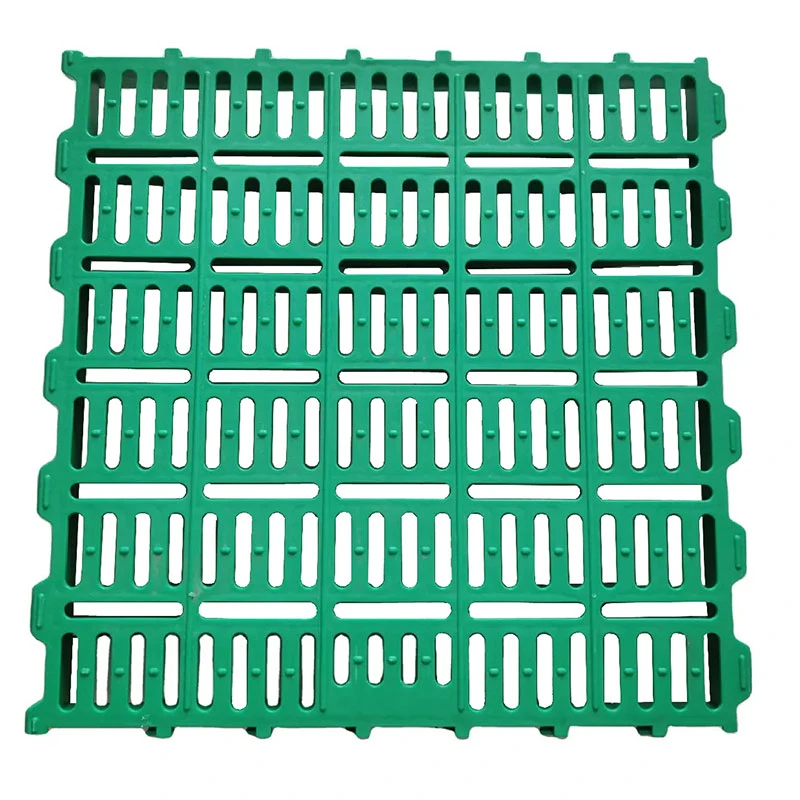
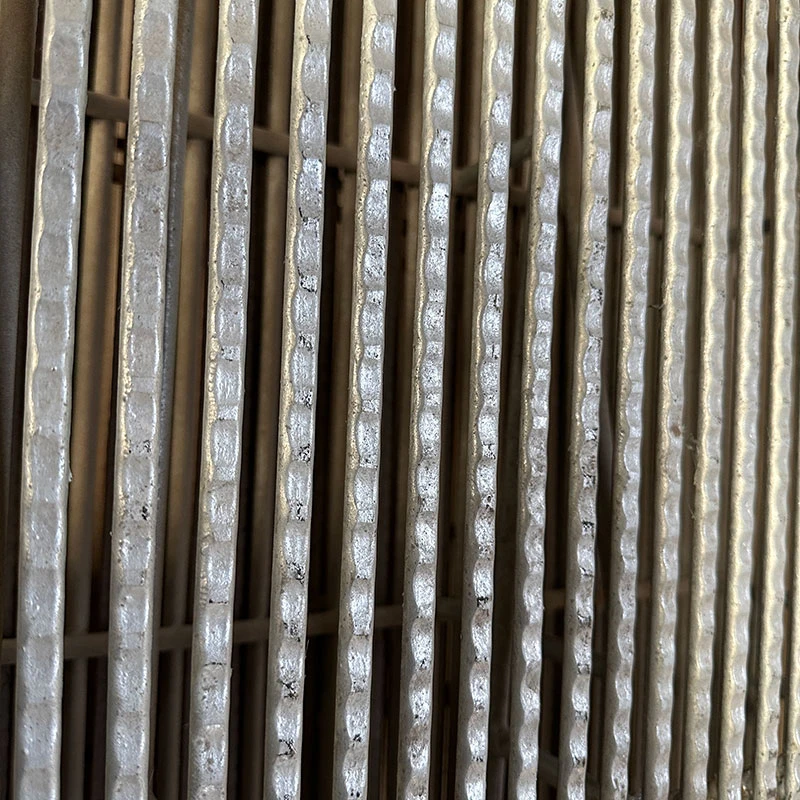
Put simply, an industrial floor grate is a panel made typically from steel, stainless steel, or composite materials, designed with openings to allow liquids, debris, or air to pass through while providing a stable surface to walk or drive over. You can think of it as a heavy-duty sieve or a cage for your feet—functional with built-in toughness. They’re essential for factories that handle fluids, warehouses where spills happen, or even power plants where cooling and ventilation needs demand open flooring.
But their meaning goes beyond just structural or mechanical use. In many humanitarian and industrial relief operations—say, post-disaster scenarios—floor grates offer rapid deployment platforms that maintain hygiene and safety standards even in the toughest environments. In other words, industrial floor grates literally form the groundwork for progress and safety in countless settings.
Core Factors Behind Industrial Floor Grates’ Effectiveness
1. Durability and Material Choice
This one’s a no-brainer but still worth emphasizing. Most grates are made from galvanized steel, stainless steel, or carbon steel. Galvanization fights rust—a huge deal if you work in chemical plants or food processing where moisture is involved. Stainless steel, while pricier, resists corrosion superbly and handles extreme temperatures.
2. Load Capacity and Safety
Depending on the industrial application, floor grates might bear forklift traffic or heavy machinery. So, load rating—or the ability to safely support anticipated weight—is fundamental. Misquiz this and you risk accidents or costly downtime. Slip resistance treatments or patterns also matter here, because often slippery spills happen.
3. Drainage and Ventilation
Good grating means excellent drainage. Many industries produce waste or excess fluids (think oils or stormwater). The grate’s openings let liquids pass while keeping the walking surface solid. Ventilation is just as important in power plants or food factories to maintain airflow and safeguard equipment.
4. Ease of Maintenance
Industrial spaces aren’t exactly pristine. Ease in cleaning, replacing, or inspecting grates affects workflow and safety audits. Modular designs or quick-release systems speed up maintenance and prevent prolonged shutdowns.
5. Cost Efficiency and Longevity
It might feel odd to group cost with longevity, but really, a seemingly expensive heavy-duty grate often pays off in the long run. Reduced corrosion, less frequent replacements, and fewer accidents make total cost of ownership affordable.
Where in the World Do Industrial Floor Grates Make a Difference?
The simple answer: pretty much everywhere industries exist. Let’s get a bit more specific:
- Manufacturing hubs in East Asia: Countries like China, South Korea, and Japan rely on industrial floor grates to maintain clean factory floors, especially in chemical and electronics manufacturing.
- European energy and waste sectors: Industrial floor grates are ingrained in power plants and waste treatment centers, where liquid drainage and heavy load support are mission-critical.
- Oil and gas extraction zones: Offshore rigs and refineries worldwide use specialized grates resistant to harsh environments and spills.
- Post-disaster humanitarian projects: NGOs erect temporary industrial-style flooring for refugee camps or emergency field hospitals, ensuring hygiene amidst chaos.
- Food and beverage plants worldwide: These sectors demand stainless steel grates that meet strict hygiene and corrosion regulations.
One memorable example: In Bangladesh following major floods, temporary industrial floor grates helped raise walkways in relief centers, keeping aid workers safe and dry despite muddy conditions.
Industrial Floor Grates: Tangible Value and Beyond
Let’s talk benefits. Yes, cost savings come to mind first, but it’s also about safety, social impact, trust, and sustainability. Good grates reduce slip-and-fall accidents and improve worker morale. They can reduce environmental contamination by ensuring safe drainage. And, I suppose, there's an intangible but vital piece—when you know your footing is secure, it instills a subtle sense of trust in the workspace.
| Specification | Value/Standard |
|---|---|
| Material | Galvanized Steel / Stainless Steel / Composite |
| Standard Load Capacity | Up to 1,000 kg/m² (varies by product) |
| Typical Dimensions | 600mm x 600mm / 1,000mm x 1,000mm |
| Corrosion Resistance | Class C4-H (ISO 12944) |
| Slip Resistance | Complies with EN ISO 13287 standard |
| Typical Life Expectancy | 10 to 20 years under normal industrial use |
Comparing Top Vendors of Industrial Floor Grates
| Vendor | Material Options | Customization | Lead Time | Global Presence |
|---|---|---|---|---|
| SteelTech Solutions | Galv. & Stainless Steel | Full sizing/custom load rates | 3-5 weeks | Yes (Europe, Asia, Americas) |
| GrateMasters Inc. | Steel & Composite | Limited options | 2-3 weeks | Primarily North America |
| Global Industrial Grates | Stainless Steel Only | Custom corrosion coatings | 4-6 weeks | Worldwide |
What’s Next? Future Trends in Industrial Floor Grates
It feels like innovation in something as "basic" as floor grates might be slow, but surprisingly, that’s not the case:
- Eco-friendly Materials: Research on composite grates made from recycled plastics or biodegradable resins is advancing, ensuring a smaller carbon footprint.
- Smart Grating: Embedded sensors to monitor load stress or detect fluid leaks—kind of like industrial floor grates going digital.
- Modular and Rapid Deployment Systems: Helping emergency responders and industries set up or modify factory layouts quickly without heavy tools.
- Corrosion-resistant Coatings: New nano-coatings promise longer lifespan even in aggressive chemical environments.
These innovations promise to increase safety margins, reduce maintenance costs, and introduce efficiencies that weren’t possible before.
Challenges — and How to Get Around Them
Despite all the progress, there are still some hurdles. Installation can sometimes be tricky, especially with heavier steel grates. Also, in environments with extreme temperature swings or highly corrosive chemicals, not every standard grate will survive long. Maintenance downtime still costs money, and customization can be pricey.
Yet experts recommend:
- Working closely with vendors for tailored solutions.
- Choosing modular panels to reduce time lost during maintenance.
- Regular inspections and proactive surface treatments.
- Exploring composite materials as alternatives where steel fails.
So, while challenges exist, they’re far from insurmountable with the right strategy.
Industrial Floor Grates FAQ
- Q: What load capacity should I look for in industrial floor grates for a manufacturing plant?
- A: Generally, grates designed to bear at least 500 kg/m² suffice for pedestrian areas, but if forklifts or heavy machinery operate on them, aim for capacities above 1,000 kg/m². Always consult load charts from the manufacturer to match your specific needs.
- Q: Are stainless steel grates necessary for food processing industries?
- A: Yes. Stainless steel offers superior corrosion resistance and meets hygiene regulations required for food industries. It prevents contamination and withstands frequent cleaning with chemicals.
- Q: Can industrial floor grates help with flood management in warehouses?
- A: Absolutely. Grates allow quick drainage of excess waters, minimizing flood risk inside facilities. Installing properly planned drainage systems beneath grated floors enhances this benefit.
- Q: How quickly can industrial floor grates be replaced in operational factories?
- A: Modular designs with quick-release fasteners can reduce replacement times to just a few hours, minimizing operational downtime. However, custom grates may take longer during manufacturing.
Wrapping It Up: Why Industrial Floor Grates Deserve Your Attention
It might feel like industrial floor grates are just those unassuming metal plates underfoot—but they’re the unsung heroes of industrial safety, efficiency, and sustainability. They provide critical drainage, maintain safe footing, and support some seriously heavy workloads. As industry standards tighten and new materials and smart technologies emerge, industrial floor grates will only become more integral. If you want to stay ahead or upgrade your facilities, taking a closer look at your grating solutions is a smart move.
Curious for more product details or want to explore options? Visit our website: industrial floor grates for expert insights and solutions tailored for your needs.
Post time: Dec . 02, 2025