Why Hog Slat Flooring Matters on a Global Scale
Hog slat flooring might not be on everyone’s radar, but if you’ve ever glimpsed a modern pig barn, you’ve seen a quiet revolution in livestock management. This specialized flooring system is helping farms worldwide boost animal welfare, improve sanitation, and streamline waste management — all critical factors in sustainable agriculture.
Globally, pork accounts for roughly a third of all meat consumed according to the Food and Agriculture Organization of the United Nations. As the demand climbs, the industry faces increasing pressure to innovate, especially in terms of breeding environments. That’s where hog slat flooring plays a starring role — offering an effective way to maintain health standards while maximizing productivity.
Understanding hog slat flooring means grasping a piece of agricultural progress that ties into environmental responsibility, economic viability, and food security, all wrapped in one.
Introduction: The Global Context of Hog Slat Flooring
Across continents — from North America’s industrial farms to smallholders in Eastern Europe and Asia — hog farming is a critical economic activity. The FAO estimates pork production surpassed 120 million tons in recent years, and much of this growth depends on managing pig health efficiently.
Hog slat flooring addresses persistent problems like waste accumulation, animal injuries, and labor-intensive cleaning. These factors pose risks not only to profitability but also to compliance with evolving animal welfare regulations (ISO 23680:2019, which outlines livestock housing standards).
What’s interesting is how a simple engineering solution — perforated or slatted floors — can make a big dent in these challenges, improving drainage and allowing waste to fall away from pigs promptly, promoting healthier living conditions.
What Is Hog Slat Flooring?
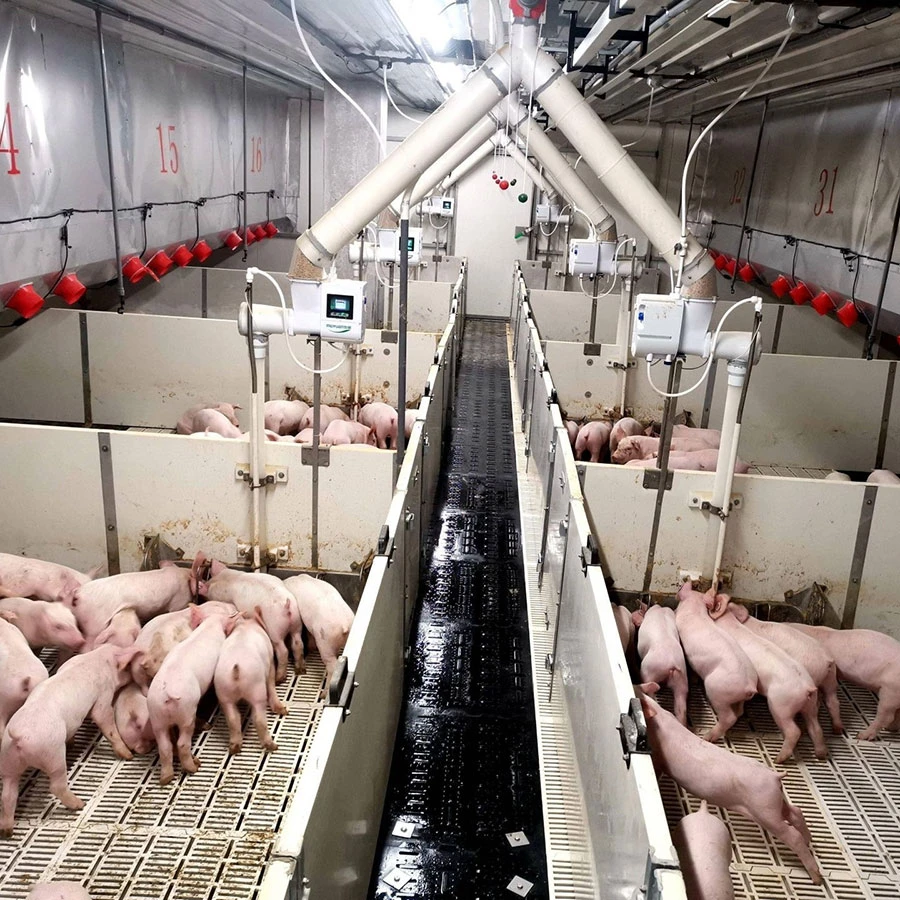
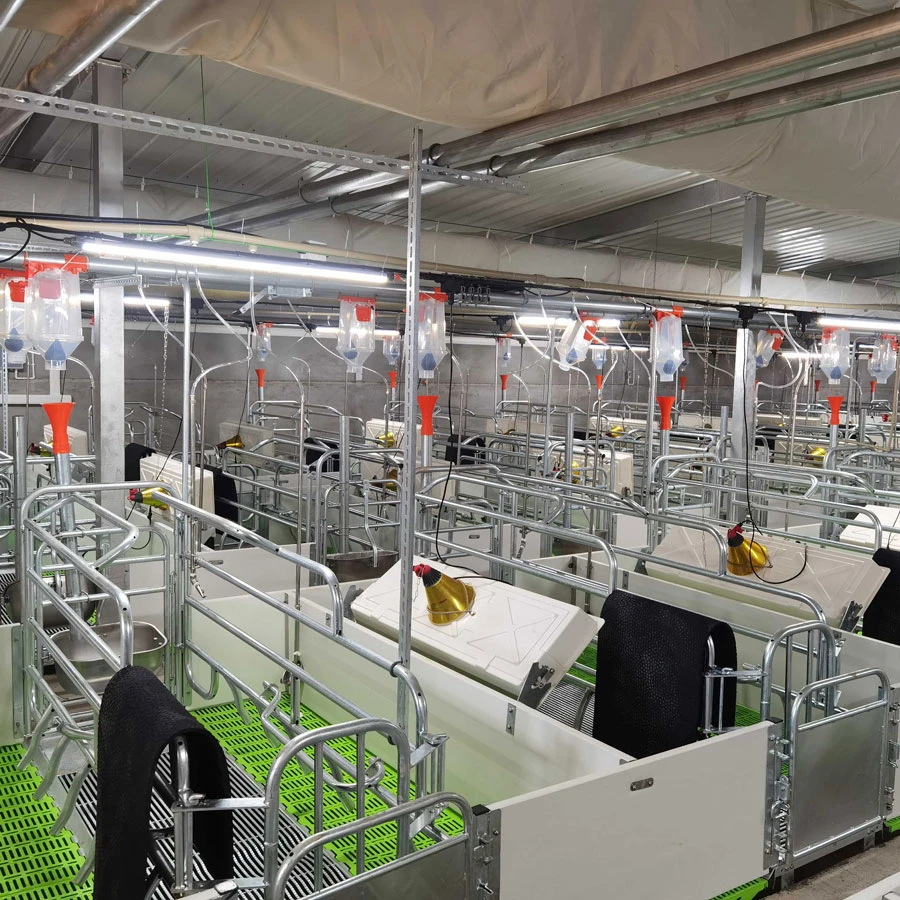
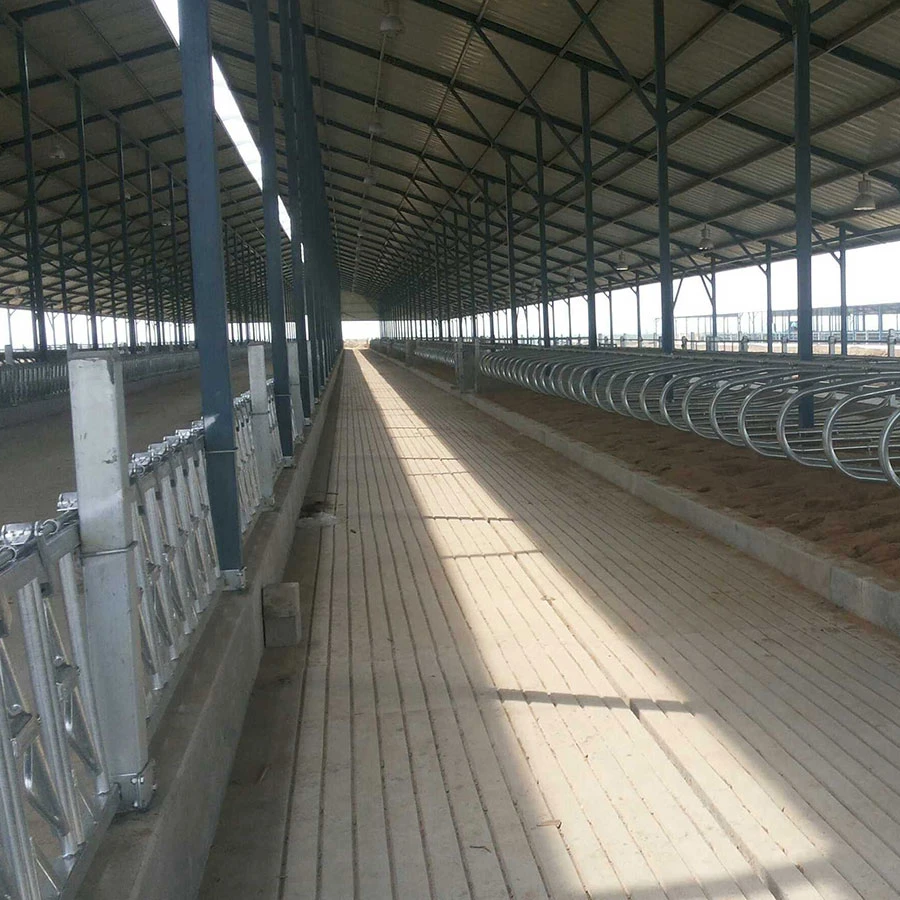
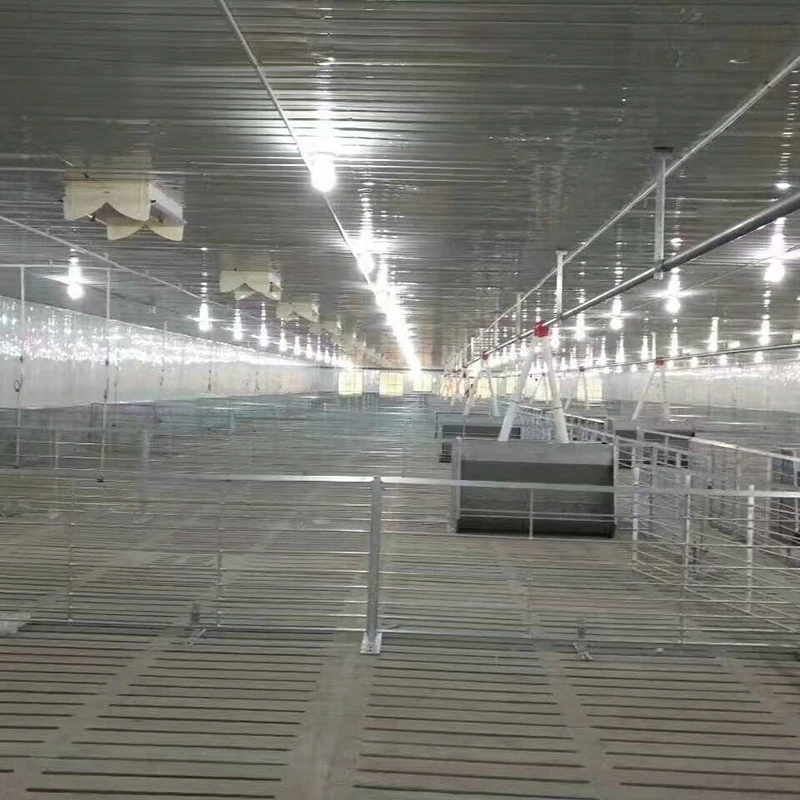
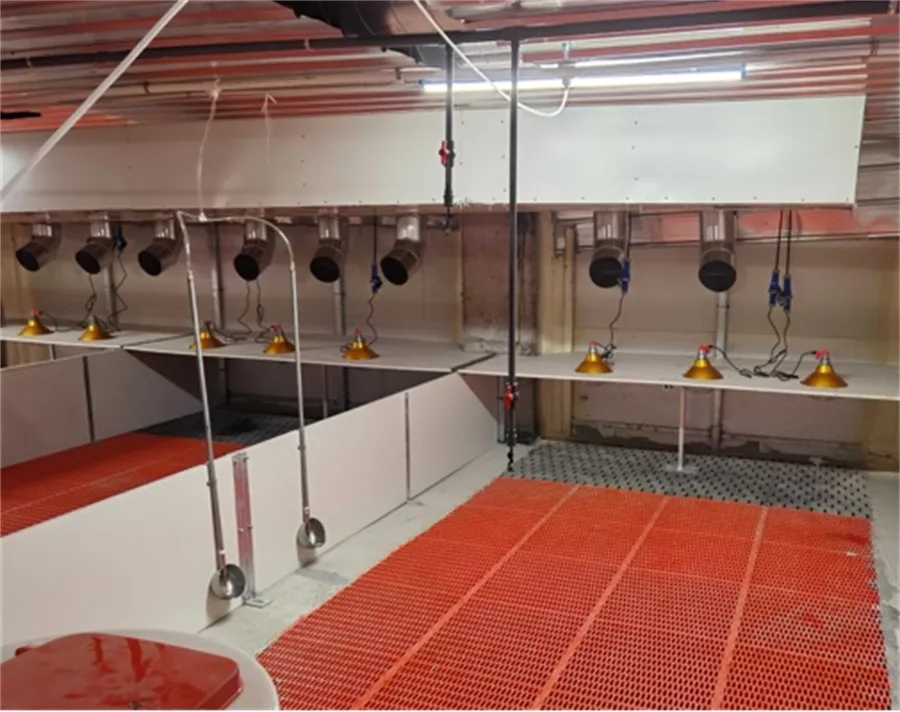
Simply put, hog slat flooring refers to floor panels made with evenly spaced slats, designed to support pigs while allowing manure to drop through the gaps underneath. Typically constructed from concrete, plastic, or metal, the system facilitates efficient cleaning and waste removal.
This flooring enhances not just ease of maintenance but animals’ comfort and hygiene. Plus, it’s an integral piece in modern pigs’ housing — whether you're working on large commercial farms or smaller scale operations aiming to meet strict environmental standards.
Mini Takeaway:
Hog slat flooring is a deceptively simple innovation that serves as a foundation for animal welfare and farm management worldwide.
Core Components & Key Factors of High-Quality Hog Slat Flooring
Durability and Materials
Durability is king here. Many engineers I’ve talked with favor reinforced concrete for its long lifespan and resistance to heavy pressure — but plastic slats have gained traction for being lightweight and corrosion-resistant, especially in humid environments.
Slat Width and Gap Size
This is a technical balancing act. Slats must be narrow enough to safely support pigs without risk of foot injury but spaced wide enough to allow manure to pass through. For instance, slats are often 3-4 inches wide with 1.5-2 inch gaps. Too wide a gap and you risk injuries; too narrow and waste builds up.
Modularity and Scalability
Many hog slat floors come in easily replaceable panels. This modularity lets farmers scale or repair sections without a costly full-floor overhaul. Flexibility in layout also means adapting to different barn sizes and animal densities.
Cost Efficiency
Initial investment varies widely — concrete sets a higher upfront bill but low maintenance costs. Plastic or composite slats might cost less but wear faster. In real terms, farm managers often weigh cost versus lifespan and environmental impact.
Waste Management Compatibility
Important yet overlooked: efficient waste removal systems need to work hand-in-hand with the flooring. The design of the slats affects drainage rates, which impacts downstream facilities like lagoons or biogas digesters.
Animal Comfort and Safety
There’s growing attention on ensuring flooring minimizes foot lesions or stress. Many studies suggest using rounded edges and textured surfaces to prevent slips and hoof damage.
Mini Takeaway:
- Durability and material choice heavily influence the flooring lifespan.
- Slat dimensions must balance animal safety and waste disposal efficiency.
- Modularity and compatibility with farm systems enhance practicality.
Global Applications & Real-World Use
In the US and Canada, hog slat flooring is the norm for large-scale farms. Europe has been pushing more stringent welfare-direction policies, leading to innovative flooring designs that improve comfort.
In Latin America and parts of Asia, modular hog slat flooring gets deployed rapidly in newer swine operations aiming for export quality production. Plus, humanitarian organizations have even experimented with portable flooring systems for livestock in disaster recovery zones — a fascinating crossover!
A year ago, I visited a farm in Denmark where farmers shared how switching to plastic composite slats reduced cleaning time by almost 30%, freeing more hours for animal care — a small story that tells a broader impact.
Advantages & Long-Term Value of Hog Slat Flooring
The benefits stack up nicely:
- Cost savings: Less labor spent cleaning, fewer infections, and longer service life of barn infrastructure.
- Animal welfare: Better hygiene means fewer diseases and less need for antibiotics, an increasingly vital point in sustainable farming.
- Environmental impact: Efficient waste management reduces runoff pollution risks and greenhouse gas emissions.
- Innovation and trust: Consumers today demand transparency and humane practices; proper flooring systems contribute to brand value.
Future Trends & Innovations in Hog Slat Flooring
Oddly enough, the future looks both high-tech and green. Biodegradable composite materials are on the horizon, aiming to reduce end-of-life waste. Digital sensors embedded in flooring to monitor weight distribution and detect health issues early are becoming prototypes.
Automation in cleaning paired with smart manure management systems could turn pig barns into semi-autonomous units, improving efficiency and biosecurity greatly. Regulatory shifts pushing for lower carbon footprints might also drive adoption of solar-powered cleaning systems integrated with flooring.
Challenges & Technological Solutions
Current challenges include the upfront cost barriers for smallholders, risk of slat damage under heavy loads, and the need for regionally adapted designs (humidity, temperature, pig breed). Experts often recommend phased implementation or hybrid flooring combining concrete and plastic to dodge these issues.
Maintenance training and partnerships with vendors offering customization help too — which I’ll touch on shortly.
Frequently Asked Questions About Hog Slat Flooring
- What materials are best for hog slat flooring?
- Concrete slats offer durability and strength, ideal for large setups. Plastic composite slats are lighter, resist corrosion, and may be better in humid conditions, but typically have a shorter lifespan.
- How do I maintain hog slat flooring efficiently?
- Regular cleaning with automated or manual systems is essential to prevent blockages. Keep slat gaps clear and monitor for cracks or damage that could cause animal injury.
- Can hog slat flooring be customized to different pig breeds or housing sizes?
- Absolutely. Modularity in slat panels lets farmers configure flooring to barn layouts and tailor slat dimensions to breed sizes for optimal safety and comfort.
- Is hog slat flooring environmentally sustainable?
- Yes. By facilitating waste removal and reducing disease incidence, it supports reduced chemical use and better manure management, lowering environmental footprint.
- Where can I find reliable vendors for hog slat flooring?
- Look for vendors offering high-quality materials with proven durability, customization options, and local support. A comparison table below highlights some leading suppliers.
Product Specification Table: Typical Hog Slat Flooring Features
| Feature | Concrete Slats | Plastic Composite Slats | Metal Slats |
|---|---|---|---|
| Material Weight | Heavy (approx. 250 lbs/panel) | Light (approx. 50 lbs/panel) | Moderate (approx. 100 lbs/panel) |
| Typical Lifespan | 15+ years | 5-8 years | 10+ years (corrosion prone) |
| Installation Ease | Requires heavy equipment | Modular & easy | Moderate, bolts needed |
| Maintenance | Low | Medium | High (due to rust) |
| Animal Comfort | Good (solid and stable) | Excellent (textured surface) | Fair (can be slippery) |
Vendor Comparison: Leading Hog Slat Flooring Providers
| Vendor | Material Focus | Customization | Typical Delivery | Support and Warranty |
|---|---|---|---|---|
| BarnTek Solutions | Concrete & Plastic | High – Custom panel sizes | 4-6 weeks | 5-year warranty, 24/7 support |
| AgriFloor Tech | Plastic Composite | Medium | 2-3 weeks | 3-year warranty, online resources |
| HogSlat Inc. | Metal & Concrete | High | 6-8 weeks | 7-year warranty, extensive field service |
Conclusion: Why Choose Hog Slat Flooring?
As we’ve seen, hog slat flooring isn’t just a flooring choice; it’s a critical part of modern pig farming that intertwines animal health, environmental care, and farming efficiency. Its benefits ripple through welfare improvements, cost savings, and sustainability — all crucial for tomorrow’s farms.
If you’re considering upgrading or deploying new hog slat flooring, visit our website for expert advice, quality products, and tailored solutions. Let’s advance livestock management together.
Reflection & Sources
In researching hog slat flooring, it’s clear the industry is quietly innovating in ways that make a big difference. It reminds me of how small infrastructural changes often underpin massive systemic improvements, whether in farming or elsewhere. For further detail and technical standards, check out sources like:
Post time: Dec . 02, 2025