Understanding Field Fence for Hogs: A Practical Guide
Field fence for hogs might not be the buzzword you hear at industry conferences every day, but its role in agricultural and livestock management is quietly essential worldwide. Especially as pig farming grows globally—estimated at over 900 million hogs in production annually (FAO)—containing and protecting these animals with dependable fencing isn’t just about convenience. It’s about animal welfare, farm productivity, and even environmental sustainability. Knowing the fundamentals of this specialized fence helps farmers, NGOs, and agricultural businesses make smarter decisions that ripple across communities and economies.
Why Field Fence for Hogs Matters Globally
To get why this fencing is crucial, consider global pork production. According to the UN’s Food and Agriculture Organization, pork remains the most consumed meat worldwide, and managing hogs humanely and efficiently is a key priority. But containment issues—like hogs escaping, crop damage, and predator threats—raise serious challenges. Plus, with rising concerns about biosecurity and disease spread (think African swine fever), proper fencing becomes a frontline defense.
At the same time, many developing regions face the need for affordable, durable fencing solutions that can be quickly deployed yet withstand harsh climates and livestock pressure. That’s where field fence for hogs steps in.
Mini Takeaway:
Field fence for hogs isn’t just a physical barrier. It’s a tool for sustainable agriculture, economic stability, and animal welfare—all of which have global significance.
What Exactly Is Field Fence for Hogs?
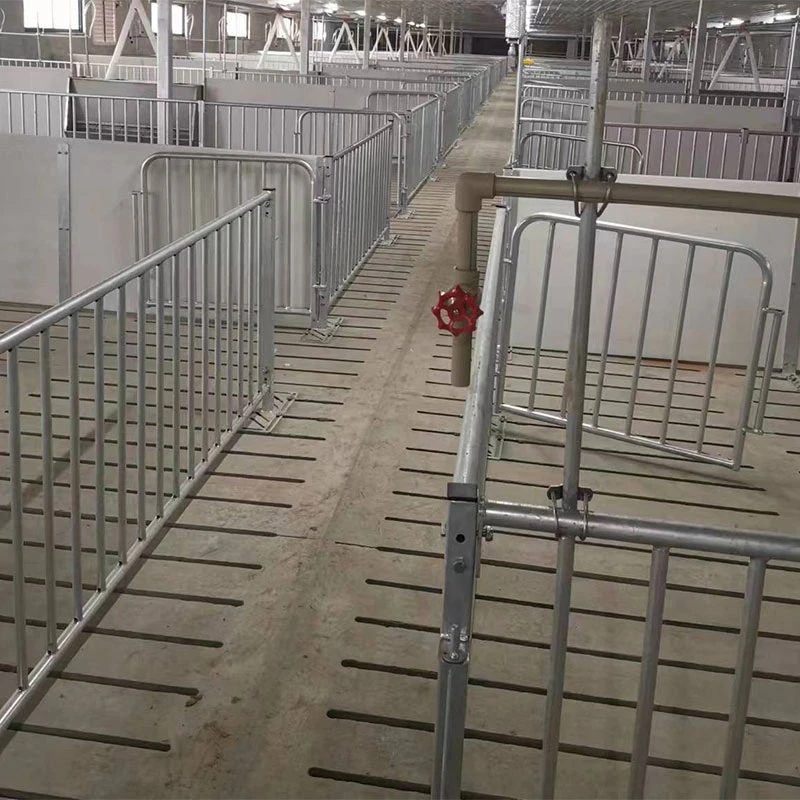
In simple terms, field fence for hogs is a type of livestock fencing designed specifically to hold and protect pigs within a confined area. Unlike generic wire fencing, hog fences are usually made with smaller mesh sizes (roughly 4×4 inches squares or smaller), made from galvanized steel wire, and built tougher to handle the rooting and pushing behavior of hogs.
This fencing fits into the larger ecosystem of modern farming by balancing the need for containment with ventilation and access. For NGOs and relief agencies, it also serves a humanitarian purpose—helping smallholder farmers protect their livestock and secure livelihoods post-disaster or during resettlement.
Key Components of Field Fence for Hogs
Durability
Hogs are surprisingly strong and persistent animals, often testing fences by pushing and rooting. That’s why the wire gauge and galvanization quality are critical. Most hog fences use 12.5 to 14 gauge wires with a galvanized coating to resist rust and degradation for years—even in damp or cold environments.
Mesh Size and Configuration
The smaller the mesh, the better the containment. Commonly, 4×4 inch openings prevent even young hogs from squeezing through, while heavier gauge vertical wires increase structural strength. Sometimes the bottom two rows are closer together to prevent piglets from escaping.
Scalability & Size
Unlike permanent fences, hog field fences come in rolls or panels, making installation and expansion on-demand relatively straightforward. This modular approach serves small family farms and large pork producers alike.
Cost Efficiency
Balancing upfront cost with long-term performance is key. Galvanized field fence provides a cost-effective solution compared to exotic materials or electrified fencing, especially when strategically maintained.
Ease of Deployment
Especially important in remote or post-disaster zones, this fence type can be installed with basic tools and minimal expertise. Lightweight panels and pre-spaced stakes reduce labor time — a practical advantage.
Environmental Impact
Choosing recyclable steel and ensuring fences do not excessively fragment wildlife corridors are growing concerns driving innovations in fence design.
Mini Takeaway:
- Strong wire gauge + small mesh = no hogs on the loose.
- Modular fencing adapts to farm growth and geography.
- Durability and ease of install translate into real-world value.
How Field Fence for Hogs Gets Used Around the World
If you think about it, wherever hog farming happens — from North American family farms to Southeast Asian pig villages — the need for good fencing is universal, even if practical realities differ.
- North America: Large-scale pork producers rely on durable field fences to segment pastures and control breeding groups, reducing disease by controlling pig contact.
- Sub-Saharan Africa: NGOs distribute lightweight field fence rolls to smallholder farmers post-drought, helping protect pigs from predators and theft.
- China & Southeast Asia: Compact farms use specialized fencing to accommodate high pig densities without expensive concrete pens.
- Post-Disaster Relief: Relief organizations leverage speedy deployments of these fences to restore livestock containment after floods or conflicts.
The ability to buy fence locally or via trusted vendors online—like field fence for hogs providers—adds to the accessibility and adaptability of these systems.
Product Specification Table
| Feature | Typical Value | Notes |
|---|---|---|
| Wire Gauge | 12.5 - 14 gauge | Stronger gauges last longer |
| Mesh Size | 4x4 inch to 2x4 inch | Smaller near bottom to contain piglets |
| Height | 36 - 54 inches | Higher fences for larger hog breeds |
| Material | Galvanized steel | Corrosion-resistant coating |
| Roll Length | 50 - 100 feet | Modular for different farm sizes |
| Weight (per roll) | 40 - 75 lbs | Varies by gauge and length |
Comparing Leading Vendors of Field Fence for Hogs
| Vendor | Gauge Range | Mesh Sizes | Price Range (per roll) | Notes |
|---|---|---|---|---|
| AgroFencing Inc. | 12.5 - 13.5 | 2x4, 4x4 inch | $120 - $160 | Strong rust protection, good reviews |
| FieldSecure Ltd. | 14 | 4x4 inch | $100 - $140 | Economical, easy installation |
| RuralWire Co. | 12.7 - 14 | 3x3, 4x4 inch | $130 - $170 | Heavy-duty, UV resistant coatings |
Long-Term Benefits of Using Field Fence for Hogs
In real terms, investing in quality fencing isn’t just a box to tick—it directly impacts animal health, reduces operational costs, and promotes sustainability. Properly contained hogs inflict less damage on pastures, reducing soil erosion and limiting ecosystem disturbance. Farmers report less stress worrying about escapes or predators. Socially, better fencing means livestock stay healthier, which supports food security and farmer incomes—particularly important in developing countries.
Emotionally speaking, there’s also a sense of pride and trust in well-managed farms. Innovation here isn’t just tech advancement; it’s rooted in respect—for animals, resources, and communities.
Emerging Trends in Hog Fencing
The industry isn’t standing still. New fencing materials with advanced polymers offer longer life and lighter weight. Digitally assisted fencing systems—think sensors and IoT-connected gates—are on the horizon, providing real-time alerts if fences are breached. Solar-powered electric fencing integrated into field fences adds another layer of defense without high energy costs.
Environmentally, recyclable materials and wildlife-friendly designs are gaining traction as sustainability becomes central to every agribusiness plan.
Common Challenges and Smarter Solutions
No fencing is perfect. Field fences can sag, rust, or be damaged by extreme weather. Installation errors or insufficient tension lead to quick failures. Solutions? Raising awareness about proper installation, using tensioners, and selecting galvanized or polymer coatings tailored to local climates. Some farms also combine fencing with natural barriers or predator deterrents.
Plus, education around regular maintenance—even simple visual inspections—dramatically extends fence life. Several NGOs provide training that has improved fencing outcomes significantly in rural areas.
FAQ: Common Questions About Field Fence for Hogs
- What mesh size best prevents piglet escape?
- Typically, a 2x4 inch mesh near the bottom rows is used to keep piglets contained, while 4x4 inch mesh covers the upper fence area. This balance ensures strong containment without excessive cost.
- How long does galvanized field fence usually last?
- With proper installation and maintenance, galvanized fences can last 10–20 years. Lifespan depends on climate and fence tension, but galvanization protects well against rust.
- Is field fence for hogs suitable for all climates?
- Generally yes, but in very wet or coastal regions, enhanced coatings or polymer fences might be preferable to prevent accelerated corrosion.
- Can I install field fence for hogs myself?
- Yes, many fences come in manageable rolls with clear instructions. However, tools like post drivers and tensioners help ensure the job lasts. Hiring professionals might be worth it for larger or commercial operations.
- Where can I buy reliable field fence for hogs?
- Many agricultural suppliers and online vendors stock field fencing. Trusted sites like field fence for hogs specialize in quality products tailored for livestock needs.
Wrapping Up: Why Field Fence for Hogs Is a Long-Term Win
When all’s said and done, the right hog fence isn’t just about enclosing animals—it’s about safeguarding livelihoods, improving farm efficiency, and respecting the land. Whether you’re a smallholder in a developing country or managing a commercial operation, paying attention to fencing design and quality pays off year after year. Curious? Check out field fence for hogs for options that work in your setting.
References:
Post time: Dec . 02, 2025